
Best Inner Child Healing Workbook Somatic Practices Nervous System
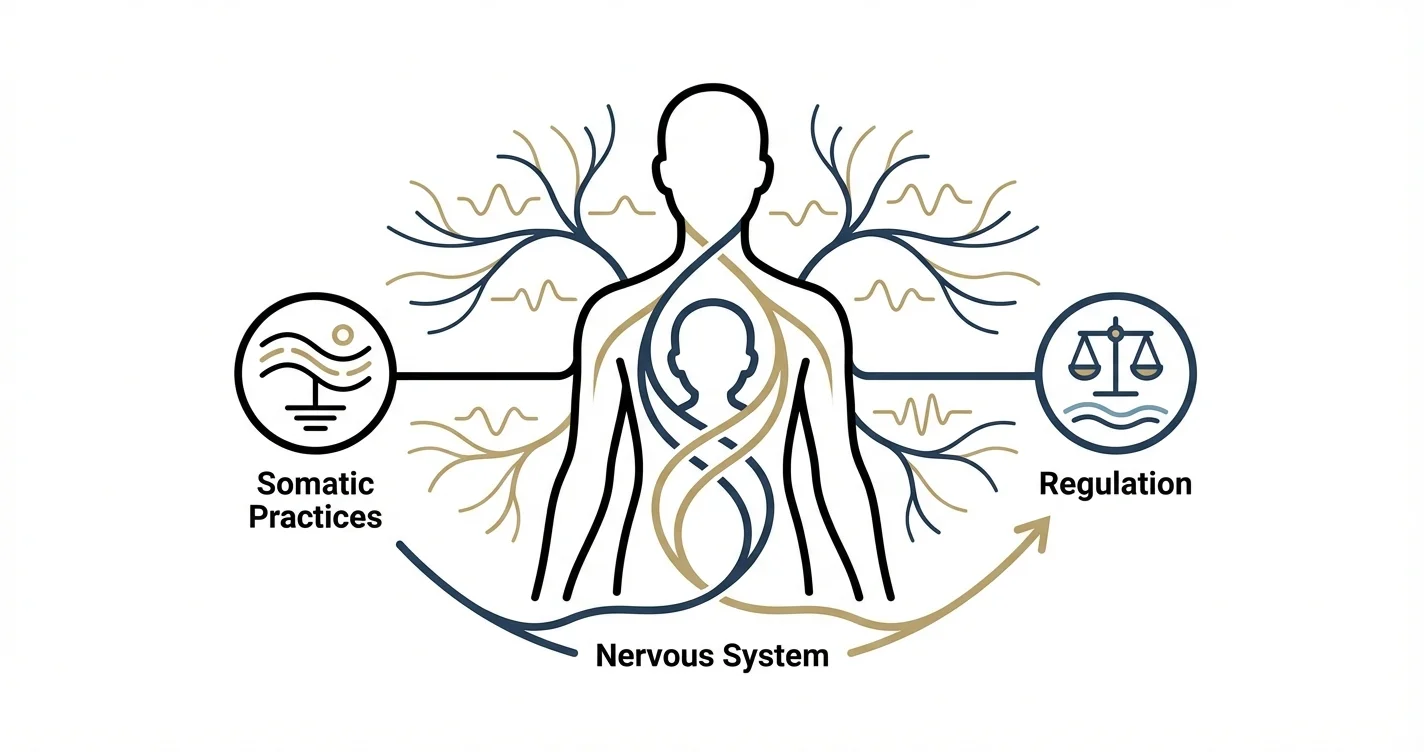
The intersection of inner child healing and somatic nervous system regulation represents one of the most effective approaches to addressing developmental...

Key Takeaways
- Grounding techniques that activate the ventral vagal system
- Breathwork patterns that shift autonomic states
- Movement practices that release held tension
- Sensory awareness exercises that build interoception
- Bilateral stimulation techniques that support processing
Introduction
The intersection of inner child healing and somatic nervous system regulation represents one of the most effective approaches to addressing developmental trauma and chronic stress patterns. For those seeking to transform childhood wounds and regulate their nervous system responses, finding the best inner child healing workbook with somatic practices for nervous system regulation can feel overwhelming. The market offers numerous options, yet not all workbooks successfully integrate these complementary modalities in ways that produce meaningful change.
This guide examines what makes an inner child healing workbook effective, how somatic practices support nervous system regulation, and which features distinguish quality resources from surface-level offerings. Based on analysis of practitioner-tested approaches and trauma-informed methodologies, you'll learn how to identify workbooks that facilitate genuine transformation rather than temporary relief.
Understanding Inner Child Healing and Nervous System Regulation
Inner child healing addresses the emotional wounds and behavioral patterns that originate in childhood experiences. According to practitioners working in this field, the foundation of effective inner child work involves recognizing the root of cyclical patterns—those recurring behaviors and emotional responses that may feel automatic or beyond conscious control. Research in developmental psychology suggests that early relational experiences shape neural pathways that influence how we respond to stress, form relationships, and regulate emotions throughout life.
Nervous system regulation focuses on teaching the body to move out of chronic stress states and return to equilibrium. When childhood trauma occurs, the nervous system may become calibrated to threat, remaining in heightened states of activation or shutdown even when no danger exists. This dysregulation manifests as anxiety, hypervigilance, emotional reactivity, or dissociation.
The integration of these two approaches—inner child healing and somatic nervous system practices—addresses both the psychological narratives and the physiological patterns that sustain trauma responses. While traditional talk therapy works primarily with thoughts and memories, somatic practices engage the body directly, helping individuals feel safe in their physical experience. This dual approach recognizes that trauma lives not just in our minds but in our nervous system's learned responses.
Key Features of Effective Inner Child Healing Workbooks with Somatic Practices
The most effective workbooks for inner child healing combined with somatic nervous system regulation share several distinguishing characteristics that separate them from generic self-help resources.
Trauma-Informed Framework
Quality workbooks acknowledge that patterns of behavior can be both learned and unlearned, as practitioners emphasize in their work with developmental trauma. This perspective shifts inner child work from blame or shame toward understanding and compassion. Trauma-informed approaches recognize that childhood wounds can transform into sources of healing when addressed with appropriate tools and support.
Progressive Structure
Effective programs typically span multiple weeks, allowing the nervous system time to integrate new patterns. Eight-week formats have shown particular effectiveness, with practitioners reporting that participants begin experiencing shifts in their ability to calm their nervous system and feel safe in their bodies by the third week. This timeframe allows for gradual skill-building rather than overwhelming the system with too much too quickly.
Somatic Practice Integration
The best workbooks don't just discuss nervous system regulation—they provide specific exercises that engage the body directly. These may include:
- Grounding techniques that activate the ventral vagal system
- Breathwork patterns that shift autonomic states
- Movement practices that release held tension
- Sensory awareness exercises that build interoception
- Bilateral stimulation techniques that support processing
Depth Over Surface Solutions
Practitioners working with inner child healing emphasize that meaningful work addresses root causes rather than symptoms. Effective workbooks guide users toward understanding the connections between childhood experiences, current patterns, and nervous system states. They facilitate genuine insight rather than offering quick fixes or affirmations that lack psychological foundation.
Comparing Inner Child Healing Workbooks with Somatic Therapy Sessions
When considering whether to work with inner child healing workbooks featuring somatic nervous system practices or pursue one-on-one somatic therapy sessions, several factors influence which approach might serve you best at different stages of healing.
Workbook Advantages
Self-guided workbooks offer accessibility and flexibility that professional therapy cannot match. You can engage with the material on your own schedule, revisit exercises as needed, and progress at a pace that feels manageable. For individuals with limited access to specialized trauma therapists or those who prefer processing independently, quality workbooks provide structured guidance without requiring appointment scheduling or financial commitments associated with ongoing therapy.
Workbooks also allow for repetition and review. You can return to specific exercises when particular patterns resurface, creating a resource you can reference throughout your healing journey. This can be particularly valuable for integrating concepts and practices over time.
Professional Therapy Advantages
Individual somatic therapy sessions offer personalized attention and real-time responsiveness that no workbook can replicate. A trained therapist can observe your nervous system responses, adjust interventions based on your unique reactions, and provide co-regulation—the calming presence of another regulated nervous system that supports your own regulation.
For individuals working with complex post-traumatic stress disorder (CPTSD) or severe attachment trauma, professional guidance often proves essential. Therapists can help navigate overwhelming emotions, provide safety when activating material surfaces, and offer relational repair experiences that address early attachment wounds.
Integrated Approach
Many practitioners recommend combining these modalities rather than viewing them as either-or options. A workbook can complement therapy by providing structured practices between sessions, while therapy offers the relational container and professional expertise that deepens the work. Tools like Lovon.app provide additional support by offering on-demand processing opportunities when something activates your nervous system between therapy appointments or while working through workbook exercises.
Selecting the Right Inner Child Healing Workbook for Your Nervous System Needs
Choosing among the numerous options requires understanding your current nervous system state, prior healing experience, and specific goals.
Assess Your Nervous System Baseline
Before selecting a workbook, consider your typical nervous system patterns. Do you tend toward hyperarousal (anxiety, hypervigilance, racing thoughts) or hypoarousal (shutdown, disconnection, numbness)? Some workbooks emphasize activation practices that may overwhelm already anxious systems, while others focus on grounding that might not engage dissociated states effectively. The best inner child healing workbook for your nervous system will match practices to your predominant patterns.
Consider Your Trauma History
Workbooks designed for developmental trauma and complex CPTSD differ from those addressing single-incident trauma or mild childhood stress. If your childhood involved chronic neglect, abuse, or unstable attachment relationships, look for resources that explicitly address complex trauma and understand the nuances of working with fragmented parts and disrupted attachment patterns.
Those new to inner child work may benefit from foundational workbooks that introduce concepts gradually, while individuals with prior therapy experience might seek more advanced resources that deepen existing understanding.
Evaluate Exercise Specificity
Generic prompts like "write a letter to your inner child" provide less value than specific, structured exercises that guide you through concrete steps. Quality workbooks offer detailed instructions for somatic practices, including how to recognize signs that you're moving out of your window of tolerance and how to adjust practices accordingly.
Look for workbooks that teach you to identify nervous system states, provide multiple regulation tools for different situations, and explain the neurobiological rationale behind exercises. Understanding why practices work enhances engagement and helps you adapt techniques to your unique circumstances.
Check for Professional Backing
While credentials alone don't guarantee quality, workbooks created by practitioners with training in both trauma therapy and somatic approaches tend to offer more sophisticated integration. Look for authors with backgrounds in trauma-focused modalities like Somatic Experiencing, Sensorimotor Psychotherapy, or Internal Family Systems combined with nervous system regulation training.
Integrating Workbook Practices into Daily Nervous System Regulation
The most effective inner child healing workbooks provide not just exercises but frameworks for integrating practices into ongoing life. Sustainable nervous system regulation requires consistent practice rather than occasional intensive sessions.
Establishing Routine Practices
Practitioners working with nervous system regulation emphasize that teaching the body new patterns requires repetition. Daily practices—even brief ones—create more lasting change than sporadic intensive work. Effective workbooks help you establish routines that fit your lifestyle, whether that's morning grounding practices, midday regulation breaks, or evening reflection exercises.
Start with manageable commitments. Five minutes of daily somatic practice builds capacity more effectively than ambitious plans you cannot sustain. As your nervous system develops greater resilience, you can expand practice duration and complexity.
Recognizing and Working with Activation
Quality workbooks teach you to recognize when inner child material activates your nervous system. This awareness allows you to apply regulation techniques in real-time rather than only during dedicated practice sessions. Signs of activation might include emotional flooding, physical tension, racing thoughts, or sudden disconnection.
When activation occurs, effective workbooks provide step-by-step protocols for returning to your window of tolerance before continuing with potentially activating material. This prevents retraumatization and teaches your nervous system that you can approach difficult material safely.
Tracking Progress
The best workbooks include methods for tracking changes over time. Nervous system healing often occurs gradually, and without tracking mechanisms, you may not notice the subtle shifts that accumulate into significant transformation. Journaling prompts, symptom checklists, or regulation capacity assessments help you recognize progress that might otherwise go unnoticed.
Practitioners note that meaningful shifts often appear around the third week of consistent practice, as mentioned earlier. However, individual timelines vary significantly based on trauma complexity, current support systems, and nervous system resilience.
Supplementing with Additional Support
While workbooks provide valuable structure, healing often benefits from multiple support sources. In addition to the workbook exercises, consider resources like Lovon.app for processing emotions as they arise, peer support groups for connection with others doing similar work, or movement practices like yoga or dance that support somatic integration.
When Inner Child Healing Workbooks May Not Be Sufficient
Honest assessment of workbook limitations supports informed decision-making and prevents frustration when self-guided approaches prove inadequate for complex needs.
Signs You Need Professional Support
Certain situations warrant professional therapeutic support rather than relying solely on workbooks. If you experience severe dissociation, intrusive trauma memories, suicidal ideation, or self-harm urges when engaging with inner child material, professional guidance becomes essential. Workbooks cannot provide the safety, co-regulation, and crisis support that trained therapists offer during destabilizing healing processes.
Similarly, if you've worked through multiple workbooks without experiencing meaningful change, this may indicate that your nervous system requires the personalized attention and relational repair that individual therapy provides. Some attachment wounds heal primarily through corrective relational experiences that workbooks cannot facilitate.
Integration Challenges
Some individuals struggle with self-directed work due to executive function challenges, severe anxiety, or chronic dissociation that makes engaging with written material difficult. If you find yourself unable to complete workbook exercises despite genuine effort, this doesn't reflect personal failure—it may simply indicate you need different modalities or additional support structures.
Complementary Rather Than Exclusive
The most realistic perspective views quality workbooks as valuable components within comprehensive healing approaches rather than complete solutions. They provide education, structure, and practice guidance that complement therapy, community support, lifestyle changes, and other healing modalities. For those working with complex trauma or CPTSD, workbooks work best when integrated with professional support that addresses the relational dimensions of developmental wounds.
When to Seek Professional Help
While inner child healing workbooks with somatic practices can support significant personal growth, certain circumstances require professional intervention. Seek support from a qualified therapist if you experience:
- Overwhelming emotions that interfere with daily functioning
- Dissociative episodes or time loss when engaging with inner child work
- Increased self-harm urges or suicidal thoughts
- Flashbacks or intrusive memories that feel unmanageable
- Relationship patterns that consistently cause significant distress
- Physical symptoms that may relate to trauma (chronic pain, digestive issues, sleep disturbances) requiring evaluation
Professionals specializing in trauma therapy, somatic approaches, or attachment work can provide assessment, treatment planning, and interventions tailored to your specific history and needs. Many therapists integrate inner child healing and nervous system regulation within evidence-based trauma modalities.
Conclusion
Selecting the best inner child healing workbook with somatic practices for nervous system regulation requires understanding both the theoretical foundations and practical applications of these integrated approaches. Effective workbooks recognize that childhood patterns can be transformed when addressed through both psychological insight and somatic practice, offering structured pathways for recognizing roots of behavioral cycles and teaching techniques for nervous system safety.
The most valuable resources provide trauma-informed frameworks, progressive structures that allow integration time, specific somatic exercises rather than generic prompts, and depth that addresses underlying patterns rather than surface symptoms. While workbooks offer accessibility and structure for self-directed healing, they work best when complemented by additional supports—whether professional therapy, community connection, or accessible resources like Lovon.app for processing emotions as they arise.
Your inner child healing journey unfolds uniquely, shaped by your specific history, current nervous system capacity, and available resources. Quality workbooks featuring somatic nervous system practices provide valuable tools for this journey, offering structured guidance for transforming wounds into sources of healing and teaching your body to feel safe in the present moment.
Disclaimer:
This is general information, not medical advice or diagnosis. If symptoms are severe, affecting your daily life, or you're having thoughts of self-harm—seek professional help. In the US: call or text 988 (Suicide & Crisis Lifeline). For immediate danger: 911 or local emergency services.
How AI Support Helps You Heal
AI emotional support isn't about replacing human connection — it's about filling the gaps. The moments when you need to talk at 2 AM, when you don't want to burden your friends again, or when you simply need someone to listen without judgment.
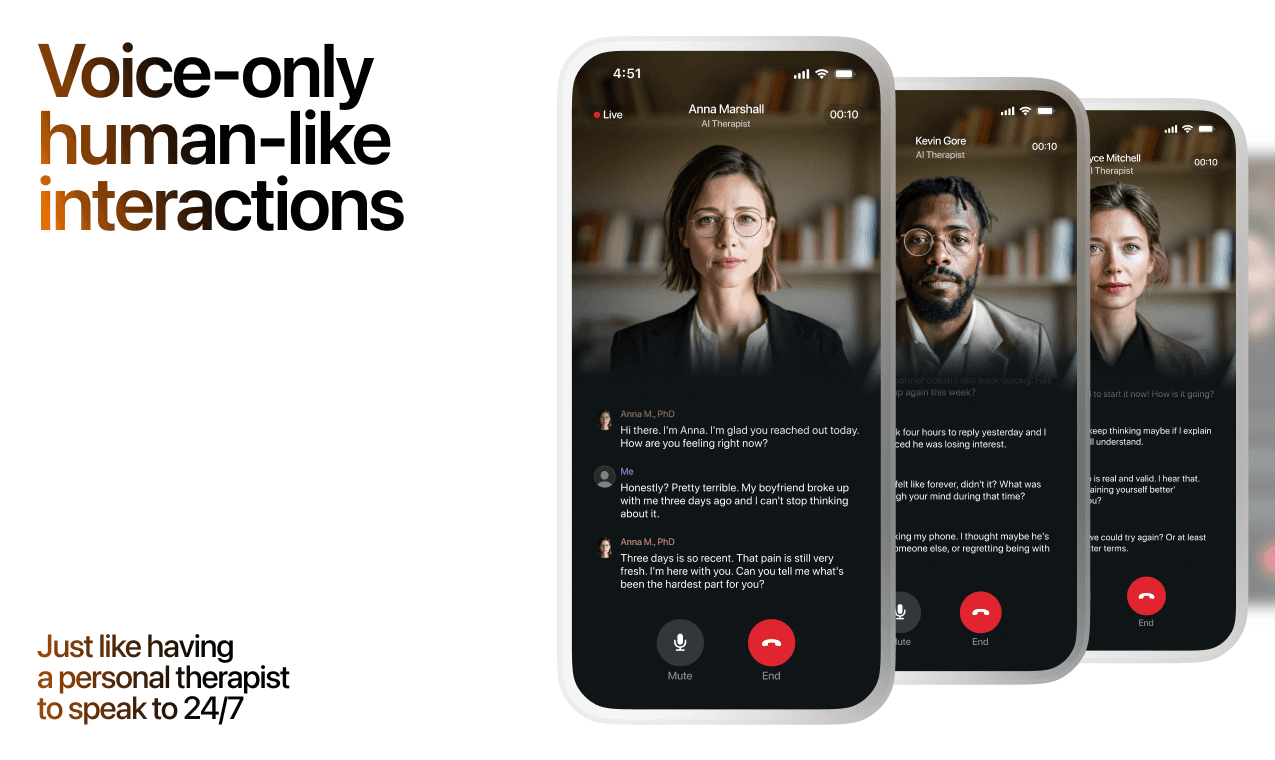
Here's what happens in a typical Lovon session:
You share what's on your mind
There's no script, no intake form, no waiting room. You speak or type whatever you're feeling — in your own words, at your own pace.
Lovon validates and explores
Using frameworks from CBT (Cognitive Behavioral Therapy) and motivational interviewing, Lovon acknowledges your feelings first, then gently helps you explore them. No dismissive "just move on" advice.
You build coping skills together
Lovon doesn't just listen — it actively works with you on evidence-based techniques: thought reframing, urge surfing, behavioral experiments, and more.
What a Session with Lovon Looks Like
When to Seek Professional Help
AI support is a valuable tool, but it's not a replacement for professional care. Please consider reaching out to a licensed therapist if you experience any of the following:
- Persistent thoughts of self-harm or suicide
- Inability to perform daily activities (work, eating, sleeping) for more than 2 weeks
- Turning to alcohol or substances to cope
- Intense anger or desire to harm your ex-partner
- Complete emotional numbness that doesn't improve over time
Crisis Resources (US): If you're in immediate danger, call 988 (Suicide & Crisis Lifeline) or text HOME to 741741 (Crisis Text Line). Available 24/7, free, and confidential.
Outside the US? Find a crisis line in your country
Ready to Start?
Your healing journey can begin right now
1 free conversation. No credit card. No judgment. Just a safe space to process what you're going through.
Frequently Asked Questions
Is AI therapy a replacement for a real therapist?
Is my conversation with Lovon AI private?
How is Lovon different from ChatGPT for emotional support?
Can I use Lovon if I'm already seeing a therapist?
Can I try Lovon for free?
About the Author
The Lovon Editorial Team
Mental Health & Wellness Content Team
The Lovon Editorial Team develops mental health and wellness content designed to make psychological concepts accessible and actionable. Our goal is to bridge the gap between clinical research and everyday life - helping you understand why your mind works the way it does and what you can do about it....
Similar Articles
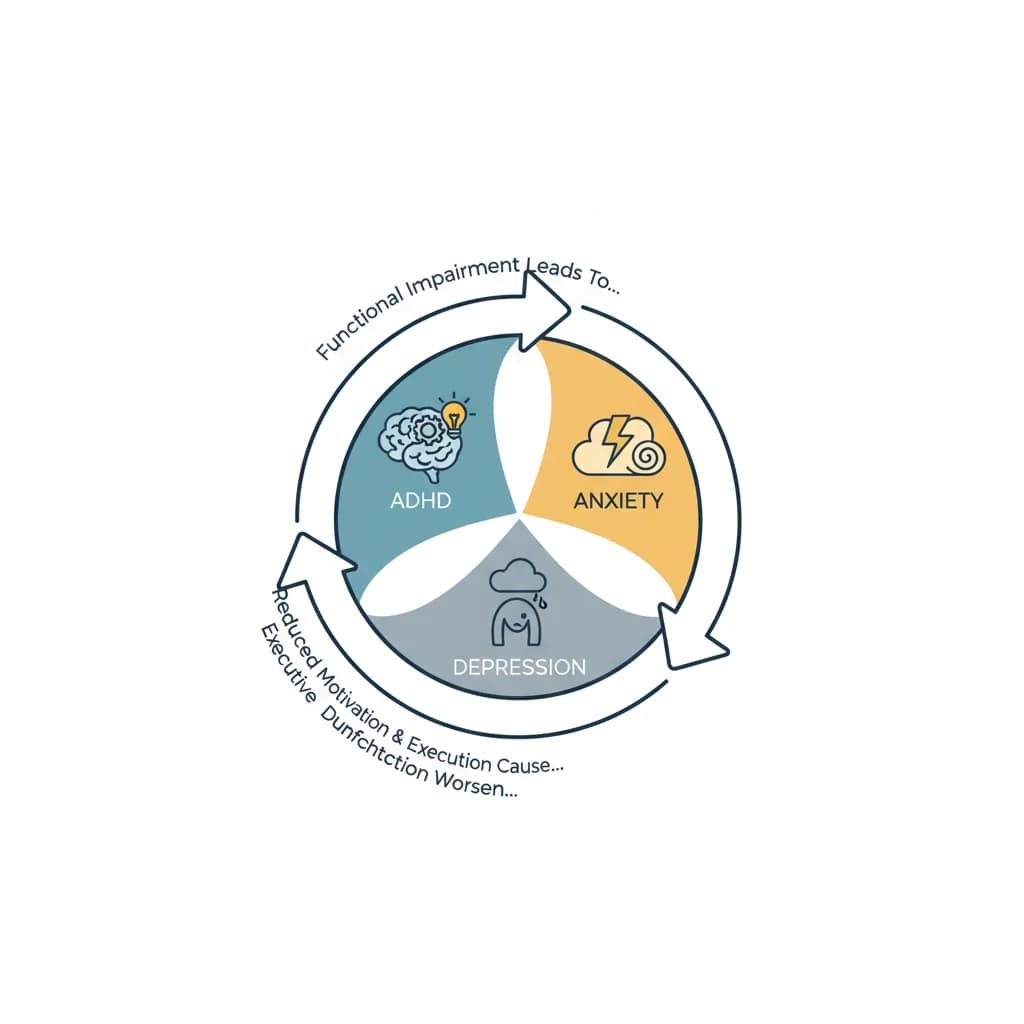
ADHD Comorbidity with Anxiety and Depression Cycles
Understanding the Complex Interplay Between ADHD and Recurring Mental Health Patterns

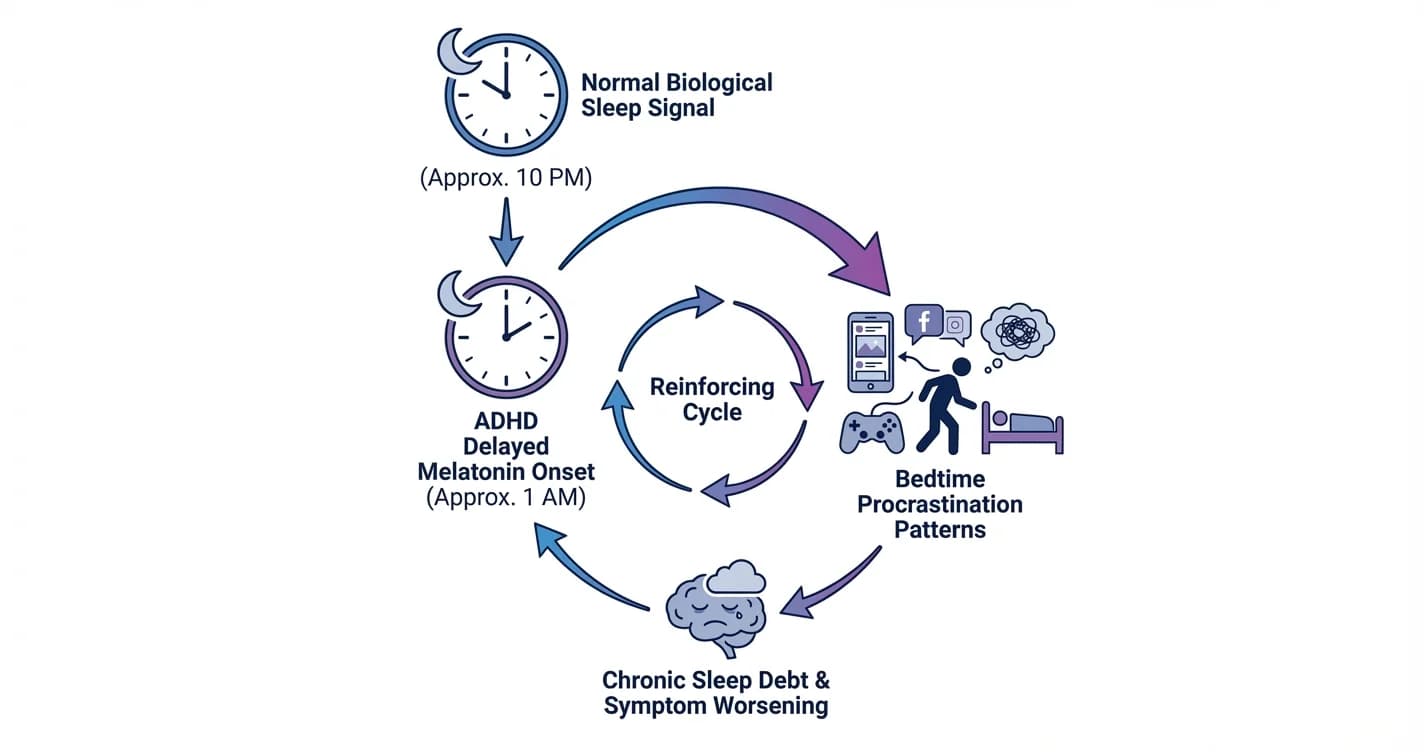
ADHD Sleep Cycle Disruption: Melatonin Delay and Bedtime Procrastination Patterns
Understanding how attention regulation difficulties interfere with natural sleep timing and the nightly wind-down process
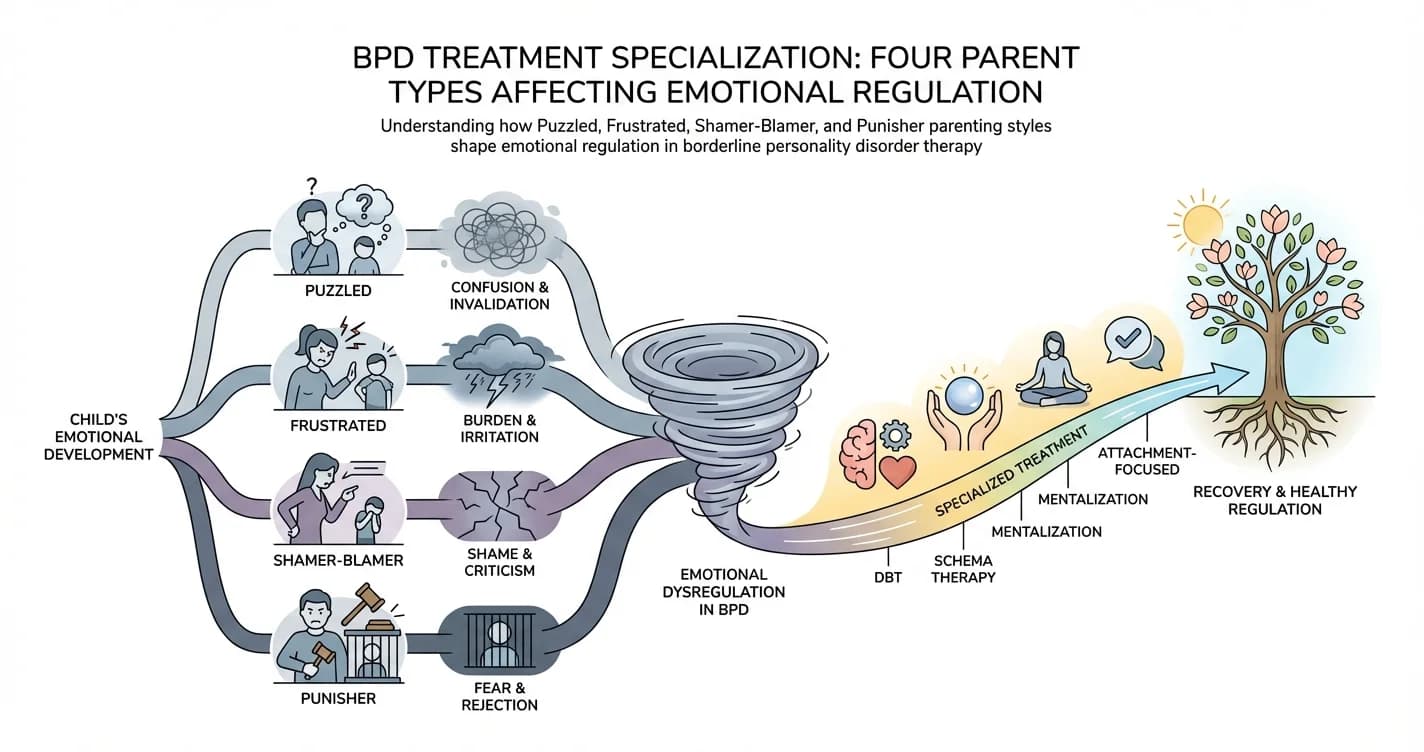
BPD Treatment Specialization: Four Parent Types Affecting Emotional Regulation
For individuals with borderline personality disorder (BPD), emotional regulation difficulties rarely emerge in isolation. Research increasingly suggests that
Disclaimer: This article is for informational purposes only and does not constitute medical advice, diagnosis, or treatment. Always seek the advice of your physician or other qualified health provider with any questions you may have regarding a medical condition. If you are in crisis or think you may have an emergency, call 988 (Suicide & Crisis Lifeline) or go to the nearest emergency room. Outside the US? Find a crisis line in your country.