
ADHD — Emotional Costs of Undiagnosed Cases Including Rejection Sensitivity Dysphoria and Chronic Loneliness
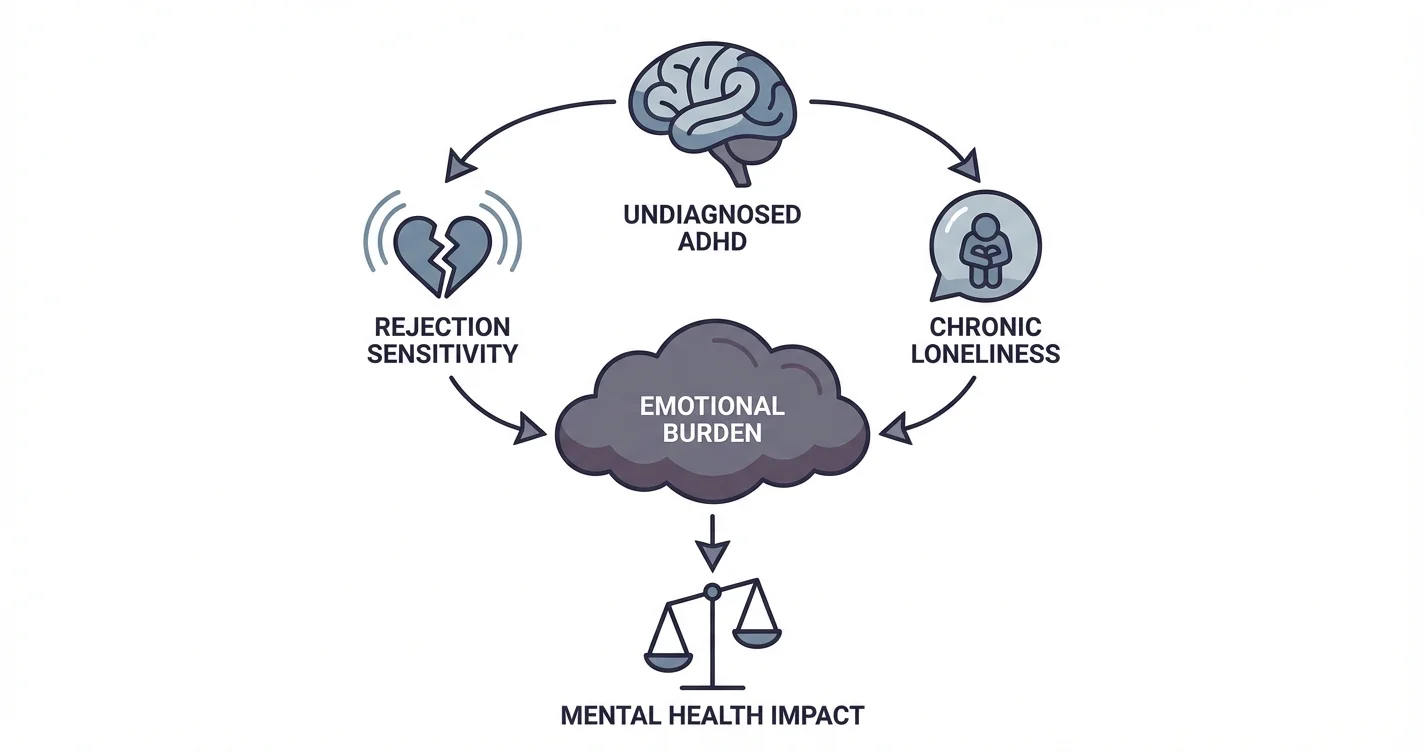
Living with undiagnosed ADHD creates an invisible emotional burden that extends far beyond difficulty focusing or staying organized. The emotional costs of

Key Takeaways
- Social withdrawal: The pain of perceived rejection becomes so intense that people begin avoiding situations where
- Relationship strain: Intense reactions to minor issues can confuse or overwhelm partners, friends, and family
- Professional limitations: Fear of criticism may prevent people from pursuing opportunities, speaking up in meetings,
- Perfectionism: Some people develop rigid perfectionism as a defense mechanism, attempting to avoid any possibility
- Masking: Expending enormous energy to hide ADHD symptoms and appear "normal" in social situations, then experiencing
Introduction
Living with undiagnosed ADHD creates an invisible emotional burden that extends far beyond difficulty focusing or staying organized. The emotional costs of undiagnosed cases including rejection sensitivity dysphoria and chronic loneliness can profoundly shape a person's mental health, relationships, and sense of self-worth. While the cognitive challenges of ADHD are increasingly recognized, the emotional impact often remains overlooked—leaving many people struggling without understanding why social interactions feel so painful or why they experience such intense feelings of disconnection.
Research suggests that adults with untreated ADHD face significantly elevated risks for depression, anxiety, and relationship difficulties. The combination of neurological differences in emotional regulation, years of accumulated negative feedback, and the exhausting effort of masking symptoms creates a perfect storm for emotional suffering. Understanding these hidden costs is essential for recognizing ADHD in yourself or others and seeking appropriate support.
The Hidden Emotional Landscape of Undiagnosed ADHD
When ADHD goes unrecognized, people often internalize their struggles as personal failures rather than neurological differences. This fundamental misunderstanding sets the stage for profound emotional consequences that compound over time.
The ADHD brain processes emotional information differently. Neuroimaging studies suggest that areas involved in emotional regulation may function distinctively in people with ADHD, contributing to more intense emotional experiences and difficulty modulating responses. Without a diagnosis, these experiences lack context—leading to self-blame and confusion about why emotions feel so overwhelming.
Psychologists specializing in neurodiversity emphasize that understanding ADHD without judgment is crucial for healing. When people spend years believing they're simply "too sensitive," "lazy," or "incapable of getting it together," the emotional damage accumulates. This internalized shame becomes a secondary burden layered on top of the ADHD itself.
The cognitive symptoms of ADHD—forgetfulness, missed deadlines, impulsive decisions—generate frequent negative feedback from others. Over years and decades, this creates what some clinicians describe as a "failure identity," where people come to expect disappointment from themselves and anticipate rejection from others. This expectation shapes behavior in ways that can actually increase isolation and relationship difficulties.
Rejection Sensitivity Dysphoria: The Emotional Amplifier
Rejection sensitivity dysphoria represents one of the most painful yet least discussed aspects of ADHD. While not an official diagnostic term, it describes the intense emotional pain many people with ADHD experience in response to perceived rejection, criticism, or failure.
For someone experiencing rejection sensitivity dysphoria, even minor social cues—a delayed text response, a neutral facial expression, a rescheduled meeting—can trigger overwhelming emotional distress. The response is immediate, visceral, and often disproportionate to the actual situation. Some people describe it as a physical sensation, like a punch to the chest or a wave of shame washing over them.
Research indicates that emotional dysregulation is a core feature of ADHD, affecting a substantial portion of individuals with the condition. The neurological underpinnings may involve differences in how the brain processes social-emotional information and regulates responses to perceived threats.
Rejection sensitivity dysphoria creates several compounding problems:
- Social withdrawal: The pain of perceived rejection becomes so intense that people begin avoiding situations where rejection might occur, leading to increasing isolation
- Relationship strain: Intense reactions to minor issues can confuse or overwhelm partners, friends, and family members who don't understand the neurological basis
- Professional limitations: Fear of criticism may prevent people from pursuing opportunities, speaking up in meetings, or taking appropriate risks
- Perfectionism: Some people develop rigid perfectionism as a defense mechanism, attempting to avoid any possibility of failure or criticism
Without understanding that these intense reactions stem from neurological differences rather than personal weakness, people often feel additional shame about their "overreactions"—creating yet another layer of emotional distress.
Chronic Loneliness: The Isolation of Being Misunderstood
ADHD loneliness differs from simple solitude. It's the profound feeling of disconnection that comes from sensing that people around you fundamentally don't understand your experience. Even in crowded rooms, people with undiagnosed ADHD often feel profoundly alone.
This loneliness has several distinct dimensions. There's the practical loneliness that results from ADHD-related challenges: forgetting to respond to messages, missing social events, or struggling with the executive function demands of maintaining friendships. There's the emotional loneliness of feeling that your internal experience doesn't match others' expectations. And there's the existential loneliness of not understanding why life feels so much harder for you than it appears to be for others.
Experts working with neurodivergent individuals note that many people with ADHD describe feeling like they're on the outside looking in—watching others navigate social and professional situations with an ease that feels impossibly out of reach. This sense of fundamental difference, without a framework for understanding it, contributes to deep feelings of isolation.
The loneliness compounds when people develop coping mechanisms that further isolate them:
- Masking: Expending enormous energy to hide ADHD symptoms and appear "normal" in social situations, then experiencing exhaustion and burnout that leads to withdrawal
- Preemptive rejection: Ending relationships or avoiding intimacy before others can discover their "flaws" and reject them
- Self-medication: Using substances, excessive screen time, or other behaviors to numb the pain of loneliness, which often increases isolation
- Activity avoidance: Turning down invitations and opportunities due to anxiety about ADHD-related difficulties, gradually shrinking their social world
Research suggests that chronic loneliness carries significant health consequences, potentially affecting cardiovascular health, immune function, and mental well-being. For people with undiagnosed ADHD, this loneliness can persist for years or decades without clear explanation.
The Cumulative Cost of Masking ADHD Symptoms
Many people with undiagnosed ADHD develop sophisticated masking strategies—conscious and unconscious behaviors designed to hide their struggles and appear neurotypical. While masking may help people function in certain contexts, it carries substantial long-term emotional costs.
Psychologists specializing in ADHD emphasize that masking's emotional toll, while significant, can be addressed and even reversed with appropriate understanding and support. However, years of masking often contribute to several serious outcomes:
Exhaustion and burnout: Maintaining a neurotypical facade requires constant vigilance and energy. People describe feeling drained after social interactions or work situations that seem effortless for others. This exhaustion can lead to periods of complete shutdown or withdrawal.
Imposter syndrome: When you're constantly hiding your authentic self and struggles, any success feels fraudulent. Many people with undiagnosed ADHD develop intense imposter syndrome, believing they're fooling everyone and will eventually be exposed.
Loss of identity: After years of masking, some people lose touch with their authentic selves. They may struggle to identify their genuine preferences, strengths, or personality traits apart from the persona they've constructed.
Delayed diagnosis: Ironically, effective masking often delays diagnosis, particularly in women and individuals with primarily inattentive presentations. The very strategies that help people function in the short term prevent them from getting the understanding and support they need.
Relationship superficiality: When you're constantly managing how you present yourself, genuine intimacy becomes difficult. People may have many acquaintances but feel they have no one who truly knows them.
Support tools like Lovon.app can provide a space for processing the emotional exhaustion of masking without the pressure of maintaining a particular presentation, offering on-demand support when the cost of hiding symptoms becomes overwhelming.
Breaking the Cycle: Recognition and Support
Understanding the emotional costs of undiagnosed ADHD including rejection sensitivity dysphoria and chronic loneliness is the first step toward addressing them. Many people describe diagnosis as both devastating and profoundly relieving—painful to recognize years of unnecessary struggle, but liberating to finally have context for their experiences.
Professional evaluation by specialists familiar with how ADHD presents across different ages, genders, and life circumstances is essential. The presentation can vary significantly, and many people don't fit stereotypical hyperactive models. Psychologists emphasizing neurodiversity work to help people understand their ADHD without judgment, reframing differences as neurological variations rather than personal failures.
Several approaches may help address the emotional toll:
Therapeutic support: Working with therapists who understand ADHD's emotional dimensions can help process accumulated shame, develop healthier coping strategies, and address co-occurring anxiety or depression. Approaches that integrate understanding of neurodiversity with evidence-based techniques for emotional regulation may be particularly helpful.
Community connection: Finding others with ADHD—through support groups, online communities, or friendships—can profoundly reduce loneliness. Connecting with people who understand your experience without explanation provides validation that's difficult to find elsewhere.
Self-compassion practices: Reframing past struggles through the lens of neurodiversity rather than personal failure takes time and intentional practice. Some people find that approaches focusing on self-compassion help counter years of internalized criticism.
Strategic accommodations: Implementing systems and structures that work with your brain rather than against it can reduce the frequency of ADHD-related difficulties and the negative feedback that feeds rejection sensitivity.
Processing emotional experiences: Tools that help you work through the emotional impact of ADHD-related challenges can be valuable between therapy sessions. Resources like Lovon.app offer accessible options for talking through stressors, relationship conflicts, or overwhelming emotions when they arise.
Addressing rejection sensitivity dysphoria specifically may involve learning to recognize when reactions are disproportionate to situations, developing grounding techniques for intense emotional moments, and gradually building tolerance for ambiguity in social situations. This work requires patience and support—patterns built over years don't shift overnight.
When to Seek Professional Help
If you're experiencing symptoms that suggest undiagnosed ADHD, professional evaluation is important. Consider seeking assessment if you notice:
- Persistent difficulties with attention, organization, or follow-through that significantly impact work, relationships, or daily functioning
- Intense emotional reactions to perceived criticism or rejection that seem disproportionate and interfere with relationships
- Chronic feelings of loneliness, isolation, or disconnection despite efforts to connect with others
- Exhaustion from constantly trying to appear "normal" or hide difficulties
- Depression, anxiety, or other mental health challenges that don't fully respond to standard treatments
Mental health professionals specializing in ADHD, including psychologists, psychiatrists, and counselors with neurodiversity expertise, can provide comprehensive evaluation. They can help distinguish ADHD from other conditions with overlapping symptoms and identify co-occurring issues that may need attention.
For emotional support while pursuing evaluation or between therapy sessions, accessible resources that allow you to process feelings and experiences can be valuable complements to professional care.
Conclusion
The emotional costs of undiagnosed ADHD including rejection sensitivity dysphoria and chronic loneliness represent a hidden but profound burden. Beyond the recognized cognitive symptoms, untreated ADHD creates layers of shame, isolation, and emotional pain that compound over years. Rejection sensitivity dysphoria amplifies social and professional challenges, turning minor setbacks into overwhelming emotional crises. Chronic loneliness stems not just from ADHD-related social difficulties, but from the deeper isolation of feeling fundamentally misunderstood.
Recognition changes everything. Understanding that these intense emotions and experiences stem from neurological differences rather than personal failings opens the door to healing. While diagnosis may bring grief for lost years, it also provides the context necessary for self-compassion and appropriate support.
If you recognize these patterns in yourself, seeking evaluation from professionals who understand ADHD's emotional dimensions is a powerful step toward addressing the hidden costs. With proper support, understanding, and connection to others who share similar experiences, the emotional toll of ADHD can be significantly reduced. The years of accumulated pain don't have to define your future.
Disclaimer: This is general information, not medical advice or diagnosis. If symptoms are severe, affecting your daily life, or you're having thoughts of self-harm—seek professional help. In the US: call or text 988 (Suicide & Crisis Lifeline). For immediate danger: 911 or local emergency services.
How AI Support Helps You Heal
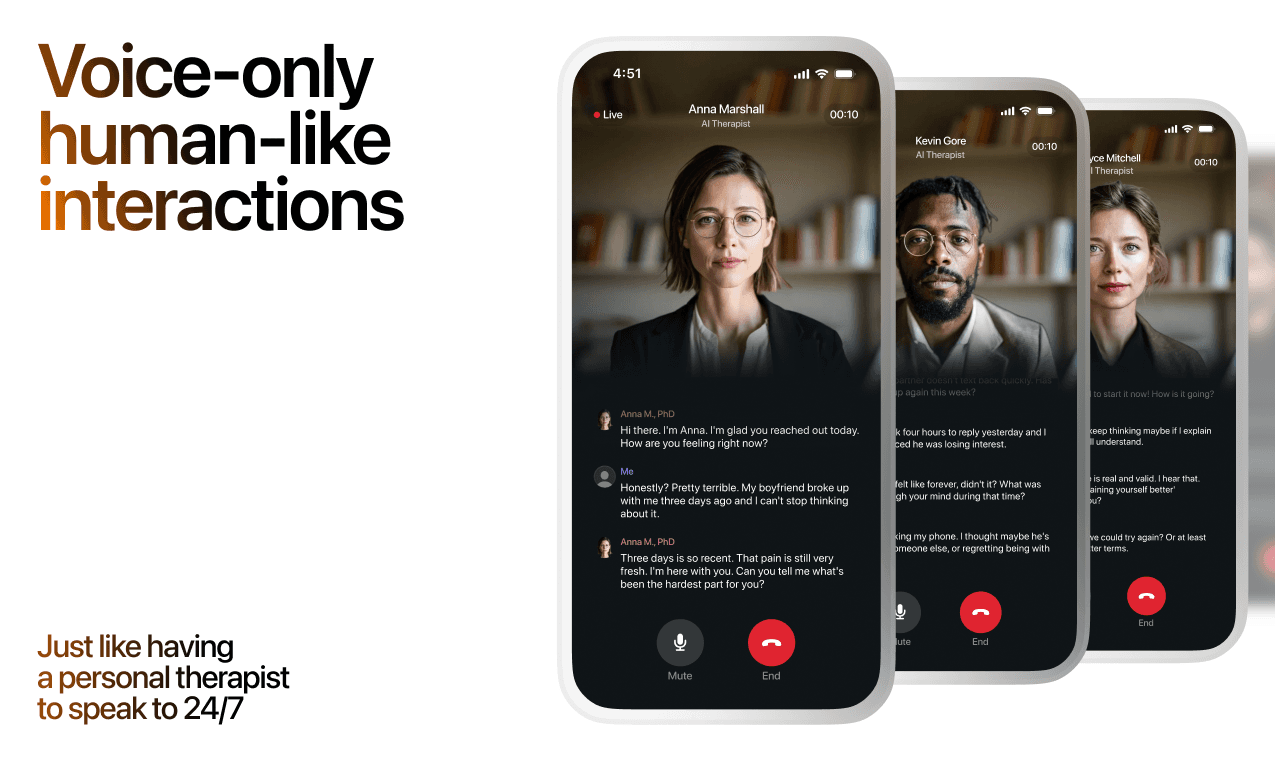
AI emotional support isn't about replacing human connection — it's about filling the gaps. The moments when you need to talk at 2 AM, when you don't want to burden your friends again, or when you simply need someone to listen without judgment.
Here's what happens in a typical Lovon session:
You share what's on your mind
There's no script, no intake form, no waiting room. You speak or type whatever you're feeling — in your own words, at your own pace.
Lovon validates and explores
Using frameworks from CBT (Cognitive Behavioral Therapy) and motivational interviewing, Lovon acknowledges your feelings first, then gently helps you explore them. No dismissive "just move on" advice.
You build coping skills together
Lovon doesn't just listen — it actively works with you on evidence-based techniques: thought reframing, urge surfing, behavioral experiments, and more.
What a Session with Lovon Looks Like
When to Seek Professional Help
AI support is a valuable tool, but it's not a replacement for professional care. Please consider reaching out to a licensed therapist if you experience any of the following:
- Persistent thoughts of self-harm or suicide
- Inability to perform daily activities (work, eating, sleeping) for more than 2 weeks
- Turning to alcohol or substances to cope
- Intense anger or desire to harm your ex-partner
- Complete emotional numbness that doesn't improve over time
Crisis Resources (US): If you're in immediate danger, call 988 (Suicide & Crisis Lifeline) or text HOME to 741741 (Crisis Text Line). Available 24/7, free, and confidential.
Outside the US? Find a crisis line in your country
Ready to Start?
Your healing journey can begin right now
A 7-day trial. No judgment. Just a safe space to process what you're going through.
Frequently Asked Questions
Is Lovon a replacement for a real therapist?
Is my conversation with Lovon AI private?
How is Lovon different from ChatGPT for emotional support?
Can I use Lovon if I'm already seeing a therapist?
Can I try Lovon before subscribing?
About the Author
The Lovon Editorial Team
Mental Health & Wellness Content Team
The Lovon Editorial Team develops mental health and wellness content designed to make psychological concepts accessible and actionable. Our goal is to bridge the gap between clinical research and everyday life - helping you understand why your mind works the way it does and what you can do about it....
Related articles
- ADHD Masking — Long-Term Consequences and Reversal Strategies
ADHD masking—the deliberate suppression or concealment of symptoms to appear neurotypical—often develops as a survival…
- High-Functioning Loneliness in Women: Causes & Coping 2026
High-functioning loneliness means feeling deeply alone while life looks full. Learn the 7-step coping plan built for…
- ADHD and Relationships: Common Challenges & Fixes 2026
ADHD and relationships clash over time blindness, RSD, and emotional dysregulation. Get step-by-step fixes that actually…
- ADHD in Women Symptoms: Overlooked Signs (2026)
ADHD in women often looks like anxiety, not hyperactivity. See the overlooked symptoms, screening criteria, and support…
See also
Quizzes
- Alexithymia Test: Can You Name What You Feel?
See where your feelings lose their names, in 3 minutes.
- Highly Sensitive Person Test: How Much Do You Take In?
See how deeply you process, notice and get overloaded.
Free tools
- How to Respond to Gaslighting
Say what happened and what they say happened. You get what is actually established separated from what is being…
- How to Respond to a Narcissist
Paste what they said. You get the part that actually needs answering separated from the part designed to pull you in, a…
From the wiki
- Why do I have no friends?
Usually nothing is wrong with you. Adult friendship runs on proximity and repetition, and most people lose both at once…
Disclaimer: This article is for informational purposes only and does not constitute medical advice, diagnosis, or treatment. Always seek the advice of your physician or other qualified health provider with any questions you may have regarding a medical condition. If you are in crisis or think you may have an emergency, call 988 (Suicide & Crisis Lifeline) or go to the nearest emergency room. Outside the US? Find a crisis line in your country.