
Attachment Styles and Avoidant Attachment Rooted in Fear of Dependence
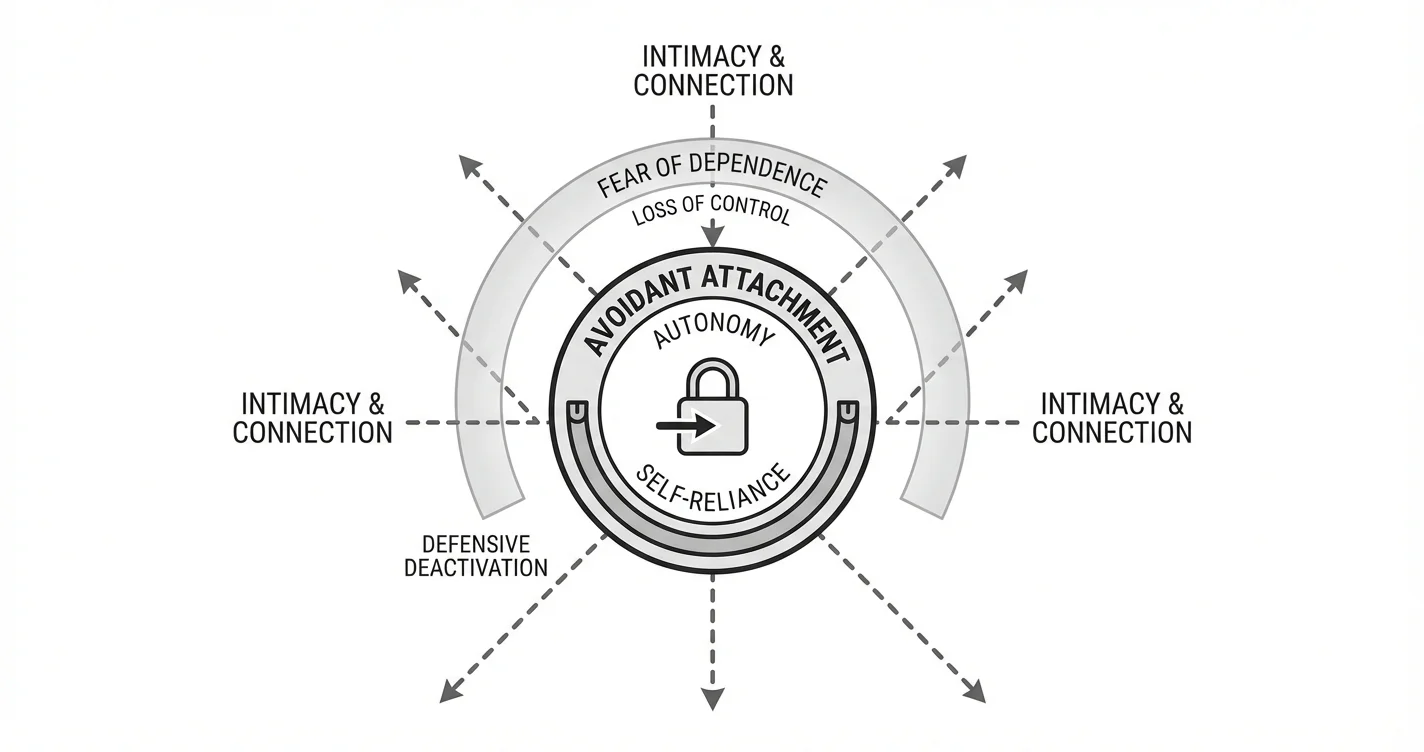
Avoidant attachment is often misunderstood as emotional coldness or an inability to care about others. In reality, this attachment style is rooted in fear of

Key Takeaways
- Physical and emotional distancing: Creating space through work commitments, hobbies, or simply becoming less
- Minimizing conversations: Deflecting requests for deeper emotional connection with phrases like "I just need time"
- Emphasizing independence: Frequently highlighting their need for personal space and framing closeness as threatening
- Shutting down during conflict: Disengaging emotionally when partners express needs for more consistency or vulnerability
- Decision-making expectations: Partners wanting to make major life decisions together
Introduction
Avoidant attachment is often misunderstood as emotional coldness or an inability to care about others. In reality, this attachment style is rooted in fear of dependence and loss of autonomy—a deep-seated anxiety about losing one's independence or becoming too reliant on another person. When someone with avoidant attachment pulls away from intimacy, they're not necessarily lacking feelings; they're protecting what feels like their fundamental sense of self-sufficiency. This defensive strategy typically develops early in life and continues to shape relationship patterns well into adulthood. Understanding these origins can help both those experiencing avoidant attachment and their partners navigate relationships with greater compassion and effectiveness. This article examines the psychological mechanisms behind avoidant attachment, drawing on clinical research and therapeutic insights to provide practical understanding of this common relationship pattern.
The Psychological Roots of Avoidant Attachment
Avoidant attachment styles develop when a person learns—often in early childhood—that depending on others threatens their sense of control and safety. Research in attachment theory suggests that these patterns typically emerge when caregivers respond to a child's emotional needs inconsistently or with subtle disapproval. The child learns to minimize their dependency needs and develop an exaggerated sense of self-reliance as a protective adaptation.
This fear of dependence isn't simply about preferring independence. It represents a core belief that relying on others makes you vulnerable to disappointment, control, or abandonment. For someone with avoidant attachment, emotional closeness can trigger anxiety about losing their autonomy—the sense that increasing intimacy means sacrificing the freedom to make decisions, maintain boundaries, or preserve their individual identity.
Clinical observations indicate that people with this attachment pattern often experienced early environments where expressing needs led to feeling dismissed, criticized, or burdened. Rather than developing confidence that others will respond supportively, they learned that self-sufficiency was safer. This creates what researchers describe as a "deactivating strategy"—automatically suppressing attachment needs to avoid the discomfort of depending on others.
The underlying mechanism isn't a deficit in the capacity for connection. Studies in developmental psychology suggest that avoidant individuals do experience attachment needs but have learned to defensively disconnect from them. The apparent emotional distance serves as protection against the anxiety triggered by vulnerability and potential loss of self-determination.
How Fear of Dependence Manifests in Relationships
In practice, avoidant attachment rooted in fear of dependence creates recognizable patterns in romantic relationships. Individuals with this style often pursue partners enthusiastically during early stages when emotional demands remain low. As relationships deepen and partners naturally expect more consistency, emotional presence, and interdependence, people with avoidant attachment frequently begin to withdraw.
This withdrawal can take several forms:
- Physical and emotional distancing: Creating space through work commitments, hobbies, or simply becoming less communicatively available
- Minimizing conversations: Deflecting requests for deeper emotional connection with phrases like "I just need time" or "you're asking for too much"
- Emphasizing independence: Frequently highlighting their need for personal space and framing closeness as threatening to their identity
- Shutting down during conflict: Disengaging emotionally when partners express needs for more consistency or vulnerability
Experts working with attachment patterns note that avoidant partners may genuinely believe their partners are being unreasonably demanding when relationship expectations increase. What feels like normal relationship progression to securely attached individuals can feel like suffocation to someone whose autonomy feels constantly under threat.
The fear manifests particularly intensely when partners request specific behavioral changes—more frequent communication, planning a shared future, or greater emotional availability. These requests, however reasonable, activate the core anxiety: that meeting another person's needs means losing control over their own life and decisions.
Understanding this dynamic helps explain why avoidant individuals often choose partners who require less interdependence or, paradoxically, partners with anxious attachment who pursue them—allowing avoidant individuals to maintain emotional distance while remaining in relationship. The pattern perpetuates because it temporarily manages their anxiety about dependence without requiring them to confront the underlying fear.
The Connection Between Autonomy Anxiety and Attachment Avoidance
The fear of losing autonomy represents the other side of the avoidant attachment coin. While fear of dependence involves anxiety about needing others, autonomy anxiety centers on losing one's separate self within relationship. For individuals with avoidant attachment patterns, these fears are deeply intertwined and mutually reinforcing.
Research in relationship psychology indicates that autonomy concerns become particularly activated when relationships involve:
- Decision-making expectations: Partners wanting to make major life decisions together
- Time commitments: Expectations for regular quality time or shared routines
- Emotional disclosure: Requests to share feelings, vulnerabilities, or internal experiences
- Future planning: Discussions about long-term commitment or life integration
Each of these normal relationship milestones can trigger intense anxiety about losing independence. The person with avoidant attachment may experience physical symptoms—restlessness, tension, or the urge to escape—when these topics arise. This isn't manipulation or selfishness; it's an automatic protective response to perceived threats to self-sufficiency.
Clinical work with avoidant attachment reveals that many individuals with this pattern harbor beliefs that relationships inherently require "shrinking your needs to keep the peace" or that maintaining your authentic self is incompatible with deep partnership. These beliefs reflect early learning that closeness meant compliance, loss of boundaries, or suppression of individual preferences.
The autonomy anxiety also explains why avoidant individuals may sabotage relationships as they grow more serious. What appears as commitment-phobia often reflects genuine panic about losing oneself in partnership. Breaking up or creating distance restores the sense of control and independence, temporarily relieving the anxiety—even when the person genuinely cares about their partner.
Tools like Lovon.app can provide a space to explore these patterns without the immediate pressure of relationship dynamics, allowing individuals to process their autonomy concerns and understand how fear shapes their behavior in partnerships.
Moving Toward Security: Addressing Fear-Based Attachment
Understanding that avoidant attachment stems from fear of dependence and autonomy loss is the first step toward developing more secure relationship patterns. This recognition alone can reduce self-judgment and open pathways for change. However, modifying deeply rooted attachment strategies requires sustained effort and often professional support.
Therapeutic approaches for avoidant attachment typically focus on several key areas:
Recognizing defensive patterns: Learning to identify when fear of dependence is driving behavior rather than authentic preference. This includes noticing physical anxiety signals when intimacy increases and the automatic urge to create distance.
Challenging core beliefs: Examining assumptions that depending on others inevitably leads to loss of self or that vulnerability equals weakness. Research in cognitive therapy suggests these beliefs can shift through repeated experiences of safe interdependence.
Practicing graduated vulnerability: Deliberately sharing emotions and needs in small increments, building tolerance for the discomfort of depending on others. This process works best when partners can provide consistent, non-intrusive support.
Developing differentiation skills: Learning that maintaining a separate identity within relationships doesn't require emotional distance. Secure relationships allow both autonomy and intimacy without sacrificing either.
Building emotional awareness: Avoidant patterns often involve disconnection from one's own feelings. Developing capacity to recognize and name emotions strengthens the foundation for authentic connection.
Studies in attachment-based therapy indicate that change is possible at any age, though it requires patience and usually benefits from professional guidance. Therapists specializing in attachment work can help individuals understand how their specific early experiences shaped current patterns and develop alternative strategies for managing relationship anxiety.
For partners of avoidant individuals, understanding the fear-based nature of these patterns can foster compassion while also maintaining healthy boundaries. Secure relationships don't require one person to continuously minimize their needs to accommodate another's fear. Partners can offer patience and consistency while also clearly communicating their own relationship requirements.
Support resources like Lovon.app offer accessible ways to process relationship concerns and explore attachment patterns between therapy sessions, providing reflection space when immediate professional support isn't available.
When Professional Help Is Needed
While self-awareness and personal effort support attachment pattern shifts, certain situations warrant professional intervention. Consider seeking support from a therapist specializing in attachment when:
- Relationship patterns consistently cause significant distress or lead to repeated breakups despite genuine desire for partnership
- Fear of dependence or autonomy loss interferes with career decisions, friendships, or family relationships beyond romantic contexts
- Avoidant patterns accompany other concerns such as depression, anxiety disorders, or substance use
- Early life experiences involved trauma, neglect, or significant caregiver inconsistency that continues to affect daily functioning
- Partners or loved ones express that your distancing behavior causes them serious emotional harm
- You recognize the patterns but feel unable to shift them despite sustained personal effort
Mental health professionals trained in attachment-focused therapy, emotion-focused therapy, or psychodynamic approaches can provide structured support for exploring these deeply rooted patterns. Many individuals benefit from longer-term therapeutic relationships that allow gradual development of trust and new relational experiences within the safety of the therapeutic relationship itself.
Couples therapy with an attachment-informed therapist can also help when both partners want to understand and work with avoidant patterns together, developing communication strategies that honor both autonomy needs and connection requirements.
Conclusion
Avoidant attachment is fundamentally rooted in fear of dependence and loss of autonomy rather than lack of caring or capacity for connection. These patterns develop as protective adaptations when early experiences teach that self-sufficiency is safer than relying on others. Understanding this fear-based foundation helps both individuals with avoidant attachment and their partners approach these patterns with greater compassion and effectiveness. The manifestations—pulling away when relationships deepen, minimizing emotional needs, emphasizing independence—represent automatic defensive strategies rather than intentional rejection. Research and clinical experience demonstrate that these attachment styles can shift toward greater security through awareness, graduated practice of vulnerability, and often professional support. Recognizing when fear of dependence drives relationship behavior creates opportunity for choice: continuing protective patterns or gradually building capacity for interdependence without sacrificing authentic autonomy. Secure attachment doesn't require abandoning independence; it involves learning that vulnerability and self-sufficiency can coexist within healthy relationships.
Disclaimer: This is general information, not medical advice or diagnosis. If symptoms are severe, affecting your daily life, or you're having thoughts of self-harm—seek professional help. In the US: call or text 988 (Suicide & Crisis Lifeline). For immediate danger: 911 or local emergency services.
How AI Support Helps You Heal
AI emotional support isn't about replacing human connection — it's about filling the gaps. The moments when you need to talk at 2 AM, when you don't want to burden your friends again, or when you simply need someone to listen without judgment.
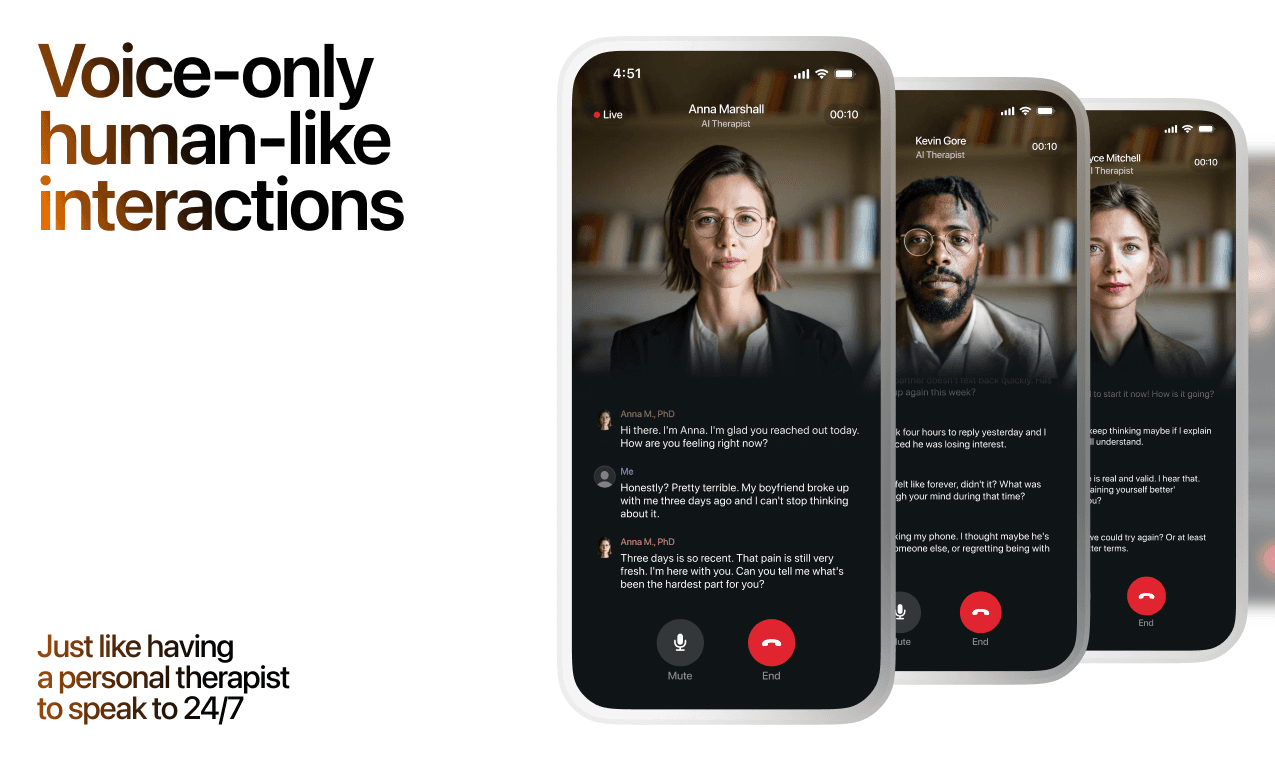
Here's what happens in a typical Lovon session:
You share what's on your mind
There's no script, no intake form, no waiting room. You speak or type whatever you're feeling — in your own words, at your own pace.
Lovon validates and explores
Using frameworks from CBT (Cognitive Behavioral Therapy) and motivational interviewing, Lovon acknowledges your feelings first, then gently helps you explore them. No dismissive "just move on" advice.
You build coping skills together
Lovon doesn't just listen — it actively works with you on evidence-based techniques: thought reframing, urge surfing, behavioral experiments, and more.
What a Session with Lovon Looks Like
When to Seek Professional Help
AI support is a valuable tool, but it's not a replacement for professional care. Please consider reaching out to a licensed therapist if you experience any of the following:
- Persistent thoughts of self-harm or suicide
- Inability to perform daily activities (work, eating, sleeping) for more than 2 weeks
- Turning to alcohol or substances to cope
- Intense anger or desire to harm your ex-partner
- Complete emotional numbness that doesn't improve over time
Crisis Resources (US): If you're in immediate danger, call 988 (Suicide & Crisis Lifeline) or text HOME to 741741 (Crisis Text Line). Available 24/7, free, and confidential.
Outside the US? Find a crisis line in your country
Ready to Start?
Your healing journey can begin right now
A 7-day trial. No judgment. Just a safe space to process what you're going through.
Frequently Asked Questions
Is Lovon a replacement for a real therapist?
Is my conversation with Lovon AI private?
How is Lovon different from ChatGPT for emotional support?
Can I use Lovon if I'm already seeing a therapist?
Can I try Lovon before subscribing?
About the Author
The Lovon Editorial Team
Mental Health & Wellness Content Team
The Lovon Editorial Team develops mental health and wellness content designed to make psychological concepts accessible and actionable. Our goal is to bridge the gap between clinical research and everyday life - helping you understand why your mind works the way it does and what you can do about it....
Related articles
- Best AI Relationship Coach for Avoidant Attachment 2026
Find the best AI relationship coach for avoidant attachment in 2026. Lovon's voice app gives on-demand coaching, coping…
- Pulling Away When They Get Close: 7 Steps to Stay Present
Closeness can trigger the urge to withdraw. Learn what sets off avoidant attachment, what to do in the moment, and how…
- Anxious Attachment Style: Signs & Coping Steps (2026)
Anxious attachment style affects ~20% of adults. Learn the exact signs, 6 coping steps, and daily tools that create…
- Avoidant Attachment Deflecting Positive Feedback as Nervous System Threat
When someone with an avoidant attachment style receives a compliment or positive feedback, their immediate response…
See also
Quizzes
- Fear of Intimacy Test: Free 12-Question Self-Check
See which part of closeness feels risky, in 3 min.
- Rejection Sensitivity Test: Free 12-Question Check
See how strongly you expect and read rejection.
Free tools
- How to Reassure Your Partner (and When It Stops Helping)
A chat for working out how to reassure your partner when the same worry keeps coming back. Say what sets it off and how…
- Attachment Trigger Plan for Anxious and Avoidant Patterns
Pick your pattern, tick the moments that set it off, and finish one card for each: your body signal, the thing you will…
From the wiki
- What is an attachment style?
An attachment style is the habit your nervous system formed for handling closeness: what you actually do when someone…
Disclaimer: This article is for informational purposes only and does not constitute medical advice, diagnosis, or treatment. Always seek the advice of your physician or other qualified health provider with any questions you may have regarding a medical condition. If you are in crisis or think you may have an emergency, call 988 (Suicide & Crisis Lifeline) or go to the nearest emergency room. Outside the US? Find a crisis line in your country.