
Chronic Anxiety as Refusal to Accept Future Emotional Pain
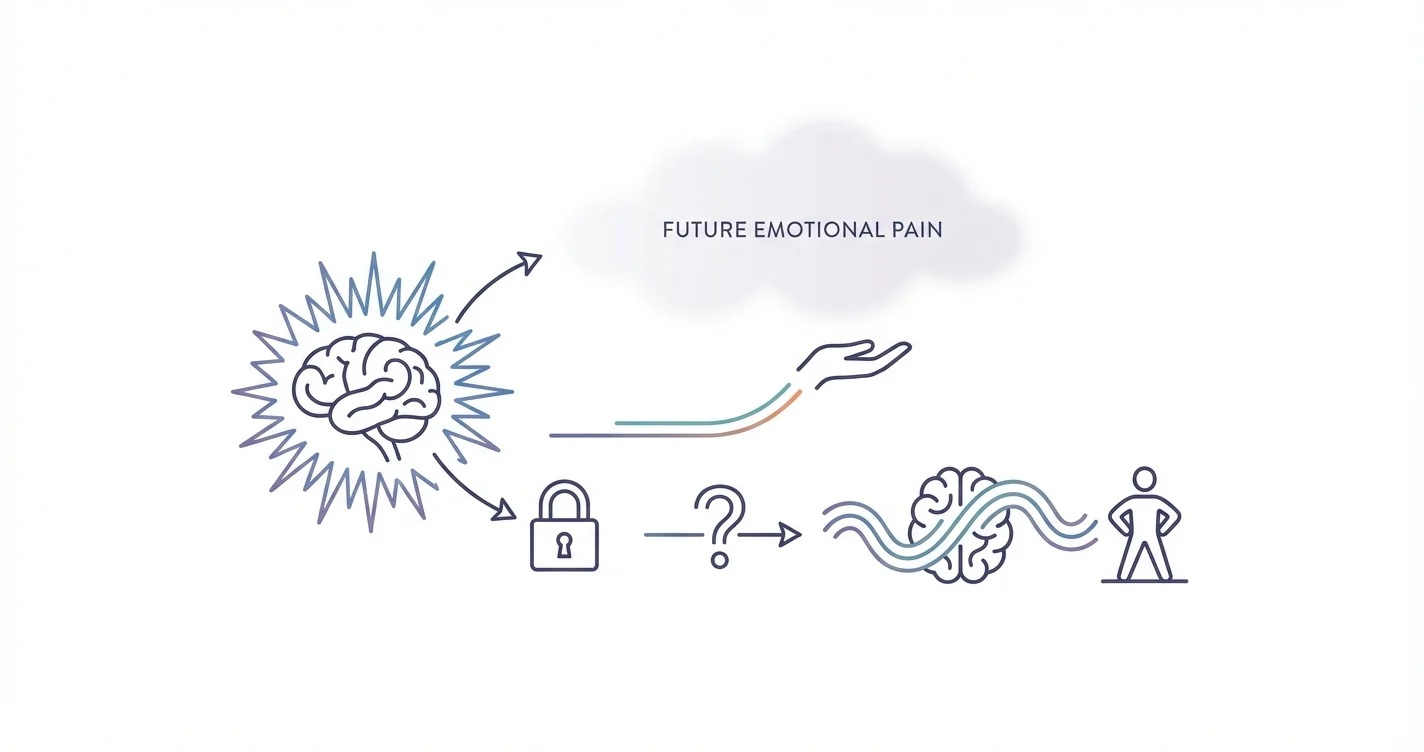
Chronic anxiety often operates through a mechanism that mental health practitioners are increasingly recognizing: the refusal to accept the possibility of...

Key Takeaways
- Catastrophic predictions: Imagining that emotional pain will be overwhelming, permanent, or destroy one's ability to
- Avoidance strategies: Organizing life around preventing situations that might trigger difficult emotions
- Hypervigilance: Constantly monitoring for signs that emotional pain might be approaching
- Control-seeking behaviors: Attempting to manage every variable that could lead to unwanted emotional outcomes
- Emotional numbing: Suppressing all emotions as a way to prevent feeling the difficult ones
Introduction
Chronic anxiety often operates through a mechanism that mental health practitioners are increasingly recognizing: the refusal to accept the possibility of future emotional pain. Rather than simply being an overreaction to potential threats, anxiety frequently serves as a protective barrier attempting to shield us from experiences we believe would be emotionally unbearable. This perspective shifts how we understand persistent anxiety patterns and, more importantly, how we can address them effectively. Research in clinical psychology suggests that this protective function of anxiety, while well-intentioned, often creates more distress than the potential pain it seeks to prevent. This article examines the relationship between chronic anxiety and emotional pain avoidance, drawing on expert insights from mental health practitioners and evidence-based therapeutic approaches.
Understanding Chronic Anxiety as a Protective Mechanism
Chronic anxiety frequently develops not as a malfunction of our emotional systems, but as an adaptive response that has become overactive. When we experience anxiety about future events, relationships, or situations, we're often unconsciously attempting to control or prevent potential emotional pain before it occurs. This protective stance emerges from a fundamental assumption: that future emotional pain would be intolerable or unbearable.
Mental health practitioners observe that this mechanism operates largely outside conscious awareness. The anxious mind continuously scans for potential threats to emotional wellbeing, generating worry, rumination, and avoidance behaviors as preventive measures. Studies indicate that individuals with chronic anxiety often demonstrate heightened sensitivity to potential emotional threats, with their nervous systems responding as though anticipated emotional pain poses an immediate danger.
The paradox lies in anxiety's attempt to protect us from suffering while simultaneously creating its own form of suffering. The constant vigilance, physical tension, and mental exhaustion that accompany chronic anxiety often exceed the discomfort of the emotional experiences we're attempting to avoid. This creates a self-perpetuating cycle where anxiety about potential pain becomes more distressing than the potential pain itself.
The Refusal to Accept Future Emotional Pain
At the core of chronic anxiety as refusal to accept future emotional pain lies a fundamental resistance to uncertainty and vulnerability. This resistance manifests as an implicit belief system: "I cannot handle feeling sad, disappointed, rejected, or hurt." The anxiety then functions as a constant attempt to maintain control over future outcomes, ensuring these unwanted emotional experiences never materialize.
Practitioners working with anxiety note several common patterns in this refusal:
- Catastrophic predictions: Imagining that emotional pain will be overwhelming, permanent, or destroy one's ability to function
- Avoidance strategies: Organizing life around preventing situations that might trigger difficult emotions
- Hypervigilance: Constantly monitoring for signs that emotional pain might be approaching
- Control-seeking behaviors: Attempting to manage every variable that could lead to unwanted emotional outcomes
- Emotional numbing: Suppressing all emotions as a way to prevent feeling the difficult ones
Research in acceptance-based therapies suggests that this refusal creates psychological rigidity. Rather than allowing emotions to flow naturally through their typical cycle—arising, peaking, and subsiding—the refusal to accept potential emotional pain keeps the nervous system in a state of constant alert. This sustained activation contributes to the physical symptoms commonly associated with chronic anxiety: muscle tension, sleep disturbances, digestive issues, and fatigue.
The relationship between anxiety and emotional pain refusal becomes particularly evident in specific life domains. In relationships, someone might experience persistent anxiety about potential rejection or abandonment, leading to either avoidance of intimacy or constant reassurance-seeking. In professional contexts, anxiety about potential failure or criticism might manifest as perfectionism, procrastination, or difficulty making decisions.
Practicing Acceptance of Potential Emotional Pain
Breaking the cycle of chronic anxiety requires cultivating a different relationship with the possibility of future emotional pain. Mental health experts recommend a specific practice that directly addresses this refusal: repeatedly asking yourself, "Can I accept that I might experience emotional pain in the near future?"
This question serves multiple therapeutic functions. First, it brings conscious awareness to the underlying mechanism driving anxiety. Many people experience relief simply from recognizing that their anxiety has been attempting to protect them from anticipated emotional pain. This awareness alone can reduce the intensity of anxious symptoms.
Second, the practice introduces the possibility of acceptance without requiring immediate resolution. The question doesn't demand that you eliminate the potential for emotional pain or that you welcome suffering. It simply inquires whether you can accept the possibility—a much more achievable shift than trying to feel differently about the anxiety itself.
Practitioners suggest implementing this acceptance practice through several approaches:
Regular self-inquiry: When anxiety arises, pause and ask the acceptance question. Notice what happens in your body and mind when you genuinely consider accepting potential emotional pain rather than fighting against its possibility.
Gradual exposure: Start with lower-stakes situations where potential emotional pain feels more manageable. Practice accepting the possibility of minor disappointments or small social awkwardnesses before working up to more significant fears.
Naming the specific fear: Rather than general anxiety, identify the particular emotional pain you're trying to avoid. "Can I accept that this relationship might end and I might feel profound sadness?" This specificity makes the acceptance practice more concrete and effective.
Observing emotional impermanence: Reflect on past experiences of emotional pain that you've survived. Notice that emotions, even intense ones, naturally change and subside over time. This builds confidence in your capacity to tolerate difficult feelings.
Tools like Lovon.app can provide on-demand support for practicing acceptance, offering a space to verbally process anxiety and explore resistance to potential emotional pain. The reflective conversation helps identify specific patterns and provides perspective when anxiety feels overwhelming.
Building Emotional Resilience Through Acceptance
As acceptance of potential emotional pain develops, a fundamental shift occurs in how anxiety operates. Rather than viewing future emotional experiences as catastrophic events requiring prevention, you begin recognizing them as natural, survivable aspects of being human. This shift doesn't eliminate anxiety entirely—anxiety serves legitimate protective functions—but it reduces chronic, excessive anxiety rooted in emotional pain refusal.
Research in resilience suggests that emotional tolerance grows through experience rather than avoidance. Each time you accept the possibility of emotional pain and discover you can tolerate the actual experience if it occurs, your nervous system recalibrates its threat assessment. Situations previously perceived as emotionally dangerous begin registering as uncomfortable but manageable.
This recalibration process takes time and practice. Mental health practitioners emphasize that building emotional resilience isn't about becoming indifferent to pain or developing a "tough it out" mentality. Instead, it involves cultivating a more realistic, compassionate understanding of your emotional capacity. Most people discover they can handle significantly more emotional discomfort than their anxiety suggests.
Several practices support this resilience-building process:
- Mindful observation of emotions: Notice emotions as they arise and change without trying to fix, suppress, or intensify them
- Self-compassion during difficult feelings: Treat yourself with kindness when experiencing emotional pain rather than adding self-criticism
- Staying present: Anxiety often pulls attention toward imagined future pain; practice returning to current moment experience
- Seeking support: Connecting with others during difficult emotions demonstrates that you don't have to handle everything alone
Services like Lovon.app offer accessible support for processing emotions as they arise, helping you stay present with difficult feelings rather than spiraling into anxious predictions. The ability to talk through emotions immediately can prevent the accumulation of suppressed feelings that often intensifies anxiety patterns.
When to Seek Professional Help
While practicing acceptance can significantly reduce chronic anxiety for many people, professional support becomes essential in certain situations. Consider reaching out to a mental health professional if:
- Anxiety significantly impairs daily functioning—affecting work performance, relationships, or self-care
- Physical symptoms of anxiety are severe or concerning (chest pain, difficulty breathing, dizziness)
- Anxiety co-occurs with depression, substance use, or other mental health conditions
- You experience panic attacks or intense episodes of anxiety that feel uncontrollable
- Avoidance behaviors have significantly narrowed your life (avoiding work, social situations, or necessary activities)
- You're having thoughts of self-harm or that life isn't worth living
Therapists specializing in anxiety disorders—particularly those trained in Acceptance and Commitment Therapy (ACT), Cognitive Behavioral Therapy (CBT), or exposure-based approaches—can provide structured support for developing emotional acceptance. Some situations benefit from medication alongside therapy; psychiatrists can evaluate whether medication might support your recovery process.
Professional treatment doesn't replace the acceptance practices described here but rather provides structured guidance and support as you develop new patterns. Many people find that combining professional therapy with self-directed practices and support tools creates the most effective approach.
Conclusion
Understanding chronic anxiety as refusal to accept future emotional pain provides a powerful framework for addressing persistent anxiety patterns. Rather than viewing anxiety as simply irrational or something to eliminate, this perspective recognizes anxiety's protective function while addressing the underlying belief that future emotional pain would be unbearable. The practice of asking "Can I accept that I might experience emotional pain in the near future?" directly targets the mechanism sustaining chronic anxiety, gradually building tolerance for emotional uncertainty. As acceptance develops, anxiety naturally decreases—not because threats disappear, but because the anticipated emotional pain no longer registers as catastrophic. This shift requires patience and practice, but research and clinical experience consistently demonstrate that people can develop significantly greater emotional resilience than their anxiety suggests. Whether through self-directed practices, support tools like Lovon.app, or professional therapy, the path forward involves moving toward emotional experiences rather than constantly defending against them.
Disclaimer: This is general information, not medical advice or diagnosis. If symptoms are severe, affecting your daily life, or you're having thoughts of self-harm — seek professional help. In the US: call or text 988 (Suicide & Crisis Lifeline). For immediate danger: 911 or local emergency services.
How AI Support Helps You Heal
AI emotional support isn't about replacing human connection — it's about filling the gaps. The moments when you need to talk at 2 AM, when you don't want to burden your friends again, or when you simply need someone to listen without judgment.
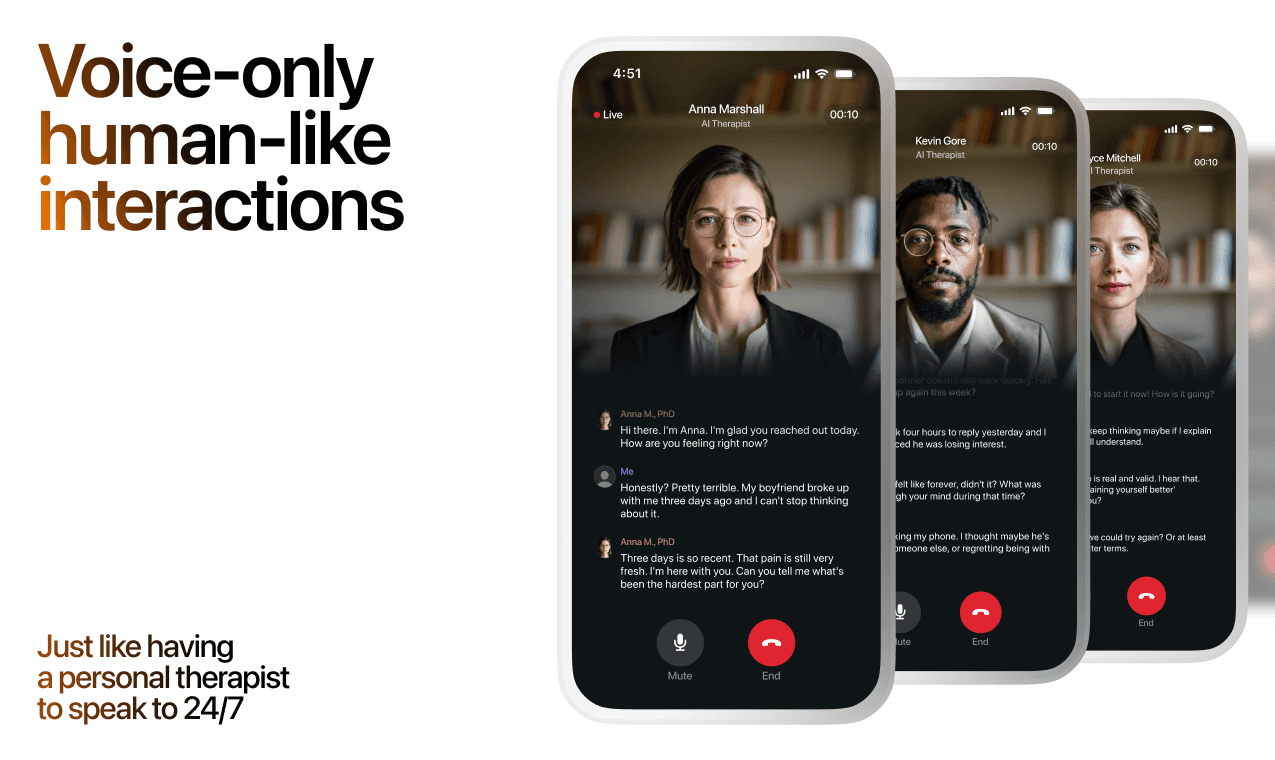
Here's what happens in a typical Lovon session:
You share what's on your mind
There's no script, no intake form, no waiting room. You speak or type whatever you're feeling — in your own words, at your own pace.
Lovon validates and explores
Using frameworks from CBT (Cognitive Behavioral Therapy) and motivational interviewing, Lovon acknowledges your feelings first, then gently helps you explore them. No dismissive "just move on" advice.
You build coping skills together
Lovon doesn't just listen — it actively works with you on evidence-based techniques: thought reframing, urge surfing, behavioral experiments, and more.
What a Session with Lovon Looks Like
When to Seek Professional Help
AI support is a valuable tool, but it's not a replacement for professional care. Please consider reaching out to a licensed therapist if you experience any of the following:
- Persistent thoughts of self-harm or suicide
- Inability to perform daily activities (work, eating, sleeping) for more than 2 weeks
- Turning to alcohol or substances to cope
- Intense anger or desire to harm your ex-partner
- Complete emotional numbness that doesn't improve over time
Crisis Resources (US): If you're in immediate danger, call 988 (Suicide & Crisis Lifeline) or text HOME to 741741 (Crisis Text Line). Available 24/7, free, and confidential.
Outside the US? Find a crisis line in your country
Ready to Start?
Your healing journey can begin right now
A 7-day trial. No judgment. Just a safe space to process what you're going through.
Frequently Asked Questions
Is Lovon a replacement for a real therapist?
Is my conversation with Lovon AI private?
How is Lovon different from ChatGPT for emotional support?
Can I use Lovon if I'm already seeing a therapist?
Can I try Lovon before subscribing?
About the Author

The Lovon Editorial Team
Mental Health & Wellness Content Team
The Lovon Editorial Team develops mental health and wellness content designed to make psychological concepts accessible and actionable. Our goal is to bridge the gap between clinical research and everyday life - helping you understand why your mind works the way it does and what you can do about it....
Related articles
- Doom Scrolling as Dissociation and Trauma Response Rather Than Lack of Willpower
You've done it again—opened your phone for "just a minute" and emerged an hour later, drained and disoriented, wondering…
- ADHD Masking — Long-Term Consequences and Reversal Strategies
ADHD masking—the deliberate suppression or concealment of symptoms to appear neurotypical—often develops as a survival…
- Amygdala and Prefrontal Cortex Partnership in Emotional Regulation
The partnership between the amygdala and prefrontal cortex represents one of the most crucial relationships in your…
- What Is Trauma Dumping and Why People Do It (2026)
Trauma dumping means unloading pain without consent. Learn exactly why it happens, how to recognize it in yourself, and…
See also
Quizzes
- Perfectionism Test: What Are Your Standards Costing?
See what your standards actually cost, in 3 minutes.
- Defense Mechanisms Test: Which Ones Do You Use Most?
See what your defenses do with hard feelings, in 3 minutes.
Free tools
- Write a Letter to Someone You Lost
Tell it who they were to you and what you never got to say, and it writes the letter back in your words. No account, no…
- How to Reassure Your Partner (and When It Stops Helping)
A chat for working out how to reassure your partner when the same worry keeps coming back. Say what sets it off and how…
From the wiki
- Why do I keep dreaming about my ex?
Recurring dreams about an ex usually mean your brain is still consolidating a relationship that took up years of memory…
Disclaimer: This article is for informational purposes only and does not constitute medical advice, diagnosis, or treatment. Always seek the advice of your physician or other qualified health provider with any questions you may have regarding a medical condition. If you are in crisis or think you may have an emergency, call 988 (Suicide & Crisis Lifeline) or go to the nearest emergency room. Outside the US? Find a crisis line in your country.