
What is High-Functioning Loneliness in Successful Women and How to Cope
High-functioning loneliness represents a particularly insidious form of emotional isolation affecting successful women across industries.
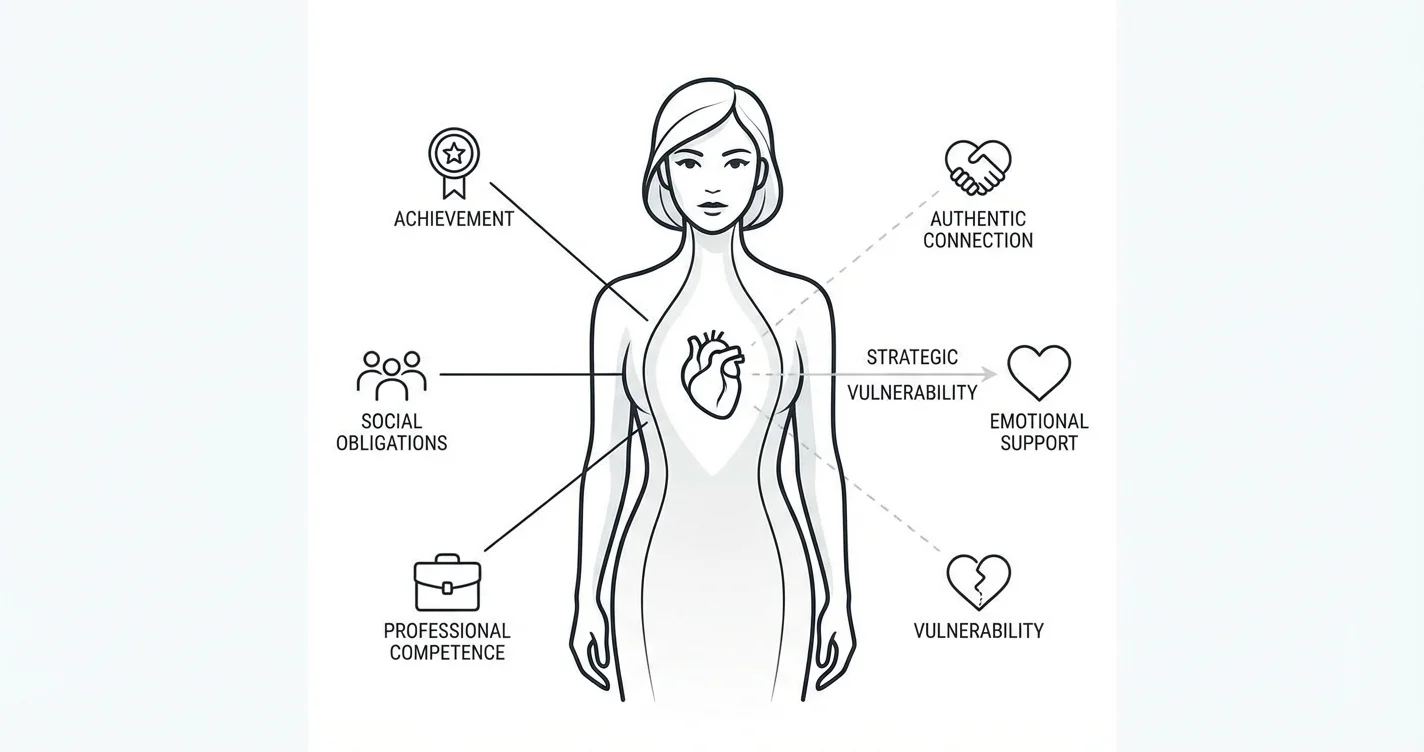

Key Takeaways
- Difficulty revealing vulnerability or asking for support, even in close relationships
- Feeling most comfortable in caretaking or advisory roles with others
- Experiencing relief when alone, yet simultaneously feeling isolated
- Maintaining numerous acquaintances but few relationships involving emotional reciprocity
- Defaulting to problem-solving mode when others share emotions, struggling to simply receive empathy
Introduction
High-functioning loneliness represents a particularly insidious form of emotional isolation affecting successful women across industries. Unlike conventional loneliness that manifests visibly through social withdrawal, this condition hides behind polished presentations, packed schedules, and external markers of achievement. Women experiencing this phenomenon maintain their professional responsibilities, social obligations, and outward composure while simultaneously feeling profoundly disconnected from meaningful emotional support. As of January 2026, mental health practitioners increasingly recognize this pattern among executive women, entrepreneurs, and career-driven professionals who have mastered the art of appearing fine while struggling internally. Understanding how to recognize and address high-functioning loneliness requires examining both its distinctive characteristics and evidence-based approaches for building genuine connection without compromising professional identity.
Understanding High-Functioning Loneliness in Professional Women
High-functioning loneliness differs fundamentally from general loneliness or social isolation. This condition specifically describes emotional disconnection that coexists with apparent success and social engagement. Research indicates that individuals can maintain extensive professional networks, active social calendars, and regular human contact while experiencing profound loneliness related to emotional authenticity and vulnerability.
For successful women, this pattern often develops as an adaptive response to professional environments that reward competence while implicitly discouraging emotional expression. The same qualities that facilitate career advancement—self-reliance, composure under pressure, and consistent performance—can inadvertently create barriers to intimate emotional connection. Over time, this creates a sustained pattern where women become highly skilled at functioning effectively while remaining emotionally isolated.
The condition manifests through what practitioners term "over-functioning"—taking on excessive responsibility, maintaining unwavering availability for others, and perpetually demonstrating capability. This over-functioning serves dual purposes: it reinforces professional identity while simultaneously preventing the vulnerability required for authentic connection. Studies suggest that this pattern becomes self-reinforcing, as the external validation from professional achievement temporarily masks the emotional deficit created by lack of genuine intimacy.
Recognizing Signs of High-Functioning Loneliness
Identifying high-functioning loneliness requires looking beyond surface-level indicators of social connection. Women experiencing this condition rarely present as traditionally lonely—they attend social functions, maintain relationships, and appear engaged. The distinguishing features emerge through more subtle patterns.
One hallmark involves the persistent experience of being unseen despite being visible. Women report feeling that interactions remain at surface level, focused on their accomplishments, responsibilities, or practical support they provide others. A telling indicator that practitioners emphasize: going extended periods—sometimes years—without anyone genuinely asking "how are you really doing?" The absence of this question reflects relationships structured around the woman's functional role rather than her emotional reality.
Additional signs include:
- Difficulty revealing vulnerability or asking for support, even in close relationships
- Feeling most comfortable in caretaking or advisory roles with others
- Experiencing relief when alone, yet simultaneously feeling isolated
- Maintaining numerous acquaintances but few relationships involving emotional reciprocity
- Defaulting to problem-solving mode when others share emotions, struggling to simply receive empathy
- Feeling exhausted by social interactions that require maintaining a composed persona
The exhaustion component deserves particular attention. While social interaction typically provides energy and connection, women with high-functioning loneliness often experience social engagements as performance requiring energy expenditure rather than opportunities for genuine restoration.
High-Functioning Loneliness vs Depression in Career-Driven Women
Distinguishing high-functioning loneliness from depression presents clinical challenges, as the conditions share overlapping features while requiring different approaches. Understanding this distinction matters because treatment strategies differ significantly.
Depression typically involves pervasive changes in mood, motivation, sleep, appetite, and cognitive function that interfere with daily activities. Clinical research defines depression through specific symptom clusters including persistent low mood, anhedonia (loss of pleasure), changes in sleep and appetite, fatigue, difficulty concentrating, and sometimes suicidal ideation. These symptoms occur most of the day, nearly every day, for extended periods.
High-functioning loneliness, conversely, centers specifically on emotional disconnection and lack of authentic relational intimacy. Women experiencing primarily loneliness (without comorbid depression) typically maintain interest and pleasure in activities, consistent energy for work responsibilities, and stable sleep and appetite. Their distress focuses on feeling emotionally unsupported and unable to show vulnerability rather than on pervasive mood changes.
However, research suggests these conditions frequently co-occur. Sustained emotional isolation represents a significant risk factor for developing depression. Women who spend years managing high-functioning loneliness without intervention may eventually develop depressive symptoms as the chronic stress of emotional disconnection accumulates. Some studies indicate that loneliness activates similar neurobiological stress pathways as other chronic stressors, potentially contributing to mood disorder development over time.
Key distinguishing questions include:
- Can you still experience genuine pleasure and interest in activities? (Preserved in loneliness, impaired in depression)
- Do you feel consistently fatigued regardless of sleep? (Suggests depression)
- Does your distress center specifically on lack of emotional connection versus pervasive hopelessness? (Former suggests loneliness, latter suggests depression)
- Has your work performance remained consistent? (Typically maintained longer with loneliness than depression)
Given the overlap and progression risk, women experiencing either condition benefit from professional assessment rather than self-diagnosis. Mental health providers can conduct structured evaluations to determine whether symptoms meet criteria for depressive disorders, adjustment difficulties, or primarily relational concerns requiring different therapeutic approaches.
Evidence-Based Coping Strategies for High-Functioning Loneliness
Addressing high-functioning loneliness requires deliberately counteracting the patterns that maintain emotional isolation. Research on loneliness interventions suggests that effectiveness depends on targeting specific mechanisms rather than simply increasing social contact quantity.
Practicing Strategic Vulnerability
The most critical intervention involves gradually introducing authentic emotional sharing into existing relationships. This doesn't require wholesale personality changes or abandoning professional boundaries—rather, it involves calculated small steps toward showing one's internal experience. Practitioners recommend starting with low-stakes vulnerability: sharing a minor frustration, admitting uncertainty about a decision, or expressing genuine emotion about a situation rather than defaulting to analytical mode.
The process typically feels uncomfortable initially. Women accustomed to maintaining composed self-sufficiency often experience anxiety when revealing difficulty or need. However, research on self-disclosure indicates that appropriate vulnerability typically strengthens rather than weakens relationships, creating opportunities for reciprocal intimacy. Starting with relationships that already demonstrate trustworthiness and emotional capacity increases likelihood of positive response.
Identifying and Restructuring Over-Functioning Patterns
Women experiencing high-functioning loneliness benefit from recognizing where over-functioning prevents reciprocal connection. This involves noticing patterns like consistently offering support without receiving it, automatically solving others' problems rather than providing emotional presence, or maintaining perpetual availability regardless of personal needs.
Restructuring these patterns requires deliberate experimentation with new behaviors:
- Occasionally declining requests that would require overextension
- Asking for specific support before becoming overwhelmed
- Allowing others to witness imperfection or struggle
- Resisting the impulse to immediately fix or advise when others share problems
These adjustments signal to others that the relationship can include emotional reciprocity rather than one-directional support. While initially uncomfortable, this restructuring creates conditions where genuine connection becomes possible.
Seeking Specialized Therapeutic Support
Professional therapeutic support specifically addressing high-functioning loneliness provides structured opportunity to practice vulnerability in a safe context while examining underlying patterns. Therapy approaches particularly relevant to this condition include relational therapy, which focuses explicitly on connection patterns and attachment, and cognitive-behavioral interventions targeting beliefs about emotional expression and self-reliance.
Practitioners working with successful women emphasize programs designed specifically for high-achievers experiencing burnout and disconnection. These specialized approaches understand the particular challenges facing women whose professional identities involve competence and self-sufficiency. Such programs help participants distinguish between healthy self-reliance and defensive isolation, creating pathways toward connection that honor professional capability while addressing emotional needs.
On-demand support tools like Lovon.app provide accessible options for processing emotions and examining relationship patterns between therapy sessions. Having immediate access to talk through experiences as they occur can help women practice articulating emotional experiences rather than defaulting to over-functioning responses. However, such tools work best as complements to rather than replacements for ongoing therapeutic relationships when addressing sustained patterns of disconnection.
Building Sustainable Emotional Connection While Maintaining Professional Identity
A common concern among successful women involves whether addressing loneliness requires abandoning the qualities that facilitate professional achievement. The tension feels real: the self-reliance, emotional control, and consistent competence valued professionally seem incompatible with the vulnerability required for intimate connection.
Research on work-life integration suggests this represents a false dichotomy. Professional competence and emotional authenticity occupy different domains that can coexist with appropriate boundary management. The key involves context-appropriate emotional expression rather than uniform emotional suppression or universal vulnerability.
Sustainable approaches involve:
Differentiating Professional Boundaries from Personal Walls
Professional boundaries appropriately limit emotional disclosure in work contexts while maintaining collaborative effectiveness. Personal walls, conversely, prevent emotional intimacy in relationships explicitly designed for mutual support. Women benefit from examining whether protective patterns appropriately matched to context or uniformly applied across all relationship types.
Cultivating Relationships Based on Emotional Reciprocity
This requires deliberately investing in relationships where both parties share emotional experiences and provide mutual support. Research indicates that relationship quality matters more than quantity for addressing loneliness. A few relationships involving genuine reciprocity provide more protection against isolation than numerous surface-level connections.
Developing Tolerance for Being Known
High-functioning loneliness often reflects discomfort with being truly seen, including one's struggles, uncertainties, and needs. Building sustainable connection requires gradually increasing tolerance for others witnessing one's full humanity rather than only polished capability. This involves repeated small experiences of sharing authentically and receiving acceptance rather than judgment.
Redefining Strength to Include Vulnerability
Many successful women operate with definitions of strength emphasizing unwavering self-sufficiency. Therapeutic work often involves expanding this definition to recognize that acknowledging needs, asking for support, and showing emotion also reflect strength—specifically, the courage to be authentic despite discomfort.
Professional support that understands the specific context of successful women's lives proves particularly valuable here. Approaches designed for high-achieving individuals recognize that addressing emotional isolation doesn't require diminishing professional capability but rather expanding relational capacity to match professional development.
When to Seek Professional Help
While self-directed strategies provide valuable starting points, certain indicators suggest that professional support would significantly benefit addressing high-functioning loneliness. Seeking consultation becomes particularly important when:
- Emotional isolation persists despite efforts to increase connection
- Feelings of disconnection intensify or begin affecting work performance
- Symptoms of depression emerge (persistent low mood, loss of interest, sleep changes, appetite changes)
- Substance use increases as a way to manage loneliness or emotional discomfort
- Physical symptoms like chronic fatigue, headaches, or immune problems develop alongside emotional isolation
- Thoughts of self-harm or feeling life lacks purpose emerge
Mental health professionals specializing in women's issues, high-achiever challenges, or relational therapy bring specific expertise to high-functioning loneliness. Therapists trained in attachment-focused approaches, relational-cultural therapy, or depth-oriented modalities particularly understand the patterns maintaining emotional disconnection in successful women.
Many women find individual therapy combined with carefully selected group experiences particularly effective. Group settings specifically designed for professional women provide opportunities to practice vulnerability with others facing similar challenges while receiving facilitated support for building authentic connection.
Conclusion
High-functioning loneliness in successful women represents emotional isolation masked by external achievement and apparent social engagement. This condition develops when professional environments and personal histories create patterns of over-functioning, emotional self-reliance, and difficulty revealing vulnerability. Unlike visible isolation, high-functioning loneliness allows women to maintain all external responsibilities while experiencing profound internal disconnection. Addressing this pattern requires recognizing its distinctive signs, understanding how it differs from depression while acknowledging overlap, and implementing evidence-based strategies that gradually introduce authentic emotional sharing into relationships. Effective approaches involve practicing strategic vulnerability, restructuring over-functioning patterns, and seeking specialized support that understands the particular challenges facing high-achieving women. Tools like Lovon.app can provide on-demand support for processing emotions and examining patterns as they occur. Ultimately, overcoming high-functioning loneliness doesn't require abandoning professional capability but rather expanding relational capacity to include emotional authenticity alongside competence. With appropriate support and deliberate practice, successful women can build sustainable connections that honor both their achievements and their fundamental human need for genuine intimacy.
Disclaimer: This is general information, not medical advice or diagnosis. If symptoms are severe, affecting your daily life, or you're having thoughts of self-harm — seek professional help. In the US: call or text 988 (Suicide & Crisis Lifeline). For immediate danger: 911 or local emergency services.
How AI Support Helps You Heal
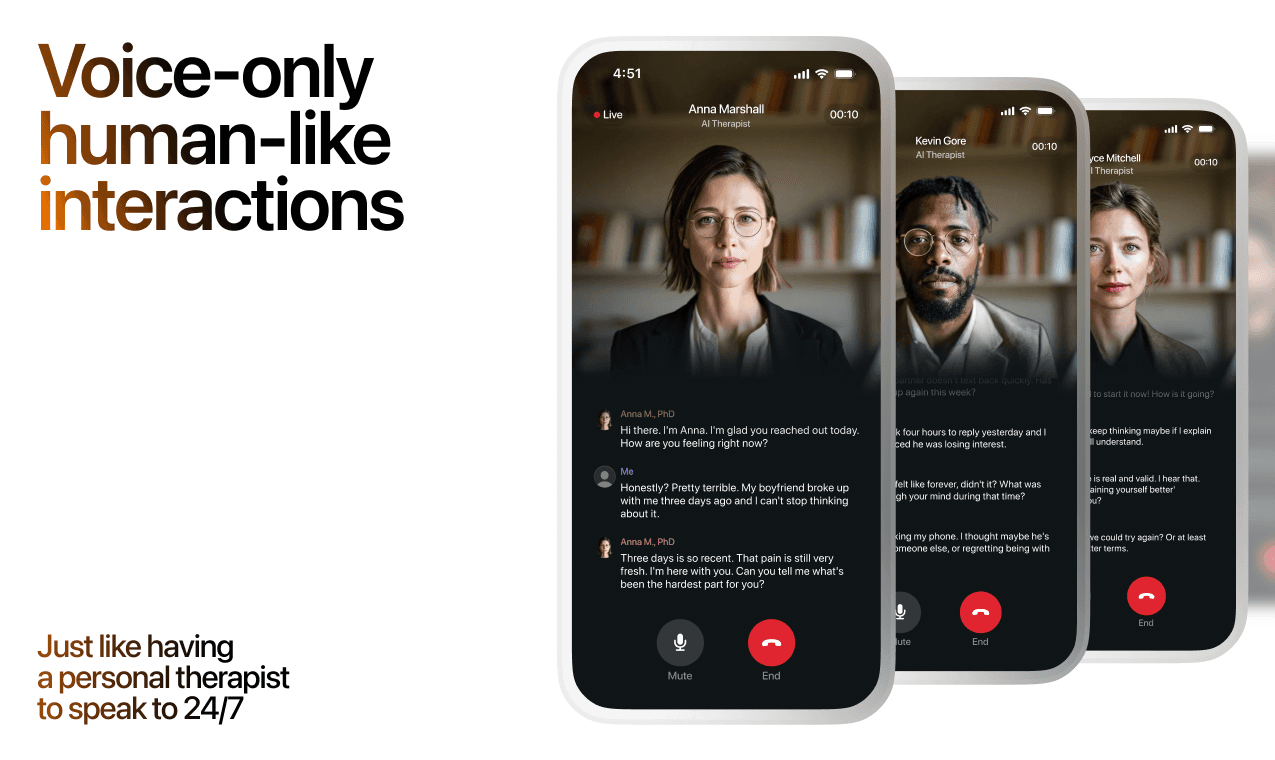
AI emotional support isn't about replacing human connection — it's about filling the gaps. The moments when you need to talk at 2 AM, when you don't want to burden your friends again, or when you simply need someone to listen without judgment.
Here's what happens in a typical Lovon session:
You share what's on your mind
There's no script, no intake form, no waiting room. You speak or type whatever you're feeling — in your own words, at your own pace.
Lovon validates and explores
Using frameworks from CBT (Cognitive Behavioral Therapy) and motivational interviewing, Lovon acknowledges your feelings first, then gently helps you explore them. No dismissive "just move on" advice.
You build coping skills together
Lovon doesn't just listen — it actively works with you on evidence-based techniques: thought reframing, urge surfing, behavioral experiments, and more.
What a Session with Lovon Looks Like
When to Seek Professional Help
AI support is a valuable tool, but it's not a replacement for professional care. Please consider reaching out to a licensed therapist if you experience any of the following:
- Persistent thoughts of self-harm or suicide
- Inability to perform daily activities (work, eating, sleeping) for more than 2 weeks
- Turning to alcohol or substances to cope
- Intense anger or desire to harm your ex-partner
- Complete emotional numbness that doesn't improve over time
Crisis Resources (US): If you're in immediate danger, call 988 (Suicide & Crisis Lifeline) or text HOME to 741741 (Crisis Text Line). Available 24/7, free, and confidential.
Outside the US? Find a crisis line in your country
Ready to Start?
Your healing journey can begin right now
A 7-day trial. No judgment. Just a safe space to process what you're going through.
Frequently Asked Questions
Is Lovon a replacement for a real therapist?
Is my conversation with Lovon AI private?
How is Lovon different from ChatGPT for emotional support?
Can I use Lovon if I'm already seeing a therapist?
Can I try Lovon before subscribing?
About the Author

The Lovon Editorial Team
Mental Health & Wellness Content Team
The Lovon Editorial Team develops mental health and wellness content designed to make psychological concepts accessible and actionable. Our goal is to bridge the gap between clinical research and everyday life - helping you understand why your mind works the way it does and what you can do about it....
Related articles
- ADHD — Emotional Costs of Undiagnosed Cases Including Rejection Sensitivity Dysphoria and Chronic Loneliness
Living with undiagnosed ADHD creates an invisible emotional burden that extends far beyond difficulty focusing or…
- CPTSD — Affect Regulation Difficulties and Self-Concept Disturbances Beyond PTSD
Complex Post-Traumatic Stress Disorder (CPTSD) represents a significant expansion beyond traditional PTSD, characterized…
- Mental Health Support for Remote Workers: 2026 Guide
Mental health support for remote workers in 2026: boundary tactics, burnout vs depression signs, and when an AI voice…
- Major Depressive Disorder vs Persistent Depressive Disorder
When struggling with prolonged sadness or emotional difficulty, understanding what you're experiencing can feel…
See also
Quizzes
- Guilt Test: Is Your Guilt Doing Its Job?
See whether your guilt repairs or just hurts.
- Highly Sensitive Person Test: How Much Do You Take In?
See how deeply you process, notice and get overloaded.
Free tools
- What to Say to Someone Who Is Grieving
Get sentences that fit this person and this week, not a list of things people say at funerals. Describe who they lost…
- Family Boundary Plan
Pick the person, the one topic, and how much you want to see them. You get a three-rung ladder, the guilt lines to…
From the wiki
- Why do I have no friends?
Usually nothing is wrong with you. Adult friendship runs on proximity and repetition, and most people lose both at once…
Disclaimer: This article is for informational purposes only and does not constitute medical advice, diagnosis, or treatment. Always seek the advice of your physician or other qualified health provider with any questions you may have regarding a medical condition. If you are in crisis or think you may have an emergency, call 988 (Suicide & Crisis Lifeline) or go to the nearest emergency room. Outside the US? Find a crisis line in your country.