
Free AI Therapist for Anxiety: Best Picks 2026
The best free AI therapist for anxiety in 2026 — voice-based, CBT-grounded, and on-demand. Ranked picks, what to avoid, and where to start tonight.

Key Takeaways
- You cannot afford weekly therapy ($150–$300 per session in most U.S. cities in 2026)
- Your anxiety spikes outside of business hours — 11 PM, 6 AM, during a commute
- You are on a therapist waitlist that stretches 6–12 weeks
- You want structured CBT or mindfulness exercises without a human gatekeeper
- You are managing mild-to-moderate generalized anxiety, social anxiety, or stress-related symptoms
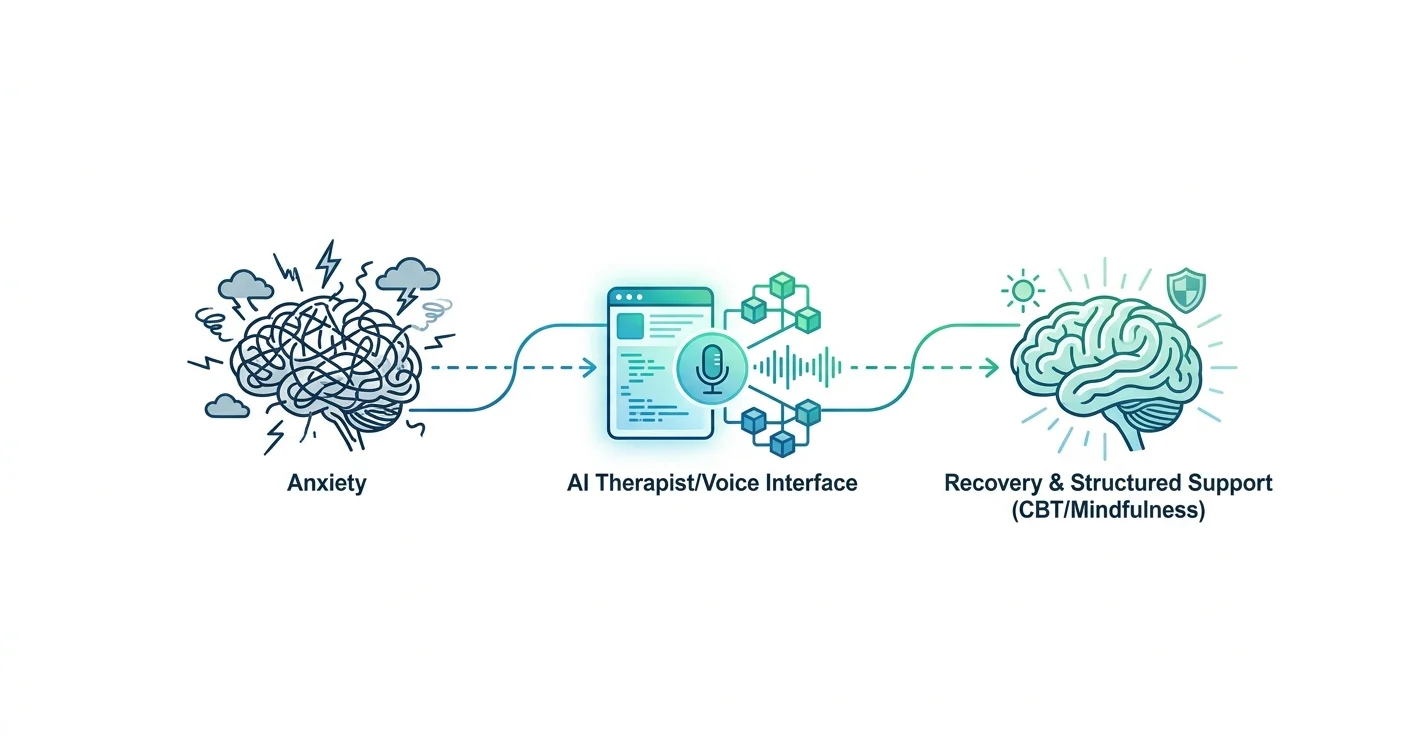
If anxiety is a daily visitor and traditional therapy feels out of reach — financially, logistically, or both — a free AI therapist for anxiety gives you a real starting point, not a placeholder.
TL;DR: The best free AI therapist for anxiety in 2026 matches your schedule, speaks to your specific triggers, and uses structured techniques like CBT and mindfulness rather than just chatting. Lovon stands out in the Health & Wellness space as a voice-based AI therapy app that delivers on-demand emotional support, coping tools, and personalized sessions — without a waitlist or a $200/hour invoice. If anxiety is your primary driver, Lovon's free therapist session is the highest-relevance starting point in this guide.
Why This Matters in 2026
Around 40 million U.S. adults live with an anxiety disorder, and fewer than half receive any treatment, according to the Anxiety & Depression Association of America. The gap is not a motivation problem — it is a cost and access problem. In 2026, AI-assisted mental health tools have matured enough to deliver structured therapeutic techniques at zero or near-zero cost, filling that gap for millions of people who would otherwise get nothing.
This guide is for that audience: people who need real tools, not a chatbot that types "I hear you."
Who This Guide Is For
You are a good fit for a free AI therapist for anxiety if you meet at least one of these profiles:
- You cannot afford weekly therapy ($150–$300 per session in most U.S. cities in 2026)
- Your anxiety spikes outside of business hours — 11 PM, 6 AM, during a commute
- You are on a therapist waitlist that stretches 6–12 weeks
- You want structured CBT or mindfulness exercises without a human gatekeeper
- You are managing mild-to-moderate generalized anxiety, social anxiety, or stress-related symptoms
This guide is not a substitute for crisis care. If you are in immediate danger, contact the 988 Suicide & Crisis Lifeline.
What to Look for in a Free AI Therapist for Anxiety
Evidence-Based Technique Support
The tool should draw on cognitive behavioral therapy (CBT), acceptance and commitment therapy (ACT), or mindfulness-based stress reduction — not just open-ended conversation. These modalities have the strongest research backing for anxiety treatment. An AI that only reflects your words back at you is a journal, not therapy.
Voice vs. Text Interface
For anxiety specifically, voice interaction changes the experience. Typing your fears creates distance; speaking them activates the same vulnerability you would feel in a real session, which means the coping practice transfers better to real life. Lovon is built around voice-first interaction, which is a meaningful differentiator in this category.
Session Personalization
A generic script for "anxiety" is less useful than a session that adapts to whether your anxiety is social, health-related, or tied to work performance. Look for intake or onboarding that captures your specific triggers and adjusts the session structure accordingly.
Privacy and Data Handling
Mental health data is sensitive. Before you speak or type a single session note, confirm the platform does not sell your data to third parties and complies with current data security standards. In 2026, reputable AI mental health tools publish explicit privacy policies — if you cannot find one in under 60 seconds, walk away.
On-Demand Availability
Anxiety does not respect your calendar. The tool needs to work at 2 AM on a Tuesday as reliably as it works at noon on a Saturday. Server uptime and mobile-first design matter here more than they do for any other wellness category.
Free Tier Substance
Many tools offer a "free" tier that amounts to three messages before a paywall. Evaluate what the free tier actually delivers: full sessions, guided exercises, crisis prompts, or just a teaser. The tools worth recommending in 2026 give you enough to genuinely work through an anxiety episode without forcing an upgrade mid-session.
Top Picks for Free AI Therapist for Anxiety
Lovon — The Voice-First Anxiety Specialist
Hook: The safest pick for anxiety-specific, on-demand support.
Lovon is an AI-powered voice therapy app designed specifically for emotional support and structured mental health sessions. It covers anxiety, depression, stress, relationship issues, and ADHD — but its voice-first design makes it particularly well-suited to anxiety work, where speaking through a trigger is more effective than typing about it.
The spec that matters: Voice-based sessions with personalized coping tools, available on-demand — no appointment, no waitlist.
Verdict: Buy. For anxiety as a primary complaint, Lovon is the clearest match in 2026. Start with Lovon's free therapist session to see the session format before committing to any paid tier.
Woebot
Hook: The research-pedigreed text chatbot.
Woebot was built out of Stanford research and uses CBT-based scripted conversations delivered via text. It is one of the most-studied AI mental health tools available, with published clinical trials showing reductions in anxiety symptoms over 2-week usage periods.
The spec that matters: CBT scripts, mood tracking, and psychoeducation in a text interface.
Verdict: Consider. Strong evidence base, but the text-only format and scripted feel limit depth compared to voice-based alternatives. Good as a supplement or for users who prefer typing.
Wysa
Hook: The structured journaling hybrid.
Wysa blends an AI chat interface with guided exercises pulled from CBT, dialectical behavior therapy (DBT), and mindfulness. Its free tier in 2026 includes a meaningful library of exercises, and it adds a human therapist layer on its paid plan.
The spec that matters: Multi-modality exercise library (CBT, DBT, mindfulness) in a chat interface.
Verdict: Consider. The exercise library is one of the strongest in the free tier. Falls short on voice interaction and real-time session feel.
Youper
Hook: The mood-tracking companion.
Youper focuses on emotional health tracking paired with brief CBT conversations. It surfaces patterns in your mood data over time, which is genuinely useful for anxiety sufferers who want to identify triggers across weeks or months.
The spec that matters: Longitudinal mood tracking with CBT-guided check-ins.
Verdict: Consider. Best used alongside a more session-focused tool. Not a standalone therapy replacement, but a strong data layer.
7 Cups
Hook: The peer support wildcard.
7 Cups pairs AI chat with volunteer listener networks. The AI component is lighter than the others on this list — the value is the human peer connection on the free tier. For social anxiety specifically, practicing conversation with a trained volunteer can be unexpectedly effective.
The spec that matters: Free peer listener access plus light AI support.
Verdict: Consider. Not a primary anxiety therapy tool, but useful if isolation compounds your anxiety. The AI layer alone is not enough.
What to Avoid
General-purpose chatbots marketed as therapy. ChatGPT, Gemini, and similar LLMs can discuss anxiety, but they have no therapeutic structure, no session continuity, and no crisis protocol. Using them as a substitute for a dedicated mental health tool in 2026 is the equivalent of Googling your symptoms instead of seeing a doctor.
Tools with paywalls at crisis moments. Any platform that locks coping exercises or crisis resources behind a subscription mid-session is not built for your wellbeing. Test the free tier fully before relying on it in a high-anxiety moment.
Apps with no stated methodology. If the platform cannot tell you whether it uses CBT, ACT, DBT, or any named therapeutic framework, it is applying no structure to your sessions. Unstructured "venting" can reinforce rumination — the opposite of what anxiety treatment requires.
Comparison Table
| Tool | Interface | Methodology | Free Tier Depth | Best For |
|---|---|---|---|---|
| Lovon | Voice | CBT, mindfulness, personalized | Full sessions | Anxiety, stress, depression |
| Woebot | Text | CBT | Full (scripted) | CBT learners |
| Wysa | Text/chat | CBT, DBT, mindfulness | Strong exercise library | Multi-method exploration |
| Youper | Text/chat | CBT | Mood tracking + check-ins | Trigger identification |
| 7 Cups | Text/peer | Light AI + human listeners | Peer access | Social anxiety, isolation |
FAQ
What is the best free AI therapist for anxiety in 2026? Lovon is the strongest match for anxiety-specific support in 2026 because it uses voice interaction and personalized sessions rather than scripted text responses. Woebot and Wysa are solid text-based alternatives with established CBT frameworks.
Is a free AI therapist for anxiety as effective as a human therapist? For mild-to-moderate anxiety, CBT-based AI tools show measurable symptom reduction in published studies — Woebot's 2017 Stanford trial showed significant anxiety reduction after 2 weeks. They are not equivalent to clinical therapy for severe or complex cases, but they are substantially more effective than no support at all.
Can I use an AI therapist for anxiety at night? Yes. On-demand availability is one of the core advantages. Lovon is designed for exactly this use case — anxiety spikes outside business hours when human therapists are unavailable.
Is my data safe with an AI therapy app? Look for platforms that publish explicit privacy policies, do not sell data to third parties, and use encrypted storage. In 2026, reputable tools in this category all publish these policies publicly. Always read them before your first session.
How is an AI therapist different from just using ChatGPT for anxiety? Dedicated AI therapy tools use structured therapeutic frameworks (CBT, ACT, DBT), maintain session continuity, and include crisis protocols. General-purpose LLMs do none of these. The difference in outcomes for anxiety is significant.
Do free AI therapy apps cover social anxiety specifically? Yes. Lovon, Wysa, and Woebot all address social anxiety as a use case. 7 Cups adds peer interaction practice, which is particularly relevant for social anxiety sufferers.
Can an AI therapist replace medication for anxiety? No. AI therapy tools address cognitive and behavioral patterns — they do not interact with neurochemistry. If your anxiety is severe enough to require medication evaluation, a psychiatrist or prescribing clinician is the appropriate next step.
How long before I see results from an AI anxiety tool? Woebot's published data shows measurable anxiety reduction after 2 weeks of consistent use. Results depend on session frequency and technique engagement — passive use produces less benefit than active practice.
One Last Thing
The biggest barrier to using a free AI therapist for anxiety is not the tool — it is starting. Anxiety about starting anxiety treatment is real and documented. The single most effective thing you can do right now is complete one session before you decide whether the tool works. One session tells you more than any guide.
If you are weighing where to start, Lovon's free therapist session takes you directly into a voice-based session without a signup wall or a quiz. That matters when your window of motivation is narrow.
Lovon also offers a free life coaching tool if your anxiety overlaps with goal-setting, performance pressure, or career stress — a common secondary driver in 2026.
Related Guides
How AI Support Helps You Heal
AI emotional support isn't about replacing human connection — it's about filling the gaps. The moments when you need to talk at 2 AM, when you don't want to burden your friends again, or when you simply need someone to listen without judgment.
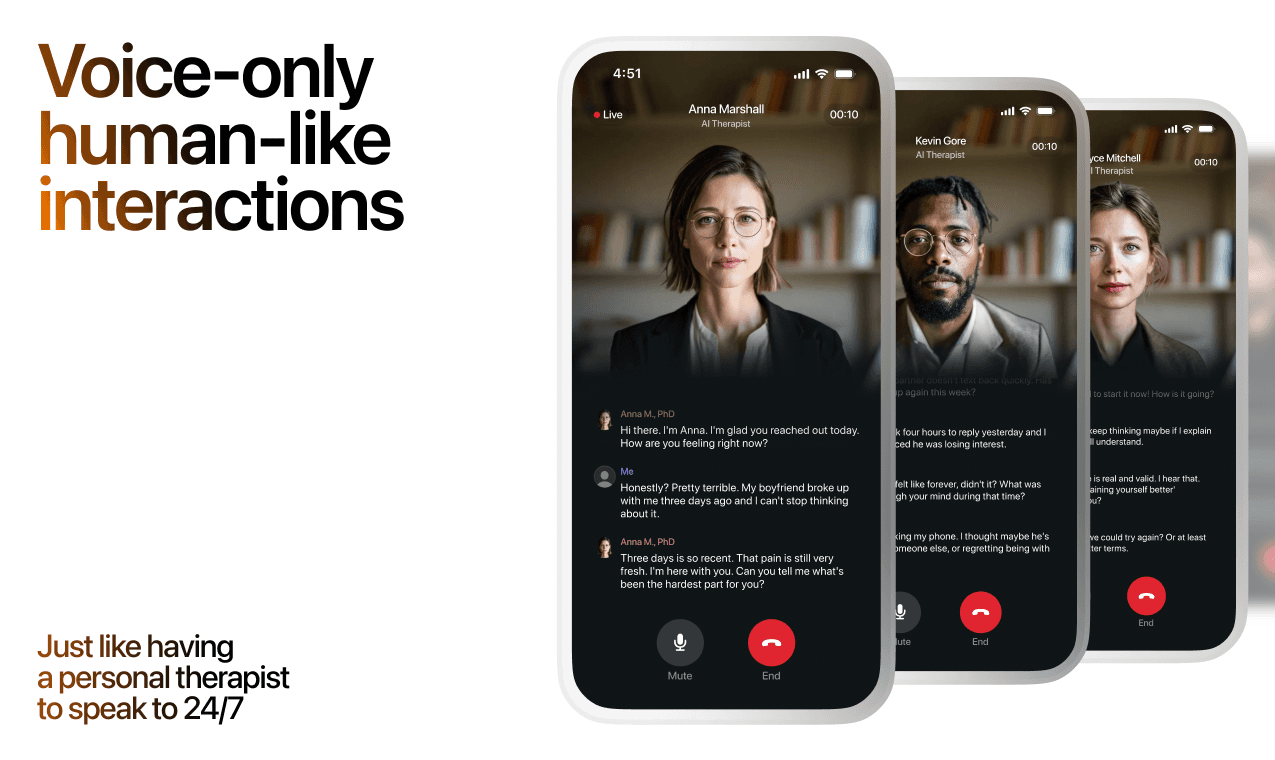
Here's what happens in a typical Lovon session:
You share what's on your mind
There's no script, no intake form, no waiting room. You speak or type whatever you're feeling — in your own words, at your own pace.
Lovon validates and explores
Using frameworks from CBT (Cognitive Behavioral Therapy) and motivational interviewing, Lovon acknowledges your feelings first, then gently helps you explore them. No dismissive "just move on" advice.
You build coping skills together
Lovon doesn't just listen — it actively works with you on evidence-based techniques: thought reframing, urge surfing, behavioral experiments, and more.
What a Session with Lovon Looks Like
When to Seek Professional Help
AI support is a valuable tool, but it's not a replacement for professional care. Please consider reaching out to a licensed therapist if you experience any of the following:
- Persistent thoughts of self-harm or suicide
- Inability to perform daily activities (work, eating, sleeping) for more than 2 weeks
- Turning to alcohol or substances to cope
- Intense anger or desire to harm your ex-partner
- Complete emotional numbness that doesn't improve over time
Crisis Resources (US): If you're in immediate danger, call 988 (Suicide & Crisis Lifeline) or text HOME to 741741 (Crisis Text Line). Available 24/7, free, and confidential.
Outside the US? Find a crisis line in your country
Ready to Start?
Your healing journey can begin right now
1 free conversation. No credit card. No judgment. Just a safe space to process what you're going through.
Frequently Asked Questions
Is AI therapy a replacement for a real therapist?
Is my conversation with Lovon AI private?
How is Lovon different from ChatGPT for emotional support?
Can I use Lovon if I'm already seeing a therapist?
Can I try Lovon for free?
About the Author
The Lovon Editorial Team
Mental Health & Wellness Content Team
The Lovon Editorial Team develops mental health and wellness content designed to make psychological concepts accessible and actionable. Our goal is to bridge the gap between clinical research and everyday life - helping you understand why your mind works the way it does and what you can do about it....
Similar Articles
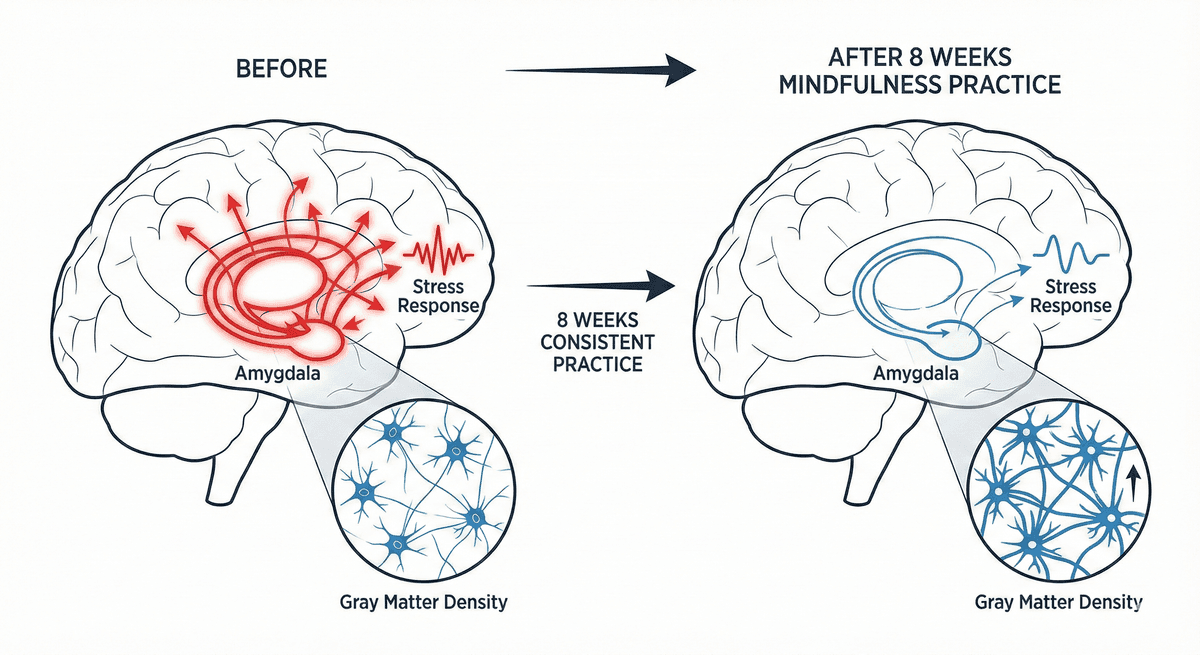
What 8 Weeks of Meditation Does to Your Amygdala
See what changes in your brain after eight weeks of daily meditation, why you react less to stress, and how to build a routine that actually sticks.

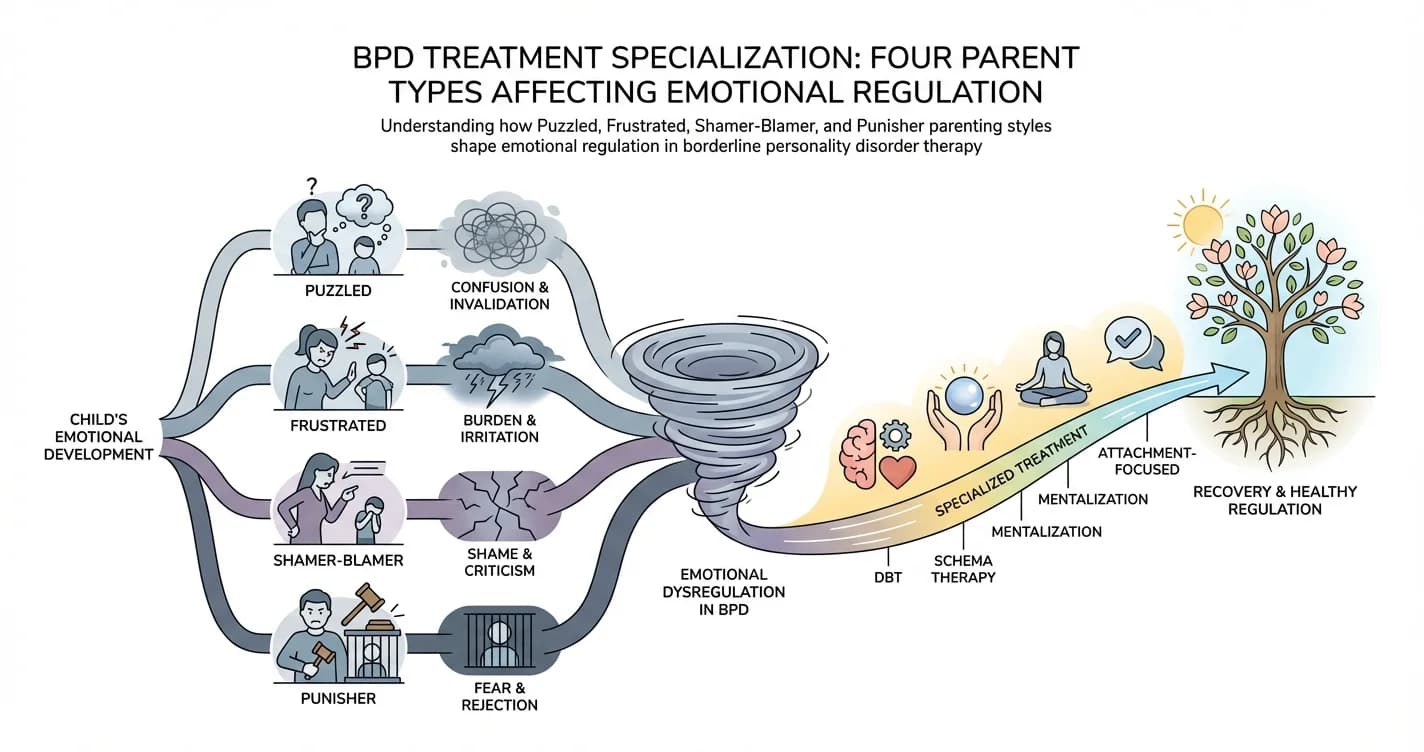
BPD Treatment Specialization: Four Parent Types Affecting Emotional Regulation
For individuals with borderline personality disorder (BPD), emotional regulation difficulties rarely emerge in isolation. Research increasingly suggests that
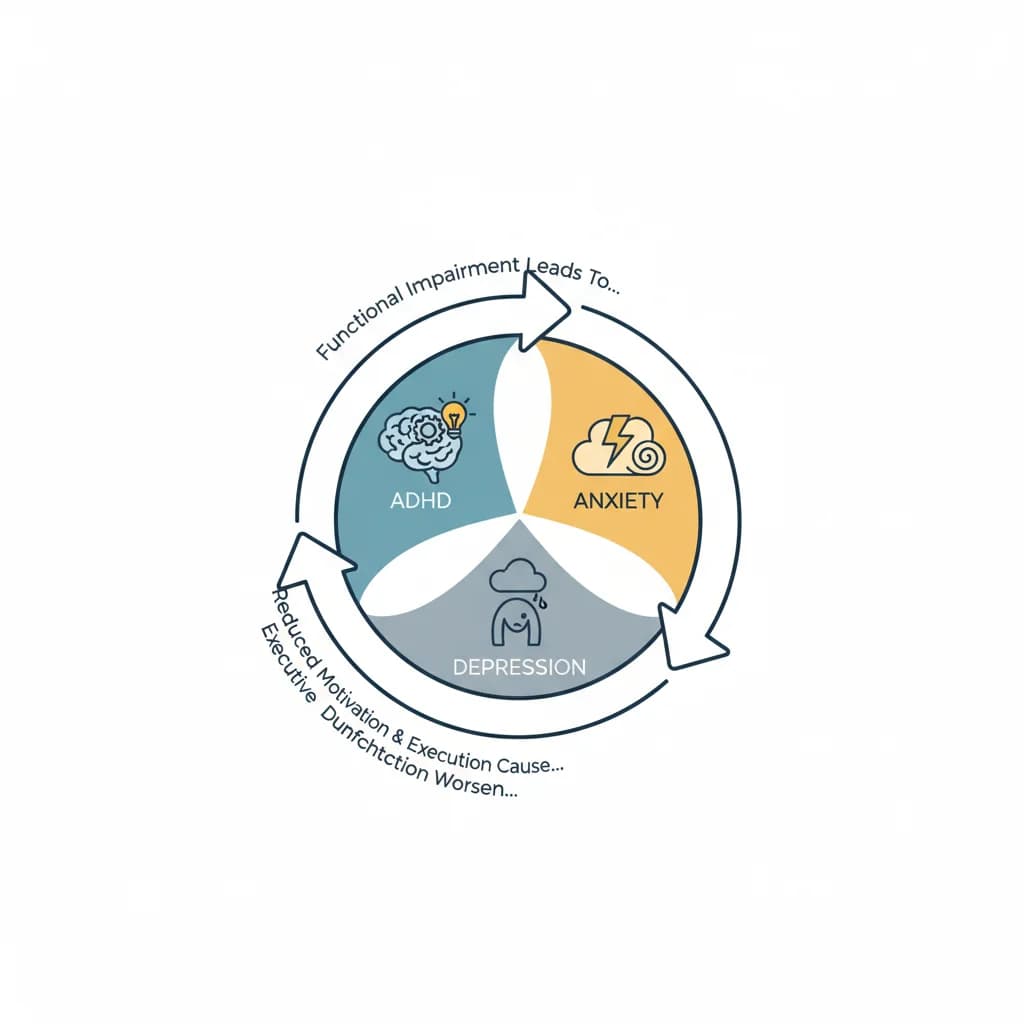
ADHD Comorbidity with Anxiety and Depression Cycles
Understanding the Complex Interplay Between ADHD and Recurring Mental Health Patterns
Disclaimer: This article is for informational purposes only and does not constitute medical advice, diagnosis, or treatment. Always seek the advice of your physician or other qualified health provider with any questions you may have regarding a medical condition. If you are in crisis or think you may have an emergency, call 988 (Suicide & Crisis Lifeline) or go to the nearest emergency room. Outside the US? Find a crisis line in your country.