
Prefrontal Cortex Strengthening for Better Decision-Making
The prefrontal cortex (PFC) governs some of our most distinctly human capabilities: planning ahead, managing impulses, regulating emotions, and making...

Key Takeaways
- N-back tasks: Remembering items presented several steps back in a sequence (visual or auditory)
- Mental arithmetic: Performing calculations without external aids, progressively increasing complexity
- Dual-tasking exercises: Maintaining one task in mind while completing another, then switching back
- Go/No-Go tasks: Responding to certain stimuli while withholding response to others, requiring rapid inhibition
- Stroop-like exercises: Processing conflicting information (like reading color words printed in different colors)
Introduction
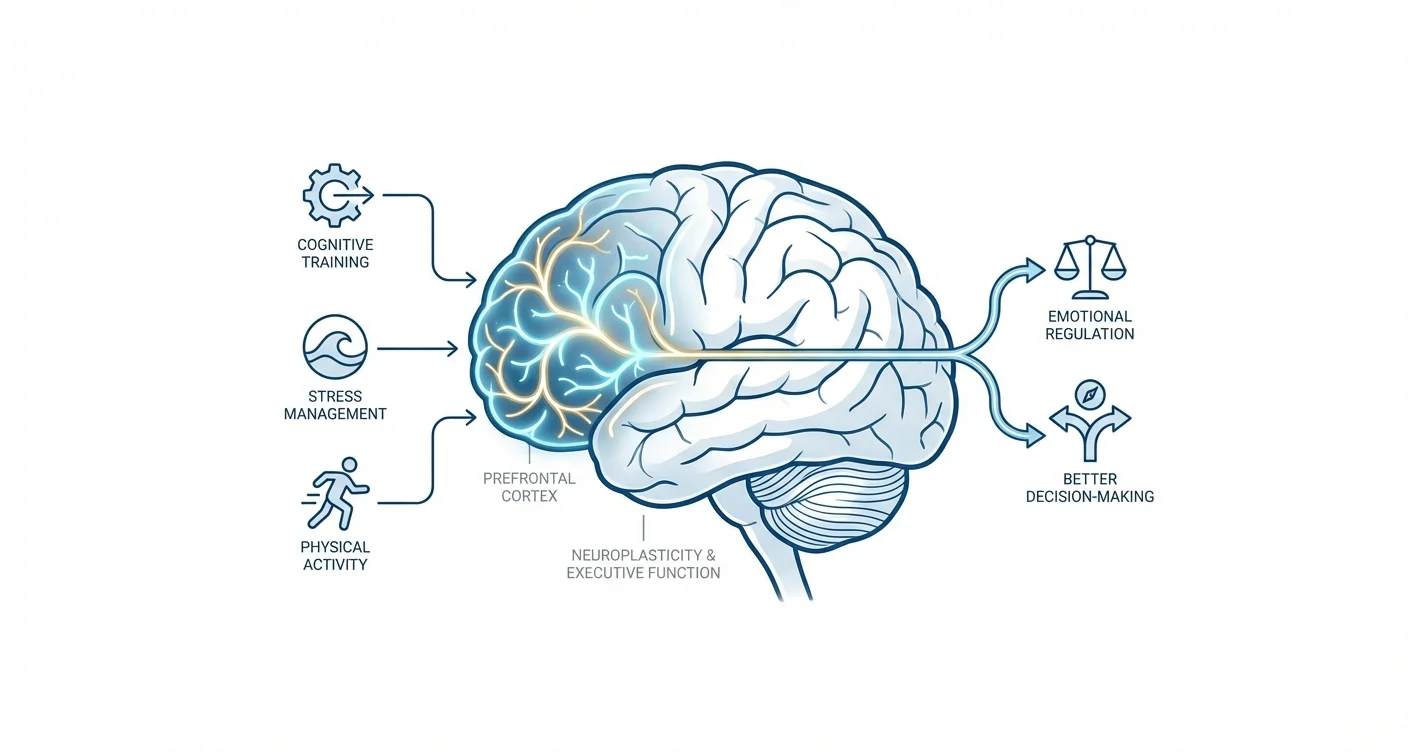
The prefrontal cortex (PFC) governs some of our most distinctly human capabilities: planning ahead, managing impulses, regulating emotions, and making thoughtful decisions. When this region functions optimally, we navigate complex situations with clarity and self-control. When it's overwhelmed or undertrained, we may struggle with distraction, impulsivity, and emotional reactivity. Prefrontal cortex strengthening is not about making your brain larger—it's about building functional capacity through targeted cognitive and behavioral practices that enhance neural connectivity and efficiency. As of January 2026, neuroscience research continues to reveal that the PFC remains remarkably plastic throughout adulthood, meaning it can be strengthened at virtually any age. This article explores evidence-based approaches to PFC strengthening, drawing on current understanding of neuroplasticity and practical applications that can be integrated into daily life.
Understanding Prefrontal Cortex Function and Neuroplasticity
The prefrontal cortex occupies the front portion of the frontal lobes and coordinates what neuroscientists call executive functions. These include working memory (holding information temporarily while manipulating it), cognitive flexibility (shifting between tasks or perspectives), and inhibitory control (suppressing automatic responses in favor of goal-directed behavior). Research suggests that PFC activity can be observed when someone delays gratification, reframes a negative thought, or resists a habitual response.
Neuroplasticity—the brain's ability to reorganize itself by forming new neural connections—underlies all prefrontal cortex strengthening efforts. Studies indicate that repeated engagement of specific cognitive processes appears to strengthen the neural pathways supporting those processes. When you consistently practice a skill that requires PFC activation, such as sustained attention or emotional reappraisal, the associated networks may become more efficient over time.
The PFC doesn't work in isolation. It maintains extensive connections with regions involved in emotion (like the amygdala), memory (like the hippocampus), and sensory processing. Strengthening prefrontal cortex function often involves improving the coordination between these regions—essentially teaching the PFC to exert more effective top-down regulation over automatic emotional and behavioral responses.
Core Exercises for Prefrontal Cortex Strengthening
Several categories of activities have been associated with enhanced PFC function in research literature. These exercises target different aspects of executive function and can be adapted to various skill levels.
Working Memory Training
Working memory tasks require you to hold and manipulate information mentally. Examples include:
- N-back tasks: Remembering items presented several steps back in a sequence (visual or auditory)
- Mental arithmetic: Performing calculations without external aids, progressively increasing complexity
- Dual-tasking exercises: Maintaining one task in mind while completing another, then switching back
Some research suggests that consistent working memory practice may improve not just the trained tasks but general executive function, though findings vary regarding transfer effects. The key appears to be progressive challenge—starting at a manageable difficulty level and gradually increasing demands as performance improves.
Inhibitory Control Practice
Strengthening the ability to suppress automatic responses and delay gratification involves:
- Go/No-Go tasks: Responding to certain stimuli while withholding response to others, requiring rapid inhibition
- Stroop-like exercises: Processing conflicting information (like reading color words printed in different colors)
- Impulse delay practices: Deliberately waiting before acting on urges, starting with small delays and extending them
These exercises train what researchers call "response inhibition"—the capacity to interrupt an automatic or prepotent response. This capability underlies everything from resisting unhealthy food to pausing before speaking in anger.
Cognitive Flexibility Development
Flexibility exercises help strengthen the PFC's ability to shift perspectives and adapt strategies:
- Task-switching drills: Alternating between different types of problems or rules
- Perspective-taking exercises: Deliberately considering situations from multiple viewpoints
- Creative problem-solving: Generating multiple solutions to open-ended problems
Studies indicate that cognitive flexibility may be particularly important for emotional regulation, as it enables reframing difficult situations and considering alternative interpretations of events.
Practical Lifestyle Approaches to PFC Strengthening
Beyond structured exercises, several lifestyle factors appear to support prefrontal cortex strengthening through mechanisms involving neuroplasticity, inflammation reduction, and metabolic support.
Aerobic Exercise and Physical Activity
Research consistently associates regular aerobic exercise with improved executive function. Physical activity appears to increase blood flow to the prefrontal cortex, promote neurogenesis in connected regions, and stimulate the release of brain-derived neurotrophic factor (BDNF), a protein that supports neural health and plasticity.
Moderate-intensity aerobic exercise performed regularly may be particularly beneficial. Activities like brisk walking, cycling, swimming, or dancing require sustained effort without excessive strain. Some studies suggest that exercise requiring coordination or complex movement patterns may offer additional cognitive benefits by engaging multiple brain systems simultaneously.
Sleep Optimization
The PFC is notably vulnerable to sleep deprivation. Even modest sleep restriction appears to impair PFC-dependent functions like attention, working memory, and emotional regulation. During sleep, the brain consolidates learning, clears metabolic waste, and restores neurotransmitter systems that support executive function.
Strategies that may support sleep quality include:
- Maintaining consistent sleep and wake times, including weekends
- Limiting bright light exposure in the evening hours
- Creating a cool, dark, quiet sleep environment
- Avoiding stimulants in the latter part of the day
For individuals experiencing persistent sleep difficulties, working with a healthcare provider can help identify underlying issues and appropriate interventions.
Stress Management and Emotional Regulation
Chronic stress appears to impair PFC function while strengthening circuits involved in habitual and emotional responses. High levels of stress hormones are associated with reduced PFC activity and impaired executive function. This creates a challenging cycle: stress undermines the very cognitive abilities needed to manage stress effectively.
Practices that may help break this cycle include:
- Mindfulness meditation: Regular meditation practice has been associated with structural changes in the PFC and improved attention regulation
- Cognitive reappraisal: Deliberately reframing stressful situations to change their emotional impact
- Regular decompression: Building in recovery time between demanding activities
- Supportive conversations: Processing emotional experiences through talking, whether with friends, therapists, or accessible resources like Lovon.app, which offers on-demand voice-based emotional processing
When stress becomes overwhelming, talking through experiences can help engage reflective rather than purely reactive processing. Tools like Lovon.app provide immediate access to structured conversation that supports emotional regulation and perspective-taking—both PFC-dependent functions.
Nutritional Considerations
While no specific diet has been proven to directly strengthen the prefrontal cortex, certain nutritional factors appear to support brain health generally:
- Omega-3 fatty acids are associated with neural membrane health and may support cognitive function
- Antioxidant-rich foods may help reduce oxidative stress that can impair neural function
- Adequate hydration supports overall brain metabolism
- Blood sugar stability may help maintain consistent cognitive performance
Any significant dietary changes or supplementation should be discussed with a healthcare provider to ensure appropriateness for individual health conditions and needs.
Advanced Strategies for Prefrontal Cortex Strengthening
For individuals seeking to maximize PFC development, several advanced approaches integrate multiple strengthening mechanisms.
Metacognitive Training
Metacognition—thinking about your own thinking—is itself a PFC-intensive activity that may strengthen executive function. Practices include:
- Thought monitoring: Observing your thought patterns without immediately acting on them
- Decision analysis: After making choices, reviewing the reasoning process and outcomes
- Strategy evaluation: Assessing which approaches work best for different types of challenges
Regular metacognitive practice may improve self-awareness and strengthen the capacity for self-directed behavior change. This involves periodically stepping back from automatic processing to consciously evaluate how you're thinking and behaving.
Deliberate Discomfort and Challenge
The PFC appears to strengthen particularly when managing difficult situations that require sustained effort and self-regulation. This might involve:
- Taking on projects slightly beyond current skill level
- Learning complex new skills that require sustained attention and error correction
- Intentionally practicing patience in situations that typically trigger frustration
The key distinction is between productive challenge (difficult but manageable with effort) and overwhelming stress (which may impair PFC function). Finding the appropriate balance requires honest self-assessment and willingness to adjust difficulty as needed.
Integration of Multiple Approaches
The most effective strengthening likely comes from combining several approaches simultaneously. For example, a comprehensive program might include:
- Regular aerobic exercise several times weekly
- Daily working memory or attention training for focused periods
- Consistent sleep schedule with adequate duration
- Ongoing stress management through meditation or structured reflection
- Periodic metacognitive review of patterns and progress
This multi-pronged approach addresses PFC function from multiple angles—structural support through exercise and sleep, direct cognitive training through targeted exercises, and regulatory practice through stress management and metacognition.
When to Seek Professional Help
While the strategies discussed here may support prefrontal cortex strengthening for many people, certain situations warrant professional evaluation and support:
- Persistent difficulty with attention, organization, or impulse control that significantly impairs daily functioning
- Sudden changes in executive function capabilities
- Cognitive difficulties following head injury or illness
- Emotional regulation challenges that don't improve with self-help strategies
- Suspicion of attention-deficit/hyperactivity disorder (ADHD) or other conditions affecting executive function
Neuropsychologists, psychiatrists, and therapists specializing in cognitive function can provide comprehensive assessment and evidence-based treatments tailored to individual needs. For some executive function challenges, professional interventions including cognitive rehabilitation, medication, or specialized therapy may be most appropriate.
Conclusion
Prefrontal cortex strengthening represents an actionable approach to enhancing executive function, emotional regulation, and decision-making capabilities. Through targeted cognitive exercises, lifestyle optimization, and consistent practice, the PFC can develop greater capacity at any age thanks to neuroplasticity. The most effective approach typically combines direct cognitive training—such as working memory tasks and inhibitory control exercises—with foundational support through adequate sleep, regular exercise, and effective stress management. When emotional processing feels overwhelming, resources like Lovon.app offer accessible support for reflection and regulation between or alongside professional care. Remember that PFC strengthening is a gradual process requiring consistent effort over time. Small improvements in executive function can compound into significant life changes as enhanced self-regulation supports better decisions across multiple domains. Start with one or two approaches that feel manageable, build consistency, and progressively add complexity as your capacity grows.
Disclaimer: This is general information, not medical advice or diagnosis. If symptoms are severe, affecting your daily life, or you're having thoughts of self-harm — seek professional help. In the US: call or text 988 (Suicide & Crisis Lifeline). For immediate danger: 911 or local emergency services.
How AI Support Helps You Heal
AI emotional support isn't about replacing human connection — it's about filling the gaps. The moments when you need to talk at 2 AM, when you don't want to burden your friends again, or when you simply need someone to listen without judgment.
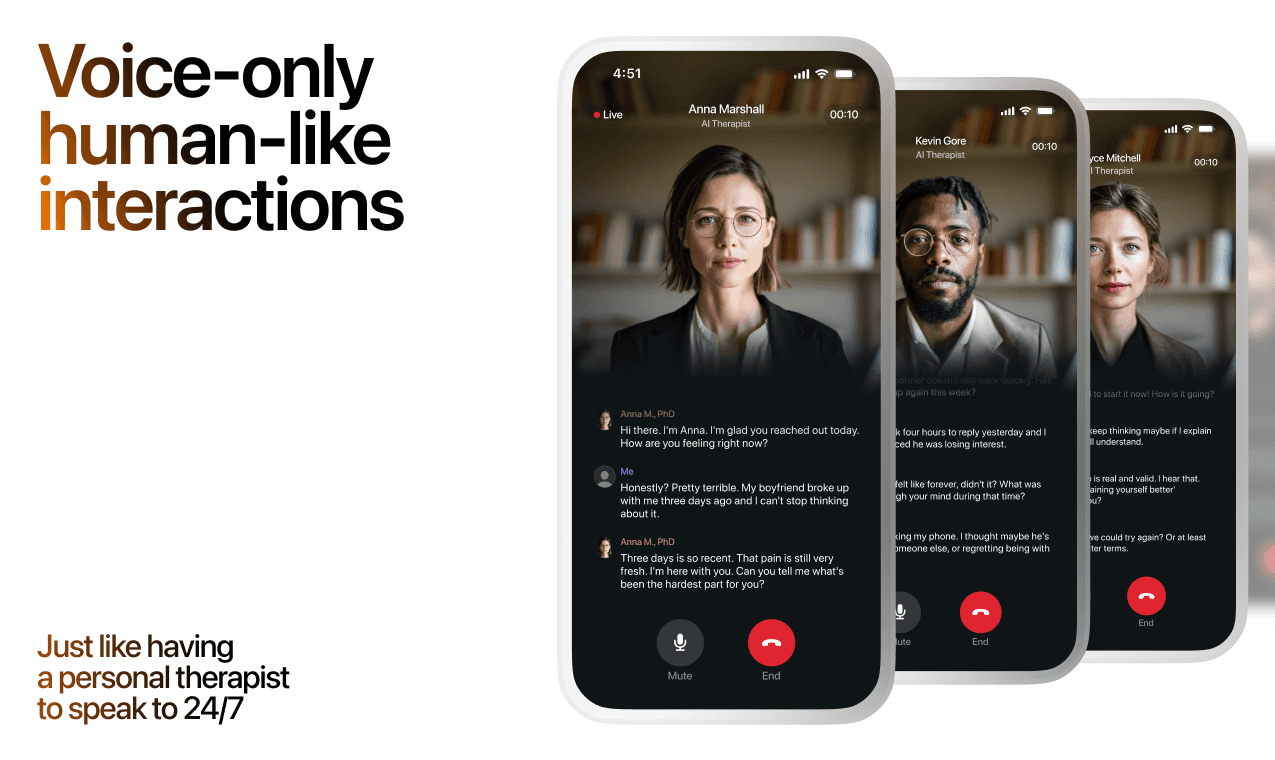
Here's what happens in a typical Lovon session:
You share what's on your mind
There's no script, no intake form, no waiting room. You speak or type whatever you're feeling — in your own words, at your own pace.
Lovon validates and explores
Using frameworks from CBT (Cognitive Behavioral Therapy) and motivational interviewing, Lovon acknowledges your feelings first, then gently helps you explore them. No dismissive "just move on" advice.
You build coping skills together
Lovon doesn't just listen — it actively works with you on evidence-based techniques: thought reframing, urge surfing, behavioral experiments, and more.
What a Session with Lovon Looks Like
When to Seek Professional Help
AI support is a valuable tool, but it's not a replacement for professional care. Please consider reaching out to a licensed therapist if you experience any of the following:
- Persistent thoughts of self-harm or suicide
- Inability to perform daily activities (work, eating, sleeping) for more than 2 weeks
- Turning to alcohol or substances to cope
- Intense anger or desire to harm your ex-partner
- Complete emotional numbness that doesn't improve over time
Crisis Resources (US): If you're in immediate danger, call 988 (Suicide & Crisis Lifeline) or text HOME to 741741 (Crisis Text Line). Available 24/7, free, and confidential.
Outside the US? Find a crisis line in your country
Ready to Start?
Your healing journey can begin right now
A 7-day trial. No judgment. Just a safe space to process what you're going through.
Frequently Asked Questions
Is Lovon a replacement for a real therapist?
Is my conversation with Lovon AI private?
How is Lovon different from ChatGPT for emotional support?
Can I use Lovon if I'm already seeing a therapist?
Can I try Lovon before subscribing?
About the Author

The Lovon Editorial Team
Mental Health & Wellness Content Team
The Lovon Editorial Team develops mental health and wellness content designed to make psychological concepts accessible and actionable. Our goal is to bridge the gap between clinical research and everyday life - helping you understand why your mind works the way it does and what you can do about it....
Related articles
- Amygdala and Prefrontal Cortex Partnership in Emotional Regulation
The partnership between the amygdala and prefrontal cortex represents one of the most crucial relationships in your…
- AI Coping Tools for Wedding Planning Stress (2026)
AI coping tools for wedding planning stress in 2026: box breathing, muscle relaxation, and Lovon's on-demand voice…
- Amygdala Reactivity Reduction Through Evidence-Based Techniques
The amygdala, a small almond-shaped structure deep within the brain, acts as your neurological alarm system—constantly…
- Amygdala Hijack: What It Is & How to Stop It (2026)
An amygdala hijack fires in under 200ms, overriding rational thought. Learn the 7-step sequence to recognize, interrupt…
See also
Quizzes
- Self-Concept Clarity Test: Do You Know Who You Are?
See how clearly you know yourself, in 3 minutes.
- Empathy Test: Free 12-Question Self-Check
See which part of your empathy is strained, in 3 minutes.
Free tools
- Self-Esteem Check-In
Eight statements, one read on three sides of self-esteem: your self-talk, how you act with people, and what you do with…
- What to Say to Someone Who Is Grieving
Get sentences that fit this person and this week, not a list of things people say at funerals. Describe who they lost…
From the wiki
- What does it mean when you dream about your ex?
Dreaming about your ex usually reflects emotional processing, not prophecy and not a message from them. Your sleeping…
Disclaimer: This article is for informational purposes only and does not constitute medical advice, diagnosis, or treatment. Always seek the advice of your physician or other qualified health provider with any questions you may have regarding a medical condition. If you are in crisis or think you may have an emergency, call 988 (Suicide & Crisis Lifeline) or go to the nearest emergency room. Outside the US? Find a crisis line in your country.