
How to Use an AI Life Coach for Motivation (2026)
Learn exactly how to use an AI life coach for motivation in 2026 — 7 steps, real commitments, and free sessions on Lovon to build lasting consistency.

Key Takeaways
- A device with a microphone (phone or laptop works)
- 15–20 minutes for your first session
- One specific goal or problem to start with — vague inputs produce vague outputs
- A notebook or notes app to log commitments the AI surfaces
- Willingness to answer follow-up questions honestly; the AI calibrates on your responses
Getting more done, staying consistent, and actually following through on goals is exactly what an AI life coach is built for — and in 2026, the tools to do it are more capable than ever.
TL;DR: An AI life coach gives you on-demand motivation support without scheduling conflicts or hourly fees. Lovon's life coach free session is the fastest starting point in 2026 — it runs in your browser, uses voice, and adapts to your specific goals within the first few minutes. This guide walks you through seven concrete steps to get real results from AI life coaching, not just a conversation that goes nowhere.
Why This Matters in 2026
Motivation isn't a personality trait — it's a system problem. Most people don't lack drive; they lack a structure that catches them before a bad day turns into a lost week. Traditional life coaching costs $200–$500 per session and runs on your coach's calendar, not yours. AI life coaching flips both constraints. The tools are available at 2 a.m., don't require advance booking, and can be reset whenever your goals change. For anyone dealing with anxiety, ADHD, or chronic stress, the low friction matters enormously.
What You'll Need
- A device with a microphone (phone or laptop works)
- 15–20 minutes for your first session
- One specific goal or problem to start with — vague inputs produce vague outputs
- A notebook or notes app to log commitments the AI surfaces
- Willingness to answer follow-up questions honestly; the AI calibrates on your responses
The Steps
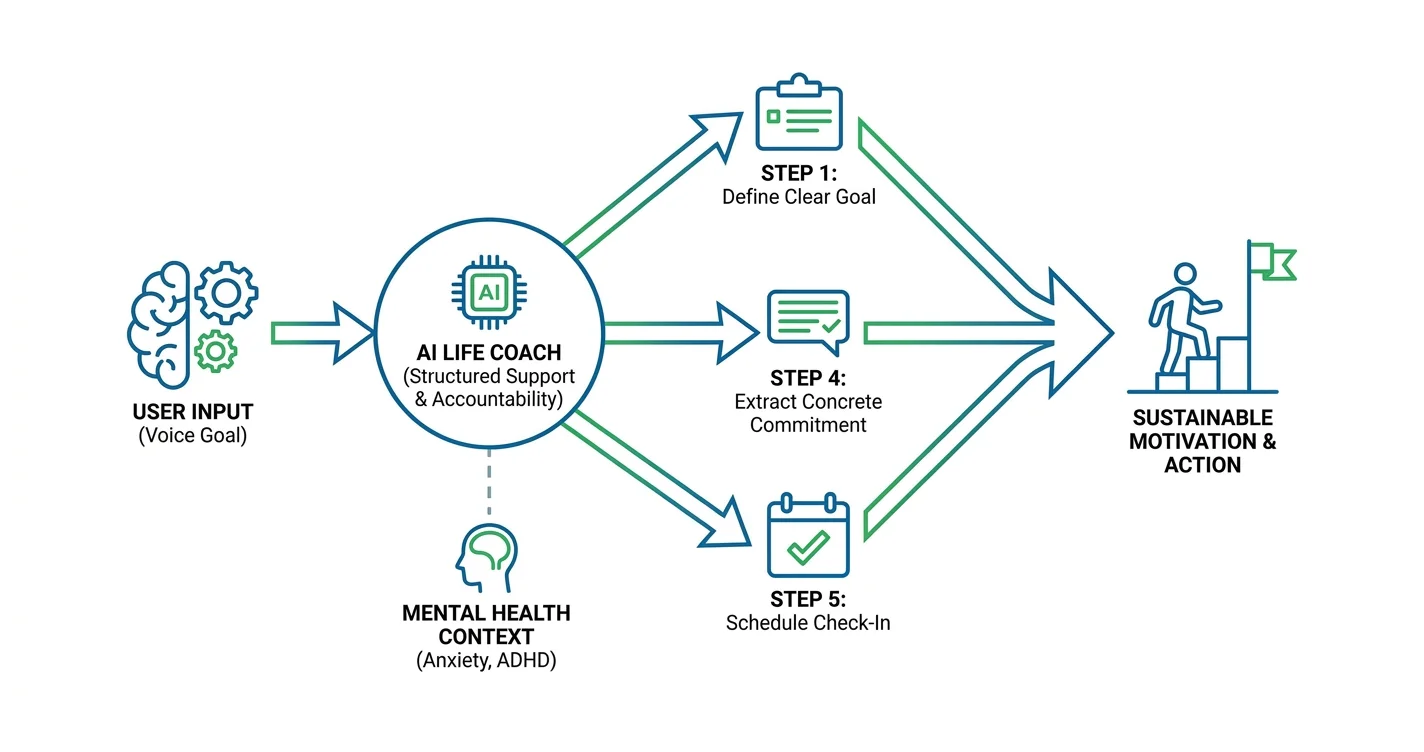
Step 1: Pick One Goal Before You Open the App
Before you start a session, write down exactly one goal in one sentence. "Get more motivated" is not a goal. "Run three times a week for the next 30 days" is. AI life coaches in 2026 are strong at breaking down specific targets and weak at helping people who haven't decided what they want yet. Spending five minutes on this before you open the app makes every subsequent step faster.
Expected outcome: You enter the first session with a clear target, so the AI skips the exploratory small talk and moves straight to action planning.
Common mistake: Bringing three goals at once. Pick one. The others get their own sessions.
Step 2: Start with a Voice Session, Not Text
Lovon's AI life coach runs on voice, and that distinction matters for motivation work. Typing your problems creates distance; speaking them out loud activates the same emotional processing you'd use in a real coaching conversation. Open a life coach free session and speak your goal as if you're explaining it to a person. Include what's blocking you, not just what you want.
Expected outcome: The AI picks up emotional tone and context that text inputs miss, producing more calibrated follow-up questions.
Common mistake: Reading from a script. Speak conversationally — the system is built for natural speech.
Step 3: Answer the Follow-Up Questions Completely
AI coaching systems build your motivational profile from your answers. If the coach asks "What happened the last time you tried this?" and you say "it didn't work," you've given it nothing useful. Give specific answers: dates, outcomes, what you did right, what derailed you. The more signal you provide in the first 10 minutes, the more personalized the session becomes.
Expected outcome: By the end of your first session, the AI has enough context to suggest a schedule, an accountability structure, or a coping reframe that fits your actual pattern — not a generic one.
Common mistake: Giving the answer you think sounds good instead of the accurate one. The AI isn't judging you.
Step 4: Extract a Commitment, Not Just Insight
A session that ends with "that was interesting" has accomplished nothing. Before you close the app, ask the AI directly: "What is the one thing I should do before we talk again?" Write that commitment down — time-stamped, with a deadline. AI life coaching produces lasting motivation gains only when sessions end with a concrete next action. In 2026, the best tools prompt you for this automatically; if yours doesn't, you prompt it.
Expected outcome: A written commitment with a specific deadline sitting in your notes within 60 seconds of ending the session.
Common mistake: Treating the session as the work. The session is the map; the commitment is the walk.
Step 5: Schedule Your Check-In Before You Close the Tab
Motivation fades within 72 hours without a follow-up trigger. Set a calendar reminder for your next session before you close the app — not "sometime this week," but a specific time on a specific day. Consistency matters more than frequency: two 15-minute sessions per week outperform one 45-minute session. If you're working on anxiety or stress alongside motivation, Lovon's AI therapy sessions pair well here, addressing the emotional layer that blocks follow-through.
Expected outcome: A recurring calendar block that makes the next session automatic rather than a willpower decision.
Common mistake: Relying on motivation to open the app again. Motivation is what you're building — it can't be the prerequisite.
Step 6: Review Your Progress Log Weekly
At the end of each week, spend five minutes reviewing your session commitments and checking off what happened. Don't skip this because the week went badly — a bad week with a completed review is more valuable than a good week with no reflection. Ask the AI to summarize your progress at the start of each weekly review session. This gives you a record you can point to when motivation dips, which it will.
Expected outcome: A rolling log that shows real progress over 30 days, even when daily momentum feels absent.
Common mistake: Only logging successes. Log the misses too — patterns in your failures are the most actionable data you have.
Step 7: Add a Specialist Layer When Motivation Has an Emotional Root
If motivation blocks trace back to depression, relationship stress, or ADHD, a life coaching session alone won't clear them. That's not a limitation of AI — it's true of human coaches too. In 2026, Lovon lets you move between coaching and emotional support in the same platform. If a session surfaces grief, burnout, or anxiety, shift to a therapist free session to address the root, then return to coaching once the emotional layer is lighter. For relationship-driven motivation issues, the AI relationship coach is a direct path.
Expected outcome: Motivation blocks that have an emotional root get addressed at the source rather than papered over with goal-setting frameworks.
Common mistake: Pushing through emotional blocks with more goal-setting. That's gas on a flooded engine.
Troubleshooting
The AI gives generic advice that doesn't fit my situation. You're under-inputting. Give the AI more specifics: your schedule, your track record, what you've already tried. Generic inputs produce generic outputs in every AI system built in 2026.
I feel motivated during the session but it disappears within a day. You're not closing sessions with a written commitment (see Step 4). Motivation generated in a session is a resource — it needs to be captured as an action before it evaporates.
I keep rescheduling my check-ins. The check-in time is wrong. Move it to a slot you already protect — first thing in the morning, lunch, or right after a fixed daily habit. Attach it to something that already happens.
The AI isn't asking useful follow-up questions. Tell it what you need: "Ask me harder questions about what's blocking me." AI life coaches in 2026 respond well to meta-instructions about the session format.
I've been consistent for two weeks but still feel stuck. Stuck after consistent effort usually means the goal itself needs revision, not more effort toward it. Ask the AI: "Is this goal realistic given what I've told you about my constraints?" Let it push back.
Sessions feel repetitive after a few weeks. Raise the goal difficulty. If you hit the original target, set the next one. The AI recalibrates to new inputs — it won't do that automatically if you don't give it new material.
Tools and Resources
- Lovon life coaching (free session): life coach free — voice-based, no scheduling, starts immediately
- Notebook or notes app: For logging commitments and weekly progress reviews
- Calendar app: For check-in scheduling (Step 5 is non-negotiable)
- Lovon AI therapy: AI therapy — for sessions where motivation blocks have an emotional root
- Lovon relationship coaching: AI relationship coach — for goal blocks tied to relationship dynamics
FAQ
What's the best way to use an AI life coach for motivation? Start with one specific goal written before your first session. Speak your answers rather than typing them, end every session with a written commitment, and schedule your next check-in before you close the app. Consistency in structure matters more than session length.
Is an AI life coach as effective as a human coach for motivation? For habit formation and goal accountability, AI coaches in 2026 are competitive with human coaches on outcomes documented in behavioral psychology research. The main gap is in sessions requiring deep relational empathy — for those, human coaches or AI therapy tools are better suited.
How long does it take to see results from AI life coaching? Most users report noticeable behavior change within two to three weeks of twice-weekly sessions, provided they follow through on the commitments each session generates. The sessions alone don't produce change — the commitments do.
Can I use an AI life coach for motivation if I also have anxiety or depression? Yes, but the most effective approach layers coaching with emotional support. Lovon lets you move between coaching and therapy sessions in the same platform, which handles this directly. Coaching addresses the goal structure; therapy addresses the emotional blocks.
How much does an AI life coach cost compared to a human coach? Human life coaching in 2026 runs $200–$500 per session at the median market rate. AI life coaching on platforms like Lovon starts with free sessions, with paid tiers available. The cost difference is roughly 95–98% depending on session frequency.
How often should I use an AI life coach for motivation? Two 15-minute sessions per week is the most effective pattern based on behavioral habit research. Daily sessions can work but risk becoming a ritual that substitutes for action. Weekly-only sessions don't provide enough accountability pressure.
What should I do if the AI life coach isn't helping? First, check your inputs — specificity is the most common fix. Second, try a different session type (relationship coaching or therapy) if the block is emotional. Third, revise the goal itself. Most "AI isn't working" problems are goal definition problems.
Does Lovon's AI life coach work for ADHD-related motivation issues? Lovon is built specifically for ADHD alongside anxiety, depression, and stress. Voice-based sessions reduce the friction that text-heavy tools create for ADHD users, and the platform's commitment-extraction structure maps well to the external accountability that ADHD motivation systems typically require.
One Last Thing
The single strongest predictor of AI life coaching success in 2026 isn't the quality of the AI — it's whether you write down the commitment before you close the session. Aggregated behavioral data from digital coaching platforms consistently shows that users who record a specific next action at session end are significantly more likely to return, follow through, and report sustained motivation gains after 30 days. The app is the starting point. The note you write is the actual intervention.
Related Guides
How AI Support Helps You Heal
AI emotional support isn't about replacing human connection — it's about filling the gaps. The moments when you need to talk at 2 AM, when you don't want to burden your friends again, or when you simply need someone to listen without judgment.
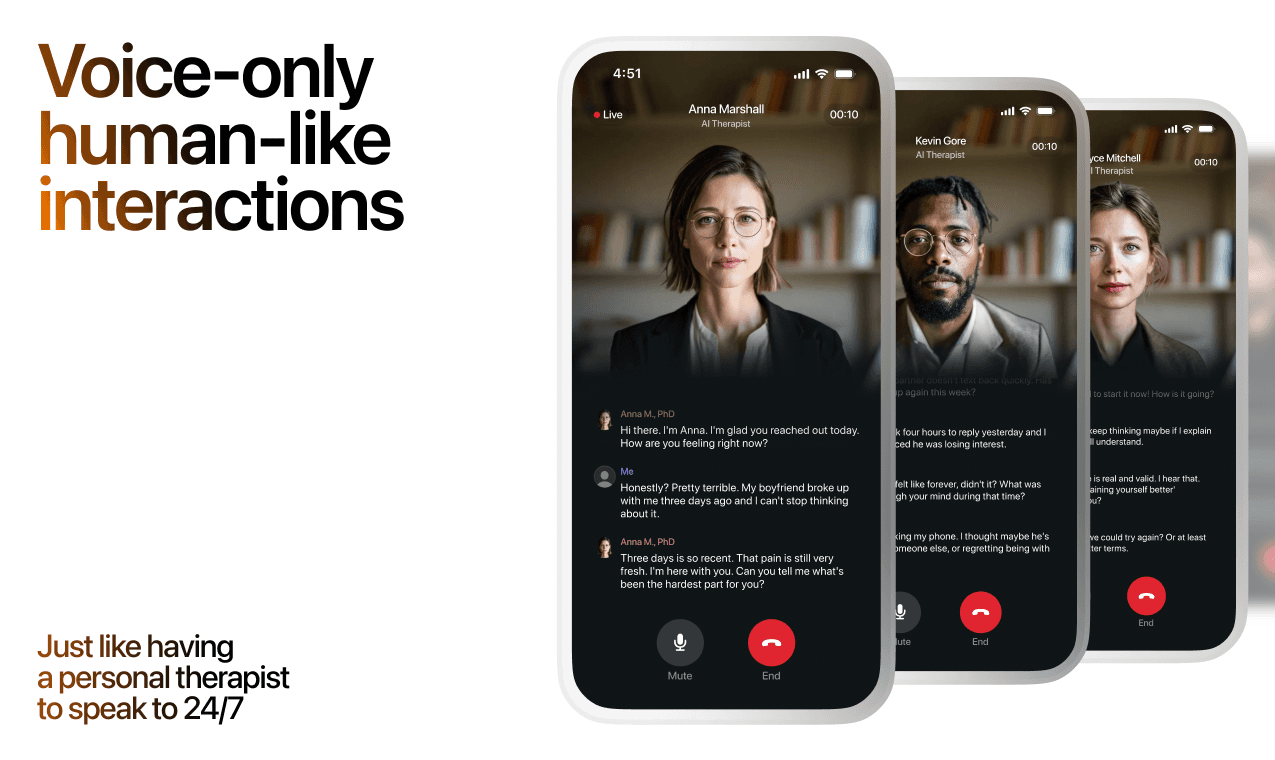
Here's what happens in a typical Lovon session:
You share what's on your mind
There's no script, no intake form, no waiting room. You speak or type whatever you're feeling — in your own words, at your own pace.
Lovon validates and explores
Using frameworks from CBT (Cognitive Behavioral Therapy) and motivational interviewing, Lovon acknowledges your feelings first, then gently helps you explore them. No dismissive "just move on" advice.
You build coping skills together
Lovon doesn't just listen — it actively works with you on evidence-based techniques: thought reframing, urge surfing, behavioral experiments, and more.
What a Session with Lovon Looks Like
When to Seek Professional Help
AI support is a valuable tool, but it's not a replacement for professional care. Please consider reaching out to a licensed therapist if you experience any of the following:
- Persistent thoughts of self-harm or suicide
- Inability to perform daily activities (work, eating, sleeping) for more than 2 weeks
- Turning to alcohol or substances to cope
- Intense anger or desire to harm your ex-partner
- Complete emotional numbness that doesn't improve over time
Crisis Resources (US): If you're in immediate danger, call 988 (Suicide & Crisis Lifeline) or text HOME to 741741 (Crisis Text Line). Available 24/7, free, and confidential.
Outside the US? Find a crisis line in your country
Ready to Start?
Your healing journey can begin right now
1 free conversation. No credit card. No judgment. Just a safe space to process what you're going through.
Frequently Asked Questions
Is AI therapy a replacement for a real therapist?
Is my conversation with Lovon AI private?
How is Lovon different from ChatGPT for emotional support?
Can I use Lovon if I'm already seeing a therapist?
Can I try Lovon for free?
About the Author

The Lovon Editorial Team
Mental Health & Wellness Content Team
The Lovon Editorial Team develops mental health and wellness content designed to make psychological concepts accessible and actionable. Our goal is to bridge the gap between clinical research and everyday life - helping you understand why your mind works the way it does and what you can do about it....
Similar Articles
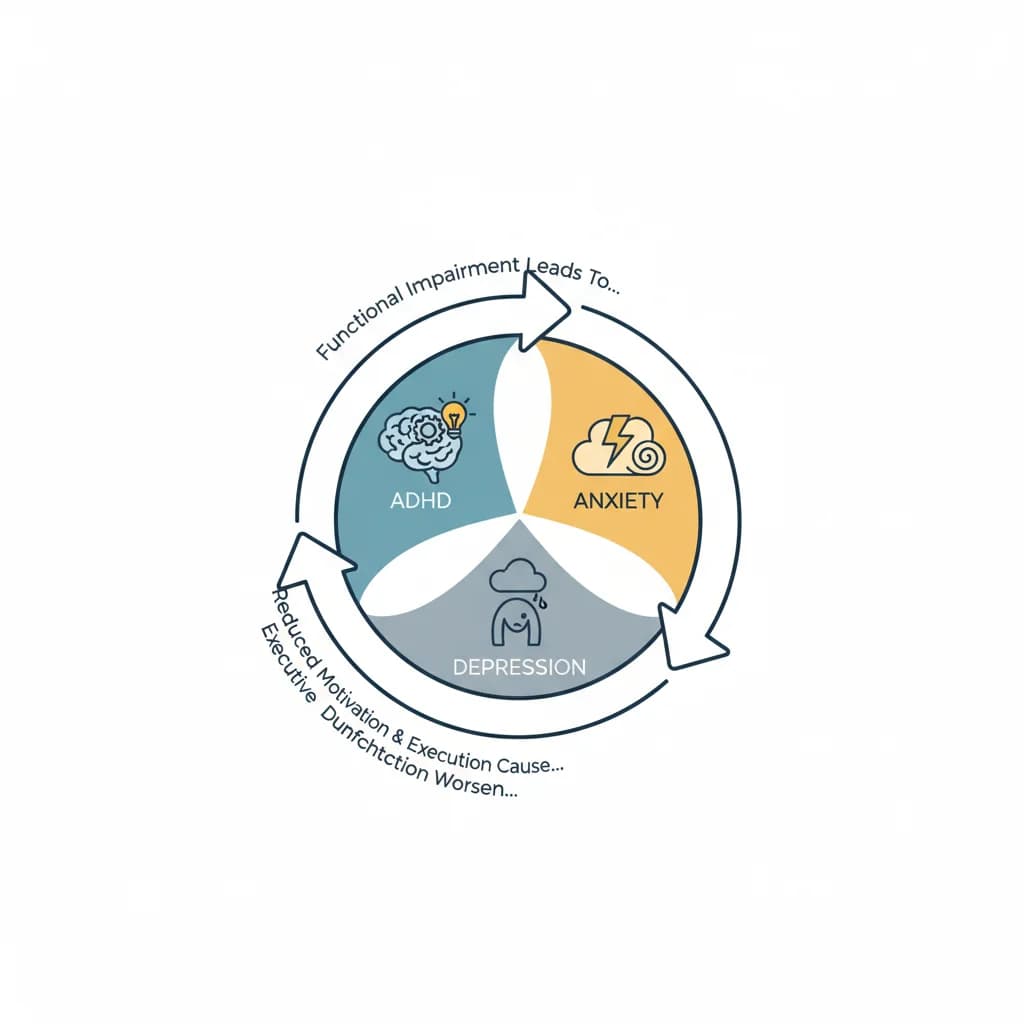
ADHD Comorbidity with Anxiety and Depression Cycles
Understanding the Complex Interplay Between ADHD and Recurring Mental Health Patterns

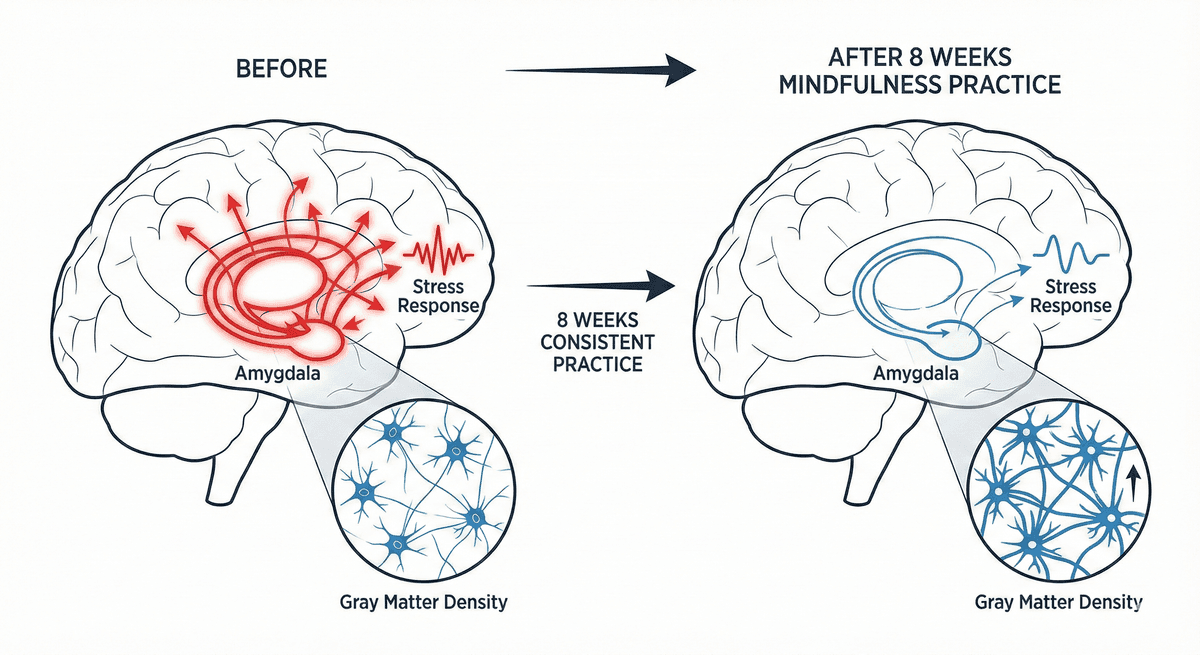
What 8 Weeks of Meditation Does to Your Amygdala
See what changes in your brain after eight weeks of daily meditation, why you react less to stress, and how to build a routine that actually sticks.
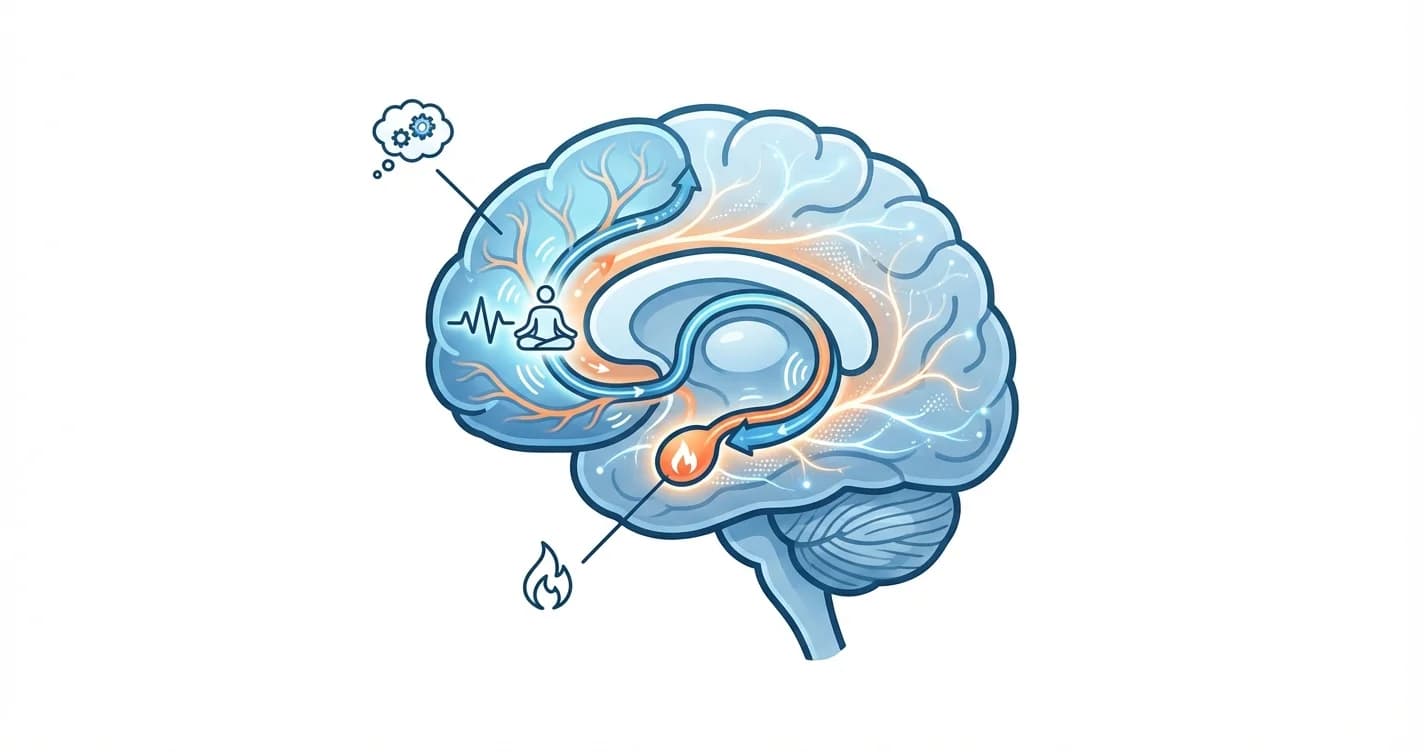
Amygdala and Prefrontal Cortex Connection: Training Emotional Regulation Through Mindfulness
How mindfulness practices reshape neural pathways to strengthen emotional control and reduce reactivity
Disclaimer: This article is for informational purposes only and does not constitute medical advice, diagnosis, or treatment. Always seek the advice of your physician or other qualified health provider with any questions you may have regarding a medical condition. If you are in crisis or think you may have an emergency, call 988 (Suicide & Crisis Lifeline) or go to the nearest emergency room. Outside the US? Find a crisis line in your country.