
Father Wound vs Mother Wound: Which One Do You Have?
Father wounds hit self-trust; mother wounds hit self-worth. See how each shows up at work and in love, and what kind of support actually helps.

Key Takeaways
- Persistent inability to make decisions that leaves you stuck in unsatisfying situations for extended periods
- Chronic feelings of worthlessness that don't respond to accomplishments or positive feedback
- Relationship patterns that repeatedly leave you feeling rejected or questioning your adequacy
- Difficulty maintaining employment or pursuing career advancement due to decision paralysis or feeling undeserving
- Nervous system dysregulation that manifests as chronic anxiety, panic, or inability to feel calm
Introduction
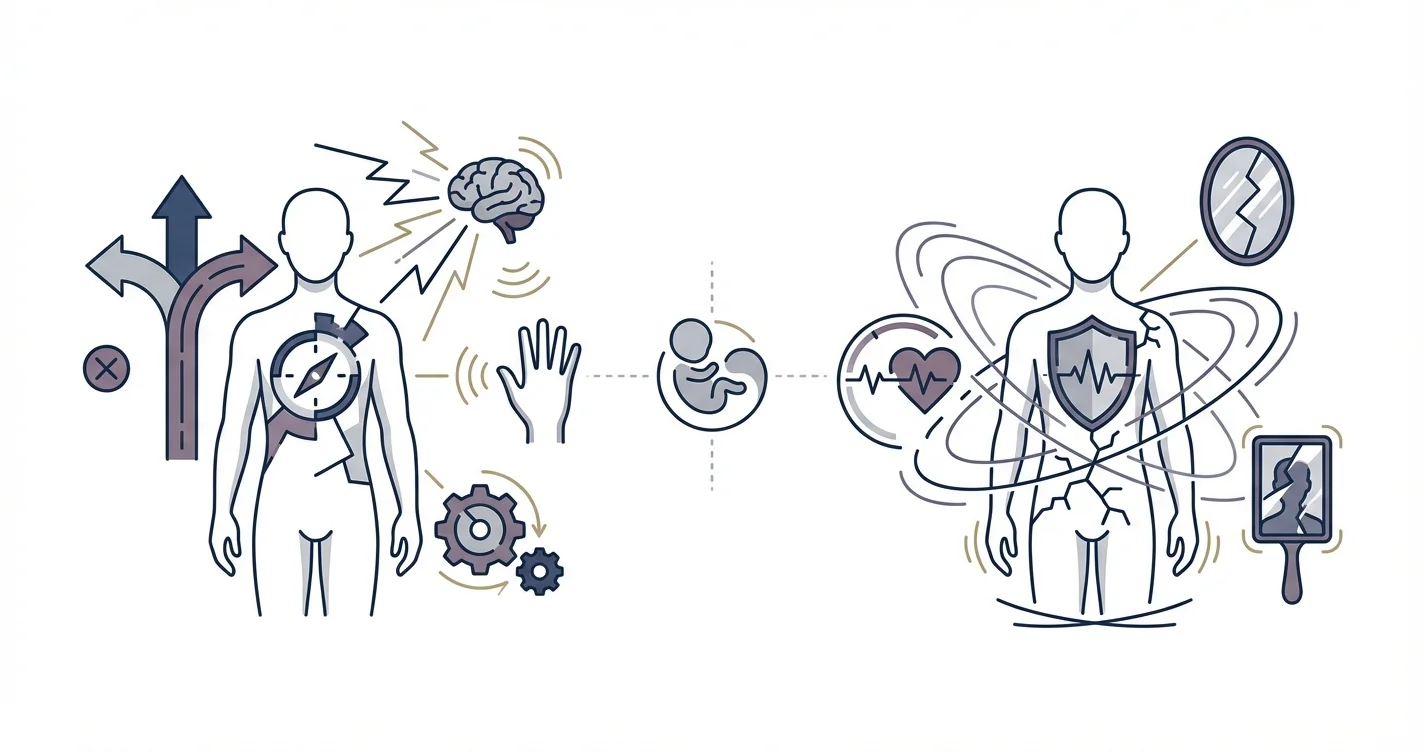
The terms "father wound" and "mother wound" have gained recognition in therapeutic circles as practitioners work to understand how early parental relationships shape adult functioning. While both represent patterns formed in childhood that persist into adulthood, father wound vs mother wound differences reveal distinct impacts on psychological development. A father wound typically affects self-trust, intuition, and the ability to make confident decisions, while a mother wound influences self-perception, emotional safety, and how you view your worthiness. Understanding these distinctions, along with knowing how you attach to others, can help you identify which patterns may be affecting your current relationships, career decisions, and overall sense of stability. This article examines the specific characteristics of each wound, how they manifest differently in daily life, and approaches that mental health professionals use when working with these attachment patterns.
What Defines a Father Wound
A father wound develops when a father figure is absent, emotionally unavailable, inconsistent, or unable to provide appropriate guidance and validation during formative years. Research in attachment theory suggests that father-child relationships play a distinct role in developing autonomy, risk-taking capacity, and confidence in one's own judgment. When this relationship is disrupted or inadequate, specific patterns emerge that differ from those associated with maternal relationships.
The father wound primarily affects your relationship with your own inner authority. Clinical observations indicate that individuals with father wounds often experience a freeze response when faced with important decisions. This isn't simple indecisiveness—it's a deeper disconnection from the internal signals that guide choice-making. The intuitive sense of "this feels right" or "this doesn't align with me" may feel muted or entirely absent.
This wound also influences how you approach opportunities and challenges. According to practitioners specializing in attachment trauma, people with father wounds may avoid career advancement, relationship commitments, or personal growth opportunities not because they lack capability, but because the internal permission structure to pursue these paths feels unstable. The absent or inconsistent father figure failed to model or validate the child's capacity to trust their own direction, leaving a gap in the psychological foundation needed for confident forward movement.
What Defines a Mother Wound
The mother wound, by contrast, centers on self-perception and the fundamental sense of safety in the world. Early maternal relationships are associated with the development of core self-worth, emotional regulation capacity, and the internalized sense of being "enough" as you are. When maternal presence is compromised by emotional unavailability, criticism, inconsistency, or absence, the resulting wound affects how you see yourself rather than primarily how you trust your decisions.
Individuals with mother wounds frequently struggle with persistent feelings of inadequacy regardless of external accomplishments. This wound shapes the internal narrative about your fundamental acceptability—whether you deserve love, care, and belonging. Studies in developmental psychology indicate that early maternal attunement helps children develop a secure sense of self; disruptions in this process can lead to chronic self-doubt and difficulty internalizing positive experiences.
The mother wound also influences nervous system regulation and the capacity to feel safe in your own body. Maternal figures typically provide the first experiences of co-regulation—the process through which a caregiver's calm presence helps an infant's nervous system settle. When this foundation is inadequate, adults may struggle with persistent anxiety, hypervigilance, or difficulty self-soothing during stress. The body itself may feel like an unsafe place, contributing to disconnection from physical sensations and needs.
Father Wound vs Mother Wound: Key Distinctions in Daily Life
When examining father wound vs mother wound manifestations, the differences become clearer through specific life scenarios. In professional contexts, a father wound may show up as hesitation when opportunities arise—receiving a promotion offer but feeling paralyzed about whether to accept it, or having a business idea but never taking concrete steps toward implementation. The external capability exists, but the internal "go ahead" signal feels absent or unreliable.
A mother wound in the same professional setting might manifest as accepting the promotion but immediately questioning whether you truly deserved it, or achieving business success while feeling like an impostor waiting to be exposed. The difference lies in the locus of doubt: father wounds affect trust in your direction and decisions, while mother wounds affect trust in your fundamental adequacy. If that doubt has a voice of its own, one that speaks up after every success, the inner critic test looks at when it speaks, how harshly, and whether it sounds like someone you grew up with.
In relationship dynamics, father wounds often create patterns around commitment and life direction as a couple. Someone with a father wound might struggle to decide whether to move in with a partner, get married, or make other forward-moving relationship commitments—not necessarily due to doubts about the relationship itself, but because major decisions trigger that familiar freeze response. The intuitive sense of "yes, this is right for me" feels inaccessible.
Mother wounds in relationships typically manifest as core worthiness issues. You might question whether you deserve your partner's love, interpret neutral behaviors as rejection, or struggle to believe positive feedback. The relationship may be objectively healthy, but the internal narrative questions your place in it. Tools like Lovon.app can provide on-demand support for processing these relationship patterns as they arise, helping you identify the difference between current reality and old wound activation.
How These Wounds Develop: Contributing Factors
While early experiences with parental figures play a significant role in the development of these patterns, it's essential to recognize that multiple factors contribute to how attachment wounds form. Genetic predispositions, individual temperament, environmental stressors, and broader family dynamics all influence whether and how these patterns develop.
A father's emotional unavailability might stem from his own trauma, cultural expectations around masculinity, work demands, or mental health challenges. The impact on a child varies depending on the child's temperament, the presence of other supportive figures, and the consistency of the unavailability. Some children develop pronounced father wounds from relatively mild paternal inconsistency, while others show resilience despite more significant paternal absence—individual differences in sensitivity and nervous system reactivity play important roles.
Similarly, mother wounds develop through complex interactions between maternal capacity and child needs. Maternal depression, anxiety, or her own unresolved attachment trauma can limit emotional availability. However, the child's temperament, the presence of alternative caregivers, and other protective factors influence outcomes. Two siblings with the same mother may develop different wound patterns based on birth order, temperamental differences, or variations in how the mother related to each child.
Emerging research suggests that attachment patterns involve both environmental experiences and neurobiological factors. The developing brain shows plasticity in response to relational experiences, but baseline differences in stress reactivity and emotional processing also shape how those experiences are encoded. This means that while parenting and caregiving are significant influences, they're one of several contributing factors rather than sole determinants of adult attachment patterns.
Therapeutic Approaches: Working with Father Wounds
Mental health professionals working with father wounds focus on rebuilding the connection between internal signals and conscious awareness. Since father wounds primarily affect intuition and decision-making capacity, therapeutic work often centers on helping clients notice, trust, and act on their internal guidance system.
Practitioners may use somatic approaches that help clients identify physical sensations associated with "yes" versus "no" responses. This body-based work addresses the freeze response that often accompanies decision-making for those with father wounds. By slowing down the decision process and tracking body signals—tightness, expansion, grounding, discomfort—clients gradually rebuild trust in their internal compass.
Therapeutic work also addresses the permission structure for pursuing opportunities. Clients with father wounds may benefit from exploring internalized messages about their right to take up space, pursue ambitions, or claim authority in their own lives. This might involve processing grief about what wasn't provided in the father-child relationship while simultaneously building new internal structures that support autonomous action.
Some practitioners incorporate parts work or internal family systems approaches, helping clients identify the part that freezes during decisions and understanding its protective function. This compassionate exploration can reveal that decision paralysis often represents an attempt to avoid making the "wrong" choice in the absence of internalized validation that choices can be adjusted and that mistakes aren't catastrophic.
Therapeutic Approaches: Working with Mother Wounds
Working with mother wounds requires addressing core self-perception and the fundamental sense of safety. Since these wounds affect how you view your own worthiness, therapeutic approaches often focus on building self-compassion and internalizing a more stable sense of adequacy.
Practitioners specializing in attachment trauma may use therapeutic relationship itself as a reparative experience. Consistent, attuned therapeutic presence can provide the experience of being seen and accepted that was inconsistent or absent in early maternal relationships. Over time, this can help clients internalize a more secure sense of self.
Nervous system regulation work is particularly relevant for mother wounds. Since early maternal relationships help establish the foundation for self-soothing and safety, therapeutic work often includes teaching practical regulation skills—breathwork, grounding techniques, and body awareness practices. These tools help clients create the internal sense of safety that may feel chronically elusive.
Cognitive approaches can address the persistent negative self-narrative common with mother wounds. Practitioners help clients identify automatic thoughts about their worthiness and develop more balanced perspectives. However, this work is most effective when combined with experiential approaches, since mother wounds are encoded at implicit, pre-verbal levels that purely cognitive work may not fully address.
For ongoing support between therapy sessions, resources like Lovon.app can help you process moments when mother wound patterns activate—such as after receiving criticism, during relationship conflicts, or when accomplishments fail to generate the expected sense of satisfaction. Having immediate access to reflective conversation can prevent these moments from spiraling into prolonged periods of self-doubt.
Overlapping Patterns and Complex Presentations
In practice, many individuals experience elements of both father wound and mother wound patterns, though often one predominates. Some people had two emotionally unavailable parents, leading to intertwined wounds affecting both self-trust and self-worth. Others may have had one relatively secure attachment relationship that provided some buffer against the wound from the other parent.
It's also important to acknowledge that these patterns vary between individuals based on gender, sexual orientation, family structure, and cultural context. Not everyone is raised by a mother and father; some grow up with same-sex parents, single parents, grandparents, or other caregivers. The terms "mother wound" and "father wound" describe functional relationship patterns rather than requiring specific family structures. What matters therapeutically is identifying which caregiver relationships influenced your sense of self-worth versus your sense of self-trust and autonomy.
Cultural factors also shape how these wounds manifest and are experienced. Cultures with different expectations around parental roles, emotional expression, and family structure may see different presentations of these attachment patterns. What constitutes emotional availability, appropriate autonomy support, or healthy attachment can vary across cultural contexts, making it essential to consider individual cultural background when understanding these patterns.
When to Seek Professional Help
If you recognize father wound or mother wound patterns that significantly affect your daily functioning, professional support can be valuable. Specific indicators that suggest professional help may be beneficial include:
- Persistent inability to make decisions that leaves you stuck in unsatisfying situations for extended periods
- Chronic feelings of worthlessness that don't respond to accomplishments or positive feedback
- Relationship patterns that repeatedly leave you feeling rejected or questioning your adequacy
- Difficulty maintaining employment or pursuing career advancement due to decision paralysis or feeling undeserving
- Nervous system dysregulation that manifests as chronic anxiety, panic, or inability to feel calm
- Avoidance of opportunities that could improve your life because forward movement feels impossible
Therapists specializing in attachment trauma, inner child work, or relational therapy can help address these patterns. Somatic therapists, those trained in EMDR, internal family systems practitioners, and psychodynamic therapists often have relevant expertise. If symptoms include significant depression, anxiety disorders, or trauma responses, psychiatrists or prescribers can discuss whether medication might be helpful as part of a comprehensive treatment approach.
These patterns can be addressed and improved, but they typically require time and consistent therapeutic work. Self-help strategies and resources can support this process but generally complement rather than replace professional treatment for pronounced attachment wounds that impair functioning.
Conclusion
Understanding the distinction between father wound vs mother wound provides clarity about which specific patterns may be affecting your current life. Father wounds primarily impact self-trust, intuition, and decision-making capacity, often manifesting as a freeze response when opportunities arise or major choices need to be made. Mother wounds center on self-perception, worthiness, and fundamental safety, creating persistent feelings of inadequacy despite external validation. While both wounds stem from disrupted early attachment relationships, they require somewhat different therapeutic approaches—father wounds benefit from work rebuilding internal authority and decision confidence, while mother wounds respond to interventions that address core self-perception and nervous system safety. Recognizing which pattern resonates with your experience can guide you toward appropriate support, whether through professional therapy, peer support, or accessible resources that help you process these patterns as they arise in daily life. With consistent work, both types of wounds can heal, allowing you to develop more secure internal foundations for decision-making, self-worth, and relationship functioning.
Disclaimer: This is general information, not medical advice or diagnosis. If symptoms are severe, affecting your daily life, or you're having thoughts of self-harm—seek professional help. In the US: call or text 988 (Suicide & Crisis Lifeline). For immediate danger: 911 or local emergency services.
How AI Support Helps You Heal
AI emotional support isn't about replacing human connection — it's about filling the gaps. The moments when you need to talk at 2 AM, when you don't want to burden your friends again, or when you simply need someone to listen without judgment.
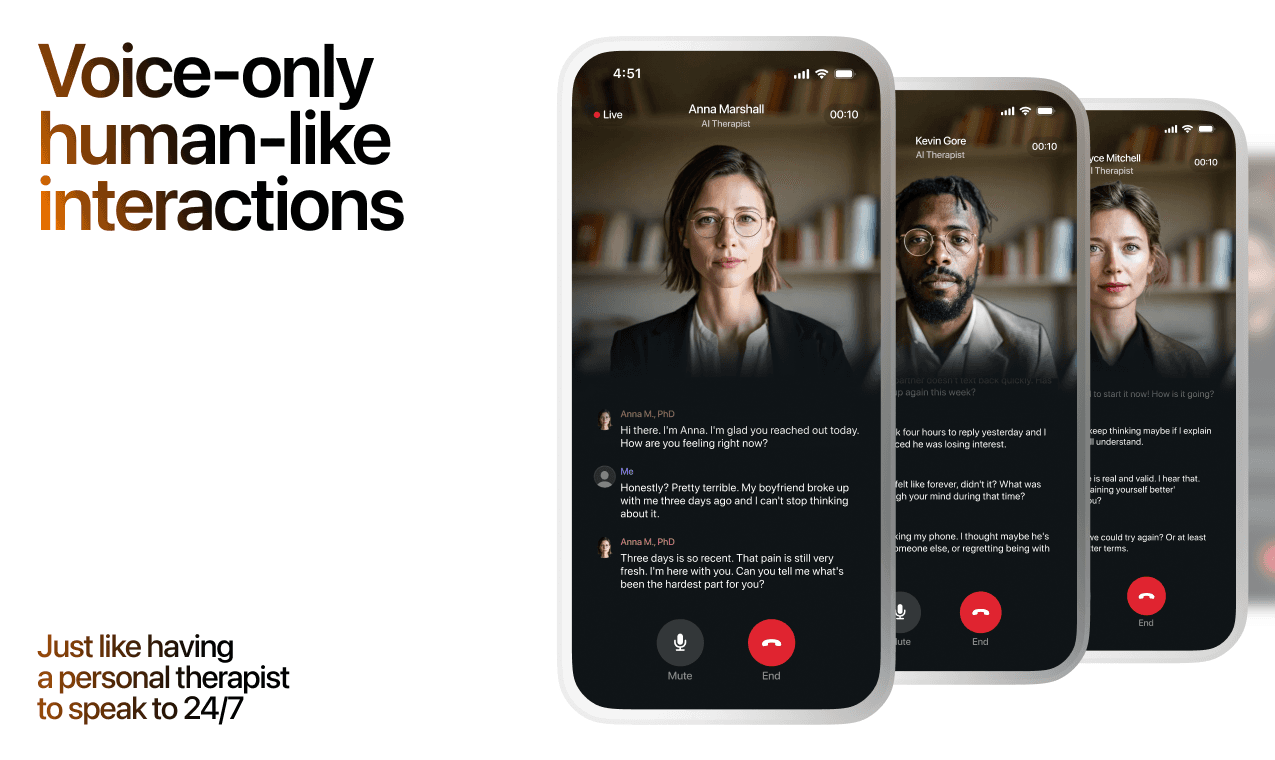
Here's what happens in a typical Lovon session:
You share what's on your mind
There's no script, no intake form, no waiting room. You speak or type whatever you're feeling — in your own words, at your own pace.
Lovon validates and explores
Using frameworks from CBT (Cognitive Behavioral Therapy) and motivational interviewing, Lovon acknowledges your feelings first, then gently helps you explore them. No dismissive "just move on" advice.
You build coping skills together
Lovon doesn't just listen — it actively works with you on evidence-based techniques: thought reframing, urge surfing, behavioral experiments, and more.
What a Session with Lovon Looks Like
When to Seek Professional Help
AI support is a valuable tool, but it's not a replacement for professional care. Please consider reaching out to a licensed therapist if you experience any of the following:
- Persistent thoughts of self-harm or suicide
- Inability to perform daily activities (work, eating, sleeping) for more than 2 weeks
- Turning to alcohol or substances to cope
- Intense anger or desire to harm your ex-partner
- Complete emotional numbness that doesn't improve over time
Crisis Resources (US): If you're in immediate danger, call 988 (Suicide & Crisis Lifeline) or text HOME to 741741 (Crisis Text Line). Available 24/7, free, and confidential.
Outside the US? Find a crisis line in your country
Ready to Start?
Your healing journey can begin right now
A 7-day trial. No judgment. Just a safe space to process what you're going through.
Frequently Asked Questions
Is Lovon a replacement for a real therapist?
Is my conversation with Lovon AI private?
How is Lovon different from ChatGPT for emotional support?
Can I use Lovon if I'm already seeing a therapist?
Can I try Lovon before subscribing?
About the Author
The Lovon Editorial Team
Mental Health & Wellness Content Team
The Lovon Editorial Team develops mental health and wellness content designed to make psychological concepts accessible and actionable. Our goal is to bridge the gap between clinical research and everyday life - helping you understand why your mind works the way it does and what you can do about it....
Related articles
- Father Wound vs Mother Wound: Key Differences (2026)
Father wound vs mother wound — not the same pain. Learn the core differences, overlapping patterns, and how to start…
- How to Heal from Emotionally Immature Parents and Conditional Love
Growing up with emotionally immature parents who offer conditional love creates lasting patterns that many adults…
- Emotionally Immature Parents: Minimizing Harm and Requiring Justification
When emotionally immature parents minimize harm and require excessive justification for hurt feelings, they create a…
- What is CPTSD from Inconsistent Parenting and How to Heal
Complex Post-Traumatic Stress Disorder (CPTSD) from inconsistent parenting represents a profound psychological injury…
See also
Quizzes
- Boundaries Test: Free 12-Question Self-Check
See where your boundaries slip, in 3 minutes.
- Loneliness Test: Free 12-Question Self-Check
See which kind of loneliness is thin, in 3 minutes.
Free tools
- AI Relationship Coach
Get free relationship advice and family counselling guidance with our AI Relationship Coach.
- What to Say Back to a Hostile Co-Parent
A chat, not a form. Paste the message your ex sent about the kids, say what actually has to be decided, and you get a…
From the wiki
- How to break up with someone you still love?
Loving someone does not mean the relationship works. If you have circled the same decision for months and the reasons…
Disclaimer: This article is for informational purposes only and does not constitute medical advice, diagnosis, or treatment. Always seek the advice of your physician or other qualified health provider with any questions you may have regarding a medical condition. If you are in crisis or think you may have an emergency, call 988 (Suicide & Crisis Lifeline) or go to the nearest emergency room. Outside the US? Find a crisis line in your country.