
The Rewrite Method Program Review: Inner Child Healing and Nervous System Regulation
Many people struggling with unresolved childhood trauma find themselves caught in cycles of emotional dysregulation, relationship difficulties, and...
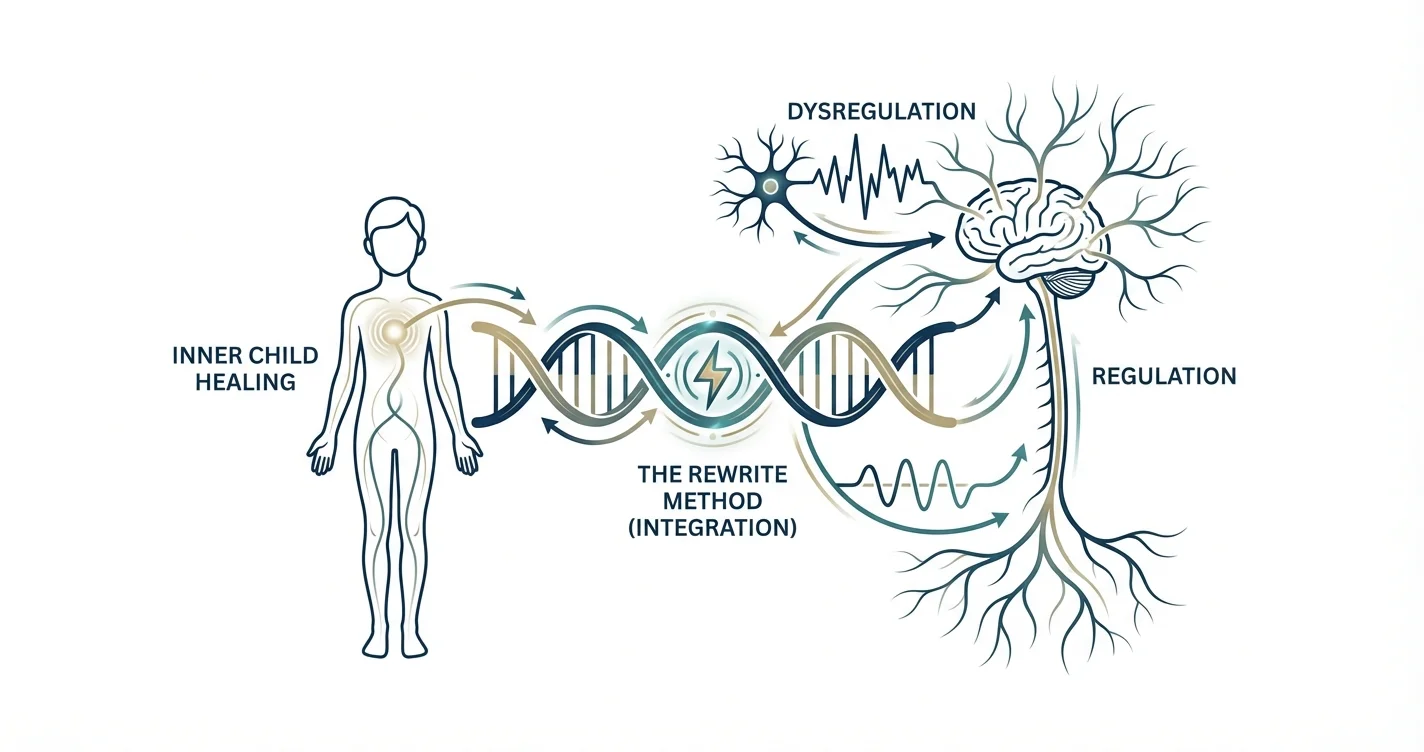

Key Takeaways
- Reconnection with inner child parts: Guided processes help participants identify and communicate with younger
- Nervous system awareness: Training in recognizing signs of activation, shutdown, or dysregulation in real-time
- Regulation techniques: Practical tools for shifting physiological states from hyperarousal or hypoarousal toward
- Reparative experiences: Structured exercises designed to provide what was missing in childhood, creating new neural
- Integration practices: Methods for applying insights and new capacities to current relationships and life situations
Introduction
Many people struggling with unresolved childhood trauma find themselves caught in cycles of emotional dysregulation, relationship difficulties, and persistent anxiety—often without understanding why traditional approaches haven't provided lasting relief. The Rewrite Method program review reveals an integrated approach to inner child healing and nervous system regulation that addresses these interconnected challenges simultaneously. This comprehensive guide examines how the program works, what participants can expect, and how it compares to other inner child healing therapy approaches available today. Based on analysis of practitioner insights and therapeutic frameworks, this article provides an honest assessment of the program's methodology, timeline, and effectiveness for those seeking trauma healing and nervous system recovery.
Understanding Inner Child Healing and Nervous System Regulation
Inner child healing represents a therapeutic approach that helps individuals reconnect with younger parts of themselves that experienced trauma, neglect, or unmet emotional needs. Research in developmental psychology suggests that unresolved childhood experiences can create persistent patterns in adult relationships, emotional responses, and self-perception. Rather than simply understanding these patterns intellectually, inner child work focuses on creating reparative emotional experiences that address the root causes of present-day struggles.
Nervous system regulation refers to the body's ability to manage stress responses and return to a calm, balanced state after experiencing activation. Studies in trauma research indicate that early adverse experiences can alter how the nervous system responds to perceived threats, leading to chronic states of hypervigilance, emotional numbing, or cycling between the two. According to clinical research in trauma therapy, addressing nervous system dysregulation is essential for sustainable healing because cognitive insights alone often fail to change deeply ingrained physiological responses.
The integration of these two approaches recognizes that healing childhood trauma requires both psychological processing and physiological re-patterning. Many trauma-informed practitioners emphasize that working with the nervous system creates the foundation of safety necessary for deeper inner child healing work to occur effectively.
How The Rewrite Method Program Works for Inner Child Healing
The Rewrite Method program is structured as an eight-week course that systematically combines inner child healing with nervous system regulation techniques. Unlike approaches that focus exclusively on talk therapy or somatic work alone, this program integrates both dimensions throughout the process.
Practitioners familiar with the program note that participants typically begin experiencing shifts by the third week, when they start learning to actively calm their nervous systems and develop a sense of safety within their own bodies. This timeline differs from some therapeutic approaches that may take months before individuals notice meaningful changes in their emotional regulation capacity.
The program's structure addresses several core components:
- Reconnection with inner child parts: Guided processes help participants identify and communicate with younger aspects of themselves that hold unresolved emotions and unmet needs
- Nervous system awareness: Training in recognizing signs of activation, shutdown, or dysregulation in real-time
- Regulation techniques: Practical tools for shifting physiological states from hyperarousal or hypoarousal toward balanced engagement
- Reparative experiences: Structured exercises designed to provide what was missing in childhood, creating new neural pathways and emotional patterns
- Integration practices: Methods for applying insights and new capacities to current relationships and life situations
Experts in trauma therapy emphasize that effective inner child work requires establishing nervous system regulation first. When the nervous system remains chronically activated, accessing vulnerable emotional material can become retraumatizing rather than healing. The Rewrite Method's integrated approach addresses this by building regulation skills concurrently with deeper exploratory work.
For those seeking to understand whether The Rewrite Method program actually helps with childhood trauma and nervous system dysregulation, the emphasis on creating felt safety in the body represents a crucial foundation. Research in polyvagal theory and trauma treatment suggests that cognitive understanding of childhood experiences provides limited benefit without corresponding changes in physiological response patterns.
The Rewrite Method Program Versus Other Inner Child Healing Therapy Approaches
When comparing The Rewrite Method program review to other inner child healing therapy approaches, several distinguishing factors emerge. Traditional talk therapy often focuses primarily on understanding childhood experiences cognitively, which may provide insight without substantially changing emotional or physiological patterns. Some individuals spend years in conventional therapy understanding why they struggle without experiencing significant shifts in how they feel or respond.
Somatic therapy approaches concentrate on body-based experiences and nervous system regulation but may not explicitly incorporate inner child healing frameworks. These methods can be highly effective for releasing stored trauma from the body, though some practitioners note that without addressing the relational and developmental aspects of childhood wounding, certain patterns may persist.
Inner child healing workshops and short-term programs often provide powerful experiences and insights but may lack the extended timeframe and systematic structure necessary for sustainable integration. The eight-week duration of The Rewrite Method allows for progressive skill-building and the repetition needed to establish new patterns.
When working with tools like Lovon.app, individuals can complement structured programs with on-demand support for processing emotions as they arise between sessions. This type of accessible resource can help with immediate regulation needs while working through a more comprehensive healing process.
Key differences in The Rewrite Method approach include:
- Dual focus from the beginning: Rather than addressing nervous system regulation and inner child healing sequentially, the program integrates both throughout
- Emphasis on embodiment: Learning to feel safe in the body receives explicit attention alongside psychological processing
- Structured progression: The eight-week format provides a clear pathway rather than open-ended exploration
- Group format considerations: Many offerings include community elements that provide relational healing experiences, though this varies by cohort
Complete guide to The Rewrite Method program for trauma healing emphasizes that the methodology targets deeper transformation rather than surface-level coping strategies. While symptom management techniques can provide temporary relief, practitioners note that addressing the underlying nervous system dysregulation and childhood wounds creates more fundamental change.
Getting Started: The Rewrite Method Program for Beginners
For those new to inner child work and nervous system regulation, The Rewrite Method program for beginners offers a structured entry point that doesn't require previous therapeutic experience. However, understanding what to expect can help individuals determine whether this approach aligns with their current needs and readiness.
Practitioners emphasize that meaningful inner child healing requires willingness to experience uncomfortable emotions. Unlike approaches that focus exclusively on positive thinking or distraction from difficult feelings, this work involves compassionately encountering younger parts of oneself that may carry pain, shame, or fear. The nervous system regulation component provides tools for managing the intensity of these experiences without becoming overwhelmed.
Preparation considerations before beginning include:
- Current stability: While the program addresses trauma, individuals experiencing acute crisis, active substance dependence, or severe dissociative symptoms may need additional support structures in place
- Time commitment: Beyond scheduled program sessions, integration practices require daily attention for maximum benefit
- Emotional capacity: Readiness to feel and process difficult emotions rather than exclusively seeking relief from discomfort
- Support systems: Having additional resources such as a therapist, trusted friends, or tools like Lovon.app for processing between sessions can enhance the experience
The program's emphasis on nervous system regulation makes it more accessible than some inner child approaches that dive directly into traumatic material. By building capacity to manage activation first, participants develop tools that support them as they engage with more vulnerable emotional territory.
Experts in trauma recovery note that healing childhood wounds is not a linear process. Participants may experience periods of clarity and relief alternating with temporary increases in emotional intensity as previously suppressed material surfaces. Understanding this as normal rather than evidence of failure helps individuals navigate the journey more effectively.
For those wondering whether they're ready to begin, mental health professionals generally suggest that if someone can maintain basic daily functioning, has awareness that childhood experiences affect their present life, and feels drawn to this type of work, they likely have sufficient foundation to start with appropriate support.
Effectiveness and What to Expect: Does The Rewrite Method Actually Help
An honest review of The Rewrite Method program effectiveness for inner child healing therapy requires acknowledging both potential benefits and limitations. While individual experiences vary significantly, several factors influence outcomes.
Research in trauma treatment suggests that integrated approaches addressing both psychological and physiological dimensions tend to produce more sustainable results than single-modality interventions. The combination of inner child healing and nervous system regulation aligns with evidence-based understanding of how trauma affects multiple systems simultaneously.
Practitioners report that participants commonly experience:
- Increased emotional awareness: Greater ability to identify and name feelings as they arise
- Improved self-regulation: Enhanced capacity to calm activation and return to baseline more quickly after stress
- Relationship pattern recognition: Clearer understanding of how childhood experiences influence current relational dynamics
- Reduced reactivity: Less intense or prolonged emotional reactions to triggers
- Greater self-compassion: Ability to respond to personal struggles with understanding rather than harsh judgment
However, several important limitations deserve consideration. The eight-week timeframe provides a strong foundation but typically does not resolve deeply rooted trauma completely. Many individuals find that the program initiates a healing process that continues long after the structured component ends. Like physical rehabilitation after injury, trauma recovery generally requires ongoing practice and integration.
The program's effectiveness also depends significantly on individual factors including:
- Type and severity of childhood trauma: Single-incident difficulties may resolve more quickly than complex, prolonged developmental trauma
- Current life stability: Ongoing traumatic stress can interfere with processing past experiences
- Engagement level: Active participation in practices between sessions substantially affects outcomes
- Individual nervous system patterns: Some people's systems respond more readily to regulation techniques than others
Research in psychotherapy outcomes indicates that no single approach works universally for all individuals. Some people resonate strongly with inner child frameworks while others find different trauma modalities more accessible. The structured nature of the program benefits those who appreciate clear guidance, while individuals preferring more exploratory or open-ended approaches may find it constraining.
For those seeking additional support alongside structured programs, accessible resources that provide on-demand processing can complement intensive work. The capacity to address emotional activation as it occurs in daily life supports integration of program insights into real-world situations.
When to Seek Professional Help
While programs focused on inner child healing and nervous system regulation can provide valuable tools and insights, certain situations require direct professional mental health support. Consider seeking help from a licensed therapist, particularly one specializing in trauma, if you experience:
- Functional impairment: Difficulty maintaining employment, relationships, or basic self-care due to emotional dysregulation
- Safety concerns: Thoughts of self-harm, suicide, or harming others
- Severe dissociation: Frequent time loss, significant memory gaps, or feeling disconnected from reality
- Substance dependence: Using alcohol or drugs to manage emotional pain
- Worsening symptoms: Increasing anxiety, depression, or trauma responses despite self-help efforts
- Complex trauma history: Severe abuse, neglect, or multiple traumatic experiences that feel overwhelming to address without professional guidance
Mental health professionals such as trauma-specialized therapists, psychologists, or clinical social workers can provide individualized assessment and treatment planning. Approaches like EMDR, Somatic Experiencing, Internal Family Systems, and trauma-focused cognitive behavioral therapy offer evidence-based frameworks delivered by trained practitioners.
Self-directed programs and healing resources work best as complements to—rather than replacements for—professional treatment when dealing with significant trauma histories or mental health conditions.
Conclusion
This comprehensive review of The Rewrite Method program for inner child healing and nervous system regulation reveals an integrated approach that addresses both psychological and physiological dimensions of childhood trauma recovery. The eight-week structured format provides systematic skill-building in regulation techniques while facilitating reconnection with wounded younger parts of self. While individual outcomes vary based on trauma history, engagement level, and personal circumstances, the program's dual focus aligns with current understanding of effective trauma treatment.
For those wondering whether The Rewrite Method program actually helps with childhood trauma and nervous system dysregulation, the evidence suggests it can provide valuable foundation and tools, though complete healing from complex trauma typically requires ongoing practice beyond any single program. The approach offers particular value for individuals seeking structured guidance in inner child work combined with practical nervous system regulation skills.
Whether beginning with a comprehensive program like The Rewrite Method, working with professional therapists, or utilizing accessible support tools, the journey of healing childhood wounds requires patience, self-compassion, and often multiple complementary approaches. The most effective path forward involves choosing resources that resonate personally while maintaining realistic expectations about the gradual, non-linear nature of trauma recovery.
Disclaimer: This is general information, not medical advice or diagnosis. If symptoms are severe, affecting your daily life, or you're having thoughts of self-harm—seek professional help. In the US: call or text 988 (Suicide & Crisis Lifeline). For immediate danger: 911 or local emergency services.
How AI Support Helps You Heal
AI emotional support isn't about replacing human connection — it's about filling the gaps. The moments when you need to talk at 2 AM, when you don't want to burden your friends again, or when you simply need someone to listen without judgment.
Here's what happens in a typical Lovon session:
You share what's on your mind
There's no script, no intake form, no waiting room. You speak or type whatever you're feeling — in your own words, at your own pace.
Lovon validates and explores
Using frameworks from CBT (Cognitive Behavioral Therapy) and motivational interviewing, Lovon acknowledges your feelings first, then gently helps you explore them. No dismissive "just move on" advice.
You build coping skills together
Lovon doesn't just listen — it actively works with you on evidence-based techniques: thought reframing, urge surfing, behavioral experiments, and more.
What a Session with Lovon Looks Like

Lovon is AI support, not a replacement for professional care. If things have been hard to get through for weeks, or you are thinking about harming yourself, talk to a doctor or a licensed therapist.
Ready to Start?
Your healing journey can begin right now
A 7-day trial. No judgment. Just a safe space to process what you're going through.
Frequently Asked Questions
Is Lovon a replacement for a real therapist?
Is my conversation with Lovon AI private?
How is Lovon different from ChatGPT for emotional support?
Can I use Lovon if I'm already seeing a therapist?
Can I try Lovon before subscribing?
About the Author

The Lovon Editorial Team
Mental Health & Wellness Content Team
The Lovon Editorial Team develops mental health and wellness content designed to make psychological concepts accessible and actionable. Our goal is to bridge the gap between clinical research and everyday life - helping you understand why your mind works the way it does and what you can do about it....
Related articles
- AI Therapy for Anger Management: Worth It in 2026?
AI therapy for anger management in 2026: what to look for, top picks with verdicts, and when to use a licensed program…
- How to Regulate Nervous System Trauma with Somatic Practices
When trauma lives in the body, words alone often aren't enough to heal it. Traditional talk therapy can provide valuable…
- EMDR Therapy Using Bilateral Stimulation for Trauma Memory Processing
EMDR Therapy Using Bilateral Stimulation for Trauma Memory Processing
- EMDR in Trauma Therapy — Francine Shapiro Method Integration in Clinical Practice
Eye Movement Desensitization and Reprocessing (EMDR) represents one of the most significant developments in trauma…
See also
Quizzes
- Emotion Regulation Test: Can You Bring a Feeling Down?
See how your feelings rise and settle, in 3 minutes.
- Perfectionism Test: What Are Your Standards Costing?
See what your standards actually cost, in 3 minutes.
Free tools
- Words of Encouragement for Him When He Is Struggling
Words of encouragement for him that fit what he is actually going through, for when your usual lines are not landing…
- How to Reconnect With an Old Friend
A chat for how to reconnect with an old friend, starting with the text you have been meaning to send for a year. Tell it…
From the wiki
- What does it mean when you dream about your ex?
Dreaming about your ex usually reflects emotional processing, not prophecy and not a message from them. Your sleeping…
Disclaimer: This article is for informational purposes only and does not constitute medical advice, diagnosis, or treatment. Always seek the advice of your physician or other qualified health provider with any questions you may have regarding a medical condition. If you are in crisis or think you may have an emergency, call 988 (Suicide & Crisis Lifeline) or go to the nearest emergency room. Outside the US? Find a crisis line in your country.