
Understanding Amygdala Emotional Hijacking and How to Regain Control
Amygdala emotional hijacking occurs when your brain's emotional response system overrides rational thinking in fractions of a second, leaving you feeling...

Key Takeaways
- Sudden changes in heart rate or feeling your heart pounding
- Muscle tension, particularly in shoulders, jaw, or fists
- Changes in breathing pattern—becoming rapid, shallow, or held
- Facial flushing or feeling sudden heat
- Stomach tightness or nausea
Introduction
Amygdala emotional hijacking occurs when your brain's emotional response system overrides rational thinking in fractions of a second, leaving you feeling out of control during moments of stress or perceived threat. Whether it's snapping at a loved one over a minor inconvenience, feeling paralyzed during an important presentation, or having an outsized reaction to criticism at work, these moments of losing control are more than just "losing your temper"—they're neurological events that follow predictable patterns.
Understanding how amygdala hijack works isn't just academically interesting—it's practically essential for anyone navigating high-stakes relationships, demanding careers, or challenging emotional landscapes. This article explores the neuroscience behind emotional hijacking, how to recognize when it's happening, and evidence-based strategies to regain control during and after these intense moments. Based on insights from emotional intelligence research and practical therapeutic approaches, we'll examine actionable techniques you can implement starting today.
What Happens During Amygdala Emotional Hijacking
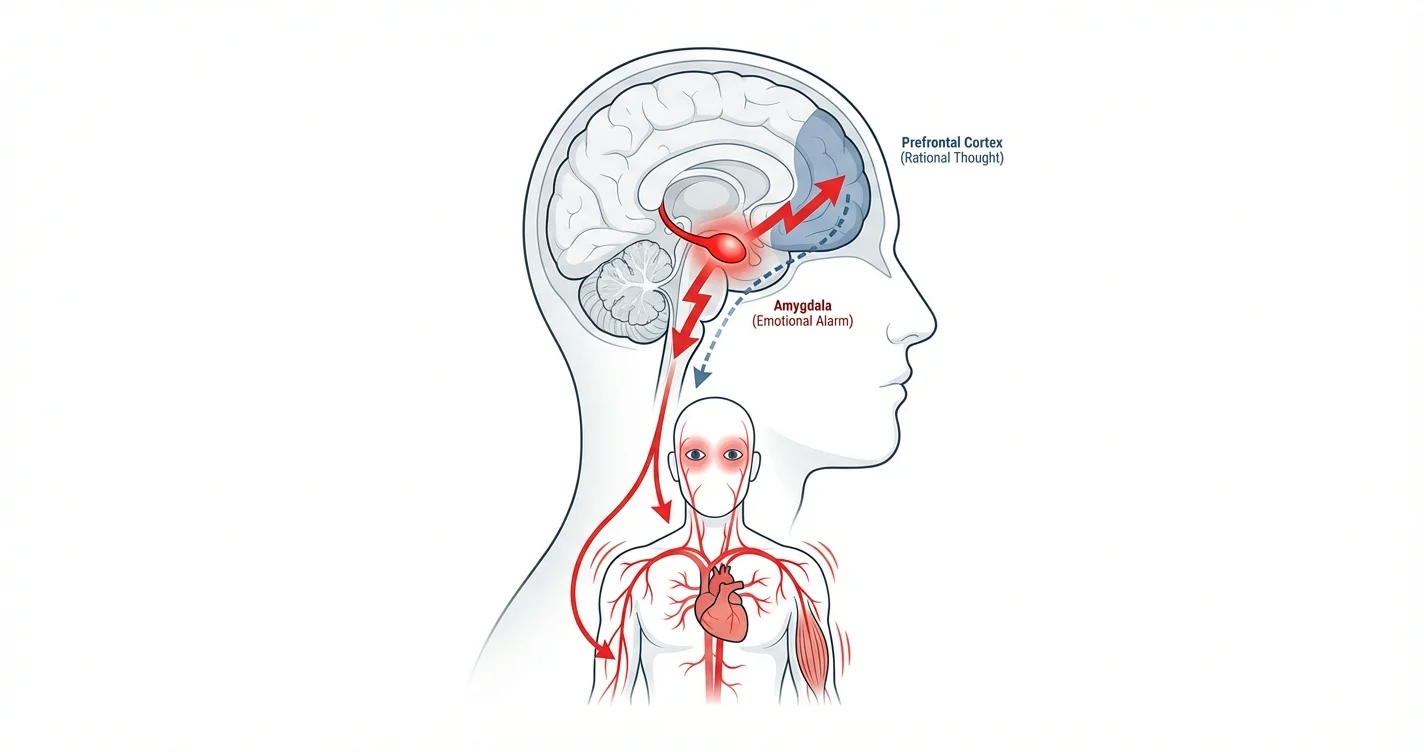
The amygdala, an almond-shaped structure deep within the brain's temporal lobe, functions as your emotional alarm system. Research in neuroscience suggests that the amygdala processes emotional stimuli remarkably quickly—often before your conscious, rational mind has time to assess the situation. During an emotional hijack, this rapid-response system essentially bypasses the prefrontal cortex, the brain region responsible for logical thinking, judgment, and impulse control.
When the amygdala perceives a threat—whether physical danger or psychological stress like criticism or rejection—it triggers an immediate physiological cascade. Your body releases stress hormones including adrenaline within seconds, preparing you for fight, flight, or freeze responses. Heart rate increases, muscles tense, and blood flow redirects away from areas supporting complex thinking toward systems needed for immediate survival.
The critical detail about amygdala hijack is timing. The emotional response activates so rapidly that you may already be raising your voice, walking out of a room, or shutting down emotionally before your rational mind catches up to question whether the response matches the actual threat level. Neuroimaging studies indicate this processing speed difference means your emotional brain reacts before your thinking brain can intervene—which explains why these reactions often feel involuntary or surprising even to yourself.
What makes emotional hijacking particularly challenging in modern life is that the amygdala evolved to detect physical threats but responds similarly to psychological ones. Your brain may react to a critical email from your boss with the same alarm intensity it would to a genuinely dangerous situation, even though the actual risk to your wellbeing differs dramatically.
Recognizing the Signs of Amygdala Hijack
Identifying when you're experiencing emotional hijacking is the essential first step toward managing it effectively. The physiological signals typically appear before you consciously register the emotional shift, which is why developing body awareness becomes crucial.
Physical indicators of amygdala hijack include:
- Sudden changes in heart rate or feeling your heart pounding
- Muscle tension, particularly in shoulders, jaw, or fists
- Changes in breathing pattern—becoming rapid, shallow, or held
- Facial flushing or feeling sudden heat
- Stomach tightness or nausea
- Tunnel vision or difficulty focusing on surroundings
Cognitive and emotional signs include:
- All-or-nothing thinking ("This always happens" or "They never listen")
- Difficulty accessing memories or thinking clearly
- Feeling disconnected from yourself or the situation
- Overwhelming urge to act immediately without considering consequences
- Intense emotional reactions that feel disproportionate later
Understanding these signals creates what psychologists call "meta-awareness"—the ability to observe your own mental and emotional state. People with developed emotional intelligence skills learn to recognize these early warning signs as data rather than directives for action. Rather than interpreting the racing heart as confirmation that something terrible is happening, they recognize it as a signal that their threat-detection system has activated and may need recalibration.
One sophisticated approach involves distinguishing between the initial emotional flash—which happens automatically—and your response to that flash, which you can influence with practice. The first surge of anger, fear, or defensiveness during amygdala hijack may be unavoidable, but recognizing it as a neurological event rather than an accurate assessment of reality creates space for different choices.
The Connection Between Emotional Hijacking and Relationship Patterns
Amygdala emotional hijacking doesn't occur in isolation—it often follows patterns shaped by your history, attachment experiences, and learned emotional responses. Understanding these patterns provides insight into why certain situations trigger hijacks while others don't, and why different people react differently to similar stressors.
Repeated emotional hijacks around specific themes—criticism, abandonment concerns, control issues, or perceived disrespect—often point to deeper sensitivities developed through past experiences. When similar situations repeatedly trigger disproportionate reactions, the amygdala has essentially learned to tag those circumstances as high-threat based on previous experiences, even when current situations differ significantly from past ones.
In relationships, amygdala hijack can create destructive cycles. One partner's emotional reaction triggers the other's threat response, leading to escalating intensity where both people feel simultaneously attacked and defensive. These patterns can become deeply entrenched, with each person's nervous system becoming sensitized to specific triggers from the other. What starts as a minor disagreement about household tasks can rapidly escalate into a full-blown conflict when both amygdalas activate in response to perceived threats to respect, fairness, or connection.
Research suggests that individuals who interpret relationship needs as long-term balancing acts rather than all-or-nothing propositions experience fewer emotional hijacks in intimate relationships. This perspective allows for disappointments and conflicts without triggering catastrophic threat responses. When someone views a single disagreement as data about a specific moment rather than definitive proof of relationship doom, their amygdala receives fewer alarm signals.
Tools like Lovon.app can provide valuable support for processing these patterns, particularly when you need to work through an emotional hijack that occurred in a relationship. Speaking through what happened with an AI therapist available on-demand allows you to explore your reactions, identify triggers, and develop strategies for different responses—often more immediately accessible than scheduling traditional therapy sessions.
Strategies to Prevent and Manage Amygdala Hijack
While you cannot completely eliminate emotional hijacking—it's a fundamental feature of human neurology—you can significantly reduce its frequency and intensity through deliberate practice and strategy.
Immediate intervention techniques during hijack:
Creating physical distance from the triggering situation ranks among the most effective immediate interventions. When you notice hijack symptoms, removing yourself from the environment—even briefly—interrupts the escalation cycle. Taking a walk, stepping outside, or moving to a different room gives your prefrontal cortex time to come back online. Research indicates that the intense physiological activation of amygdala hijack typically begins subsiding within several minutes when the triggering stimulus is removed, though complete recovery of full cognitive function may take longer.
Engaging your body through movement helps metabolize stress hormones. Physical activity—walking, stretching, or even vigorous exercise—provides an outlet for the fight-or-flight energy your body prepared. This isn't just stress relief; it's completing the physiological cycle your nervous system initiated.
Controlled breathing techniques work because they activate the parasympathetic nervous system, which counteracts the sympathetic activation of hijack. Extending exhales longer than inhales—such as breathing in for four counts and out for six—signals safety to your nervous system. The key is making this practice routine before hijacks occur, so the technique feels accessible during high-stress moments.
Long-term prevention strategies:
Developing emotional awareness between hijacks builds the foundation for better regulation during them. Regular practices that increase body awareness—such as mindfulness meditation, yoga, or simply periodic check-ins with your physical and emotional state—strengthen your ability to notice early warning signs before hijacks reach full intensity.
Identifying your specific trigger patterns through reflection or journaling reveals predictable vulnerabilities. When you recognize that criticism at work consistently triggers hijacks while criticism from friends doesn't, or that conflicts about money activate stronger responses than conflicts about schedules, you can develop targeted strategies for your particular sensitivities.
Reframing how you interpret triggering situations changes whether your amygdala tags them as threats. People with high emotional intelligence often interpret criticism as potentially useful information rather than personal attacks. This doesn't mean forcing positivity or suppressing legitimate concerns—it means expanding your interpretive options beyond worst-case scenarios. When someone's late arrival could mean either disrespect or unexpected traffic, choosing to gather more information before concluding "threat" reduces unnecessary hijacks.
Working with challenging situations when you're regulated builds capacity for handling them when you're not. Processing difficult conversations or emotional situations with support—whether through therapy, supportive relationships, or accessible tools like Lovon.app—helps your nervous system learn that these situations are manageable rather than catastrophic. This gradual desensitization reduces the intensity of future amygdala responses.
Building Emotional Intelligence to Reduce Hijack Frequency
The relationship between emotional intelligence and amygdala hijacking is bidirectional: developing emotional intelligence skills reduces hijack frequency, while managing hijacks effectively builds emotional intelligence. People with developed emotional intelligence demonstrate specific thinking patterns and approaches that keep their threat-detection systems better calibrated.
Staying open to being wrong without becoming indecisive represents a sophisticated cognitive skill that reduces hijack vulnerability. When you can hold your perspective as potentially incomplete rather than absolutely certain, disagreements trigger less intense threat responses. Your sense of self isn't at stake in every difference of opinion, so your amygdala receives fewer alarm signals. This doesn't mean constant self-doubt—it means distinguishing between core values worth defending and preferences worth discussing.
Viewing relationship difficulties as ongoing negotiations rather than binary success/failure situations similarly reduces hijack frequency. Long-term relationships inevitably involve conflicting needs, changing circumstances, and imperfect solutions. When you expect this complexity and view it as normal rather than catastrophic, individual conflicts trigger less intense emotional responses. Your amygdala learns that disagreement doesn't equal relationship destruction.
Differentiating between productive caution and paralytic anxiety helps guide appropriate responses. Some emotional signals provide valuable information about genuine risks or misalignments that deserve attention. The goal isn't eliminating emotional responses but developing discernment about which emotions signal useful data versus which reflect overactive threat detection. This distinction typically becomes clearer with practice and reflection, particularly when you examine past situations where your initial emotional response either matched or mismatched the actual circumstances.
When to Seek Professional Help
While occasional emotional hijacks are normal human experiences, certain patterns indicate professional support could be beneficial. If emotional hijacks occur frequently enough to disrupt your daily functioning, damage important relationships, or create consequences at work, these patterns deserve attention beyond self-help strategies.
Consider seeking professional support if:
- Emotional hijacks occur multiple times per week with increasing intensity
- You've damaged important relationships through reactions during hijacks
- You experience intense shame, confusion, or distress about your emotional reactions
- You notice hijacks linked to traumatic experiences or unresolved past events
- Self-regulation strategies you've tried don't produce improvement over several weeks
- You're concerned about your ability to control impulses during emotional intensity
Mental health professionals specializing in emotion regulation, trauma, or dialectical behavior therapy (DBT) can provide structured skill-building specifically designed for managing intense emotional responses. For individuals whose emotional hijacking relates to trauma history, specialists in trauma-focused therapies can address underlying factors that sensitize the threat-detection system.
Between therapy sessions or while considering professional support, accessible options like Lovon.app provide immediate outlets for processing emotional experiences. Being able to talk through what triggered a hijack, explore your reactions, and identify patterns can complement professional treatment or provide valuable insight while you're deciding next steps.
Conclusion
Understanding amygdala emotional hijacking transforms these intense moments from shameful loss of control into predictable neurological events you can learn to manage. While you cannot prevent your threat-detection system from activating—it evolved over millennia to protect you—you can develop awareness of your patterns, implement strategies to reduce hijack frequency, and recover more quickly when hijacks occur.
The key insights involve recognizing early warning signs in your body, creating space between emotional activation and behavioral response, and building long-term practices that keep your nervous system better regulated. Emotional hijacks become less frequent and less intense when you interpret triggering situations with nuance rather than catastrophe, stay open to information that challenges your initial reactions, and view emotional challenges as opportunities to build capacity rather than evidence of personal failure.
Managing amygdala hijack is fundamentally a skill developed through practice, reflection, and often support from others. Whether through professional therapy, trusted relationships, or accessible tools that help you process experiences in real-time, having resources to explore your emotional patterns accelerates your learning. The goal isn't perfect emotional control—which is neither possible nor desirable—but rather developing a more flexible, responsive relationship with your emotions that serves your wellbeing and relationships.
Disclaimer: This is general information, not medical advice or diagnosis. If symptoms are severe, affecting your daily life, or you're having thoughts of self-harm—seek professional help. In the US: call or text 988 (Suicide & Crisis Lifeline). For immediate danger: 911 or local emergency services.
How AI Support Helps You Heal
AI emotional support isn't about replacing human connection — it's about filling the gaps. The moments when you need to talk at 2 AM, when you don't want to burden your friends again, or when you simply need someone to listen without judgment.
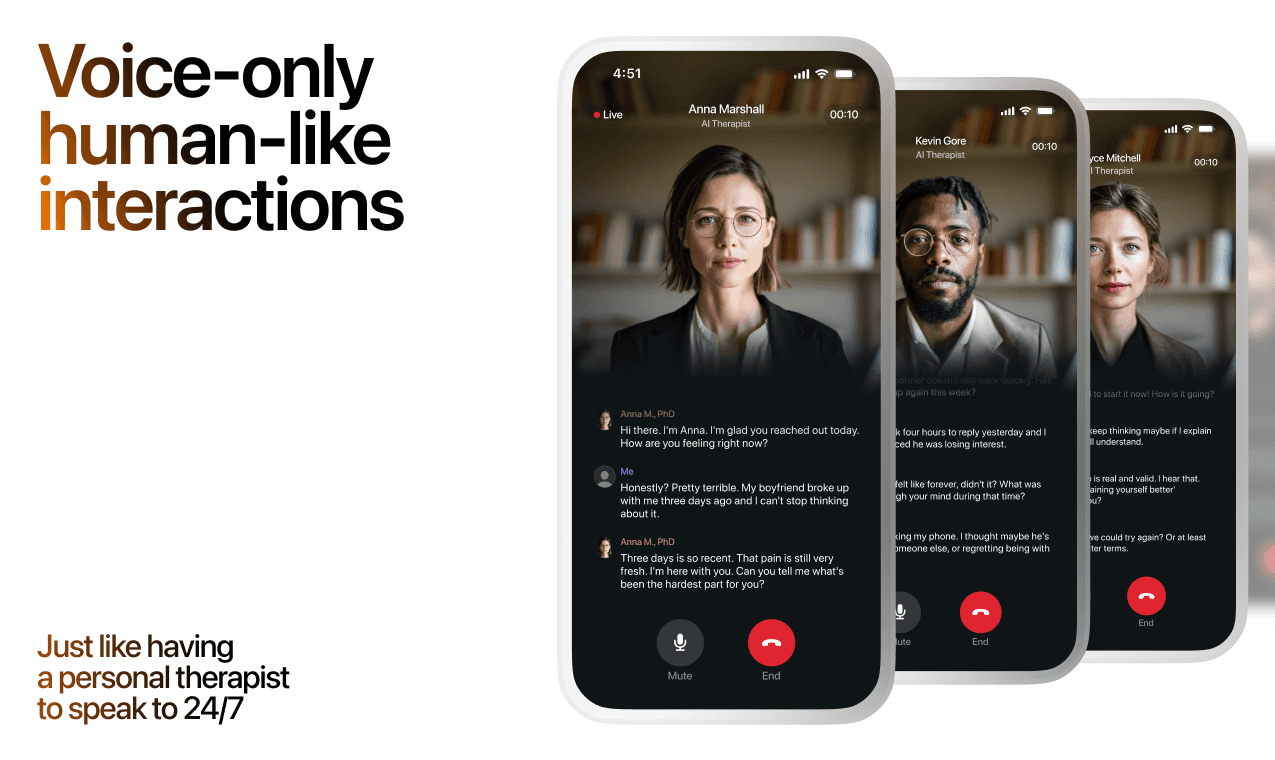
Here's what happens in a typical Lovon session:
You share what's on your mind
There's no script, no intake form, no waiting room. You speak or type whatever you're feeling — in your own words, at your own pace.
Lovon validates and explores
Using frameworks from CBT (Cognitive Behavioral Therapy) and motivational interviewing, Lovon acknowledges your feelings first, then gently helps you explore them. No dismissive "just move on" advice.
You build coping skills together
Lovon doesn't just listen — it actively works with you on evidence-based techniques: thought reframing, urge surfing, behavioral experiments, and more.
What a Session with Lovon Looks Like
When to Seek Professional Help
AI support is a valuable tool, but it's not a replacement for professional care. Please consider reaching out to a licensed therapist if you experience any of the following:
- Persistent thoughts of self-harm or suicide
- Inability to perform daily activities (work, eating, sleeping) for more than 2 weeks
- Turning to alcohol or substances to cope
- Intense anger or desire to harm your ex-partner
- Complete emotional numbness that doesn't improve over time
Crisis Resources (US): If you're in immediate danger, call 988 (Suicide & Crisis Lifeline) or text HOME to 741741 (Crisis Text Line). Available 24/7, free, and confidential.
Outside the US? Find a crisis line in your country
Ready to Start?
Your healing journey can begin right now
A 7-day trial. No judgment. Just a safe space to process what you're going through.
Frequently Asked Questions
Is Lovon a replacement for a real therapist?
Is my conversation with Lovon AI private?
How is Lovon different from ChatGPT for emotional support?
Can I use Lovon if I'm already seeing a therapist?
Can I try Lovon before subscribing?
About the Author

The Lovon Editorial Team
Mental Health & Wellness Content Team
The Lovon Editorial Team develops mental health and wellness content designed to make psychological concepts accessible and actionable. Our goal is to bridge the gap between clinical research and everyday life - helping you understand why your mind works the way it does and what you can do about it....
Related articles
- Decision Paralysis and the Pull of Default Choices
Decision paralysis occurs when the fear of making the wrong choice becomes so overwhelming that we freeze entirely. In…
- How to Use Gradual Exposure to Tolerate Uncertainty and Emotional Discomfort
Learning how to use gradual exposure to tolerate uncertainty and emotional discomfort represents one of the most…
- Polyvagal Theory by Stephen Porges for Understanding Stress
When you feel your heart race during a tense conversation, or notice yourself shutting down emotionally after an…
- Amygdala Reactivity Reduction Through Evidence-Based Techniques
The amygdala, a small almond-shaped structure deep within the brain, acts as your neurological alarm system—constantly…
See also
Quizzes
- Emotional Intelligence Test: Your EQ in a Relationship
Find where your EQ slips when things get tense.
- Pet Loss Check: Free 12-Question Pet Grief Self-Check
See what losing them is actually doing, in 3 minutes.
Free tools
- Write a Letter to Someone You Lost
Tell it who they were to you and what you never got to say, and it writes the letter back in your words. No account, no…
- What Did They Actually Mean By That?
A chat for one sentence you cannot stop re-reading. Paste their exact words and what was happening around them, and get…
From the wiki
- What does it mean when you dream about your ex?
Dreaming about your ex usually reflects emotional processing, not prophecy and not a message from them. Your sleeping…
Disclaimer: This article is for informational purposes only and does not constitute medical advice, diagnosis, or treatment. Always seek the advice of your physician or other qualified health provider with any questions you may have regarding a medical condition. If you are in crisis or think you may have an emergency, call 988 (Suicide & Crisis Lifeline) or go to the nearest emergency room. Outside the US? Find a crisis line in your country.