
Codependency Quiz 2026: Are You Losing Yourself? Verdict
Take the codependency quiz that separates love from over-responsibility. Get scoring criteria, top picks, and next steps for 2026 — no diagnosis required.

Key Takeaways
- Quizzes that score "I do things for my partner" as automatically codependent. Generosity isn't a symptom. The real
- One-word labels with no scoring breakdown. "You're codependent" tells you nothing useful. Look for quizzes that
- Anything that tells you to leave the relationship based on a quiz result. A score is a starting point for
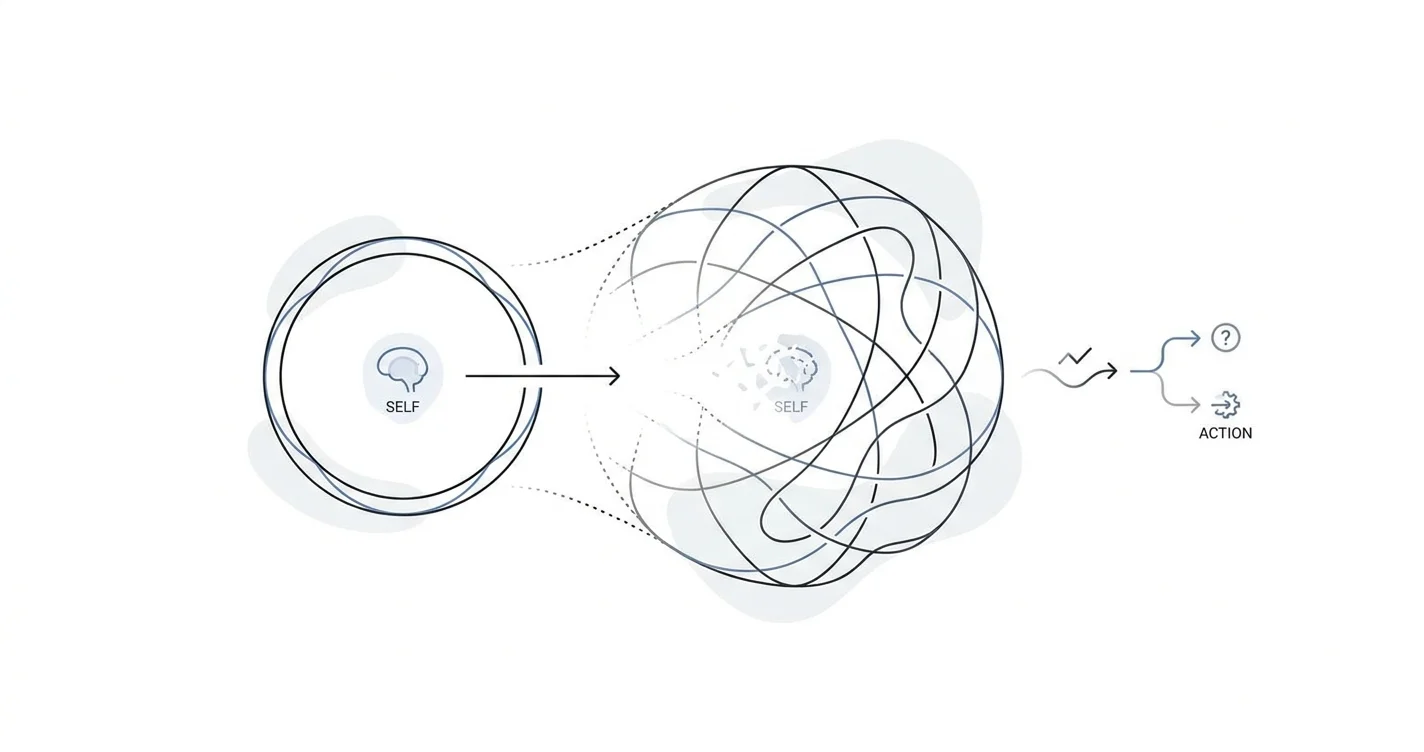
You feel guilty when your partner is upset, even when it isn't your fault, and you've stopped noticing where their needs end and yours begin. A codependency quiz can't replace a clinician, but the right one can put a name on a pattern you've been feeling for months.
TL;DR
A codependency quiz measures over-responsibility, boundary erosion, and self-abandonment in a relationship — not just "loving too much." The Am I Codependent Quiz from Lovon is the fastest, clearest starting point in 2026 if you want a direct signal in under two minutes: Buy. Pair it with an attachment-style check to understand why the pattern formed, and treat any single quiz result as a flag to explore, not a diagnosis to accept.
Why This Matters
Codependency isn't a clinical diagnosis in the DSM, but the pattern is real and well documented in relationship therapy: chronic caretaking, fear of conflict, identity built around a partner's moods. Left unchecked, it shows up as exhaustion, resentment, and a slow loss of your own preferences — what you want to eat, watch, or do on a weekend starts to disappear.
A good self-check quiz surfaces the specific behaviors (checking their phone mood before deciding your own, apologizing for things that aren't yours) instead of vague labels. If you want to understand how this differs from a healthy attachment pattern, the attachment style quiz is a useful second data point — codependency and anxious attachment overlap but aren't identical.
Who This Is For
This is for anyone who reads "losing yourself in a relationship" and feels a jolt of recognition — the partner who plans their whole day around someone else's mood, the person who hasn't picked a movie in a year because they always defer, the one who feels responsible for fixing their partner's bad days. It's also for people newly out of a relationship who are trying to figure out if what they called "devotion" was actually self-erasure.
It is not a tool for diagnosing your partner. Quizzes measure your own patterns, and turning one into a weapon in an argument defeats the point entirely.
What To Look For In A Codependency Quiz Before You Trust The Result
It separates love from over-responsibility
A quiz that scores "I care about my partner's feelings" as codependent is badly built — caring is normal. The useful version asks whether you feel responsible for fixing those feelings, which is a different and more telling question.
It scores boundary erosion, not just people-pleasing
People-pleasing and codependency overlap but aren't the same thing. Look for questions about saying no, tolerating discomfort, and whether you've given up hobbies, friendships, or opinions to keep the peace.
It accounts for family-of-origin patterns
Most codependent patterns start in childhood homes with addiction, conflict, or role reversal, where a kid learned that managing someone else's emotions kept things stable. A quiz that ignores this context misses half the picture.
It distinguishes codependency from enmeshment
Codependency is a relational habit; enmeshment is a lack of separate identity within a family or partnership. The two get conflated constantly, and knowing which one you're dealing with changes what you actually need to work on.
It gives you a next step, not just a score
A number with no direction is a dead end. The better quizzes point you toward a specific action — setting one boundary this week, naming one need out loud — instead of leaving you with a label and nowhere to go.
It's honest about its own limits
No online quiz replaces a licensed clinician, and any tool that claims to "diagnose" you in 2026 should be treated with suspicion. The honest ones say clearly: this flags a pattern worth exploring, not a verdict.
Top Picks
The Direct Check — Am I Codependent Quiz A 2-minute self-check built around specific behaviors rather than vague feelings. It's the fastest way to get an actual signal instead of guessing, and it's the right first stop if you searched "codependency quiz" today. Buy.
The Clarifying Pick — Codependency vs. Love This one answers the question underneath the quiz: is this devotion or is this fear? It walks through the specific line between healthy commitment and self-abandonment, which most quizzes skip entirely. Buy.
The Family-Pattern Pick — Enmeshment in Relationships If your score is high but the quiz felt like it was describing your childhood home more than your relationship, this is the one to read next. It untangles codependency from the broader enmeshment pattern that often causes it. Consider.
The Attachment Cross-Check — Attachment Style Quiz Already mentioned above, and worth a second mention here: pairing your codependency score with your attachment style explains why the pattern formed, not just that it exists. Consider.
The Action Pick — How to Stop Being Codependent Once you have a score, this is where the actual work starts — practical steps for setting the first boundary and tolerating the discomfort that follows it. Skip the quiz-and-forget cycle and go here next. Buy.
What To Avoid
- Quizzes that score "I do things for my partner" as automatically codependent. Generosity isn't a symptom. The real marker is resentment or fear underneath the giving.
- One-word labels with no scoring breakdown. "You're codependent" tells you nothing useful. Look for quizzes that break the score into categories like boundaries, identity, and guilt.
- Anything that tells you to leave the relationship based on a quiz result. A score is a starting point for reflection, not a directive. Big relationship decisions in 2026 deserve more than a 10-question online tool.
Verdict Comparison
| Pick | Time | What It Measures | Best For | Verdict |
|---|---|---|---|---|
| Am I Codependent Quiz | 2 min | Direct behavior patterns | First-time self-check | Buy |
| Codependency vs. Love | 5 min read | Conceptual clarity | Untangling guilt from love | Buy |
| Enmeshment Guide | 6 min read | Family-of-origin roots | High scorers with family history | Consider |
| Attachment Style Quiz | 2 min | Root-cause attachment pattern | Understanding the "why" | Consider |
| How to Stop Being Codependent | 7 min read | Practical next steps | Turning a score into action | Buy |
FAQ
What is a codependency quiz and how accurate is it? A codependency quiz is a self-assessment that scores patterns like over-responsibility, boundary erosion, and fear of conflict in a relationship. Accuracy depends on question quality — a well-built quiz flags a pattern worth exploring, it doesn't diagnose you.
Is codependency the same as being in love? No. Love involves care and commitment; codependency involves fear-driven caretaking where your sense of self depends on managing your partner's emotions. The overlap confuses a lot of people, which is why quizzes that separate the two matter.
Can an AI quiz diagnose codependency? No tool, AI or otherwise, can clinically diagnose codependency, since it isn't a formal DSM category to begin with. A quiz can highlight patterns strongly enough to prompt a conversation with a therapist or a closer look at your relationship.
How long does a codependency quiz take? Most quizzes worth your time run 2 to 5 minutes, covering 10 to 20 questions on boundaries, guilt, and identity loss. Anything longer usually isn't adding meaningful signal.
What's the difference between codependency and anxious attachment? Anxious attachment is a broader relational style rooted in fear of abandonment; codependency is a specific behavior pattern of over-functioning for someone else at your own expense. They frequently coexist but aren't interchangeable terms.
Can you stop being codependent? Yes — codependent patterns are learned, usually early, which means they can be unlearned through boundary-setting practice and, often, professional support. Progress tends to be gradual rather than instant, measured in small boundary wins over weeks, not overnight.
Should I take a codependency quiz with my partner? Take it on your own first. Comparing scores or using results as ammunition in a disagreement turns a reflection tool into a weapon, which defeats the purpose entirely.
Do I need therapy if I score high on a codependency quiz? A high score is a strong signal to talk to someone, whether that's a licensed therapist or an AI-based option like Lovon for between-session support — not a mandate, but a reasonable next step. Lovon's AI voice sessions are built with input from PhD psychologists and can help you talk through a high score the same day you get it, though it isn't a replacement for licensed clinical care.
One Last Thing
A high codependency score doesn't mean something is broken in you — it means a pattern got learned somewhere, probably early, and learned patterns are the ones most open to change. The people who make progress fastest in 2026 aren't the ones who score lowest on the first quiz. They're the ones who take the score, read one guide on what it actually means, and set one boundary this week instead of waiting to feel ready.
How AI Support Helps You Heal
AI emotional support isn't about replacing human connection — it's about filling the gaps. The moments when you need to talk at 2 AM, when you don't want to burden your friends again, or when you simply need someone to listen without judgment.
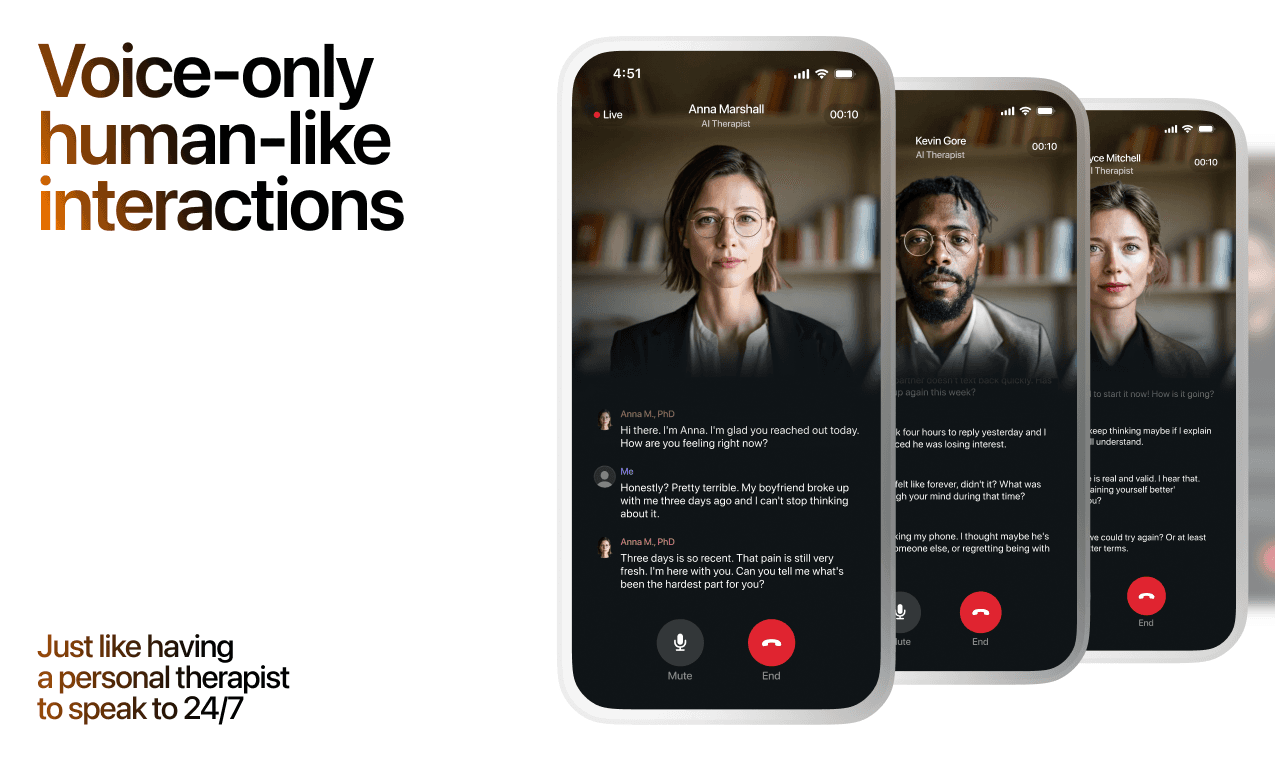
Here's what happens in a typical Lovon session:
You share what's on your mind
There's no script, no intake form, no waiting room. You speak or type whatever you're feeling — in your own words, at your own pace.
Lovon validates and explores
Using frameworks from CBT (Cognitive Behavioral Therapy) and motivational interviewing, Lovon acknowledges your feelings first, then gently helps you explore them. No dismissive "just move on" advice.
You build coping skills together
Lovon doesn't just listen — it actively works with you on evidence-based techniques: thought reframing, urge surfing, behavioral experiments, and more.
What a Session with Lovon Looks Like
Lovon is AI support, not a replacement for professional care. If things have been hard to get through for weeks, or you are thinking about harming yourself, talk to a doctor or a licensed therapist.
Ready to Start?
Your healing journey can begin right now
A 7-day trial. No judgment. Just a safe space to process what you're going through.
Frequently Asked Questions
Is Lovon a replacement for a real therapist?
Is my conversation with Lovon AI private?
How is Lovon different from ChatGPT for emotional support?
Can I use Lovon if I'm already seeing a therapist?
Can I try Lovon before subscribing?
About the Author
The Lovon Editorial Team
Mental Health & Wellness Content Team
The Lovon Editorial Team develops mental health and wellness content designed to make psychological concepts accessible and actionable. Our goal is to bridge the gap between clinical research and everyday life - helping you understand why your mind works the way it does and what you can do about it....
Related articles
- Self-Compassion When You Hate Yourself: 2026 Steps
Practicing self-compassion when you hate yourself starts with naming the voice, not silencing it. Get the 2026…
- Chronic Guilt: Why You Feel Guilty All the Time (2026)
Chronic guilt runs even when you've done nothing wrong. Learn the 6 steps to identify its root cause and break the cycle…
- Emotionally Immature Parents Boundaries That Hold in 2026
Set boundaries with emotionally immature parents in 2026 using scripted limits, exit lines, and follow-through steps…
- Rebuild Self-Esteem After a Toxic Relationship (2026)
Rebuild self-esteem after a toxic relationship with 6 concrete steps, common setbacks, and fixes. A 2026 guide with real…
See also
Quizzes
- Self-Acceptance Test: What Are You Still Arguing With?
See where you are still fighting yourself, in 3 minutes.
- Coping Style Test: How Do You Actually Handle Stress?
See how you really cope under stress, in 3 minutes.
Free tools
- How to Confront a Narcissistic Parent
Most of these conversations fail because you went in wanting three things at once. Tell it what you want to raise, and…
- What Leaving Would Actually Take
Four short lists: money, a place, the shared things, and people. Mark each item sorted or not. You get the itemized…
From the wiki
- What is the bare minimum in a relationship?
The bare minimum is the smallest amount of effort a partner can give and still technically count as your partner…
Disclaimer: This article is for informational purposes only and does not constitute medical advice, diagnosis, or treatment. Always seek the advice of your physician or other qualified health provider with any questions you may have regarding a medical condition. If you are in crisis or think you may have an emergency, call 988 (Suicide & Crisis Lifeline) or go to the nearest emergency room. Outside the US? Find a crisis line in your country.