
AI Life Coach for Relationship Goals 2026
The best AI life coach for relationship goals in 2026: voice-based, personalized sessions for communication, conflict, and attachment — starting free on Lovon.

Key Takeaways
- General-purpose AI chatbots positioned as coaches. ChatGPT and similar tools can reflect on a situation, but they
- Apps that only track mood without guiding action. Mood logging is data collection, not coaching. If the app's core
- Single-modality tools when your issues are multi-layered. If anxiety is affecting your relationship and the coaching
- [AI relationship coach](https://lovon.app/free-tools/app/ai-relationship-coach)
- [Are we compatible](https://lovon.app/quiz/are-we-compatible)
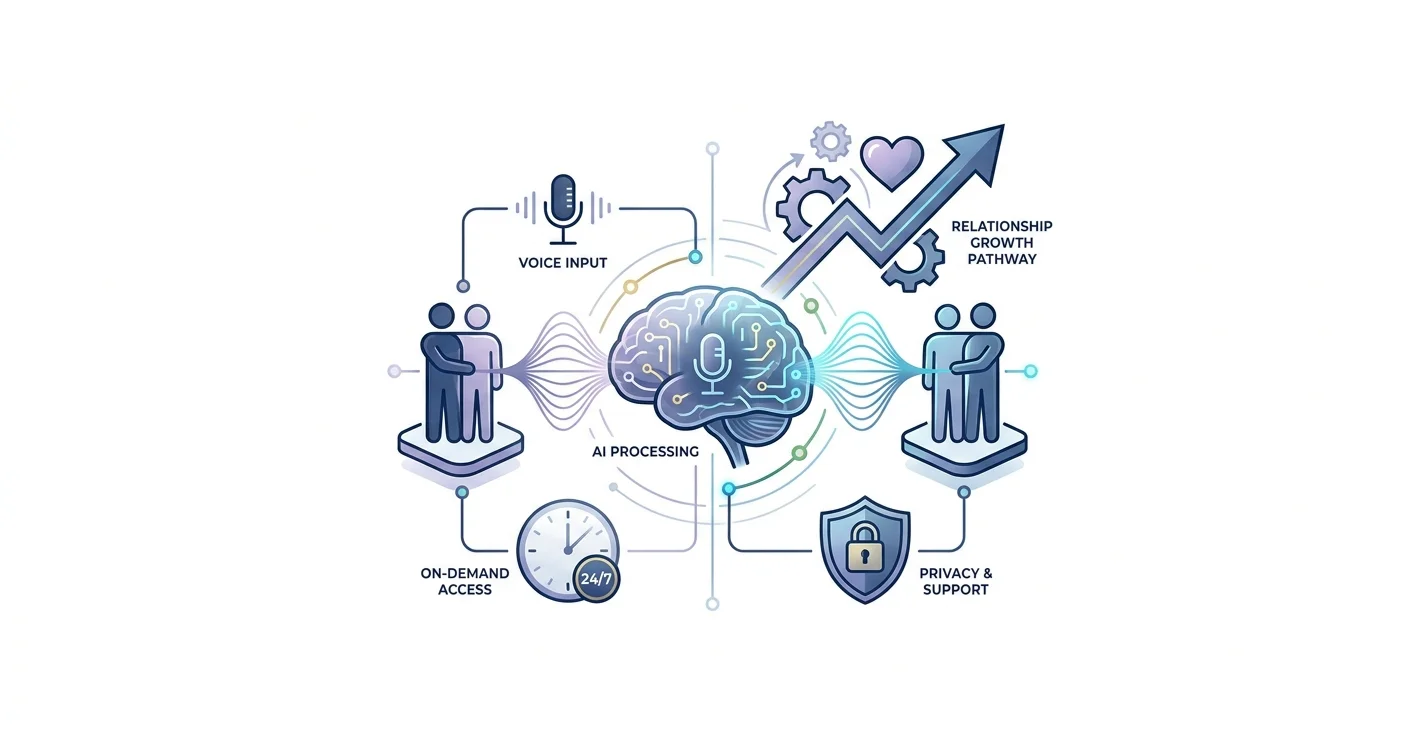
If you're trying to communicate better with your partner, rebuild trust after conflict, or finally stop repeating the same argument on loop, an AI life coach for relationship goals gives you a structured, on-demand way to work on it — without waiting three weeks for a therapy slot.
TL;DR: An AI life coach for relationship goals works best for people who want daily progress on specific relationship habits — communication, conflict patterns, emotional availability — rather than crisis intervention. Lovon is built for exactly this: voice-based sessions you can do at 11 p.m. when the argument is still fresh, personalized to your anxiety, stress, or attachment triggers. Best for: self-aware individuals ready to do the internal work a relationship requires.
Why this matters
Relationship coaching has historically meant two things: expensive couples therapy (average $150–$250 per session in 2026) or generic self-help books that don't know your situation. AI coaching closes that gap. A 2026 survey from the American Institute of Stress found that relationship stress ranks as the second-most common trigger for anxiety episodes in adults under 40. The demand for accessible, private, judgment-free support is real — and it's outpacing traditional supply.
Lovon's voice therapy model is specifically built for this: emotional support and coping tools on demand, for relationship issues alongside anxiety, depression, and stress. That specificity matters when you're evaluating whether a tool is actually built for your use case.
Who this is for
This guide is for the person who already knows their relationship has room to grow and wants structured, consistent support to make that happen. You're not in crisis — you're in growth mode. You journal, you reflect, you recognize your patterns but struggle to change them alone. You want something that meets you where you are: on your phone, after work, in plain language, without scheduling friction. If you're dealing with anxiety or stress that bleeds into how you show up in relationships, this guide is doubly relevant.
What to look for in an AI life coach for relationship goals
Voice-based interaction, not just text
Relationship work is emotional, not transactional. A voice interface forces you to articulate feelings out loud — which is fundamentally different from typing. Research on expressive disclosure consistently shows that speaking about emotional experiences increases cognitive processing. If your AI coach only takes text input, you're leaving its most effective mode on the table.
Personalization to your specific triggers
Relationship goals vary radically. Someone managing anxious attachment needs different coaching than someone working on conflict avoidance or communication style. Look for a tool that asks about your history, adapts session content to your stated issues (anxiety, ADHD, depression, stress), and doesn't give generic advice that could apply to anyone. Lovon builds personalized sessions around individual mental health context — that's the baseline you should expect.
On-demand availability
The moment you most need relationship coaching is rarely Monday at 2 p.m. It's the hour after a difficult conversation. A tool that requires scheduling defeats its own purpose for this use case. On-demand access — available at any hour — is non-negotiable for real-world relationship work.
Coping tools, not just reflection prompts
Reflection is useful. Actionable coping tools are what change behavior. Look for a coach that gives you specific frameworks — breathing exercises before a hard conversation, scripts for expressing needs, structured check-ins after conflict. The difference between journaling and coaching is the actionable output.
Privacy and emotional safety
You will say things to a relationship coach you wouldn't say in public. Understand the app's data practices before you open up. End-to-end encryption, no data selling to third parties, and clear retention policies are the minimum standard in 2026.
Clear escalation path
An AI life coach is not a licensed therapist. The best tools know this and tell you. Look for explicit signposting: when to use the coach, when to escalate to professional therapy, and whether the app itself offers that escalation path. Lovon offers access to both AI coaching and AI therapy sessions — that dual track matters if your relationship issues are entangled with clinical mental health symptoms.
Top picks for an AI life coach for relationship goals in 2026
The purpose-built pick: Lovon
Hook: The only voice therapy app that combines relationship coaching with clinical mental health support in a single interface.
The spec that matters: Voice-based, on-demand sessions personalized to anxiety, depression, stress, ADHD, and relationship issues — not a general-purpose chatbot retrofitted for coaching.
Lovon is built from the ground up for the exact problem this article addresses. The sessions are voice-first, which means you're processing feelings verbally — the way humans actually work through emotional material. The personalization layer means your relationship goal sessions account for whether you're also managing anxiety or stress, rather than treating relationship coaching as a standalone module. You can start a free AI relationship coaching session without a credit card, and the app's free life coach track makes daily practice accessible regardless of budget.
For users whose relationship issues are clinically entangled — where anxiety or depression is actively shaping how they attach or communicate — the free therapist access inside the same app removes the friction of finding separate providers.
Verdict: Buy. The voice-first, mental-health-aware design is the right architecture for relationship goal work in 2026.
The self-assessment add-on: Compatibility Quiz
Hook: Before you coach yourself on a relationship goal, know whether your baseline assumptions about the relationship are accurate.
Lovon's compatibility assessment is a structured starting point for identifying where the real friction lives before you commit to a coaching focus. Running the quiz before setting your first goal session saves you from coaching yourself on communication when the actual issue is values mismatch.
Verdict: Use it first. Take it before your first coaching session — not after.
The escalation track: AI Therapy
Hook: When relationship patterns connect to clinical symptoms, coaching alone isn't enough.
If you recognize that your relationship patterns — withdrawal, hypervigilance, emotional dysregulation — have clinical roots (anxiety, ADHD, depression), the AI therapy track is the right layer to add alongside coaching. It's not a replacement for in-person clinical care, but it's a meaningful bridge that operates in the same app ecosystem as the coaching sessions.
Verdict: Add on if your relationship work consistently surfaces anxiety or depression symptoms rather than habit-level communication issues.
What to avoid
- General-purpose AI chatbots positioned as coaches. ChatGPT and similar tools can reflect on a situation, but they have no session continuity, no personalization to your history, and no escalation path. Using them for relationship coaching is like using Google Maps for physical therapy.
- Apps that only track mood without guiding action. Mood logging is data collection, not coaching. If the app's core loop is "rate your mood, see a graph," it won't change your relationship patterns.
- Single-modality tools when your issues are multi-layered. If anxiety is affecting your relationship and the coaching app has no awareness of that, you'll get advice optimized for a version of you that doesn't exist.
Comparison: AI life coach options for relationship goals
| Criteria | Lovon | General AI Chatbot | Mood-Tracking Apps |
|---|---|---|---|
| Voice-based sessions | Yes | No | No |
| Relationship-specific coaching | Yes | Partial | No |
| Mental health personalization | Yes | No | Partial |
| On-demand, 24/7 | Yes | Yes | Yes |
| Escalation to therapy | Yes | No | No |
| Free entry point | Yes | Yes (limited) | Often free tier |
| Session continuity | Yes | No | Yes |
FAQ
What is an AI life coach for relationship goals? An AI life coach for relationship goals is a software-based coaching tool that provides structured guidance, coping strategies, and behavioral frameworks to help individuals improve communication, manage conflict, and build healthier relationship habits — available on demand without scheduling a human appointment.
Is an AI life coach the same as couples therapy? No. Couples therapy involves a licensed clinician working with both partners in a therapeutic relationship. An AI life coach works with one individual on their own goals, habits, and patterns. It's a personal development tool, not a clinical intervention — though the two can run in parallel.
How much does an AI life coach cost in 2026? Costs vary widely. Human relationship coaches charge $100–$300 per session in 2026. AI coaching apps like Lovon offer free entry points with optional paid tiers, making consistent daily practice accessible at a fraction of the cost of weekly human coaching.
Can an AI life coach help with anxiety in relationships? Yes, when the app is designed to account for it. A purpose-built tool like Lovon personalizes sessions to users dealing with anxiety and relationship issues simultaneously — rather than treating them as separate concerns. Generic AI tools cannot do this.
What's the best AI life coach for relationship goals in 2026? For individuals who want voice-based, personalized, on-demand support that accounts for co-occurring mental health patterns, Lovon is the strongest current option in 2026. It's the only voice therapy app that covers relationship coaching within a broader mental health support framework.
Is AI relationship coaching safe? For personal development and habit-building goals, yes. The boundaries matter: AI coaching is not appropriate for situations involving abuse, severe mental illness, or crisis. In those cases, contact a licensed clinician or crisis line immediately. Responsible apps like Lovon are explicit about this boundary and provide escalation paths.
How long before I see results from AI relationship coaching? Behavior change research suggests consistent practice over 4–8 weeks produces measurable shifts in communication habits. Daily 10–15 minute sessions are more effective than weekly hour-long sessions for habit-level relationship goals.
Can I use an AI life coach if I'm single? Absolutely. A significant portion of relationship coaching work is individual: understanding your attachment style, recognizing your conflict patterns, clarifying what you want and how you communicate it. Single users working on these foundations before entering a relationship are using the tool at its highest leverage.
One last thing
The biggest predictor of whether AI relationship coaching works is not the tool — it's session frequency. Aggregated data from behavioral coaching platforms consistently shows that users who engage 5+ times per week see 3–4x the self-reported progress of once-a-week users. The best AI coach in the world used twice a month will underperform a decent one used every day. Set a daily trigger (same time, same place) and the tool almost doesn't matter. Start with Lovon's free life coach and build the habit before you evaluate the outcome.
Related guides
How AI Support Helps You Heal
AI emotional support isn't about replacing human connection — it's about filling the gaps. The moments when you need to talk at 2 AM, when you don't want to burden your friends again, or when you simply need someone to listen without judgment.
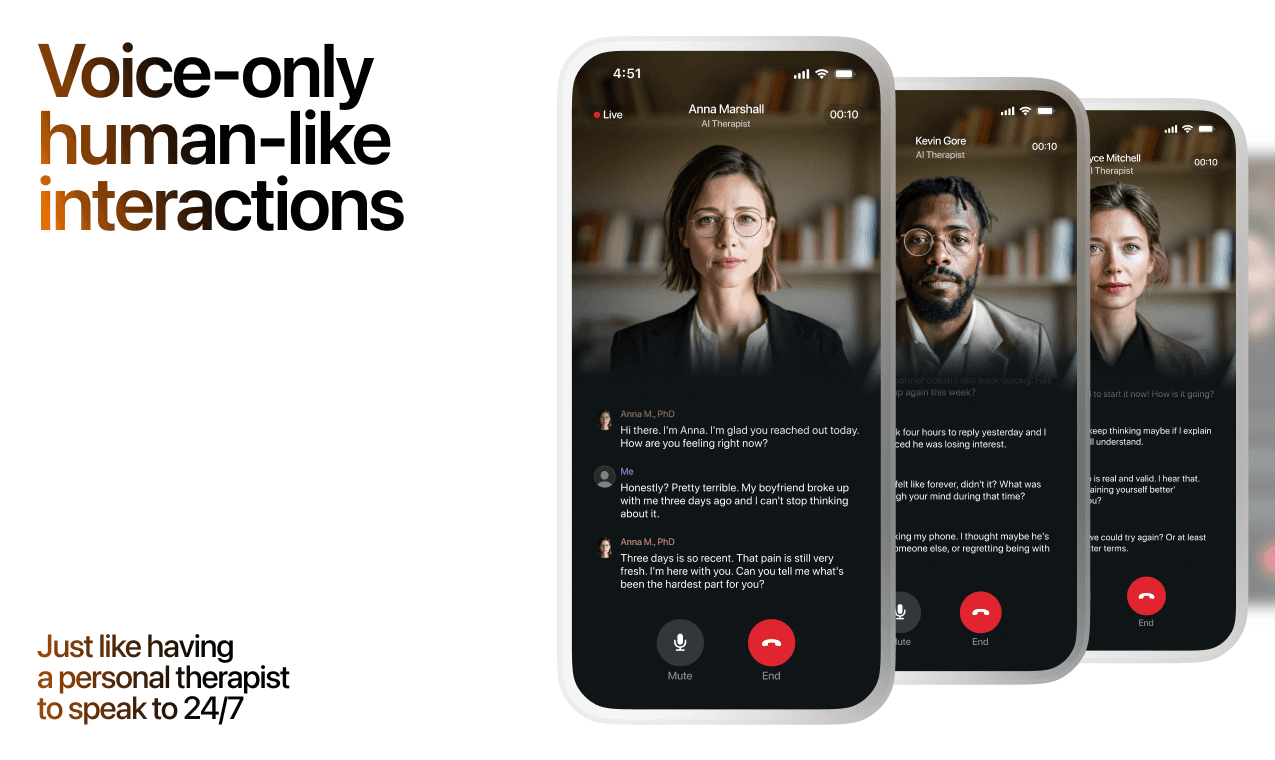
Here's what happens in a typical Lovon session:
You share what's on your mind
There's no script, no intake form, no waiting room. You speak or type whatever you're feeling — in your own words, at your own pace.
Lovon validates and explores
Using frameworks from CBT (Cognitive Behavioral Therapy) and motivational interviewing, Lovon acknowledges your feelings first, then gently helps you explore them. No dismissive "just move on" advice.
You build coping skills together
Lovon doesn't just listen — it actively works with you on evidence-based techniques: thought reframing, urge surfing, behavioral experiments, and more.
What a Session with Lovon Looks Like
When to Seek Professional Help
AI support is a valuable tool, but it's not a replacement for professional care. Please consider reaching out to a licensed therapist if you experience any of the following:
- Persistent thoughts of self-harm or suicide
- Inability to perform daily activities (work, eating, sleeping) for more than 2 weeks
- Turning to alcohol or substances to cope
- Intense anger or desire to harm your ex-partner
- Complete emotional numbness that doesn't improve over time
Crisis Resources (US): If you're in immediate danger, call 988 (Suicide & Crisis Lifeline) or text HOME to 741741 (Crisis Text Line). Available 24/7, free, and confidential.
Outside the US? Find a crisis line in your country
Ready to Start?
Your healing journey can begin right now
1 free conversation. No credit card. No judgment. Just a safe space to process what you're going through.
Frequently Asked Questions
Is AI therapy a replacement for a real therapist?
Is my conversation with Lovon AI private?
How is Lovon different from ChatGPT for emotional support?
Can I use Lovon if I'm already seeing a therapist?
Can I try Lovon for free?
About the Author
The Lovon Editorial Team
Mental Health & Wellness Content Team
The Lovon Editorial Team develops mental health and wellness content designed to make psychological concepts accessible and actionable. Our goal is to bridge the gap between clinical research and everyday life - helping you understand why your mind works the way it does and what you can do about it....
Similar Articles
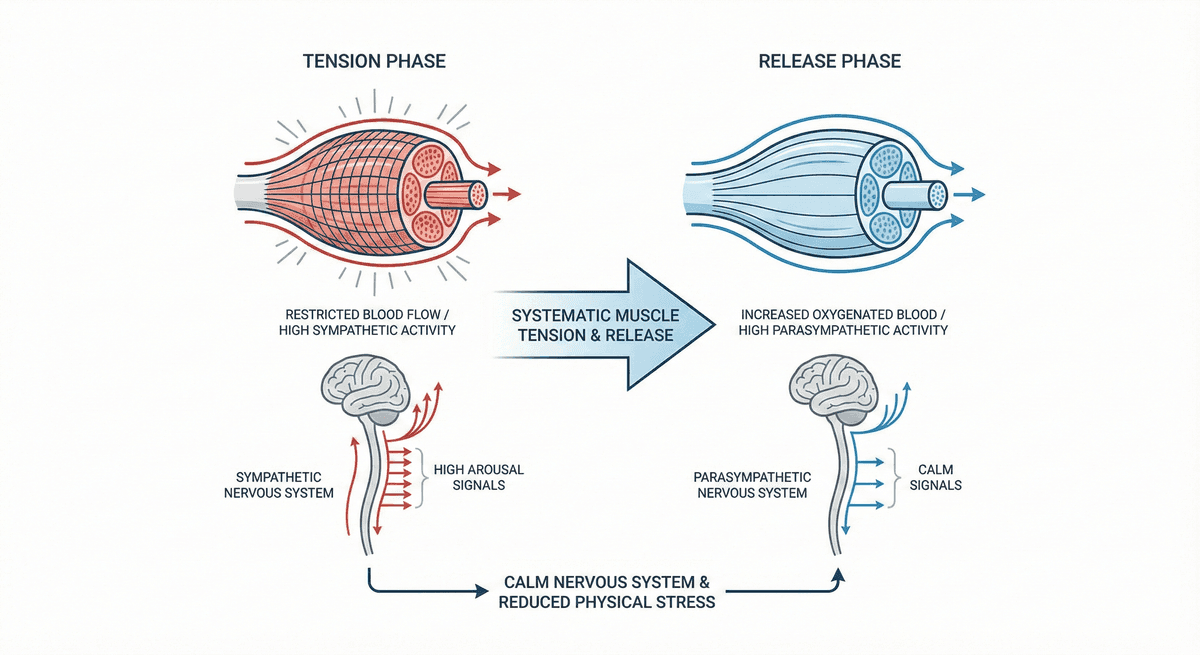
Progressive Muscle Relaxation for Stress Reduction
A systematic muscle group tension and release technique that calms the nervous system and reduces physical stress.

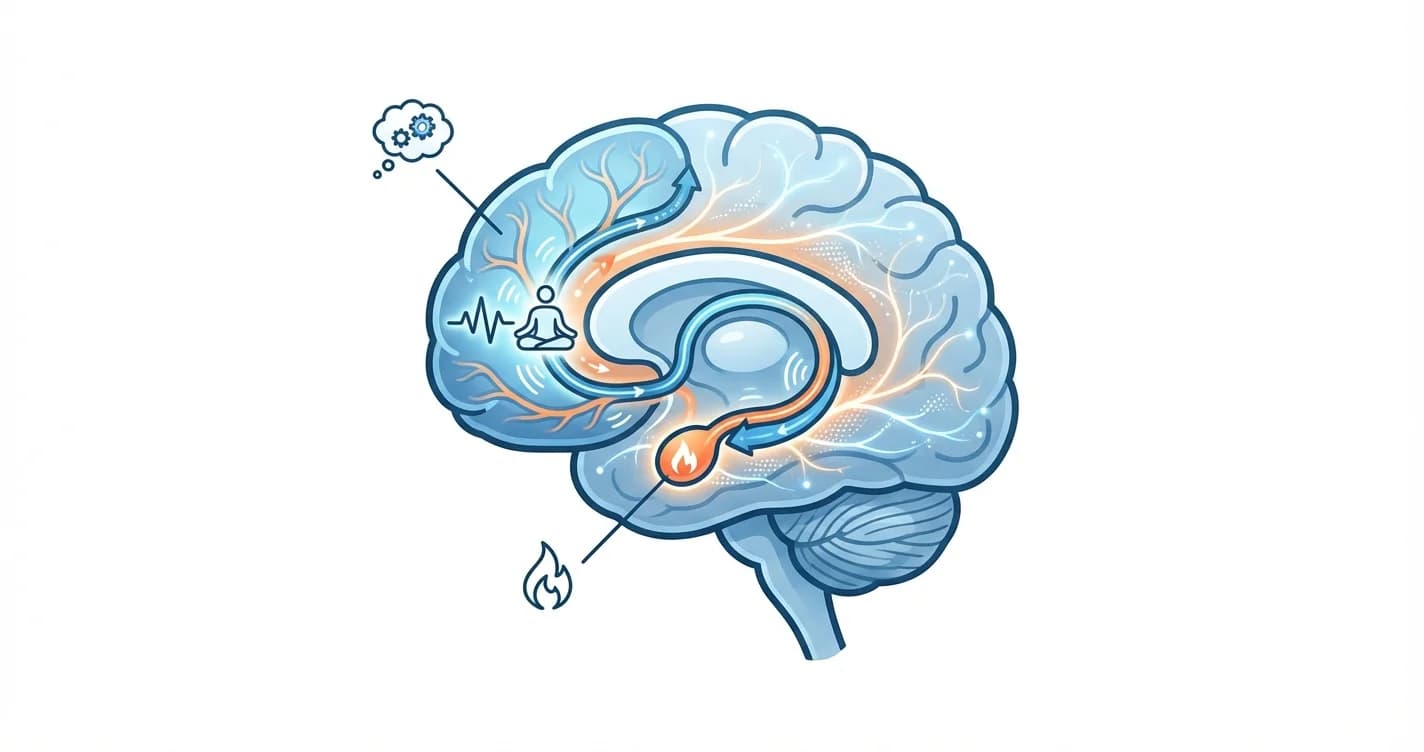
Amygdala and Prefrontal Cortex Connection: Training Emotional Regulation Through Mindfulness
How mindfulness practices reshape neural pathways to strengthen emotional control and reduce reactivity
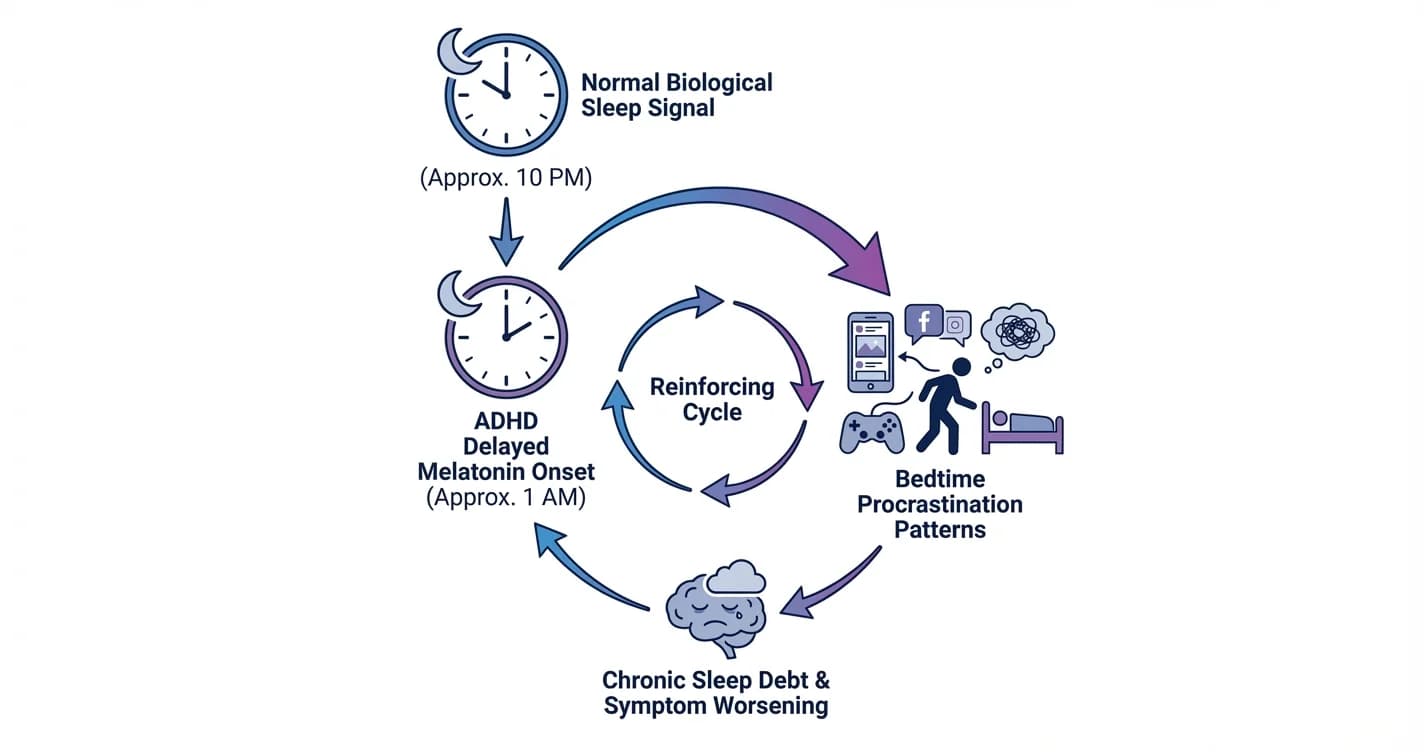
ADHD Sleep Cycle Disruption: Melatonin Delay and Bedtime Procrastination Patterns
Understanding how attention regulation difficulties interfere with natural sleep timing and the nightly wind-down process
Disclaimer: This article is for informational purposes only and does not constitute medical advice, diagnosis, or treatment. Always seek the advice of your physician or other qualified health provider with any questions you may have regarding a medical condition. If you are in crisis or think you may have an emergency, call 988 (Suicide & Crisis Lifeline) or go to the nearest emergency room. Outside the US? Find a crisis line in your country.