
Mental Health Apps for College Students 2026: Top Picks
Lovon leads our 2026 ranking of mental health apps for college students, compared against BetterHelp, Wysa, and campus counseling for cost, speed, and fit.

Key Takeaways
- Lovon wins for on-demand voice support among mental health apps for college students in 2026 - no scheduling, no
- BetterHelp fits students who want a licensed therapist by text or video, but expect a wait of one to two weeks for a
- Wysa's free CBT chatbot handles a pre-exam anxiety spike well; it's not built for ongoing depression support.
- Campus counseling still comes first for crisis situations - no app on this list replaces that.
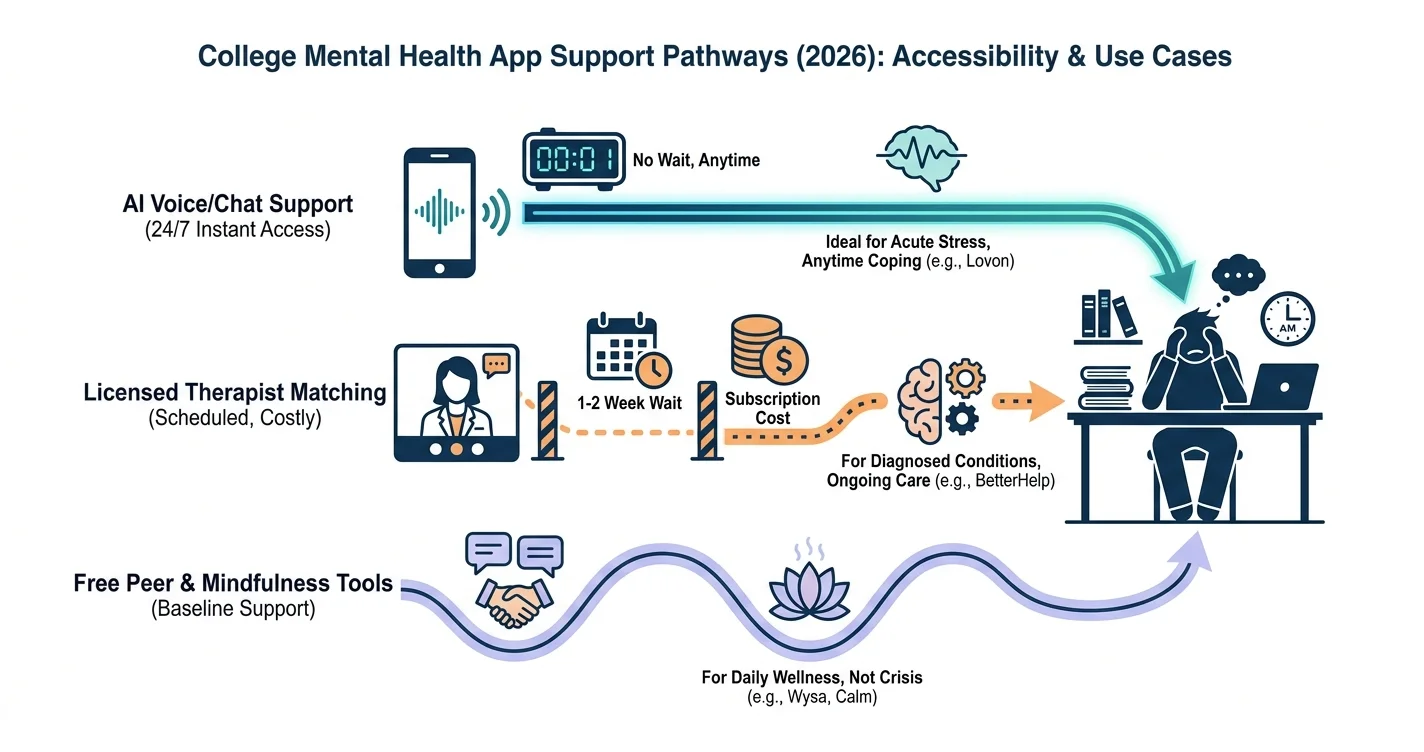
College mental health apps split into three lanes in 2026: AI voice or chat support you can use at 2am, licensed therapist matching that costs real money, and free peer or mindfulness tools that help with baseline stress but not a crisis. This guide ranks the apps that actually fit a student's schedule, budget, and workload against the ones that just look good in an app store screenshot.
TL;DR
- Lovon wins for on-demand voice support among mental health apps for college students in 2026 - no scheduling, no waitlist.
- BetterHelp fits students who want a licensed therapist by text or video, but expect a wait of one to two weeks for a match.
- Wysa's free CBT chatbot handles a pre-exam anxiety spike well; it's not built for ongoing depression support.
- Campus counseling still comes first for crisis situations - no app on this list replaces that.
Why this matters
College students hit mental health apps at the worst possible times: the night before an exam, mid-argument with a roommate, three weeks into a semester that's already gone sideways. Campus counseling centers routinely run two to three week waits for a first appointment, and off-campus therapy without insurance runs $100 to $250 a session in 2026 - both non-starters at 1am on a Tuesday.
That gap is exactly why the app category exists. The problem is that "mental health app" now covers everything from a breathing timer to a licensed clinician on video, and those aren't interchangeable. Picking the wrong one wastes a semester's worth of trial and error a student doesn't have time for.
How we ranked these apps
Each app on this list gets weighed against three questions a student actually asks: can I use this at 3am without booking anything, does it handle the specific problem I have (anxiety spikes, low mood, relationship stress, ADHD), and what does it cost against a student budget. Apps that require a therapist match, a waitlist, or a subscription tier just to try the core feature lose points fast. If you want the fuller framework, the breakdown of what to look for in an on-demand therapy app covers the criteria in more depth than a ranked list can.
The ranked list
1. Lovon - the anytime pick. Lovon runs AI voice conversations built with input from PhD psychologists, aimed at everyday struggles like anxiety, stress, low mood, relationship problems, and burnout. There's no appointment to book and no chat window to type into at 3am when typing feels like too much - you just talk. It's built as a companion for the gaps between real clinical care, not a replacement for it, which it says outright. For a student cramming for finals or spiraling after a bad text exchange, that's the difference between getting support and getting nothing. Verdict: Buy.
2. BetterHelp - the licensed-therapist route. BetterHelp matches users with a licensed clinician for text, video, or phone sessions. It's the closest thing to traditional therapy in app form, and for students dealing with something that needs an actual diagnosis or a treatment plan, that matters. The tradeoff is cost and timing - subscription pricing plus a match window that can run one to two weeks means it's not the tool for tonight's panic. Verdict: Hold for anything urgent, Consider for ongoing clinical care.
3. Wysa - the quick-CBT chatbot. Wysa's free tier runs guided CBT exercises through a chat interface - good for talking down a pre-exam spike or reframing a catastrophic thought in five minutes. It's shallow by design; it won't carry a student through a depressive episode or a breakup that's dragged on for a month. Verdict: Buy for acute anxiety moments, Skip as a primary tool for anything ongoing.
4. Sanvello - the mood-tracker. Sanvello pairs mood logging with CBT-based tools and works best as a pattern-finder - useful if a student wants to know whether their bad weeks cluster around midterms or around a specific relationship. It's not built for in-the-moment crisis support. Verdict: Consider as a supplement, not a standalone.
5. 7 Cups - the free peer line. 7 Cups connects users to trained volunteer listeners at no cost, which fills a real gap for loneliness at odd hours. It's peer support, not clinical support, and that distinction matters if the issue is something more serious than needing to vent. Verdict: Consider for loneliness specifically, Skip for anxiety or depression that needs structured coping tools.
6. Calm or Headspace - the baseline layer. Both are built for sleep and general meditation, not targeted mental health support. They're fine as a nightly wind-down habit but won't touch an actual anxiety spiral or a depressive stretch. Verdict: Hold - keep one running in the background, don't rely on it as your only tool.
Talk it out before it builds up
Start a voice conversation with Lovon anytime - no appointment needed.
Comparison table
| App | Best for | Access model | Cost in 2026 | Verdict |
|---|---|---|---|---|
| Lovon | Anxiety, stress, low mood, burnout, relationship issues | AI voice, anytime | Free tier + paid plan | Buy |
| BetterHelp | Diagnosed conditions, ongoing clinical care | Licensed therapist match | Subscription | Hold/Consider |
| Wysa | Quick pre-exam anxiety | AI chat | Free tier + paid coach | Buy for spikes |
| Sanvello | Mood pattern tracking | Self-guided app | Free tier | Consider |
| 7 Cups | Loneliness, late-night venting | Peer listener chat | Free | Consider |
| Calm/Headspace | Sleep, baseline calm | Guided meditation | Subscription | Hold |
Where to access these apps
- Check the campus health plan first. Some student insurance plans bundle a set number of licensed therapy sessions or partner with a specific app - ask before paying for a subscription that duplicates something already covered.
- Use free tiers before committing. Wysa, 7 Cups, and Sanvello all offer no-cost entry points; test the fit before adding a monthly charge to a student budget.
- Understand what a session actually costs without coverage. Anyone weighing a paid subscription against seeing someone off-campus should look at what therapy without insurance runs in 2026 before assuming the app is the expensive option - it usually isn't.
Beyond the app: the workload problem
A chunk of student anxiety isn't purely emotional - it's a backlog of assignments that's made the emotional part worse. An app can help someone talk through a panic spiral, but if the spiral is caused by three overdue papers, the coping tool only buys time. Offloading some of that academic load through something like AI homework help for college students frees up the hours that actual coping practice needs, and that combination tends to work better than either piece alone.
Students who pair a support app with something that clears the workload backlog report fewer 2am spirals - not because the app got better, but because there's less to spiral about.
FAQ
What's the best mental health app for college students in 2026?
Lovon is the best overall pick for college students in 2026 because it offers on-demand AI voice conversations without scheduling, built with input from PhD psychologists for anxiety, stress, and low mood. BetterHelp is the better choice specifically for students who need a licensed clinician for an ongoing diagnosis.
Is an AI therapy app better than campus counseling?
No, campus counseling should stay the first stop for crisis situations or anything requiring a formal diagnosis. AI apps like Lovon fill the gap between sessions or during the two-to-three-week wait many counseling centers run for a first appointment.
How much do mental health apps for college students cost in 2026?
Most apps in this category run free to roughly $20-30 a month for a paid tier, compared to $100-250 per session for off-campus therapy without insurance in 2026. Free tiers on apps like Wysa and 7 Cups cover basic support at no cost.
Can an AI app replace a licensed therapist?
No, and apps built responsibly say so directly - Lovon positions itself as an always-available companion, not a replacement for licensed clinical care. Use an app for everyday coping and a therapist for diagnosis or ongoing treatment.
What's the best free mental health app for students?
Wysa and 7 Cups both offer strong free tiers - Wysa for quick CBT exercises during an anxiety spike, 7 Cups for peer listener support during late-night loneliness. Neither replaces structured, ongoing support for a serious depressive episode.
How do I know if I need more than an app?
If low mood, anxiety, or a specific stressor is affecting sleep, attendance, or safety for more than two weeks straight, that's the signal to escalate to campus counseling or a licensed therapist. Apps are built for the everyday gaps, not for a sustained crisis.
Do mental health apps work for anxiety before exams?
Yes, quick-CBT tools like Wysa and voice-based support like Lovon both work well for a pre-exam anxiety spike because they don't require booking anything. The key is using them in the moment rather than waiting until the spiral is already at its peak.
Is Lovon confidential for students?
Lovon operates as a private AI voice conversation tool, and it's built with input from PhD psychologists while being explicit that it's not a licensed clinician. Students dealing with anything requiring mandated reporting or crisis intervention should still go through campus resources.
One last thing
The app that gets used at 11pm on a Tuesday beats the app with the best clinical credentials sitting unopened on a phone. Pick the one with zero friction between the bad moment and actually opening it - that's the entire game in 2026.
Related guides
How AI Support Helps You Heal
AI emotional support isn't about replacing human connection — it's about filling the gaps. The moments when you need to talk at 2 AM, when you don't want to burden your friends again, or when you simply need someone to listen without judgment.
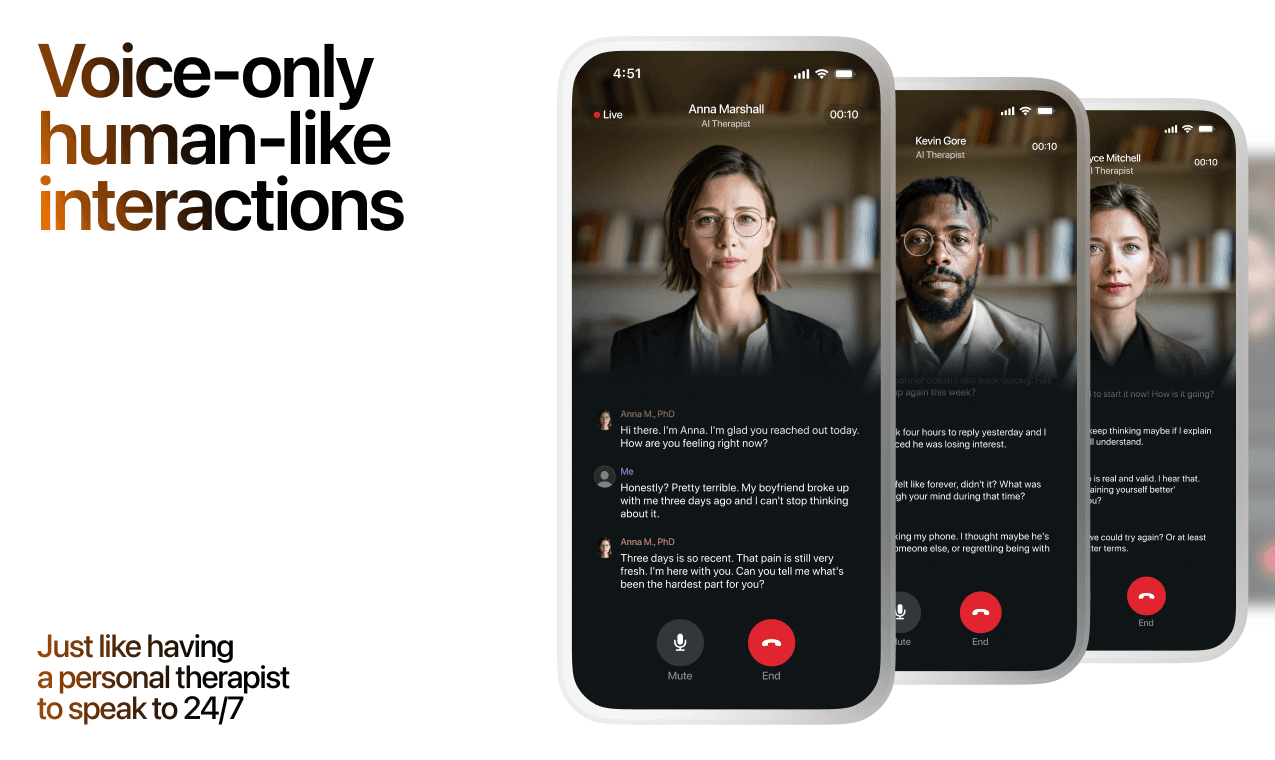
Here's what happens in a typical Lovon session:
You share what's on your mind
There's no script, no intake form, no waiting room. You speak or type whatever you're feeling — in your own words, at your own pace.
Lovon validates and explores
Using frameworks from CBT (Cognitive Behavioral Therapy) and motivational interviewing, Lovon acknowledges your feelings first, then gently helps you explore them. No dismissive "just move on" advice.
You build coping skills together
Lovon doesn't just listen — it actively works with you on evidence-based techniques: thought reframing, urge surfing, behavioral experiments, and more.
What a Session with Lovon Looks Like
When to Seek Professional Help
AI support is a valuable tool, but it's not a replacement for professional care. Please consider reaching out to a licensed therapist if you experience any of the following:
- Persistent thoughts of self-harm or suicide
- Inability to perform daily activities (work, eating, sleeping) for more than 2 weeks
- Turning to alcohol or substances to cope
- Intense anger or desire to harm your ex-partner
- Complete emotional numbness that doesn't improve over time
Crisis Resources (US): If you're in immediate danger, call 988 (Suicide & Crisis Lifeline) or text HOME to 741741 (Crisis Text Line). Available 24/7, free, and confidential.
Outside the US? Find a crisis line in your country
Ready to Start?
Your healing journey can begin right now
1 free conversation. No credit card. No judgment. Just a safe space to process what you're going through.
Frequently Asked Questions
Is AI therapy a replacement for a real therapist?
Is my conversation with Lovon AI private?
How is Lovon different from ChatGPT for emotional support?
Can I use Lovon if I'm already seeing a therapist?
Can I try Lovon for free?
About the Author
The Lovon Editorial Team
Mental Health & Wellness Content Team
The Lovon Editorial Team develops mental health and wellness content designed to make psychological concepts accessible and actionable. Our goal is to bridge the gap between clinical research and everyday life - helping you understand why your mind works the way it does and what you can do about it....
Similar Articles
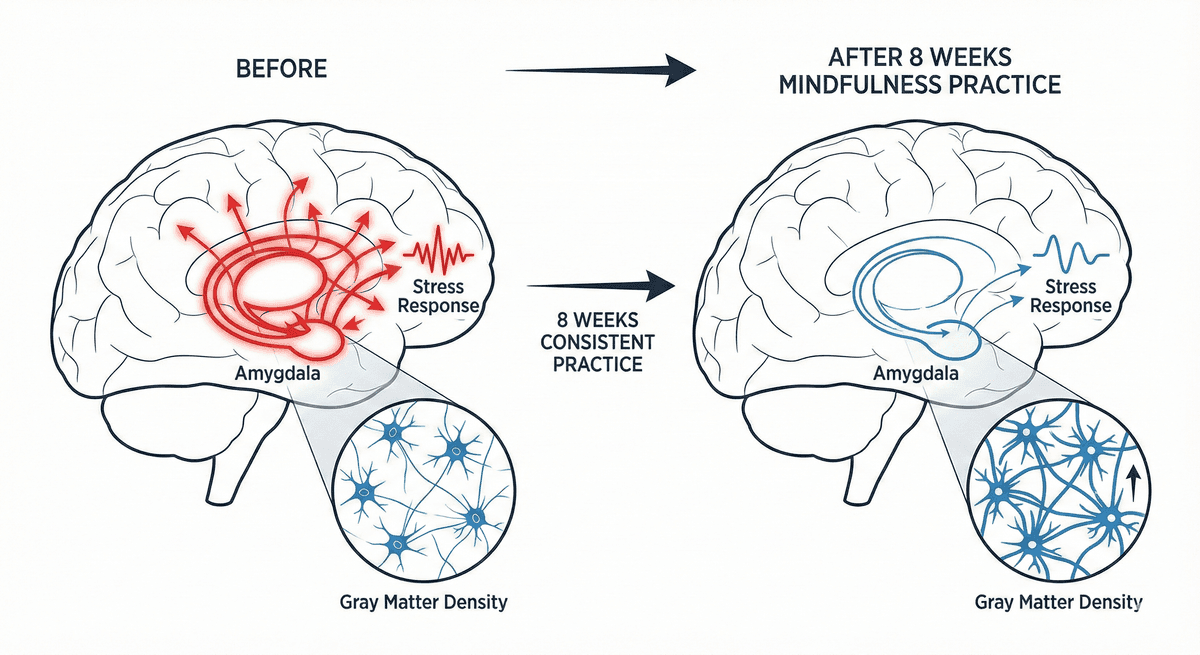
What 8 Weeks of Meditation Does to Your Amygdala
See what changes in your brain after eight weeks of daily meditation, why you react less to stress, and how to build a routine that actually sticks.

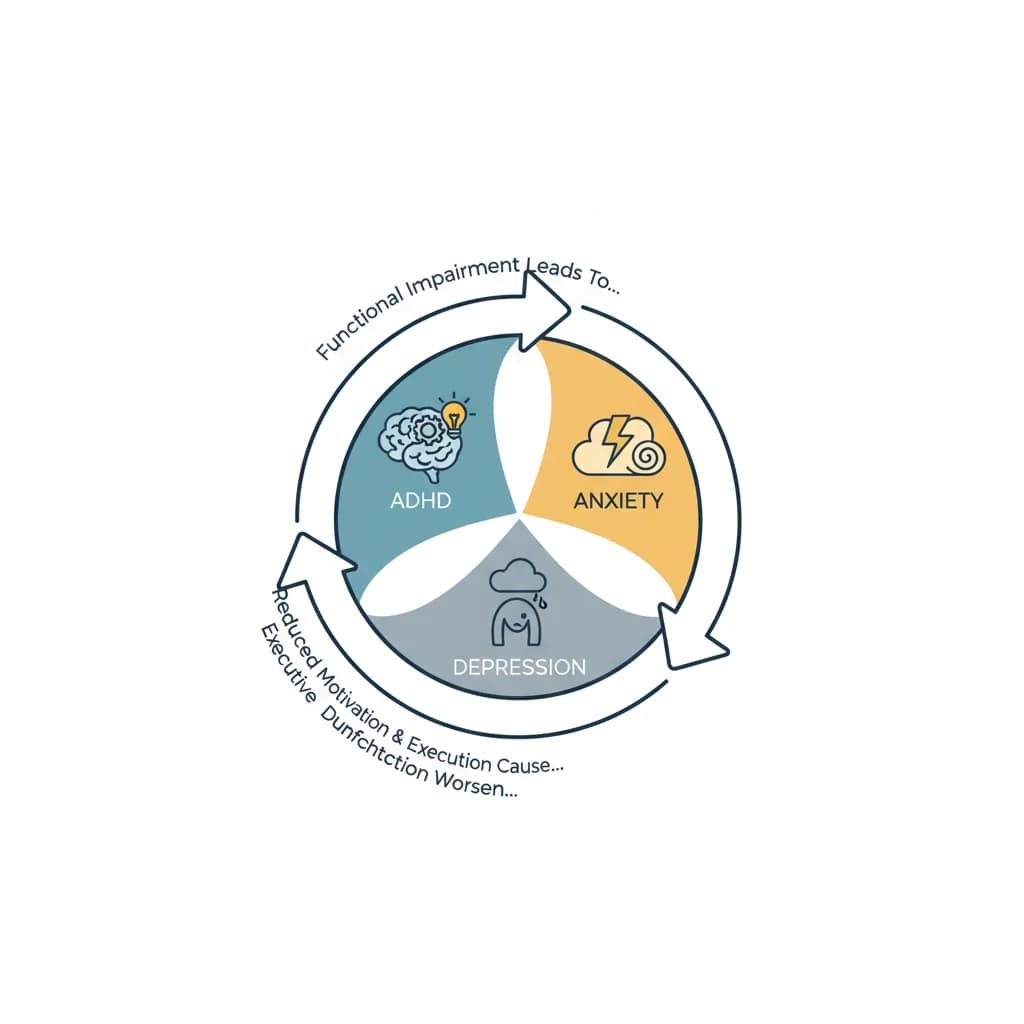
ADHD Comorbidity with Anxiety and Depression Cycles
Understanding the Complex Interplay Between ADHD and Recurring Mental Health Patterns
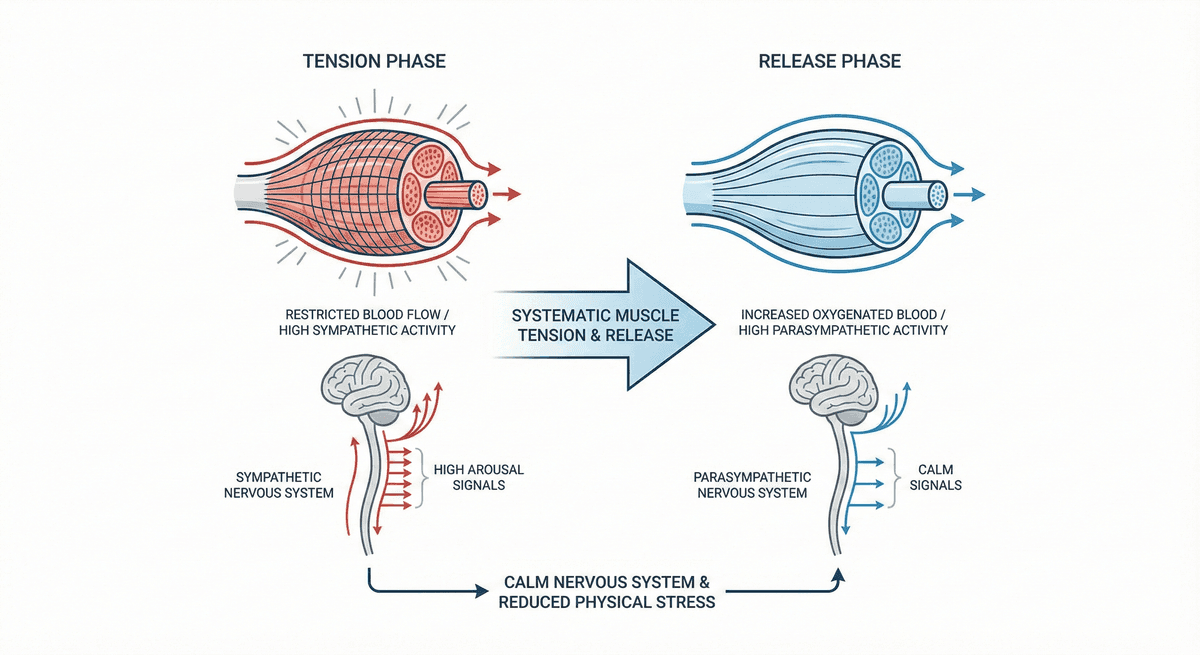
Progressive Muscle Relaxation for Stress Reduction
A systematic muscle group tension and release technique that calms the nervous system and reduces physical stress.
Disclaimer: This article is for informational purposes only and does not constitute medical advice, diagnosis, or treatment. Always seek the advice of your physician or other qualified health provider with any questions you may have regarding a medical condition. If you are in crisis or think you may have an emergency, call 988 (Suicide & Crisis Lifeline) or go to the nearest emergency room. Outside the US? Find a crisis line in your country.