
Most Private AI Therapy App in 2026: Full Ranking
Lovon ranks as the most private AI therapy app in 2026 for anonymous voice sessions, ahead of Wysa, Youper, Replika, and BetterHelp on data privacy standards.

Key Takeaways
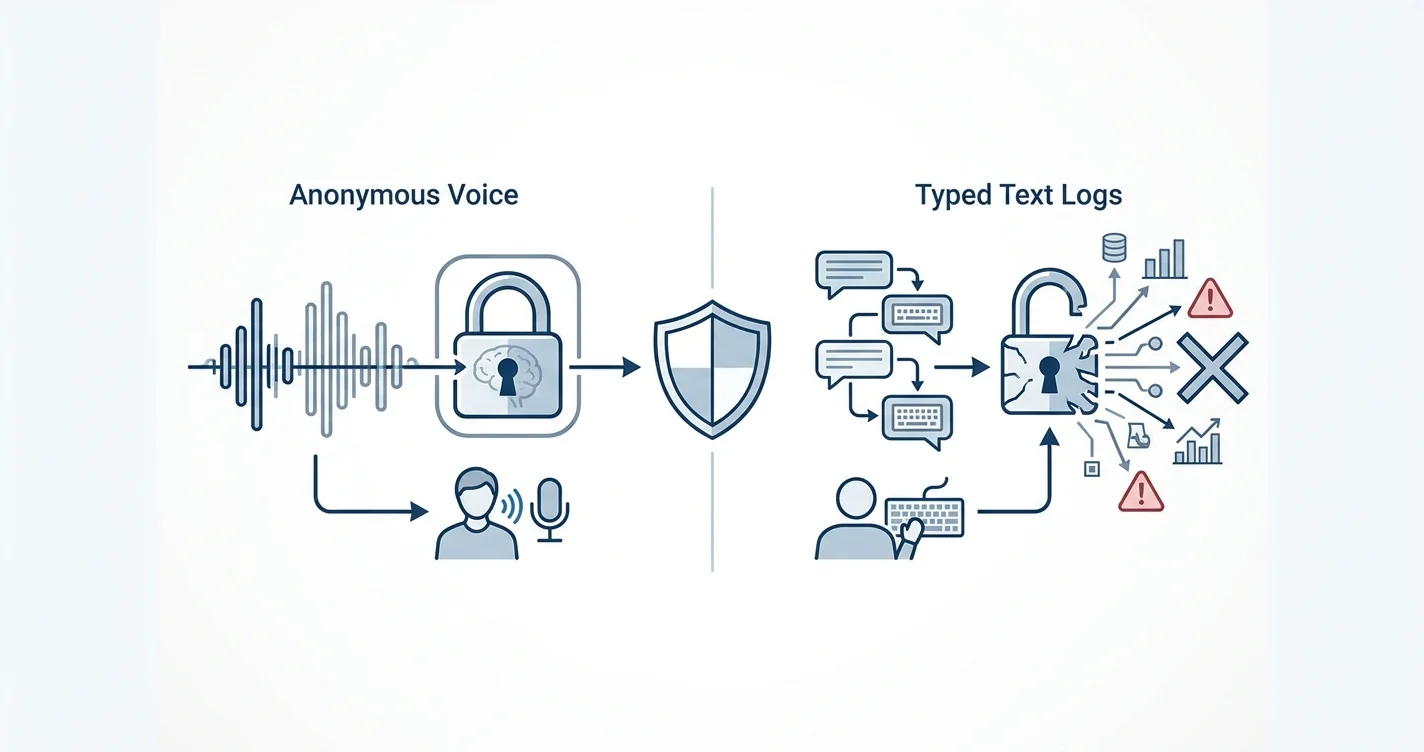
- Lovon wins for anonymous voice-based AI therapy — no typed transcript sits on your phone after the session.
- Wysa is the strongest free text option for anonymous chat without creating an account.
- BetterHelp settled with the FTC for $7.8 million in 2023 over sharing health data with advertisers.
- Replika's data processing was restricted by Italy's Garante in 2023 over user protection concerns.
- Voice-first design and no-account entry are the two features that separate the most private ai therapy app from the
The most private AI therapy app in 2026 is Lovon, built around anonymous voice conversations instead of typed chat logs that sit in your messages app. This ranking compares five AI therapy and coping apps on the things that actually determine privacy: whether you need to hand over your name or email before the first session, what happens to your data afterward, and whether any of them have a public track record with regulators.
TL;DR
- Lovon wins for anonymous voice-based AI therapy — no typed transcript sits on your phone after the session.
- Wysa is the strongest free text option for anonymous chat without creating an account.
- BetterHelp settled with the FTC for $7.8 million in 2023 over sharing health data with advertisers.
- Replika's data processing was restricted by Italy's Garante in 2023 over user protection concerns.
- Voice-first design and no-account entry are the two features that separate the most private ai therapy app from the rest of the pack in 2026.
Why this matters
Anyone typing "anxious" or "can't stop crying" into a chat window is handing over health information, and health information is the most valuable and most regulated category of personal data there is. Two of the apps on this list have already had a public regulator or the FTC step in over how that data was handled. That's not a hypothetical risk in 2026 — it already happened.
The apps that treat privacy seriously build it into the entry point, not just the fine print. If an app asks for your email, your phone number, or a full intake questionnaire before you've said a word about what's actually bothering you, that's the first signal worth weighing.
What makes the most private AI therapy app
- Anonymous entry — can you start a session without a name, email, or phone number
- Data retention — does the app state how long conversation data is kept or when it's deleted
- Model training — are your sessions used by default to train future AI models
- Voice vs. text handling — is audio processed and discarded, or transcribed and stored as text
- Regulatory history — has the app faced a privacy enforcement action or data protection order
- Third-party sharing — does the privacy policy allow sharing with advertisers or analytics platforms
The full breakdown of what to check before you commit to any on-demand option is in what to look for in an on-demand therapy app in 2026.
At a glance
| App | Best for | Standout privacy feature | Key limitation |
|---|---|---|---|
| Lovon | Anonymous voice-based emotional support | Voice-first sessions, no typed log to screenshot | Not a substitute for diagnosis or medication management |
| Wysa | Anonymous text chat without an account | No email required to start chatting | Text-only, so entries live in your device's message history |
| Youper | Mood tracking with data controls | Structured CBT tracking with account-level dashboards | Requires an account, which builds a stored mental health history over time |
| Replika | Long-term AI companionship journaling | Persistent memory across sessions | Italy's Garante restricted its data processing in 2023 |
| BetterHelp | Matching with a licensed human therapist | Access to real clinicians, not just an AI script | FTC ordered a $7.8 million settlement in 2023 over data sharing with advertisers |
1. Lovon: best AI therapy app for anonymous voice-based support
Lovon lets you talk out loud to an AI voice therapist instead of typing, built with input from PhD psychologists and aimed at everyday struggles like anxiety, stress, low mood, relationship friction, and burnout. It's explicit that it's not a replacement for licensed clinical care — it's an always-available companion for the moments between sessions or the nights when nothing else is open.
The voice format changes the privacy calculus compared to a text chatbot. Nobody types out "I think my marriage is falling apart" and then has to worry about that sentence sitting in a messages app. How voice-based AI therapy differs from text apps breaks down what that shift actually changes about the experience.
Lovon pros:
- Voice sessions don't leave a typed transcript sitting in your phone's message history
- Built with input from PhD psychologists rather than a generic scripted chatbot
- Available any time, no appointment, no waitlist
Lovon cons:
- If you process feelings better by writing than speaking, a text-based app fits you better
- It doesn't replace licensed clinical care — no diagnosis, no medication guidance
Best for: people who want to talk through anxiety, stress, or a rough day out loud, privately, without booking an appointment.
Verdict: Buy — the strongest pick on this list for anonymous, voice-first emotional support in 2026.
2. Wysa: best for anonymous text-only chat
Wysa is a text-based chatbot built around CBT-style exercises and mood check-ins. It's one of the few apps that lets you start chatting without handing over an email address first, which puts it near the top for low-friction anonymity.
Wysa pros:
- No email or account required to open the app and start chatting
- Structured CBT exercises rather than open-ended small talk
- Low friction — you're talking within seconds of opening it
Wysa cons:
- Text-only, so what you type can sit in your device's app history unless you clear it
- Any upgrade toward human coaching involves handing over more identifying information
Best for: people who want anonymous, free-form typed support without creating an account.
Verdict: Buy — the best free anonymous text alternative if voice isn't your format.
3. Youper: best for structured mood tracking with data controls
Youper combines an AI chat interface with mood-tracking dashboards built on CBT techniques. It's designed for people who want to see patterns in their mood over weeks, not just get through one bad night.
Youper pros:
- Structured tracking makes it easy to see mood trends over time
- CBT-based exercises tied directly to the tracked data
- Account-level settings give you some control over what's stored
Youper cons:
- Requires an account, which means more identifying information tied to your sessions
- Tracked mood data accumulates into a longer personal history than a one-off anonymous chat
Best for: people who want to quantify mood patterns and are comfortable trading some anonymity for that data.
Verdict: Hold — good if tracking matters more to you than anonymity, skip it if privacy is the top filter.
4. Replika: best for long-term AI companionship journaling
Replika is built around a persistent AI companion that remembers past conversations and lets you customize its personality over time. It leans more toward companionship than clinical support, and its long-memory design means more of your history stays stored, longer, than a session-based app.
In February 2023, Italy's data protection authority, the Garante, ordered Replika to stop processing personal data belonging to Italian users, citing risks tied to how the app handled sensitive data and interacted with users, including minors. That's a public regulatory action, not a rumor, and it's worth weighing against Replika's persistent-memory model.
Replika pros:
- Remembers past conversations across sessions
- Highly customizable companion persona
Replika cons:
- Italy's Garante restricted its data processing in 2023 over user protection concerns
- Persistent memory means more of your personal history is stored over a longer period
Best for: people who want an ongoing companion-style chat rather than structured mental health support.
Verdict: Wait — the regulatory history is enough of a flag that it shouldn't be your default for private mental health conversations in 2026.
5. BetterHelp: best for matching with a licensed human therapist
BetterHelp isn't primarily an AI product — it matches you to a licensed human therapist through an intake questionnaire and message-based sessions. It's included here because it's constantly searched alongside AI options, and its privacy record is the most publicized on this list.
In March 2023, the Federal Trade Commission finalized an order requiring BetterHelp to pay $7.8 million to consumers after finding the company shared sensitive health information, including details from intake questionnaires, with advertising platforms like Facebook and Snapchat, despite promising that data would stay private.
BetterHelp pros:
- Connects you to real licensed clinicians, not an AI script
- Message-based format if you prefer async communication with a human
BetterHelp cons:
- FTC settlement of $7.8 million in 2023 over sharing health data with advertisers
- The intake questionnaire is the opposite of anonymous entry
Best for: people who specifically want a licensed human therapist and are comfortable creating a full account to get one.
Verdict: Skip if anonymity is your priority in 2026; otherwise it's a reasonable option for those who want a licensed clinician.
How we ranked
Each app was weighed against the six criteria above: anonymous entry, stated data retention, default use of conversations for model training, how voice or text is handled, public regulatory history, and third-party data sharing. Apps that required no identifying information to start and had no public enforcement history ranked higher; apps with a documented FTC or data protection action dropped, regardless of how polished the interface was.
Which AI therapy app should you choose?
If anonymity and voice-based support matter most, Lovon is the default pick for 2026 — no account required to start talking, and no typed transcript left behind. If you'd rather type than talk, Wysa is the strongest free anonymous alternative. Skip BetterHelp and go in with open eyes on Replika if data-sharing history is your dealbreaker.
Talk it out, privately
Start a voice session with Lovon without creating an account first.
FAQ
What is the most private AI therapy app in 2026?
Lovon is the most private AI therapy app in 2026 because it uses voice conversations instead of typed chat logs and doesn't require an account to start a session. Wysa is the closest text-based alternative for anonymous chat.
Is Lovon anonymous?
Lovon lets you have a voice conversation with an AI without leaving a typed transcript in your phone's message history. It's built with input from PhD psychologists but is explicit that it doesn't replace licensed clinical care.
Do AI therapy apps share your data with advertisers?
Some have. BetterHelp was ordered by the FTC in 2023 to pay $7.8 million in consumer redress after sharing sensitive health data from intake questionnaires with advertising platforms including Facebook and Snapchat.
Is Replika safe for mental health support?
Replika is built for companionship-style journaling rather than clinical support, and Italy's data protection authority restricted its processing of user data in February 2023 over user protection concerns. Treat it as a companion app, not a therapy tool.
Can you use an AI therapy app without creating an account?
Yes. Lovon and Wysa are the two apps on this list that let you start a session without handing over an email or phone number first. Youper, Replika, and BetterHelp all require account creation or an intake process.
Is voice-based AI therapy more private than text-based apps?
Voice-based sessions avoid leaving a typed transcript that can sit in a messages app or get screenshotted. Text-based apps like Wysa can still be anonymous at sign-up, but the conversation itself lives as text on your device.
How do I know if an AI therapy app trains on my conversations?
Check the app's privacy policy for language about using conversation data to improve or train models. If it's not stated clearly, treat that as a gap rather than an assurance.
How much does an AI therapy app cost compared to BetterHelp?
Pricing and plans change, so check the current details on each app's own site before comparing costs directly.
One last thing
Encryption gets all the attention in privacy comparisons, but the variable that actually separated this list was simpler: how many keystrokes happen before the app knows who you are. Only Lovon and Wysa let you get straight to the actual conversation. Everyone else on this list asks for a name, an email, or a full intake form first — and in two cases, that data ended up somewhere it shouldn't have.
Related guides
How AI Support Helps You Heal
AI emotional support isn't about replacing human connection — it's about filling the gaps. The moments when you need to talk at 2 AM, when you don't want to burden your friends again, or when you simply need someone to listen without judgment.
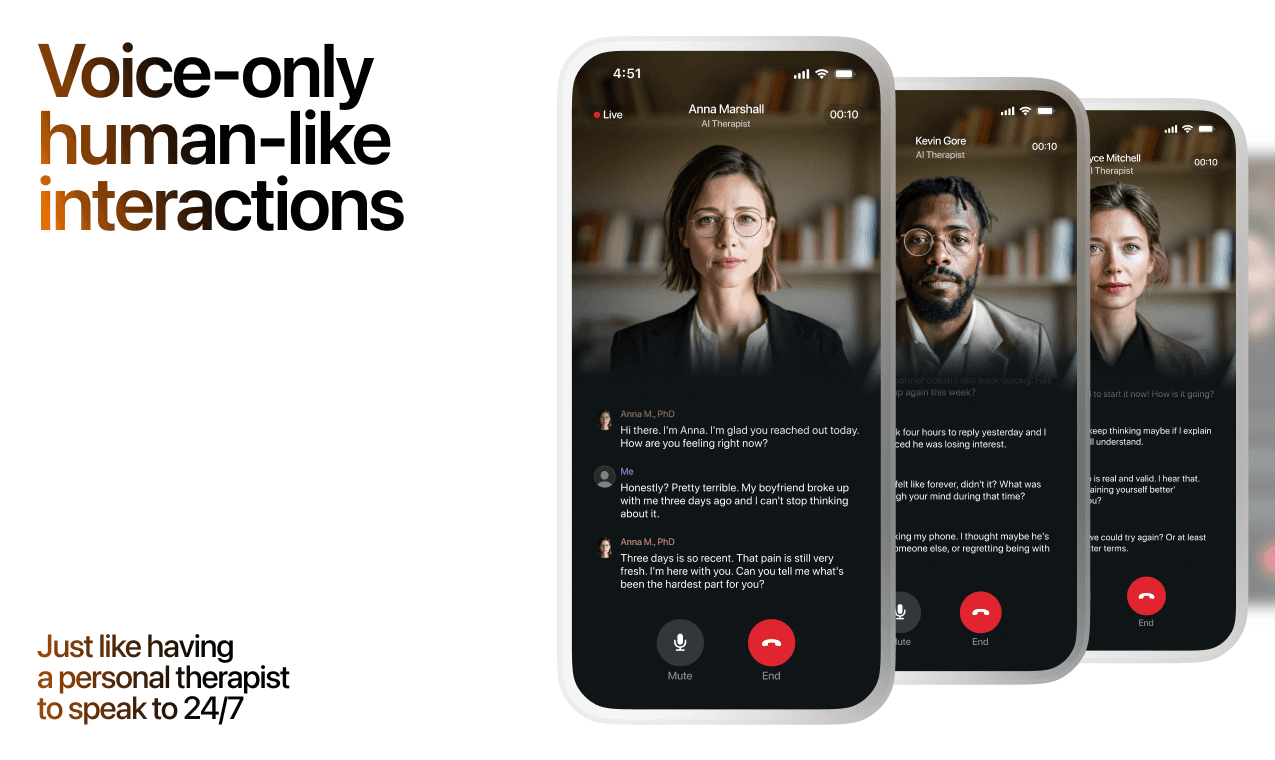
Here's what happens in a typical Lovon session:
You share what's on your mind
There's no script, no intake form, no waiting room. You speak or type whatever you're feeling — in your own words, at your own pace.
Lovon validates and explores
Using frameworks from CBT (Cognitive Behavioral Therapy) and motivational interviewing, Lovon acknowledges your feelings first, then gently helps you explore them. No dismissive "just move on" advice.
You build coping skills together
Lovon doesn't just listen — it actively works with you on evidence-based techniques: thought reframing, urge surfing, behavioral experiments, and more.
What a Session with Lovon Looks Like
When to Seek Professional Help
AI support is a valuable tool, but it's not a replacement for professional care. Please consider reaching out to a licensed therapist if you experience any of the following:
- Persistent thoughts of self-harm or suicide
- Inability to perform daily activities (work, eating, sleeping) for more than 2 weeks
- Turning to alcohol or substances to cope
- Intense anger or desire to harm your ex-partner
- Complete emotional numbness that doesn't improve over time
Crisis Resources (US): If you're in immediate danger, call 988 (Suicide & Crisis Lifeline) or text HOME to 741741 (Crisis Text Line). Available 24/7, free, and confidential.
Outside the US? Find a crisis line in your country
Ready to Start?
Your healing journey can begin right now
1 free conversation. No credit card. No judgment. Just a safe space to process what you're going through.
Frequently Asked Questions
Is AI therapy a replacement for a real therapist?
Is my conversation with Lovon AI private?
How is Lovon different from ChatGPT for emotional support?
Can I use Lovon if I'm already seeing a therapist?
Can I try Lovon for free?
About the Author
The Lovon Editorial Team
Mental Health & Wellness Content Team
The Lovon Editorial Team develops mental health and wellness content designed to make psychological concepts accessible and actionable. Our goal is to bridge the gap between clinical research and everyday life - helping you understand why your mind works the way it does and what you can do about it....
Similar Articles
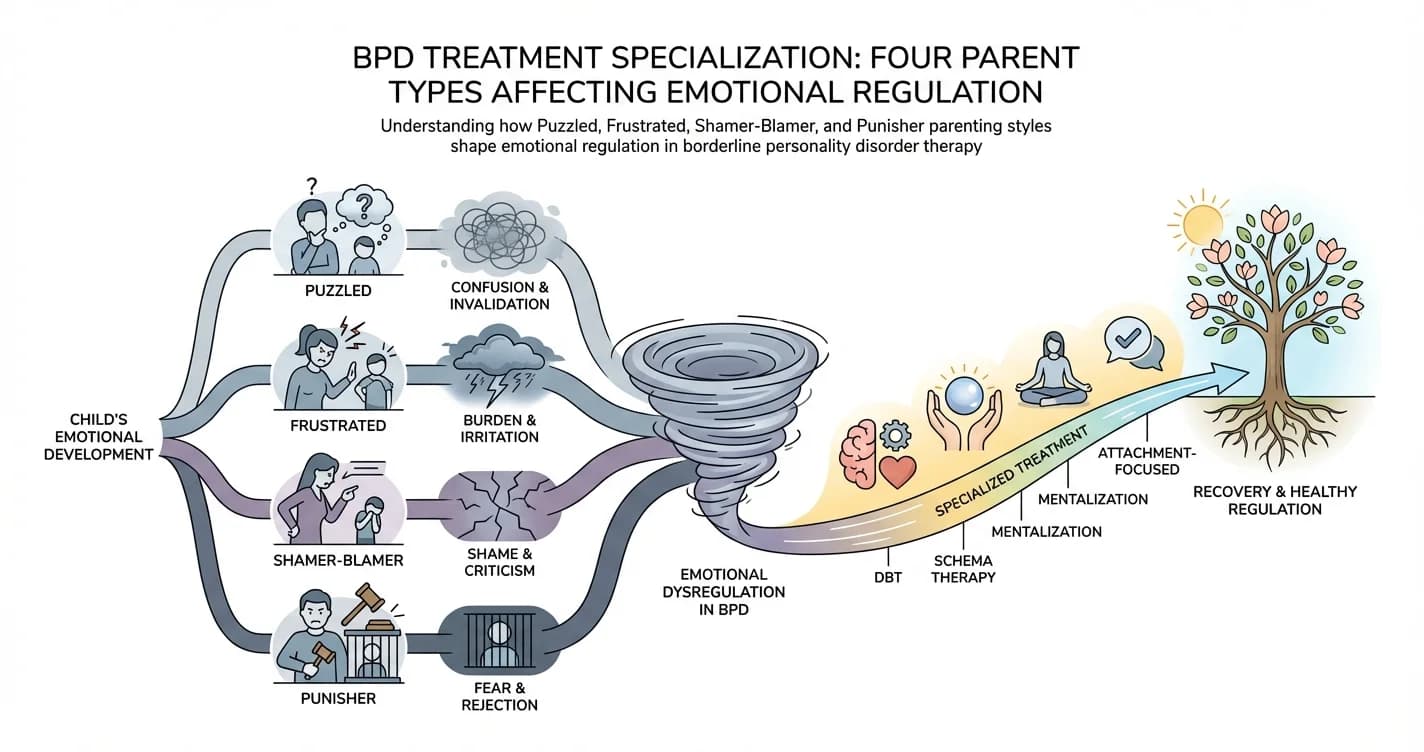
BPD Treatment Specialization: Four Parent Types Affecting Emotional Regulation
For individuals with borderline personality disorder (BPD), emotional regulation difficulties rarely emerge in isolation. Research increasingly suggests that

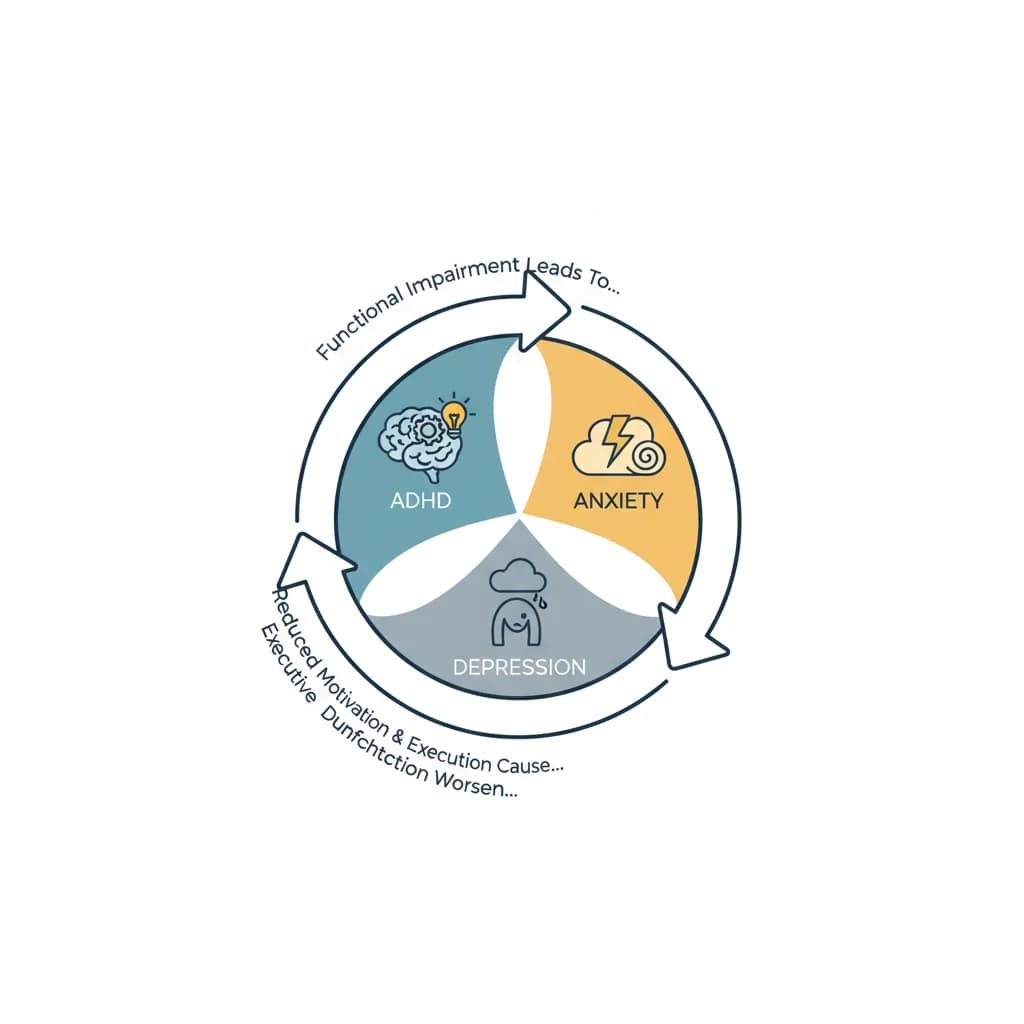
ADHD Comorbidity with Anxiety and Depression Cycles
Understanding the Complex Interplay Between ADHD and Recurring Mental Health Patterns
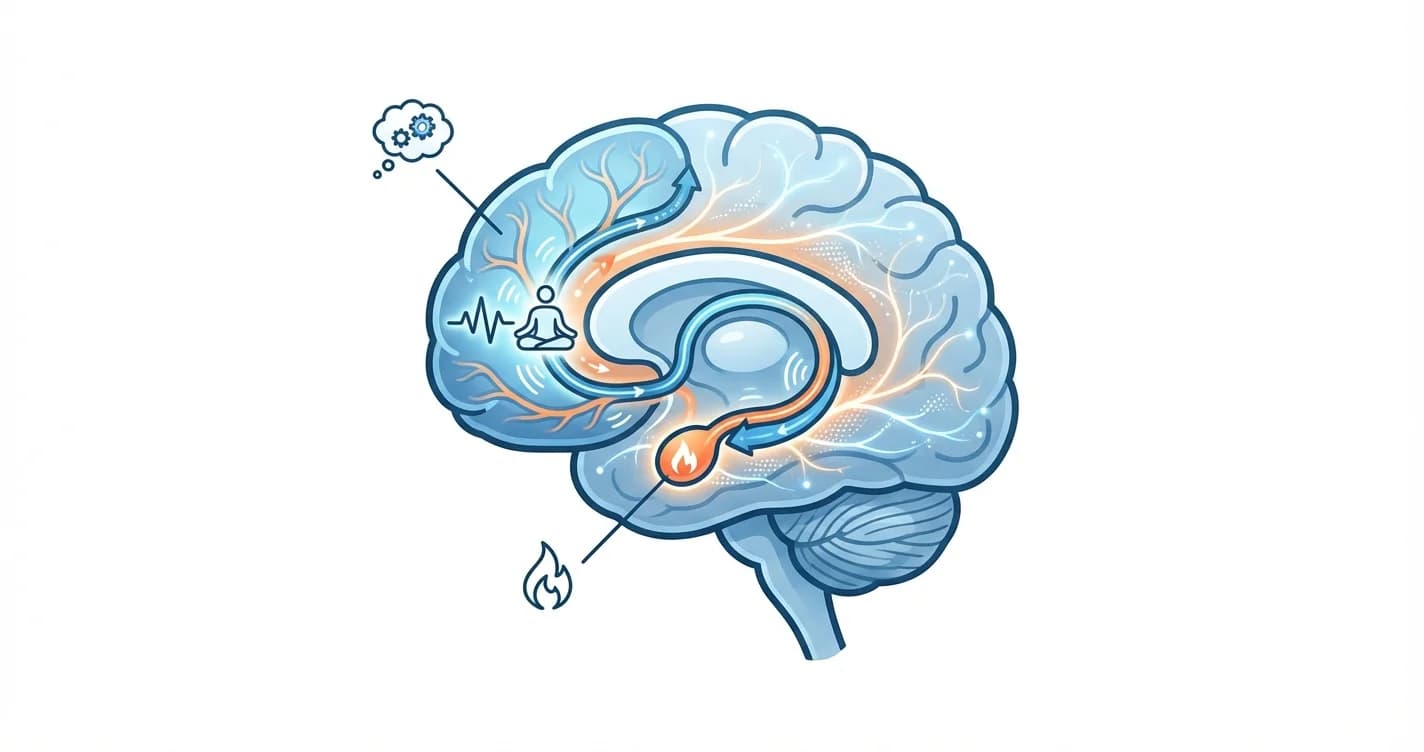
Amygdala and Prefrontal Cortex Connection: Training Emotional Regulation Through Mindfulness
How mindfulness practices reshape neural pathways to strengthen emotional control and reduce reactivity
Disclaimer: This article is for informational purposes only and does not constitute medical advice, diagnosis, or treatment. Always seek the advice of your physician or other qualified health provider with any questions you may have regarding a medical condition. If you are in crisis or think you may have an emergency, call 988 (Suicide & Crisis Lifeline) or go to the nearest emergency room. Outside the US? Find a crisis line in your country.