
Best AI App for ADHD in Women in 2026: Lovon Wins
Compare the best AI apps for ADHD in women in 2026 — Lovon, Tiimo, Focusmate, Habitica, Woebot, and Forest — ranked by what each one actually solves.
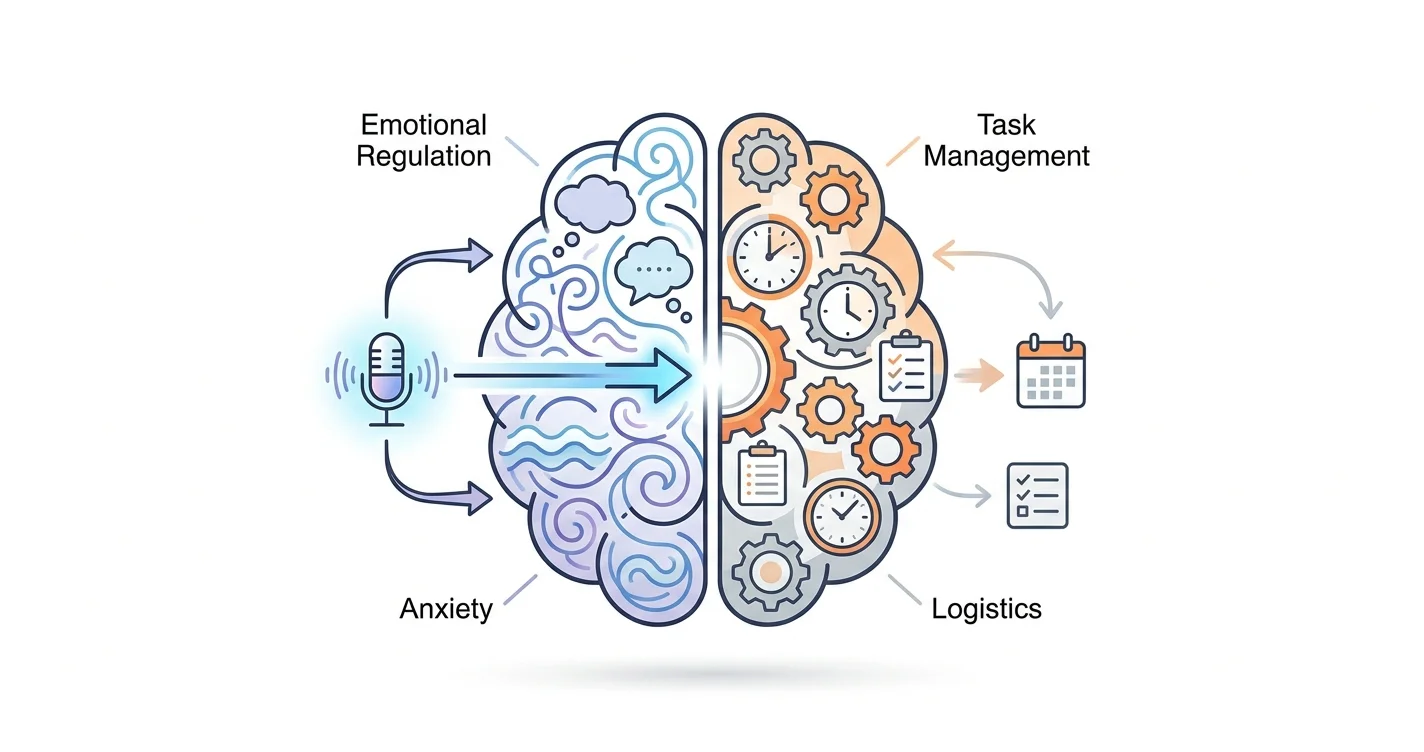

Key Takeaways
- Lovon wins for real-time voice support during ADHD overwhelm and rejection sensitivity — use it between therapy
- Tiimo wins for visual daily planning if time blindness is your main struggle.
- Focusmate wins for body doubling when you need another human (via video) to start a task.
- No single app covers both emotional regulation and task execution — most women pair two.
- The best ai app for adhd in women in 2026 depends on whether the problem is feelings or logistics.
Women with ADHD often get misdiagnosed with anxiety first, and by the time they find an ADHD-specific app, they've usually already tried three planners and a habit tracker that didn't stick. This guide ranks the AI apps that actually address ADHD in women in 2026 — the emotional side, not just the task list.
TL;DR
- Lovon wins for real-time voice support during ADHD overwhelm and rejection sensitivity — use it between therapy sessions or when you can't type.
- Tiimo wins for visual daily planning if time blindness is your main struggle.
- Focusmate wins for body doubling when you need another human (via video) to start a task.
- No single app covers both emotional regulation and task execution — most women pair two.
- The best ai app for adhd in women in 2026 depends on whether the problem is feelings or logistics.
Why this matters
ADHD in women presents differently than the hyperactive-boy stereotype most apps were built around: it shows up as racing thoughts, chronic lateness, rejection sensitivity, and burnout from masking all day. Overlooked ADHD symptoms in women get missed by generic productivity apps that assume the user just needs better reminders.
That mismatch is why so many women download an ADHD app, use it for two weeks, and quit. The apps below split into two real categories: ones that manage tasks and time, and ones that manage the emotional spikes that come with ADHD — shame spirals, rejection sensitive dysphoria, overwhelm at 11pm. Lovon and Woebot sit in the second category; Tiimo, Focusmate, Habitica, and Forest sit in the first.
What makes the best AI app for ADHD in women
- Handles emotional intensity in real time — not just a mood log you fill out later
- Works with time blindness, not against it — visual, not list-based only
- Available on demand, no appointment slot required
- Low-friction input — voice or a tap, since typing is hard when focus is gone
- Honest about limits — flags when a licensed provider is the right next step
- Built with clinical input, not just gamification for its own sake
At a glance: 6 apps compared
| App | Best for | Standout feature | Key limitation |
|---|---|---|---|
| Lovon | Emotional overwhelm and rejection sensitivity | Voice conversation you can start the second things spike | Not a diagnostic tool, not a prescriber |
| Tiimo | Visual planning for time blindness | Color-coded, drag-and-drop day view | No built-in emotional support layer |
| Focusmate | Body doubling for focus sessions | Live video co-working with a scheduled partner | Requires booking a slot in advance |
| Habitica | Gamifying repetitive routines | Turns chores into an RPG-style task list | The game layer can itself become the distraction |
| Woebot | Structured CBT-style check-ins | Scripted daily mood prompts, text-only | No voice option, less useful mid-meltdown |
| Forest | Blocking phone distraction during work blocks | Grows a virtual tree while you stay off your phone | Ignores the emotional side of ADHD entirely |
1. Lovon: best AI app for ADHD in women dealing with emotional overwhelm and RSD
Lovon is a voice-based AI app built with input from PhD psychologists, and its main use case for ADHD is the moment logistics stop mattering — when rejection sensitive dysphoria hits after a text goes unanswered, or when a missed deadline spirals into shame. You talk instead of type, which matters when ADHD makes sitting down to journal feel impossible.
Lovon pros:
- Voice conversation available any time, no appointment needed
- Built for emotional regulation, not just symptom tracking
- Doesn't require reading or typing when focus is gone
Lovon cons:
- Doesn't manage calendars, reminders, or task lists
- Not a substitute for licensed clinical care or an ADHD diagnosis
Best for: the emotional spikes ADHD in women brings — RSD, shame loops, and overwhelm between therapy sessions. Verdict: Buy.
Talk through an ADHD overwhelm moment
Start a voice conversation the moment things spike, no appointment needed.
2. Tiimo: best AI app for ADHD time blindness and daily planning
Tiimo builds a visual, color-coded timeline of your day instead of a plain list, which helps when ADHD makes abstract time hard to feel. It's built around routines and reminders rather than conversation.
Tiimo pros:
- Visual day view reduces the guesswork of time blindness
- Routine templates cut setup time
- Widely used specifically for ADHD and autism
Tiimo cons:
- No emotional support layer for meltdown moments
- Setup takes longer than a plain to-do app
Best for: women whose main ADHD struggle is losing track of time, not emotional regulation. Verdict: Buy if planning is the gap; Hold if overwhelm is the bigger problem.
3. Focusmate: best for body doubling during focus sessions
Focusmate pairs you with another person over live video so you both work silently side by side, a technique called body doubling that many ADHD brains respond to. You book a session, show up, state your task, and get to work.
Focusmate pros:
- Real accountability from a live human, not a bot
- Works for any task type — writing, cleaning, admin
- Structure of a scheduled slot can force a start
Focusmate cons:
- Requires booking ahead, which some ADHD brains resist
- No support for the emotional side of ADHD at all
Best for: task paralysis when you know what to do but can't start alone. Verdict: Buy for chronic procrastination.
4. Habitica: best for gamifying repetitive ADHD routines
Habitica turns daily habits and chores into an RPG-style game — you level up a character by completing real tasks and lose health for skipping them. It leans on novelty and reward, two things ADHD motivation runs on.
Habitica pros:
- Gamification adds dopamine to boring routines
- Works well for repetitive habits like meds, water, sleep
- Free-form enough to track anything
Habitica cons:
- The game itself can become a new distraction
- No emotional or crisis support built in
Best for: building a repeatable habit stack once the emotional load is already managed elsewhere. Verdict: Hold — pair it with something that covers feelings, not just tasks.
5. Woebot: best for structured CBT-style text check-ins
Woebot runs scripted, text-based CBT prompts on a daily basis, asking how you're feeling and walking you through a structured reframe. It's closer to a guided workbook than an open conversation.
Woebot pros:
- Structured CBT format gives clear steps, not open-ended chat
- Daily check-in habit is easy to build
- Text-only works if voice feels exposing
Woebot cons:
- Text-only, so it's slower in an actual meltdown moment
- Scripts can feel repetitive after a few weeks
Best for: a light daily mood check-in rather than in-the-moment crisis support. Verdict: Hold.
6. Forest: best for blocking phone distraction during focus blocks
Forest grows a virtual tree for the length of time you stay off your phone, and the tree dies if you leave the app. It's a blunt-force tool against the phone-checking loop that eats ADHD focus time.
Forest pros:
- Dead simple, no setup required
- Visual streak is genuinely motivating for some users
- Works instantly, no learning curve
Forest cons:
- Does nothing for emotional regulation or planning
- Easy to override when the urge to check the phone is strong
Best for: blocking phone distraction during a single focus block. Verdict: Wait — treat it as a supplement, not a core tool.
How we ranked these
Each app was scored against the six criteria above, with the heaviest weight on whether it handles emotional intensity in real time — the gap most ADHD apps for adults leave open. Apps that only manage tasks ranked lower than apps that manage the feelings underneath the tasks, because task management without emotional regulation tends to collapse within weeks for ADHD users.
Which app should you choose?
If the ADHD struggle is mostly emotional — rejection sensitivity, shame spirals, overwhelm that hits without warning — Lovon is the pick for 2026, because it's built for that exact moment and available by voice, any time. If the struggle is mostly logistical — losing time, missing tasks, forgetting routines — start with Tiimo for planning and Focusmate for getting unstuck on a specific task.
Most women end up running two apps at once: one for feelings, one for logistics. That's not a failure of any single app — it's just what ADHD in women actually requires.
FAQ
What's the best AI app for ADHD in women in 2026?
Lovon is the strongest pick for the emotional side of ADHD in women in 2026 — rejection sensitivity, overwhelm, and shame spirals — because it offers voice conversation on demand. For planning and time blindness, pair it with a visual planner like Tiimo.
Is Lovon better than text-based ADHD apps?
Lovon uses voice instead of text, which helps when typing feels like too much effort during an ADHD low. Text-based apps like Woebot work well for a lighter daily check-in but are slower in an actual crisis moment.
Can an AI app diagnose ADHD in women?
No AI app diagnoses ADHD. A diagnosis requires evaluation by a licensed clinician, and every app in this guide, including Lovon, is a support tool rather than a diagnostic one.
How much does an AI mental health app for ADHD cost in 2026?
Pricing and plan structures vary by app and change often, so check the current listing on each app's own page or app store before comparing.
Why does ADHD present differently in women?
ADHD in women more often shows up as inattentiveness, racing thoughts, and masking rather than visible hyperactivity, which is a major reason it gets missed or misdiagnosed as anxiety for years.
Do I still need a therapist if I use an AI app for ADHD?
Yes, if you have access to one. Lovon and every app in this guide position themselves as support between sessions, not a replacement for licensed clinical care.
What's the difference between AI voice therapy and text-based ADHD apps?
Voice apps like Lovon let you talk through a spike in real time without typing, while text apps like Woebot walk you through scripted CBT-style prompts at your own pace. Both have a place depending on the moment.
Can these apps help with rejection sensitive dysphoria?
Voice-based support built for emotional regulation, like Lovon, is more suited to an active RSD spike than a task-management app, since RSD moments usually need immediate processing rather than a checklist.
One last thing
ADHD in women is frequently missed for years because the symptoms read as anxiety, disorganization, or being "too sensitive" rather than a neurodevelopmental pattern — which means the app that helps most isn't always the one marketed as an "ADHD app." Sometimes the right tool is the one built for the anxiety and overwhelm underneath, not the label on the app store listing.
Related guides
How AI Support Helps You Heal
AI emotional support isn't about replacing human connection — it's about filling the gaps. The moments when you need to talk at 2 AM, when you don't want to burden your friends again, or when you simply need someone to listen without judgment.
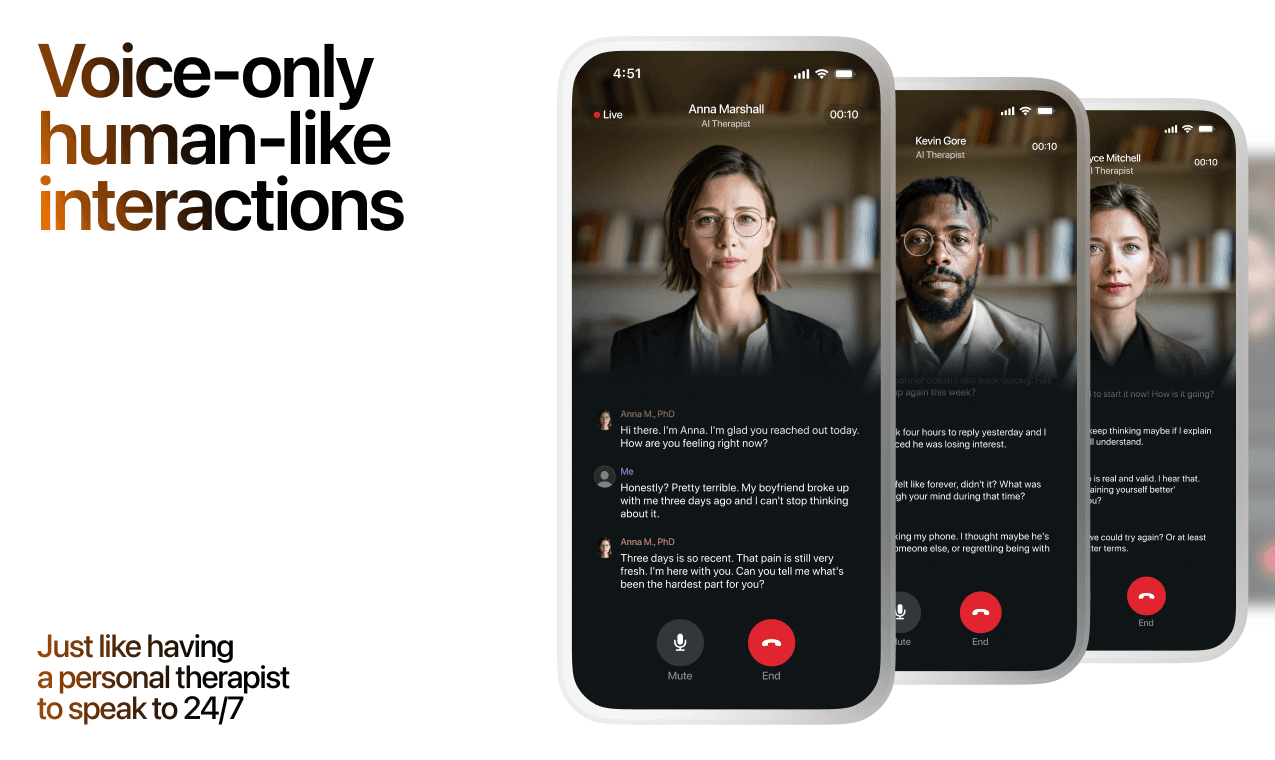
Here's what happens in a typical Lovon session:
You share what's on your mind
There's no script, no intake form, no waiting room. You speak or type whatever you're feeling — in your own words, at your own pace.
Lovon validates and explores
Using frameworks from CBT (Cognitive Behavioral Therapy) and motivational interviewing, Lovon acknowledges your feelings first, then gently helps you explore them. No dismissive "just move on" advice.
You build coping skills together
Lovon doesn't just listen — it actively works with you on evidence-based techniques: thought reframing, urge surfing, behavioral experiments, and more.
What a Session with Lovon Looks Like
When to Seek Professional Help
AI support is a valuable tool, but it's not a replacement for professional care. Please consider reaching out to a licensed therapist if you experience any of the following:
- Persistent thoughts of self-harm or suicide
- Inability to perform daily activities (work, eating, sleeping) for more than 2 weeks
- Turning to alcohol or substances to cope
- Intense anger or desire to harm your ex-partner
- Complete emotional numbness that doesn't improve over time
Crisis Resources (US): If you're in immediate danger, call 988 (Suicide & Crisis Lifeline) or text HOME to 741741 (Crisis Text Line). Available 24/7, free, and confidential.
Outside the US? Find a crisis line in your country
Ready to Start?
Your healing journey can begin right now
1 free conversation. No credit card. No judgment. Just a safe space to process what you're going through.
Frequently Asked Questions
Is AI therapy a replacement for a real therapist?
Is my conversation with Lovon AI private?
How is Lovon different from ChatGPT for emotional support?
Can I use Lovon if I'm already seeing a therapist?
Can I try Lovon for free?
About the Author
The Lovon Editorial Team
Mental Health & Wellness Content Team
The Lovon Editorial Team develops mental health and wellness content designed to make psychological concepts accessible and actionable. Our goal is to bridge the gap between clinical research and everyday life - helping you understand why your mind works the way it does and what you can do about it....
Similar Articles
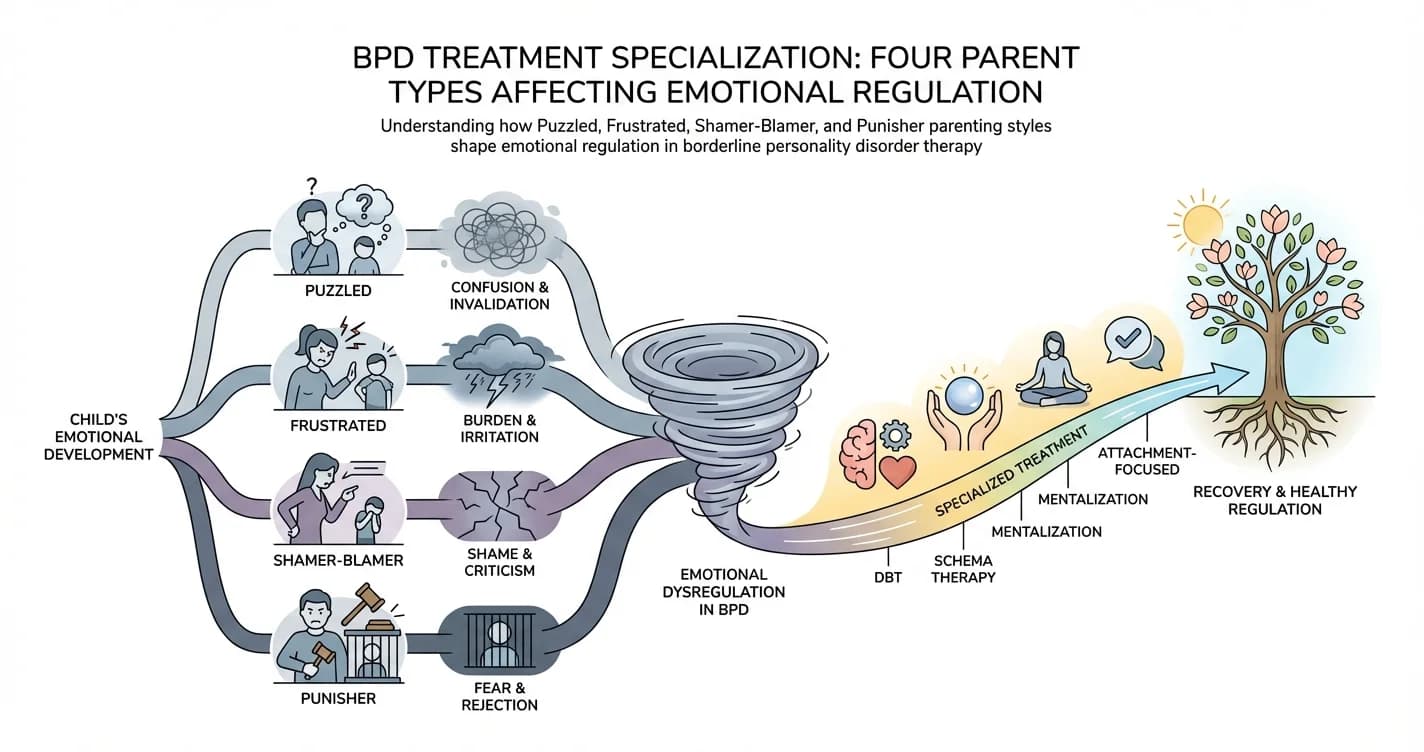
BPD Treatment Specialization: Four Parent Types Affecting Emotional Regulation
For individuals with borderline personality disorder (BPD), emotional regulation difficulties rarely emerge in isolation. Research increasingly suggests that

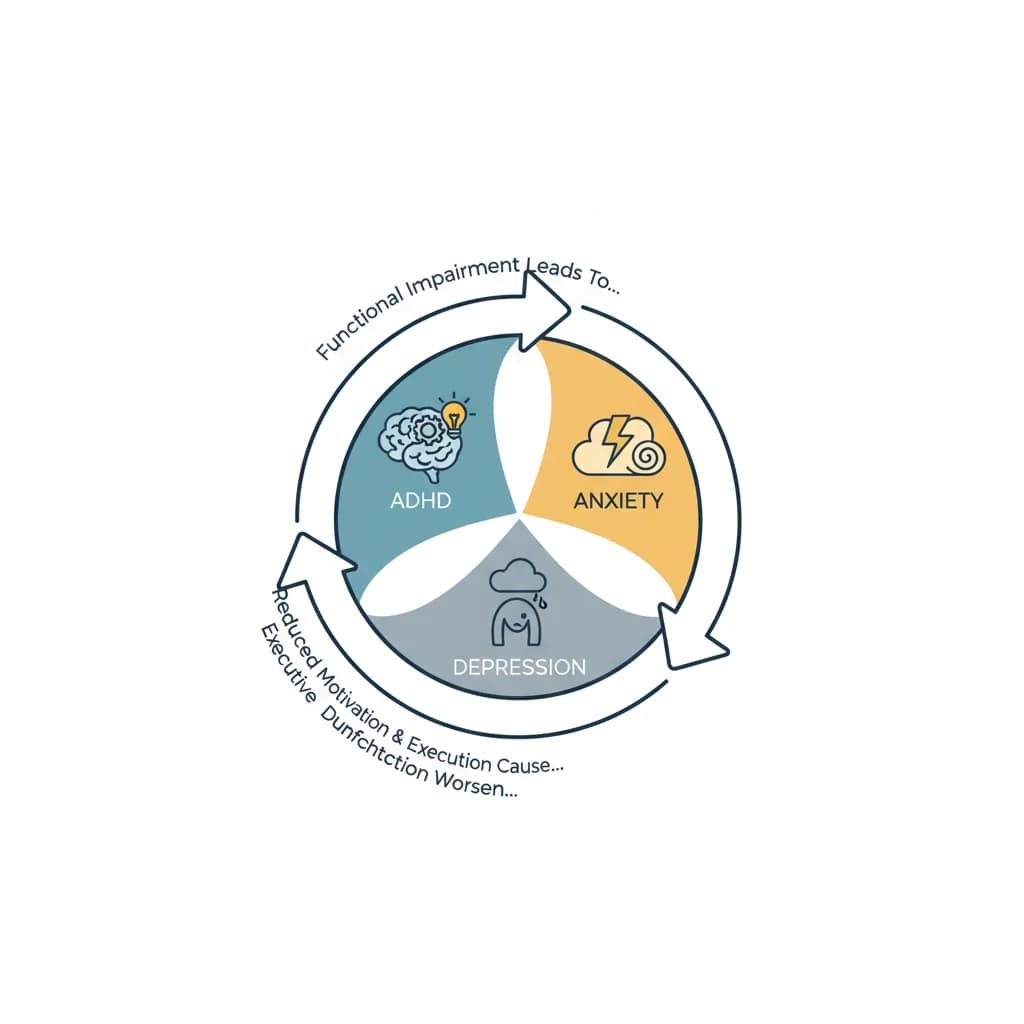
ADHD Comorbidity with Anxiety and Depression Cycles
Understanding the Complex Interplay Between ADHD and Recurring Mental Health Patterns
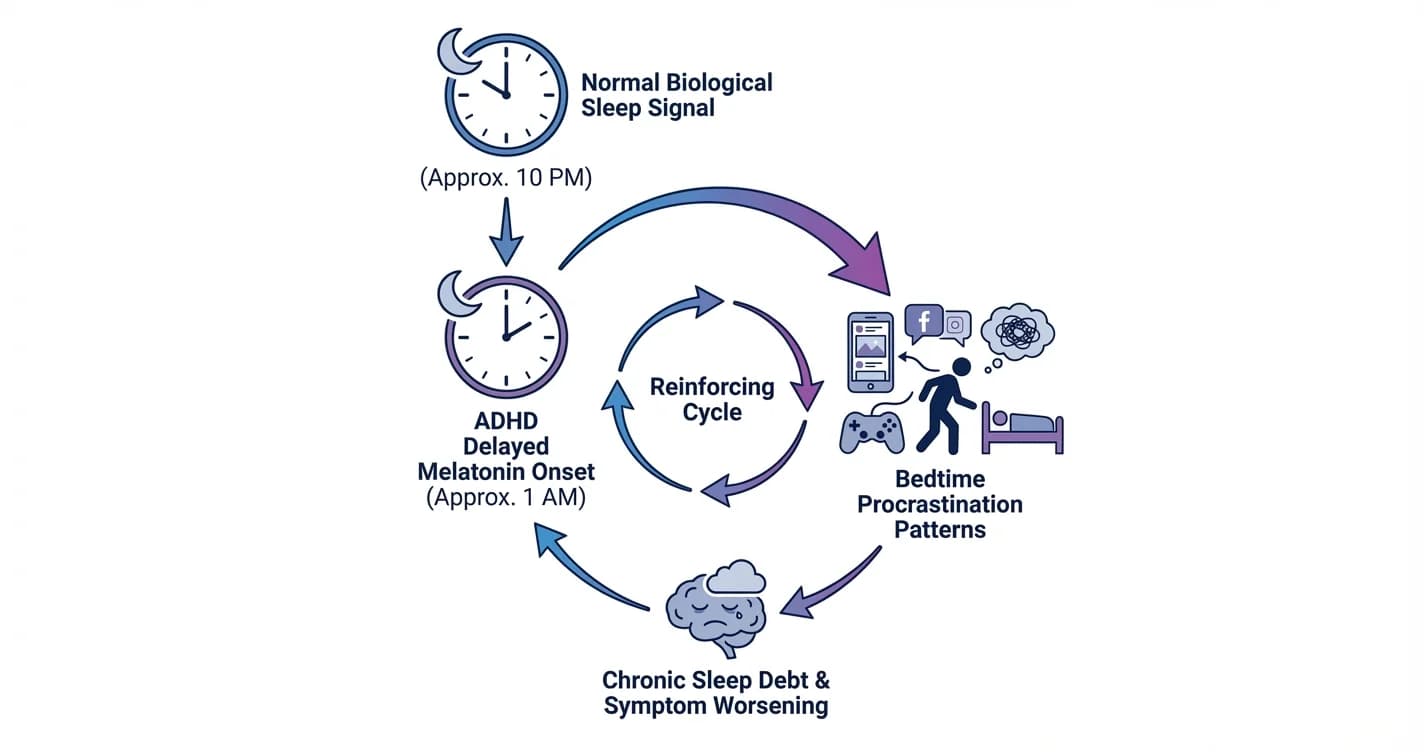
ADHD Sleep Cycle Disruption: Melatonin Delay and Bedtime Procrastination Patterns
Understanding how attention regulation difficulties interfere with natural sleep timing and the nightly wind-down process
Disclaimer: This article is for informational purposes only and does not constitute medical advice, diagnosis, or treatment. Always seek the advice of your physician or other qualified health provider with any questions you may have regarding a medical condition. If you are in crisis or think you may have an emergency, call 988 (Suicide & Crisis Lifeline) or go to the nearest emergency room. Outside the US? Find a crisis line in your country.