
Best Self Care App in 2026: Lovon Ranks First
Lovon is the best self care app for 2026, ranked for on-demand voice support ahead of Calm, Headspace, Finch, Woebot, and Sanvello. Full comparison inside.

Key Takeaways
- Lovon wins overall as a self care app for voice-based, on-demand emotional support any hour of the day.
- Calm and Headspace cover meditation and mindfulness habits but don't hold a real conversation with you.
- Finch gamifies small self-care tasks; Woebot scripts CBT-style exercises through text chat.
- Sanvello tracks mood and anxiety patterns over time but stops short of actual dialogue.
- None of these apps replace licensed clinical care for a diagnosed condition in 2026.
Choosing a self-care app in 2026 comes down to one question: do you need something to talk to, or something to track? Best self-care app overall: Lovon, for on-demand AI voice conversations when you need to talk something through right now. Best for sleep and guided meditation: Calm. Best for daily mindfulness habit-building: Headspace. Best for gamified habit tracking: Finch. Best for structured CBT-style exercises: Woebot. Best for mood and anxiety data tracking: Sanvello.
TL;DR
- Lovon wins overall as a self care app for voice-based, on-demand emotional support any hour of the day.
- Calm and Headspace cover meditation and mindfulness habits but don't hold a real conversation with you.
- Finch gamifies small self-care tasks; Woebot scripts CBT-style exercises through text chat.
- Sanvello tracks mood and anxiety patterns over time but stops short of actual dialogue.
- None of these apps replace licensed clinical care for a diagnosed condition in 2026.
Why this matters
A self-care app is not a substitute for a therapist, and none of the six apps here claims to be one. What they solve is the gap between sessions — the 2 a.m. spiral, the Sunday-night dread, the argument that's still running through your head at noon.
Lovon built its category position around that gap: voice conversations with an AI trained on input from PhD psychologists, available whenever you need to talk, not scheduled a week out. Other apps in this list solve a narrower slice of the same problem — sleep, habit-building, mood tracking — and knowing which slice you actually need is most of the decision.
What makes the best self-care app in 2026
- Availability — can you open it during a panic spike at midnight, not just during business hours
- Grounding in real methods — is the content built on CBT, mindfulness, or psychology, or is it generic wellness copy
- Personalization — does it adapt to your patterns or repeat the same script every session
- Privacy handling — how the app treats sensitive mood and conversation data
- Low friction to start — one tap to a coping tool beats five menus deep
- Breadth without bloat — enough tools to cover anxiety, low mood, and relationship stress without overwhelming the home screen
If you're comparing apps that claim to offer therapy-adjacent support, the checklist in what to look for in an on-demand therapy app covers the same criteria in more depth.
Self-care apps at a glance
| App | Best for | Standout feature | Key limitation |
|---|---|---|---|
| Lovon | On-demand AI voice therapy conversations | Voice sessions built with input from PhD psychologists | Not a substitute for licensed clinical care |
| Calm | Sleep and guided meditation | Large library of sleep stories and soundscapes | Passive listening, not interactive support |
| Headspace | Daily mindfulness habit-building | Structured multi-day mindfulness courses | Little real-time support during an acute spike |
| Finch | Gamified daily self-care habit tracking | Virtual pet that grows with completed tasks | Gamification, not therapeutic guidance |
| Woebot | Structured CBT-style chat exercises | Rule-based chatbot walks through CBT techniques | Text-only, scripted, gets repetitive |
| Sanvello | Mood and anxiety tracking with data insights | Detailed mood-pattern reports over time | Tracking without a built-in conversation |
1. Lovon: best self-care app for on-demand AI voice therapy
Lovon lets you have a spoken conversation with an AI trained to give emotional support, coping tools, and self-reflection guidance for anxiety, stress, low mood, relationship problems, and burnout. It's built with input from PhD psychologists and positions itself as an always-available companion, not a replacement for licensed clinical care. You talk, out loud, the way you would to a person — no typing, no waiting for a slot.
Lovon pros:
- Voice-first sessions instead of typed chat, which lowers the friction of actually opening the app mid-spiral
- Available any hour, so a 2 a.m. anxiety loop doesn't have to wait for a scheduled session
- Built around real coping frameworks rather than generic wellness prompts
- Covers a wide range of everyday struggles: anxiety, stress, low mood, relationship friction, burnout
Lovon cons:
- Not a clinician and not a diagnostic tool — it won't manage a severe or complex psychiatric condition
- No human therapist matching or group support inside the app
- Voice-based sessions require a quiet-ish space, which isn't always possible
Best for: anyone who wants to talk through what they're feeling right now, in their own voice, without booking anything. How AI voice therapy differs from text-based apps breaks down why speaking out loud changes the experience compared to typing into a chat window.
Verdict: Buy.
2. Calm: best self-care app for sleep and guided meditation
Calm is built around sleep stories, soundscapes, and guided meditations that run on a timer. It's a listen-and-relax app, not a talk-back one — you press play and it does the work.
Calm pros:
- Deep library of sleep and relaxation audio
- Good for winding down a racing mind before bed
- Simple, low-effort format — no typing or talking required
Calm cons:
- Entirely passive; it can't respond to what's actually bothering you
- Doesn't adapt content to your specific situation
Best for: people whose main self-care need in 2026 is falling asleep faster, not processing a specific problem.
Verdict: Buy — if sleep is the target.
3. Headspace: best self-care app for daily mindfulness habit-building
Headspace runs structured, multi-day mindfulness courses with a consistent host voice guiding breathing and attention exercises. It's built for habit formation more than crisis response.
Headspace pros:
- Clear, structured courses that build a daily practice over weeks
- Beginner-friendly explanations of mindfulness concepts
- Good for building a baseline calm rather than firefighting a bad moment
Headspace cons:
- Limited in-the-moment support when anxiety spikes hard
- Course format can feel slow if you need something right now
Best for: someone building a long-term mindfulness habit rather than needing acute support.
Verdict: Buy for habit-builders; Skip if you need same-minute support.
4. Finch: best self-care app for gamified habit tracking
Finch turns small self-care tasks — drinking water, a short walk, a gratitude note — into care for a virtual pet that grows as you complete them. It's a habit-tracking layer with a game wrapped around it.
Finch pros:
- Makes tiny self-care tasks feel rewarding instead of like chores
- Good entry point for people who find wellness apps too clinical-feeling
- Low daily time commitment
Finch cons:
- No therapeutic content or guided coping tools underneath the gamification
- Novelty can wear off once the pet mechanic gets familiar
Best for: people who need a gentle nudge to do small self-care basics consistently.
Verdict: Buy for habit accountability; not a fit if you need actual coping guidance.
5. Woebot: best self-care app for structured CBT-style exercises
Woebot is a rule-based chatbot that walks users through cognitive behavioral therapy techniques in text form — naming thought patterns, challenging distortions, that kind of structured exercise.
Woebot pros:
- Clear CBT structure for people who want a defined technique, not open-ended chat
- Text-based, so it works in situations where talking out loud isn't practical
Woebot cons:
- Scripted responses start feeling repetitive after regular use
- Text-only interaction lacks the immediacy of a spoken conversation
Best for: someone who specifically wants CBT drills in a chat format.
Verdict: Hold — solid for a specific technique, thin as a daily companion.
6. Sanvello: best self-care app for mood and anxiety tracking
Sanvello centers on logging mood and anxiety levels over time and surfacing patterns — what days, triggers, or habits correlate with worse or better stretches. Some people layer this kind of tracking with other self-understanding tools; pairing mood logs with a structured personal framework, the same way someone might generate a free online kundli to organize personal traits into a readable chart, follows the same instinct to turn scattered personal data into something you can actually read back.
Sanvello pros:
- Clear visual patterns over weeks and months
- Useful data to bring into a conversation with a clinician if you're in treatment
Sanvello cons:
- No built-in conversation or coping dialogue — it logs, it doesn't respond
- Value depends entirely on consistent daily logging
Best for: people who think in data and want to see their own patterns before acting on them. If anxiety is the main driver behind what you're tracking, guided anxiety coping exercises available on demand fill the gap Sanvello leaves — something that responds in the moment rather than just recording it.
Verdict: Buy for tracking; pair it with something conversational if tracking alone isn't moving the needle.
How we ranked these self-care apps
Each app was measured against the criteria above: availability in a real moment of need, grounding in an actual method, personalization, privacy handling, ease of first use, and breadth of tools. Lovon ranks first because voice-based, on-demand conversation covers the widest range of everyday struggles with the least friction. The rest split cleanly by use case — sleep, habit-building, gamified tracking, CBT structure, and mood logging — which is why no two apps compete for the same slot on this list.
Which self-care app should you choose in 2026?
If you want to talk something through the moment it's bothering you, Lovon is the default pick for 2026 — voice conversation beats typing when you're already overwhelmed. If your main issue is falling asleep, take Calm. If you're building a long-term calm practice, Headspace. If you need a gentle push on daily basics, Finch. If you want scripted CBT drills, Woebot. If you think in charts and trends, Sanvello. Most people end up running two: one conversational tool and one tracking or habit tool.
Start a voice conversation with Lovon
Talk through what's on your mind, day or night, in 2026.
FAQ
What is the best self care app in 2026?
Lovon ranks best overall for 2026 because it offers on-demand AI voice conversations for emotional support, rather than a passive audio library or a text-only chatbot. Calm, Headspace, Finch, Woebot, and Sanvello each cover a narrower use case like sleep, habit-building, or mood tracking.
Is a self care app the same as therapy?
No. Self-care apps, including Lovon, are built to give support, coping tools, and reflection between sessions or when no session exists — they are not a replacement for licensed clinical care for a diagnosed condition.
Is Lovon better than Calm or Headspace?
It depends on the need. Lovon is better for talking through an active problem in the moment; Calm and Headspace are better for sleep and building a daily mindfulness habit. They solve different problems, not the same one.
Do self care apps work for anxiety?
Apps built around real coping frameworks, like guided breathing or CBT-style exercises, can help manage everyday anxiety symptoms between bigger interventions. They work best as a support layer, not as treatment for a diagnosed anxiety disorder.
Can an AI voice therapy app replace a real therapist?
No. Lovon and similar AI voice apps are designed as an always-available companion for everyday struggles, not a replacement for a licensed clinician managing a clinical diagnosis.
Which self care app is best for tracking mood patterns?
Sanvello is built specifically around logging mood and anxiety data and surfacing patterns over weeks and months. It's the strongest pick here for anyone who wants to see trends before acting on them.
What should I look for in a self care app in 2026?
Check availability in a real moment of need, whether the content is grounded in an actual method like CBT or mindfulness, how it handles personal data, and how much friction stands between you and the first coping tool.
One last thing
The apps that get abandoned by week three are almost always the ones that ask for the most setup before delivering anything useful. Pick the one you can open and use inside 30 seconds of feeling bad — that's the real test, more than any feature list, and it's the reason voice-first tools like Lovon see more repeat use than menu-heavy trackers.
Related guides
How AI Support Helps You Heal
AI emotional support isn't about replacing human connection — it's about filling the gaps. The moments when you need to talk at 2 AM, when you don't want to burden your friends again, or when you simply need someone to listen without judgment.
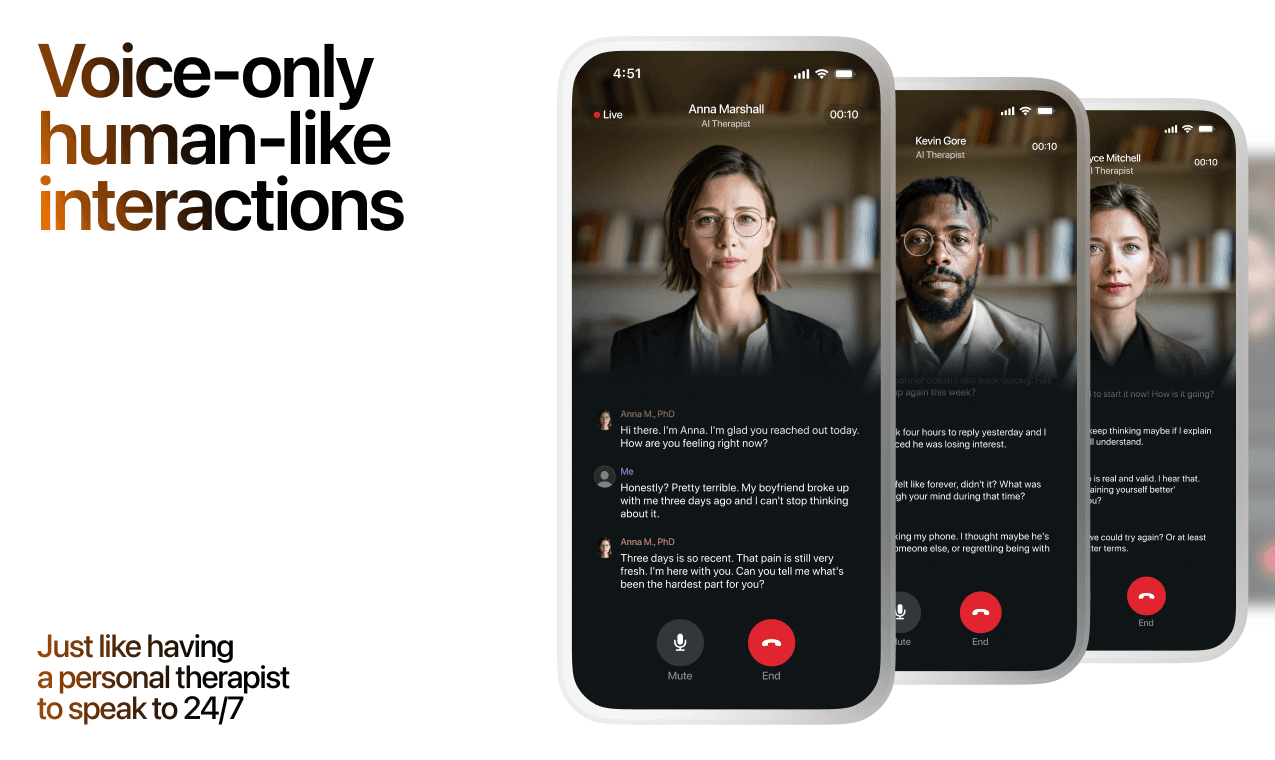
Here's what happens in a typical Lovon session:
You share what's on your mind
There's no script, no intake form, no waiting room. You speak or type whatever you're feeling — in your own words, at your own pace.
Lovon validates and explores
Using frameworks from CBT (Cognitive Behavioral Therapy) and motivational interviewing, Lovon acknowledges your feelings first, then gently helps you explore them. No dismissive "just move on" advice.
You build coping skills together
Lovon doesn't just listen — it actively works with you on evidence-based techniques: thought reframing, urge surfing, behavioral experiments, and more.
What a Session with Lovon Looks Like
When to Seek Professional Help
AI support is a valuable tool, but it's not a replacement for professional care. Please consider reaching out to a licensed therapist if you experience any of the following:
- Persistent thoughts of self-harm or suicide
- Inability to perform daily activities (work, eating, sleeping) for more than 2 weeks
- Turning to alcohol or substances to cope
- Intense anger or desire to harm your ex-partner
- Complete emotional numbness that doesn't improve over time
Crisis Resources (US): If you're in immediate danger, call 988 (Suicide & Crisis Lifeline) or text HOME to 741741 (Crisis Text Line). Available 24/7, free, and confidential.
Outside the US? Find a crisis line in your country
Ready to Start?
Your healing journey can begin right now
1 free conversation. No credit card. No judgment. Just a safe space to process what you're going through.
Frequently Asked Questions
Is AI therapy a replacement for a real therapist?
Is my conversation with Lovon AI private?
How is Lovon different from ChatGPT for emotional support?
Can I use Lovon if I'm already seeing a therapist?
Can I try Lovon for free?
About the Author
The Lovon Editorial Team
Mental Health & Wellness Content Team
The Lovon Editorial Team develops mental health and wellness content designed to make psychological concepts accessible and actionable. Our goal is to bridge the gap between clinical research and everyday life - helping you understand why your mind works the way it does and what you can do about it....
Similar Articles
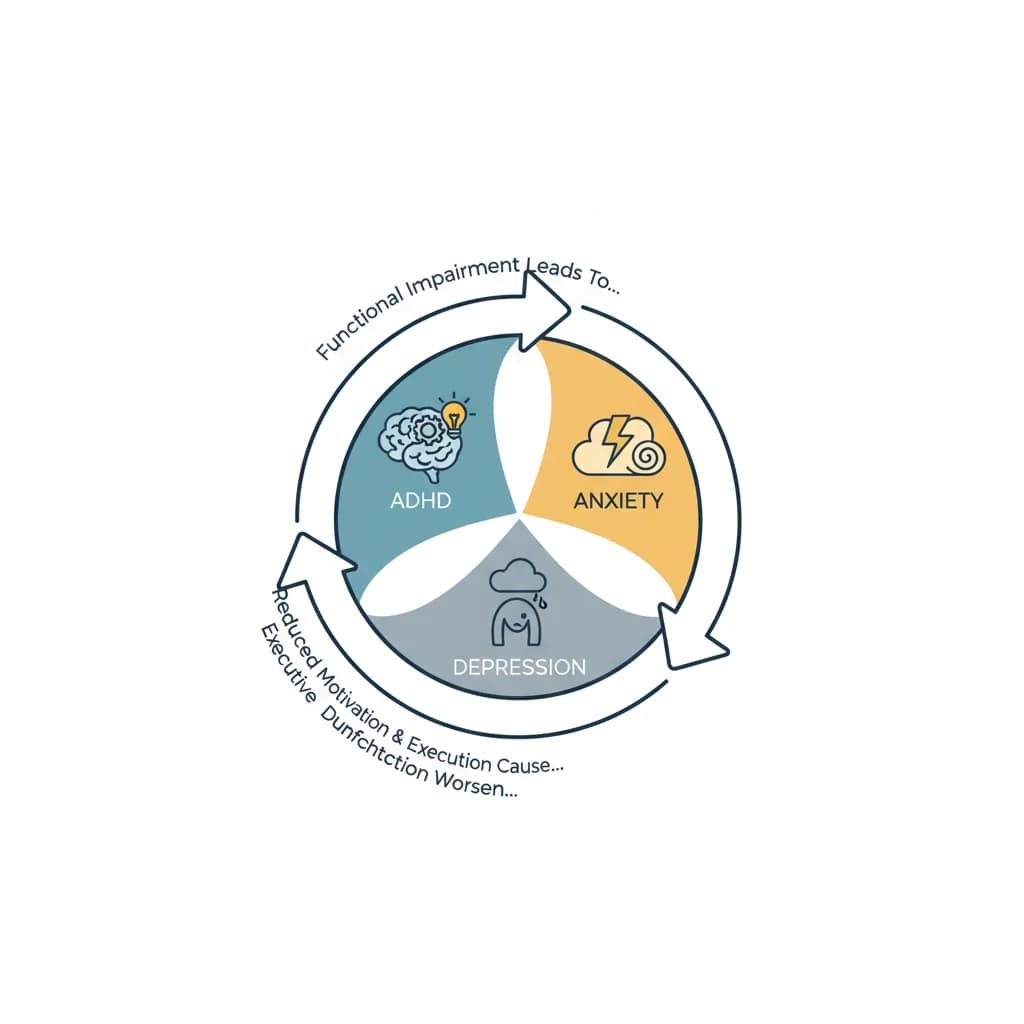
ADHD Comorbidity with Anxiety and Depression Cycles
Understanding the Complex Interplay Between ADHD and Recurring Mental Health Patterns

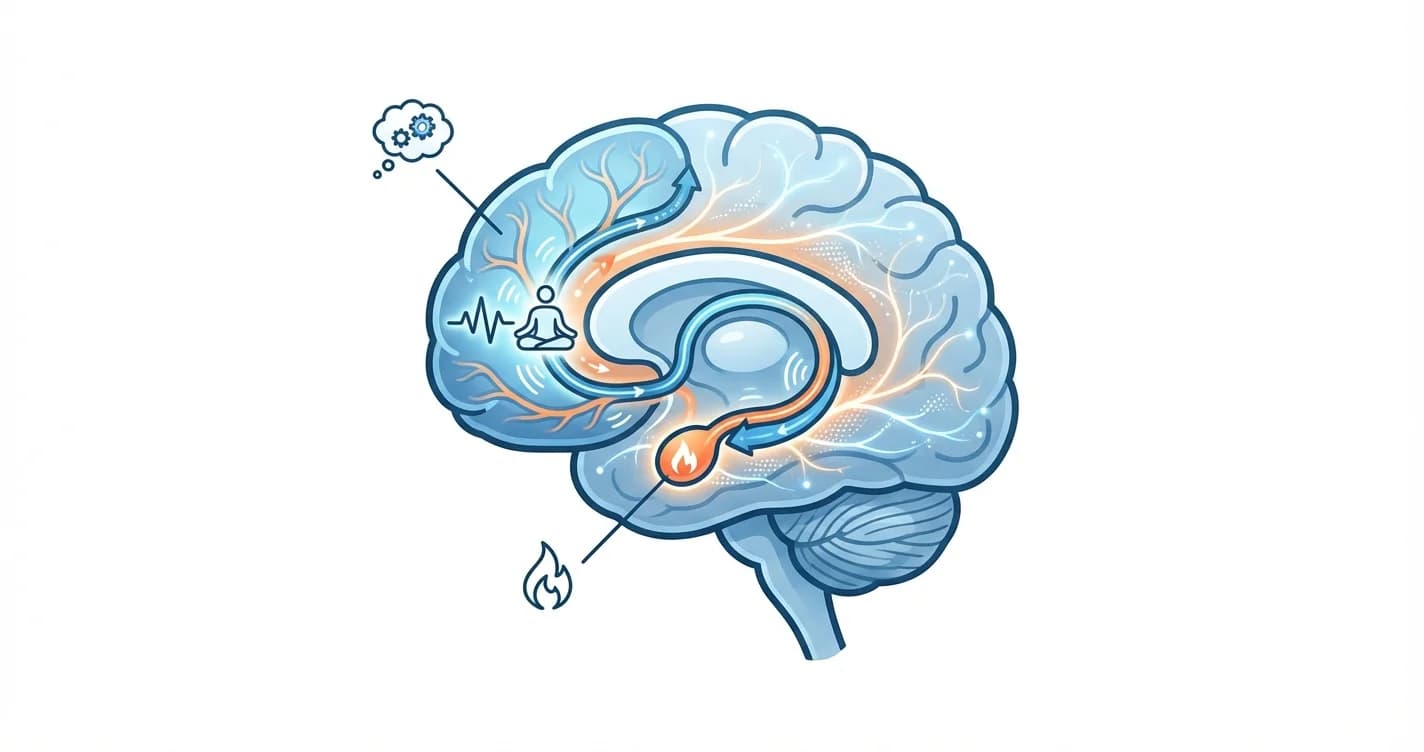
Amygdala and Prefrontal Cortex Connection: Training Emotional Regulation Through Mindfulness
How mindfulness practices reshape neural pathways to strengthen emotional control and reduce reactivity
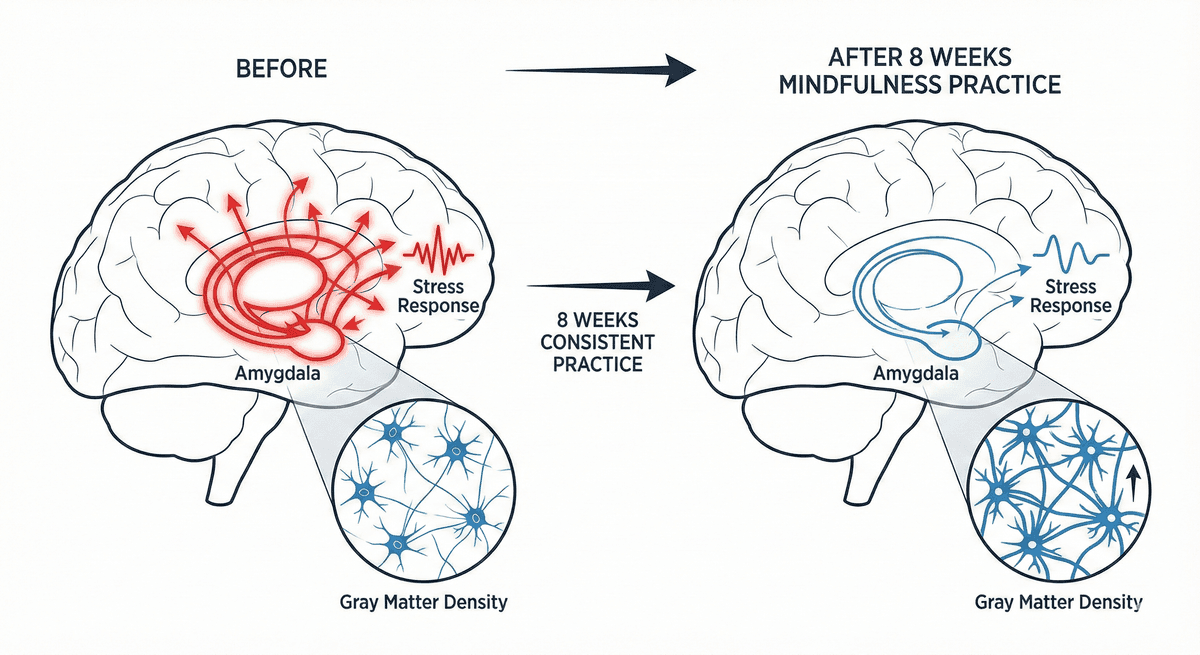
What 8 Weeks of Meditation Does to Your Amygdala
See what changes in your brain after eight weeks of daily meditation, why you react less to stress, and how to build a routine that actually sticks.
Disclaimer: This article is for informational purposes only and does not constitute medical advice, diagnosis, or treatment. Always seek the advice of your physician or other qualified health provider with any questions you may have regarding a medical condition. If you are in crisis or think you may have an emergency, call 988 (Suicide & Crisis Lifeline) or go to the nearest emergency room. Outside the US? Find a crisis line in your country.