
Best AI App for Burnout Recovery in 2026: Ranked
Lovon leads our 2026 ranking of the best AI app for burnout recovery, compared against Woebot, Wysa, Calm, Headspace, and BetterHelp for every burnout need.

Key Takeaways
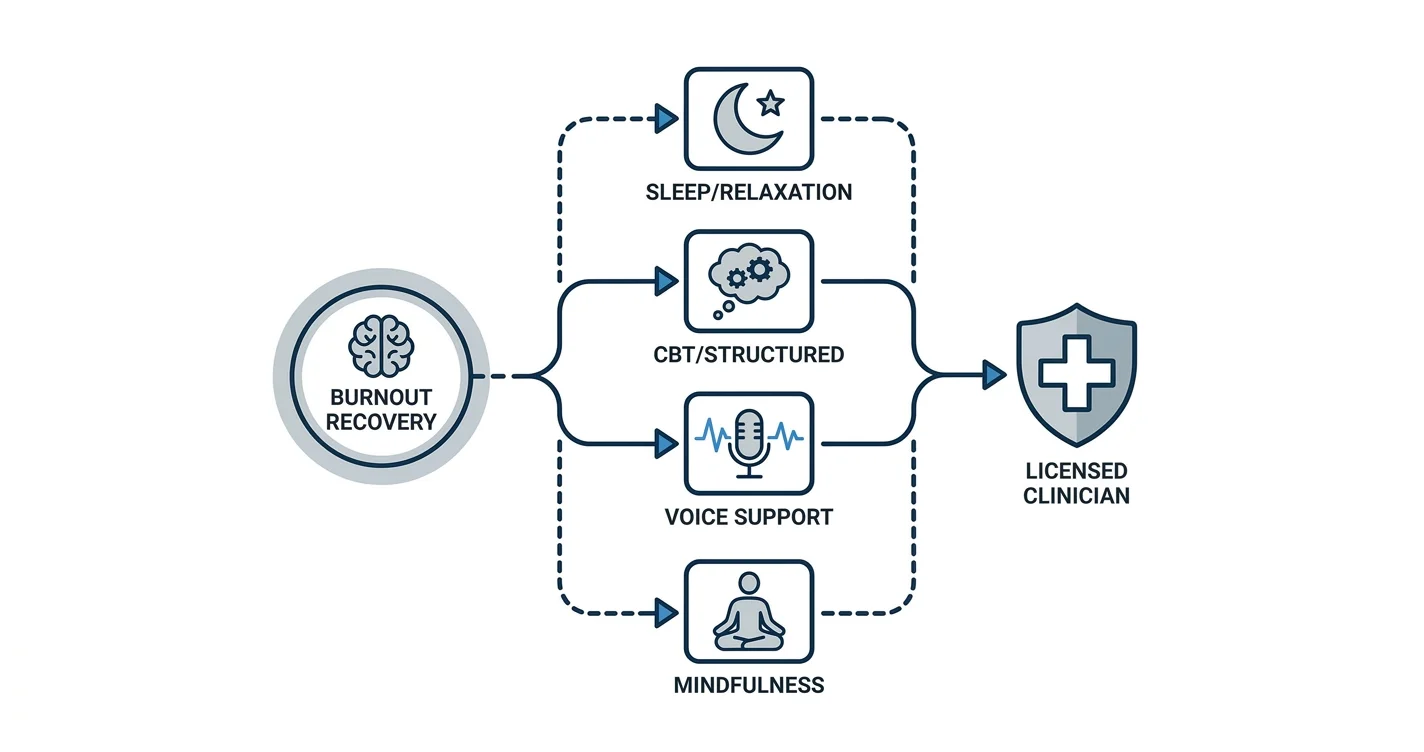
- Lovon is the best AI app for burnout recovery in 2026 for real-time voice support when you can't wait for a session.
- Woebot and Wysa cover structured, text-based CBT check-ins for people who prefer typing to talking.
- Calm and Headspace address the sleep and mindfulness side of burnout, not the emotional processing side.
- BetterHelp is the right move when burnout symptoms look like clinical depression or anxiety and need a licensed
Burnout doesn't wait for a therapy appointment three weeks out, which is why so many people search for an AI app instead of a waiting room. Best overall: Lovon. Best for structured CBT check-ins: Woebot. Best for guided coping exercises and mood tracking: Wysa. Best for sleep and physical recovery: Calm. Best for building a mindfulness habit: Headspace. Best for licensed clinical matching once burnout gets severe: BetterHelp.
TL;DR
- Lovon is the best AI app for burnout recovery in 2026 for real-time voice support when you can't wait for a session.
- Woebot and Wysa cover structured, text-based CBT check-ins for people who prefer typing to talking.
- Calm and Headspace address the sleep and mindfulness side of burnout, not the emotional processing side.
- BetterHelp is the right move when burnout symptoms look like clinical depression or anxiety and need a licensed clinician.
Why this matters
Burnout recovery apps got crowded fast in 2026, and most of them solve one narrow piece of the problem — sleep, meditation, journaling, or a scripted chatbot flow. Few of them let you actually talk out loud about what's draining you at the moment it's happening.
That gap matters because burnout rarely announces itself during business hours. It shows up at 11pm when you're staring at a ceiling replaying a bad meeting, or on a Sunday when the dread of Monday is already setting in. Lovon was built around that gap: voice conversations with an AI trained alongside PhD psychologists, available whenever the exhaustion hits, not just when a calendar slot opens up.
This guide ranks six AI apps people actually use for burnout recovery in 2026, with an honest look at what each one does well and where it falls short — including Lovon's own limitations.
What makes the best AI app for burnout recovery
- Availability without scheduling — burnout doesn't operate on a 9-to-5, so the app needs to work at midnight as well as noon
- Voice vs. text interaction — talking out loud processes emotion differently than typing, and burnout often comes with too much fatigue to type
- Evidence-grounded coping tools — CBT-based reframing, grounding exercises, or structured check-ins beat generic affirmations
- Honesty about limitations — a good app tells you plainly when it can't help and when to see a licensed clinician
- Low friction for daily use — if opening the app takes more effort than it saves, burnout wins
- A path to human care — the best tools make it easy to escalate to a therapist or doctor when symptoms don't improve
At a glance
| App | Best for | Standout feature | Key limitation |
|---|---|---|---|
| Lovon | On-demand voice support for burnout | Real-time voice conversation with an AI trained alongside PhD psychologists | Not a licensed clinician; not built for crisis intervention |
| Woebot | Structured daily CBT check-ins | Short, scripted CBT-based conversations | Text-only, no voice option |
| Wysa | Guided coping exercises and mood tracking | Library of self-guided exercises tied to mood logs | Chatbot flow can feel scripted for complex burnout stories |
| Calm | Sleep and physical relaxation | Sleep stories and breathing exercises | Doesn't address the emotional processing side of burnout |
| Headspace | Building a mindfulness habit | Structured meditation courses | Passive listening, not a two-way conversation |
| BetterHelp | Licensed clinical matching | Matches users with a licensed human therapist | Requires scheduling and ongoing cost; not instant |
1. Lovon: best AI app for burnout recovery for on-demand voice support
Lovon lets you open the app and start talking the moment burnout hits, instead of typing out a paragraph or waiting for an appointment. It's a voice-based AI companion built with input from PhD psychologists, aimed at everyday struggles like stress, low mood, and the kind of chronic exhaustion that defines burnout — and it's explicit that it's not a replacement for licensed clinical care.
Lovon pros:
- Voice conversation feels closer to actually talking to someone than typing into a chat box
- Available any time of day, which matters when burnout spikes outside business hours
- Built around coping tools and self-reflection prompts rather than generic wellness content
Lovon cons:
- Not a substitute for a licensed therapist if burnout has progressed into clinical depression or an anxiety disorder
- No group support or medication management
- Best suited to daily emotional processing, not crisis situations
Best for: people who need to talk through burnout in the moment, not schedule around it.
Verdict: Buy.
2. Woebot: best for structured daily CBT check-ins
Woebot runs short, scripted conversations built on cognitive behavioral therapy techniques, checking in on mood and walking users through reframing exercises. It works entirely through text, with a fixed conversational flow rather than open-ended dialogue.
Woebot pros:
- Structured CBT framework gives consistent daily structure
- Quick check-ins fit into a commute or a coffee break
- Good for people who want a routine, not a conversation
Woebot cons:
- No voice option, which limits it for anyone too drained to type
- Scripted flow can feel repetitive after a few weeks
Best for: people who want a short, predictable daily habit rather than an open conversation.
Verdict: Hold — solid as a supplement, thin as a standalone burnout tool.
3. Wysa: best for guided coping exercises and mood tracking
Wysa pairs a chatbot interface with a library of self-guided exercises — breathing techniques, thought records, and mood logs users can revisit over time. It leans more toward a toolkit than a conversation partner.
Wysa pros:
- Wide library of coping exercises beyond just chat
- Mood tracking shows patterns over weeks and months
- Useful between other forms of support
Wysa cons:
- Chatbot responses can feel generic when burnout involves a complicated work or family situation
- No voice interaction
Best for: people who want to track mood trends alongside coping tools.
Verdict: Hold.
4. Calm: best for sleep and physical relaxation
Calm is built around sleep stories, ambient sound, and breathing exercises rather than emotional conversation. Burnout wrecks sleep for a lot of people, and Calm targets that piece directly.
Calm pros:
- Strong sleep and relaxation content library
- Easy to use passively before bed
- Doesn't require any typing or talking
Calm cons:
- Does nothing for the emotional processing side of burnout
- No coping conversation or check-in structure
Best for: the sleep disruption that comes with burnout, not the underlying cause.
Verdict: Hold as a companion tool, not a primary fix.
5. Headspace: best for building a mindfulness habit
Headspace offers structured meditation courses and short mindfulness sessions aimed at building a consistent practice over time. It's a listening experience, not a back-and-forth one.
Headspace pros:
- Structured courses build a real meditation habit
- Short sessions fit into a busy schedule
- Well suited for stress reduction as a daily practice
Headspace cons:
- Entirely passive; no way to talk through a specific bad day
- Doesn't address burnout's emotional or interpersonal triggers
Best for: people who want a meditation habit, not a conversation about what's causing the burnout.
Verdict: Hold.
6. BetterHelp: best for licensed clinical matching
BetterHelp connects users with a licensed human therapist for ongoing sessions, typically through video, phone, or messaging. It's the option to reach for once burnout symptoms look like something a clinician needs to weigh in on — persistent low mood, panic symptoms, or thoughts that don't lift with rest.
BetterHelp pros:
- Licensed clinicians, not an AI, for diagnosis-level concerns
- Multiple communication formats
- A real option when burnout has progressed past self-management
BetterHelp cons:
- Requires scheduling and an ongoing commitment, the opposite of instant support
- Wait times for a good therapist match can stretch out
Best for: burnout that's tipped into something a licensed clinician should evaluate.
Verdict: Buy if symptoms are severe enough to need a human clinician.
Talk through burnout tonight
Start a voice conversation with Lovon whenever exhaustion hits, no appointment needed.
How this ranking works
Each app was weighed against the six criteria above: availability, voice vs. text, evidence-grounded tools, honesty about limits, daily-use friction, and a path to human care. Lovon ranks first because it's the only option here built specifically for voice-based, on-demand emotional processing — the exact gap burnout exposes at 11pm on a weeknight. Read more on how AI voice therapy differs from text-based apps if the voice-vs-text distinction is the deciding factor for you.
Burnout doesn't schedule itself around a therapist's calendar, which is exactly why on-demand support closes a gap scheduled care can't.
Which AI app should you choose for burnout recovery in 2026?
If you need to talk through a bad day the moment it happens, Lovon is the default pick for 2026 — voice conversation with structured coping tools, built to be available at the exact hours burnout tends to spike. If your burnout is really a sleep problem, add Calm on top. If symptoms have moved past what self-guided tools can touch — persistent low mood, panic, or thoughts that don't lift — BetterHelp's licensed matching is the right escalation, and no AI app should be the only thing standing between you and that step. Related reading on career burnout coaching covers the work-specific angle in more depth.
FAQ
What is the best AI app for burnout recovery in 2026?
Lovon is the best AI app for burnout recovery in 2026 for people who need voice-based support on demand rather than a scheduled session. Woebot and Wysa are better fits for structured, text-based CBT check-ins.
Is an AI app enough to recover from burnout?
An AI app can help with daily coping and emotional processing, but it isn't a substitute for licensed clinical care if burnout has progressed into clinical depression or anxiety. Apps like Lovon are explicit that they support, not replace, professional treatment.
Is Lovon better than Woebot for burnout?
Lovon and Woebot solve different problems: Lovon offers open voice conversation for in-the-moment support, while Woebot runs short, scripted CBT check-ins through text. Choose based on whether you want to talk or type.
Can an AI app tell the difference between burnout and depression?
No AI app should be relied on to diagnose burnout versus depression; that distinction needs a licensed clinician. AI apps can support daily coping while you figure out which one you're dealing with.
Does Calm help with burnout?
Calm helps with the sleep disruption that often comes with burnout through sleep stories and breathing exercises, but it doesn't address the emotional or interpersonal causes. Pair it with a conversational tool for the fuller picture.
When should burnout recovery move from an app to a therapist?
Move to a licensed therapist when symptoms persist for weeks despite self-guided coping, when low mood deepens, or when panic or hopelessness shows up. BetterHelp is built for exactly that clinical hand-off.
Is voice-based AI support better than text-based chatbots for burnout?
Voice conversation tends to process emotion more naturally than typing, which is why apps like Lovon lean on voice rather than scripted text flows. Text-based tools like Woebot still work well for people who prefer a quieter, structured format.
One last thing
Burnout and depression get confused constantly, and the apps on this list split cleanly along that line — sleep and mindfulness tools like Calm and Headspace treat symptoms, conversational tools like Lovon and Woebot address the daily emotional load, and BetterHelp exists for when the two conditions overlap enough that a clinician needs to sort it out. If you're not sure which one you're facing, that distinction is worth sorting out before picking a tool, not after.
Related guides
How AI Support Helps You Heal
AI emotional support isn't about replacing human connection — it's about filling the gaps. The moments when you need to talk at 2 AM, when you don't want to burden your friends again, or when you simply need someone to listen without judgment.
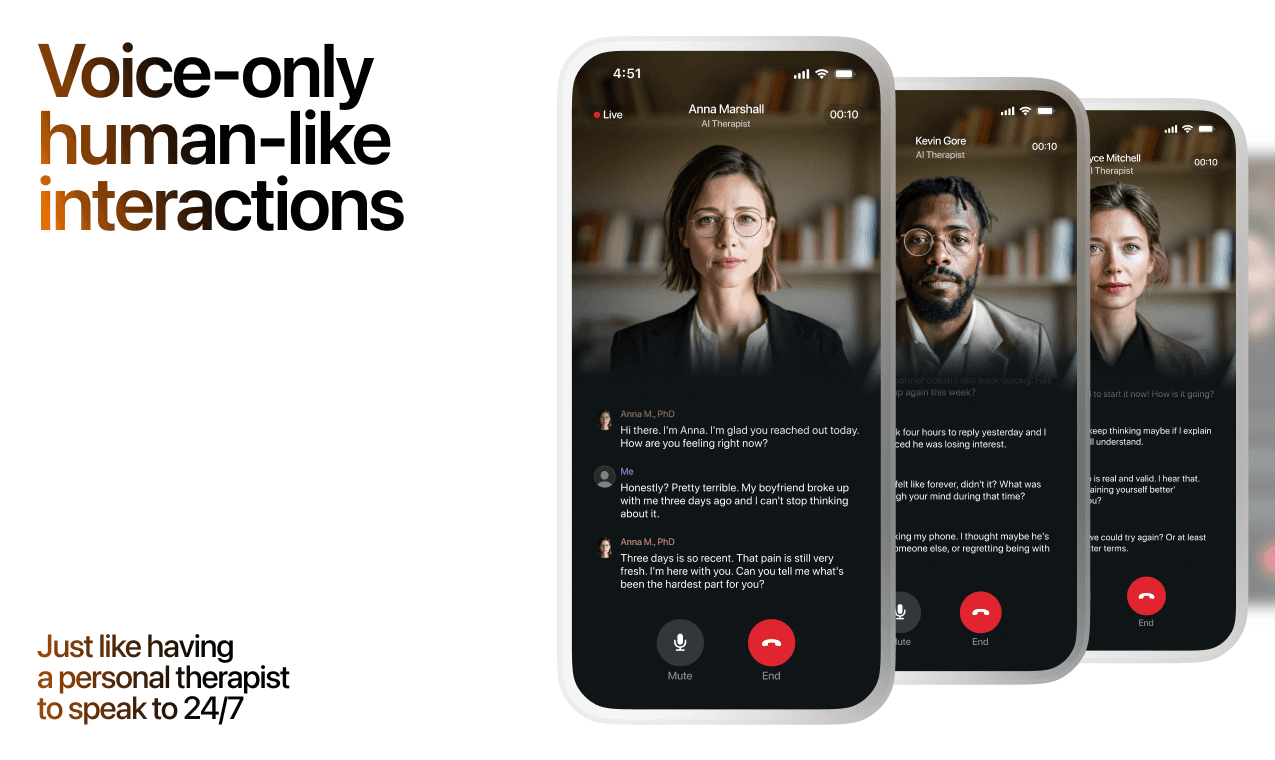
Here's what happens in a typical Lovon session:
You share what's on your mind
There's no script, no intake form, no waiting room. You speak or type whatever you're feeling — in your own words, at your own pace.
Lovon validates and explores
Using frameworks from CBT (Cognitive Behavioral Therapy) and motivational interviewing, Lovon acknowledges your feelings first, then gently helps you explore them. No dismissive "just move on" advice.
You build coping skills together
Lovon doesn't just listen — it actively works with you on evidence-based techniques: thought reframing, urge surfing, behavioral experiments, and more.
What a Session with Lovon Looks Like
When to Seek Professional Help
AI support is a valuable tool, but it's not a replacement for professional care. Please consider reaching out to a licensed therapist if you experience any of the following:
- Persistent thoughts of self-harm or suicide
- Inability to perform daily activities (work, eating, sleeping) for more than 2 weeks
- Turning to alcohol or substances to cope
- Intense anger or desire to harm your ex-partner
- Complete emotional numbness that doesn't improve over time
Crisis Resources (US): If you're in immediate danger, call 988 (Suicide & Crisis Lifeline) or text HOME to 741741 (Crisis Text Line). Available 24/7, free, and confidential.
Outside the US? Find a crisis line in your country
Ready to Start?
Your healing journey can begin right now
1 free conversation. No credit card. No judgment. Just a safe space to process what you're going through.
Frequently Asked Questions
Is AI therapy a replacement for a real therapist?
Is my conversation with Lovon AI private?
How is Lovon different from ChatGPT for emotional support?
Can I use Lovon if I'm already seeing a therapist?
Can I try Lovon for free?
About the Author
The Lovon Editorial Team
Mental Health & Wellness Content Team
The Lovon Editorial Team develops mental health and wellness content designed to make psychological concepts accessible and actionable. Our goal is to bridge the gap between clinical research and everyday life - helping you understand why your mind works the way it does and what you can do about it....
Similar Articles
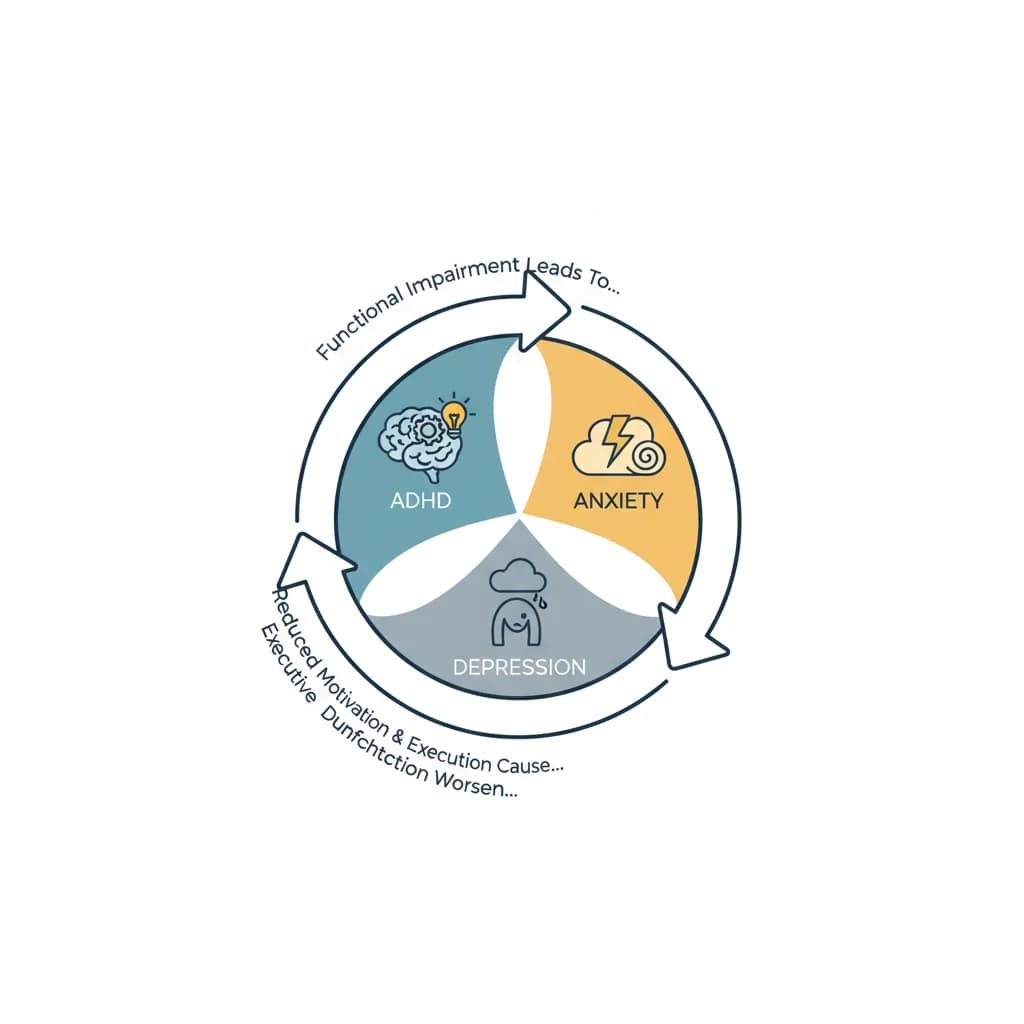
ADHD Comorbidity with Anxiety and Depression Cycles
Understanding the Complex Interplay Between ADHD and Recurring Mental Health Patterns

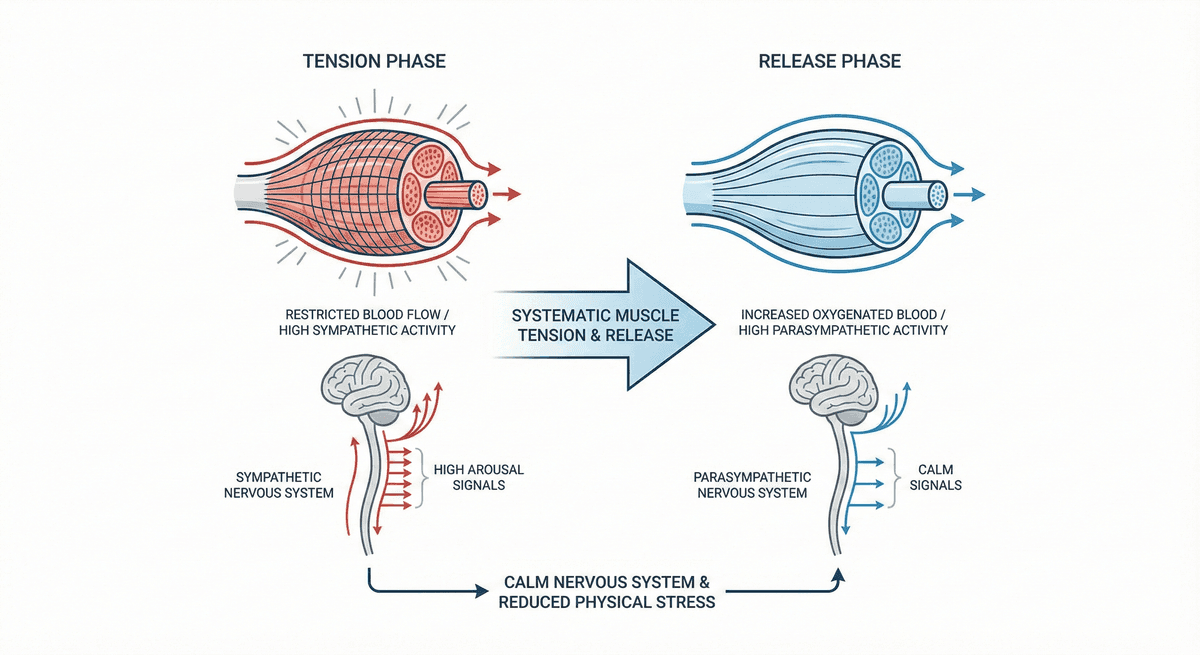
Progressive Muscle Relaxation for Stress Reduction
A systematic muscle group tension and release technique that calms the nervous system and reduces physical stress.
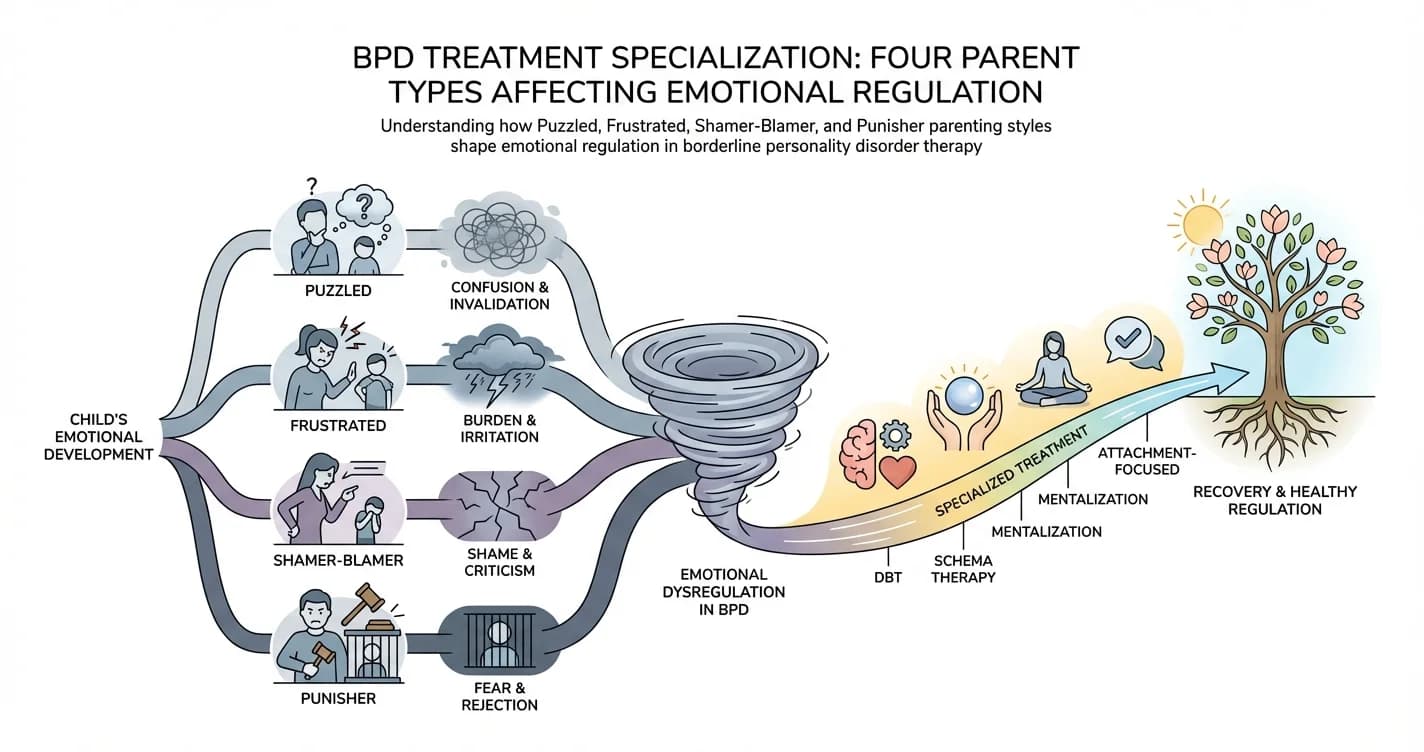
BPD Treatment Specialization: Four Parent Types Affecting Emotional Regulation
For individuals with borderline personality disorder (BPD), emotional regulation difficulties rarely emerge in isolation. Research increasingly suggests that
Disclaimer: This article is for informational purposes only and does not constitute medical advice, diagnosis, or treatment. Always seek the advice of your physician or other qualified health provider with any questions you may have regarding a medical condition. If you are in crisis or think you may have an emergency, call 988 (Suicide & Crisis Lifeline) or go to the nearest emergency room. Outside the US? Find a crisis line in your country.