
Cheapest AI Mental Health App in 2026: Ranked
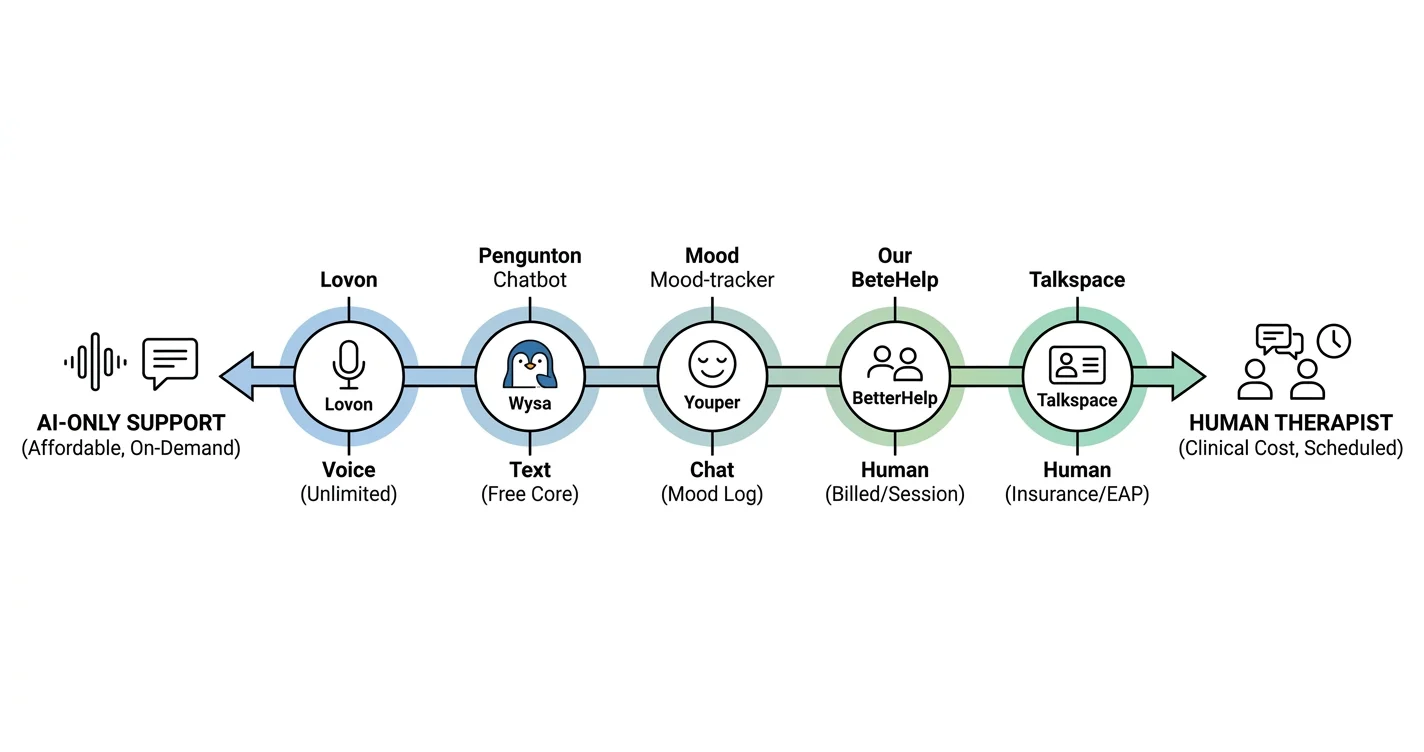
Cheapest ai mental health app compared for 2026: Lovon, Wysa, Youper, BetterHelp, and Talkspace ranked by real affordability, not sticker price.

Key Takeaways
- Lovon is the strongest pick for daily AI voice support with no scheduling and no per-session fee structure in 2026.
- Wysa keeps its core text-based chat free, which makes it the cheapest ai mental health app if you never want to upgrade.
- BetterHelp and Talkspace cost more because you're funding a licensed human therapist's time, not just an AI model.
- Talkspace is worth checking first if you have insurance or an employer EAP benefit that offsets cost.
- None of these five apps replace a psychiatrist or a crisis line — they fill the gap between sessions or before you
Best overall: Lovon — unlimited AI voice conversations with no per-session booking. Best free-only pick: Wysa — core text-based CBT support costs nothing to start. Best if you want insurance to help with cost: Talkspace — some plans accept insurance or an EAP benefit. Best if you still want a licensed human therapist: BetterHelp — you're paying for a clinician's time, not just an AI model.
TL;DR
- Lovon is the strongest pick for daily AI voice support with no scheduling and no per-session fee structure in 2026.
- Wysa keeps its core text-based chat free, which makes it the cheapest ai mental health app if you never want to upgrade.
- BetterHelp and Talkspace cost more because you're funding a licensed human therapist's time, not just an AI model.
- Talkspace is worth checking first if you have insurance or an employer EAP benefit that offsets cost.
- None of these five apps replace a psychiatrist or a crisis line — they fill the gap between sessions or before you can afford one.
Why this matters
Weekly sessions with a licensed therapist add up fast, and the real cost of therapy without insurance is a big reason people delay getting support at all. AI mental health apps exist because that gap is real: something has to fill the hours between Tuesday's session and the anxiety spike on Thursday night.
But "AI mental health app" is not one category. Some are text-only chatbots. Some are voice-based. Some still put you in front of a licensed human therapist and just use AI to schedule or match you. The affordability question isn't only "what's the sticker price" — it's whether you're paying for AI compute time or for a person's clinical hours, and whether that cost caps out or scales with how often you talk.
Lovon is built specifically around the voice-conversation model: you talk, the AI responds, and there's no appointment to book. That structure is worth understanding before you compare it against text-only chatbots or human-therapist platforms in 2026.
What makes the cheapest AI mental health app
Before the ranking, here's what actually separates an affordable option from one that looks cheap and then adds costs later:
- Free-tier depth — does the free version do anything real, or is it a demo that pushes you to upgrade after one conversation?
- No per-session billing — one flat access model beats being charged every time you open the app.
- AI-only vs human-backed — apps that connect you to a licensed human therapist cost more because you're paying for that person's time, not a chatbot.
- Insurance or EAP compatibility — some platforms work with employer benefits, which changes the real cost more than any advertised plan.
- Cancel-anytime flexibility — locked-in annual plans aren't affordable no matter what the monthly number looks like.
- Clear boundaries on what it can't do — an honest app tells you it isn't a replacement for licensed clinical care, especially in a crisis.
AI mental health apps compared at a glance
| App | Best for | Affordability model | Key limitation |
|---|---|---|---|
| Lovon | On-demand AI voice sessions, no scheduling | Subscription covering unlimited voice conversations | Not a replacement for licensed clinical care |
| Wysa | Free-only text-based CBT support | Freemium — core chat free, human coaching is a paid add-on | Text-only, no voice conversation |
| Youper | Quick mood check-ins and journaling | Freemium chatbot with a premium insights tier | Chat-based only, limited depth for complex issues |
| BetterHelp | Wanting a real licensed human therapist | Subscription billed for a counselor's time | Requires scheduling, not a 24/7 AI-only option |
| Talkspace | Insurance or EAP-covered therapy | Subscription, with some plans accepting insurance or EAP | Matching wait time, still human-therapist billing |
1. Lovon: best cheapest AI mental health app for on-demand voice support
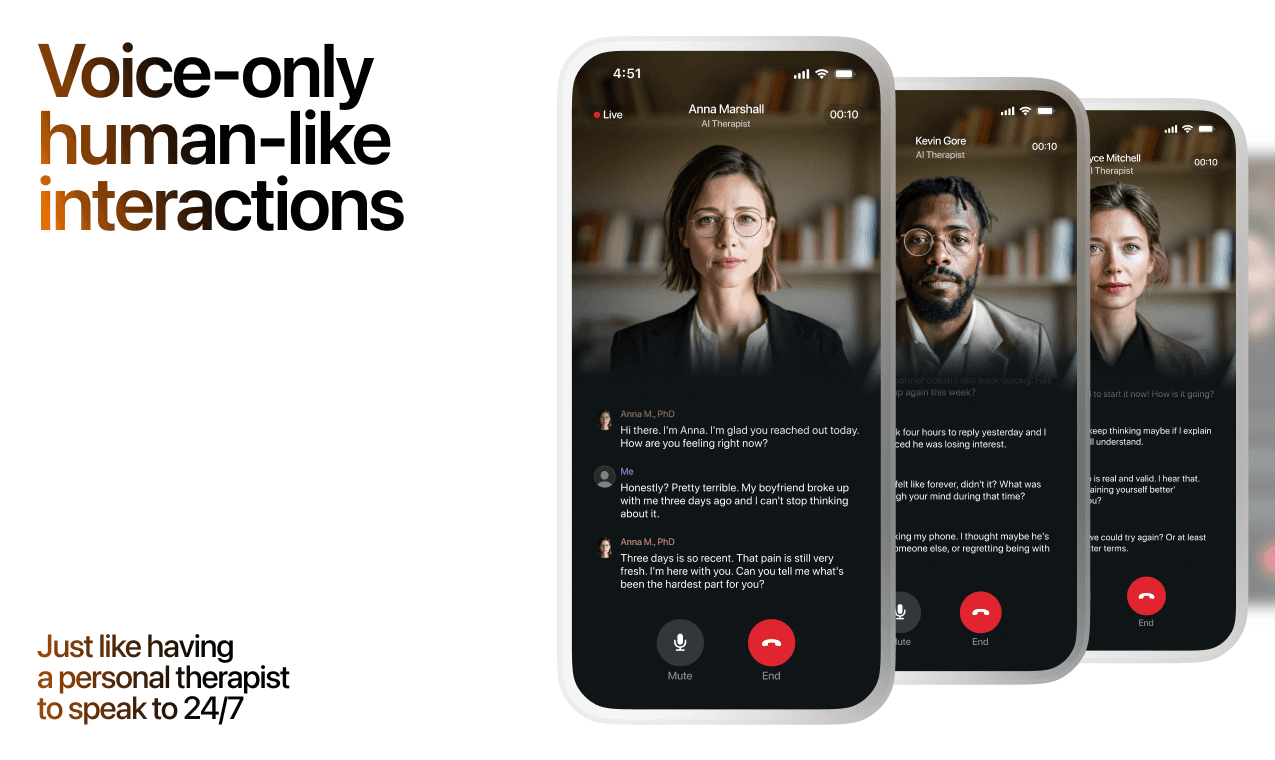
Lovon is a voice-based AI mental health app — you have spoken conversations with an AI built with input from PhD psychologists, and get emotional support, coping tools, and self-reflection guidance whenever you need it. There's no calendar to check and no waiting room. It's positioned as an always-available companion, not a replacement for licensed clinical care, and it says so plainly.
Lovon pros:
- Voice conversations feel closer to actual talking than typing into a chat window
- Available around the clock, so a 2 a.m. anxiety spiral doesn't have to wait until Monday's appointment
- No per-session booking or scheduling friction
- Built with input from PhD psychologists rather than generic chatbot scripting
Lovon cons:
- Not a substitute for a licensed clinician if you're managing a diagnosed condition
- No in-person or emergency crisis intervention — it will point you elsewhere in a crisis
- Voice-first design means it's less useful in places where you can't talk out loud
Best for: people who want daily emotional support by voice without booking a session every time. Verdict: Buy — the strongest option here for anyone who wants the cheapest ai mental health app that isn't just a text bot.
2. Wysa: best for free-only text-based CBT support
Wysa is a text-based AI chatbot built around structured cognitive behavioral therapy exercises. The free tier covers mood tracking and guided self-help tools; human coaching sits behind a paid upgrade.
Wysa pros:
- Core chat and CBT exercises are usable without paying anything
- Structured, exercise-based approach appeals to people who like a workbook feel
- Low barrier to entry if you're not ready to talk out loud
Wysa cons:
- Text-only — no voice conversation option
- The human coaching layer that many users eventually want is a paid add-on
- Chat-based tools can feel repetitive over weeks of daily use
Best for: people who want zero-cost AI support and are comfortable typing instead of talking. Verdict: Buy — the clearest free-first option on this list.
3. Youper: best for quick mood check-ins and journaling
Youper is an AI chatbot focused on short daily check-ins, mood tracking, and journaling prompts, with a free tier and a paid layer for deeper insights.
Youper pros:
- Fast, low-effort check-ins fit into a busy day
- Mood-tracking data can help you spot patterns over time
- Free tier covers the basic check-in loop
Youper cons:
- Chat-based only, so it doesn't cover the voice-conversation use case
- Depth is limited for anyone working through a heavier issue than daily mood tracking
Best for: people who want a light, habitual mood log rather than an extended conversation. Verdict: Hold — solid as a companion tool, thin as a stand-alone support system.
4. BetterHelp: best if you still want a licensed human therapist
BetterHelp connects you to a licensed human therapist through text, phone, or video. It uses technology to match and schedule, but the actual support comes from a person, not an AI model.
BetterHelp pros:
- You get a real, licensed clinician, not a chatbot
- Multiple communication formats — text, phone, video
- Useful for diagnosed conditions that need a professional's judgment
BetterHelp cons:
- Cost structure reflects a human therapist's time, which is inherently more expensive than AI-only support
- Requires scheduling around a therapist's availability, not true 24/7 access
- Matching with the right therapist can take a few tries
Best for: people who need licensed clinical care and are ready to budget for a human therapist's time. Verdict: Hold — right tool for clinical needs, wrong tool if affordability is the main filter.
5. Talkspace: best if insurance or an EAP benefit is on the table
Talkspace matches users with licensed therapists through its app, and some of its plans work with insurance or employer EAP benefits — which is where its real affordability case comes from.
Talkspace pros:
- Some plans accept insurance or EAP coverage, which can lower your real out-of-pocket cost
- Access to a licensed human therapist, similar to BetterHelp
- App-based scheduling and messaging between sessions
Talkspace cons:
- Still a human-therapist billing model underneath the insurance layer
- Matching and insurance verification take time up front
- Not built for the instant, no-appointment use case
Best for: people who already have insurance or an EAP benefit and want to use it toward therapy. Verdict: Hold — check your benefit first; if you have one, this is worth the paperwork.
Try voice-based AI support today
Talk to Lovon whenever anxiety, stress, or a rough day shows up.
How we ranked these AI mental health apps
The ranking above comes down to the six criteria listed earlier: how much of the app is usable for free, whether you're billed per session or on a flat model, whether you're paying for AI compute or a human clinician's time, insurance or EAP compatibility, cancellation flexibility, and how honestly each app states its limits. Lovon ranks first because it removes the scheduling and per-session friction entirely while being upfront that it isn't a clinical replacement. Wysa ranks close behind on the strength of a genuinely usable free tier. BetterHelp and Talkspace land lower on pure affordability because a licensed human therapist's time is the most expensive input in mental health care, no matter which app wraps around it.
Which AI mental health app should you choose in 2026?
If you want daily emotional support without booking anything, Lovon is the default pick — voice conversations, no per-session fee structure, available whenever you need it. If you want a completely free option and don't mind typing, Wysa covers that case. If you have insurance or an EAP benefit sitting unused, run the numbers on Talkspace before assuming an app is cheaper. And if you're managing a diagnosed condition that needs a clinician's judgment, BetterHelp or Talkspace are the honest answer over any AI-only tool — reading up on what to use an AI therapist for when you can't afford sessions is a good next step either way.
FAQ
What's the cheapest AI mental health app in 2026?
Wysa's free tier covers real text-based CBT exercises at no cost, and Lovon's voice-based model avoids per-session billing entirely. Which one counts as "cheapest" depends on whether you value zero cost or unlimited voice access more.
Is Lovon cheaper than BetterHelp or Talkspace?
Lovon is AI-only, so its cost structure doesn't include paying for a licensed human therapist's time the way BetterHelp and Talkspace do. That structural difference is usually the biggest factor in total cost, not the advertised plan itself.
Do AI mental health apps offer free plans?
Some do — Wysa and Youper both offer a usable free tier for core chat and mood tracking. Always check what's actually included in the free tier versus what's gated behind an upgrade.
Can an AI mental health app replace a licensed therapist?
No. Apps like Lovon are explicit that they support you between sessions or during everyday stress, not that they replace a licensed clinician for diagnosed conditions or crises.
Does insurance cover AI mental health apps?
Insurance more commonly applies to human-therapist platforms like Talkspace, where some plans accept insurance or an EAP benefit. AI-only chat and voice apps typically aren't billed through insurance.
What's the difference between AI voice therapy and text-based chatbots?
Voice-based apps like Lovon let you talk out loud and hear a response, which feels closer to a real conversation. Text-based apps like Wysa or Youper rely on typing, which some people find easier to fit into a quiet moment.
Is Wysa free to use?
Wysa's core chat and CBT-style exercises are free; human coaching sits behind a paid upgrade. That makes the base app one of the more affordable AI options in 2026.
How do I choose between an AI app and traditional therapy for cost reasons?
Start with what you can access for free or at low cost day-to-day, then bring in a licensed therapist for anything that needs clinical judgment. Many people in 2026 use both — an AI app like Lovon for daily support and a human therapist for deeper work.
One last thing
The apps that look cheapest on the surface aren't always the ones that stay cheap. A text-based chatbot that gates its most useful features behind a coaching upgrade can end up costing more over a year than a voice app with one flat subscription. Before you pick based on price alone, check whether the app charges per conversation, per month, or not at all for the features you'd actually use — that structural question matters more than any single number on a pricing page in 2026.
Related guides
How AI Support Helps You Heal
AI emotional support isn't about replacing human connection — it's about filling the gaps. The moments when you need to talk at 2 AM, when you don't want to burden your friends again, or when you simply need someone to listen without judgment.
Here's what happens in a typical Lovon session:
You share what's on your mind
There's no script, no intake form, no waiting room. You speak or type whatever you're feeling — in your own words, at your own pace.
Lovon validates and explores
Using frameworks from CBT (Cognitive Behavioral Therapy) and motivational interviewing, Lovon acknowledges your feelings first, then gently helps you explore them. No dismissive "just move on" advice.
You build coping skills together
Lovon doesn't just listen — it actively works with you on evidence-based techniques: thought reframing, urge surfing, behavioral experiments, and more.
What a Session with Lovon Looks Like
When to Seek Professional Help
AI support is a valuable tool, but it's not a replacement for professional care. Please consider reaching out to a licensed therapist if you experience any of the following:
- Persistent thoughts of self-harm or suicide
- Inability to perform daily activities (work, eating, sleeping) for more than 2 weeks
- Turning to alcohol or substances to cope
- Intense anger or desire to harm your ex-partner
- Complete emotional numbness that doesn't improve over time
Crisis Resources (US): If you're in immediate danger, call 988 (Suicide & Crisis Lifeline) or text HOME to 741741 (Crisis Text Line). Available 24/7, free, and confidential.
Outside the US? Find a crisis line in your country
Ready to Start?
Your healing journey can begin right now
1 free conversation. No credit card. No judgment. Just a safe space to process what you're going through.
Frequently Asked Questions
Is AI therapy a replacement for a real therapist?
Is my conversation with Lovon AI private?
How is Lovon different from ChatGPT for emotional support?
Can I use Lovon if I'm already seeing a therapist?
Can I try Lovon for free?
About the Author
The Lovon Editorial Team
Mental Health & Wellness Content Team
The Lovon Editorial Team develops mental health and wellness content designed to make psychological concepts accessible and actionable. Our goal is to bridge the gap between clinical research and everyday life - helping you understand why your mind works the way it does and what you can do about it....
Similar Articles
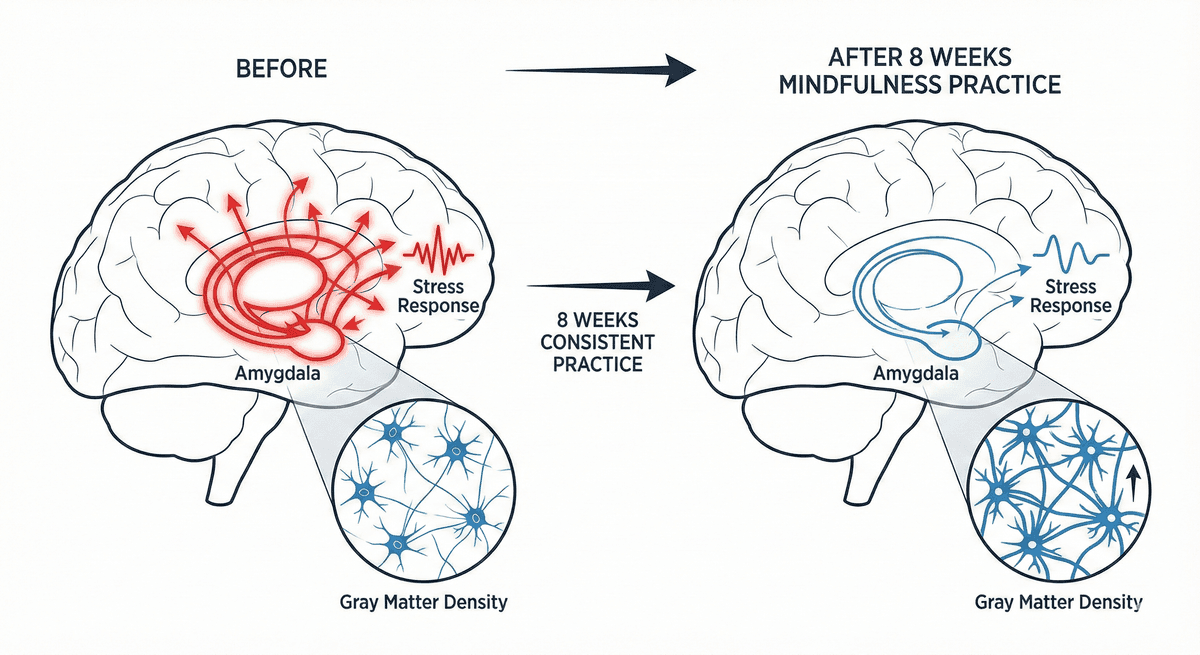
What 8 Weeks of Meditation Does to Your Amygdala
See what changes in your brain after eight weeks of daily meditation, why you react less to stress, and how to build a routine that actually sticks.

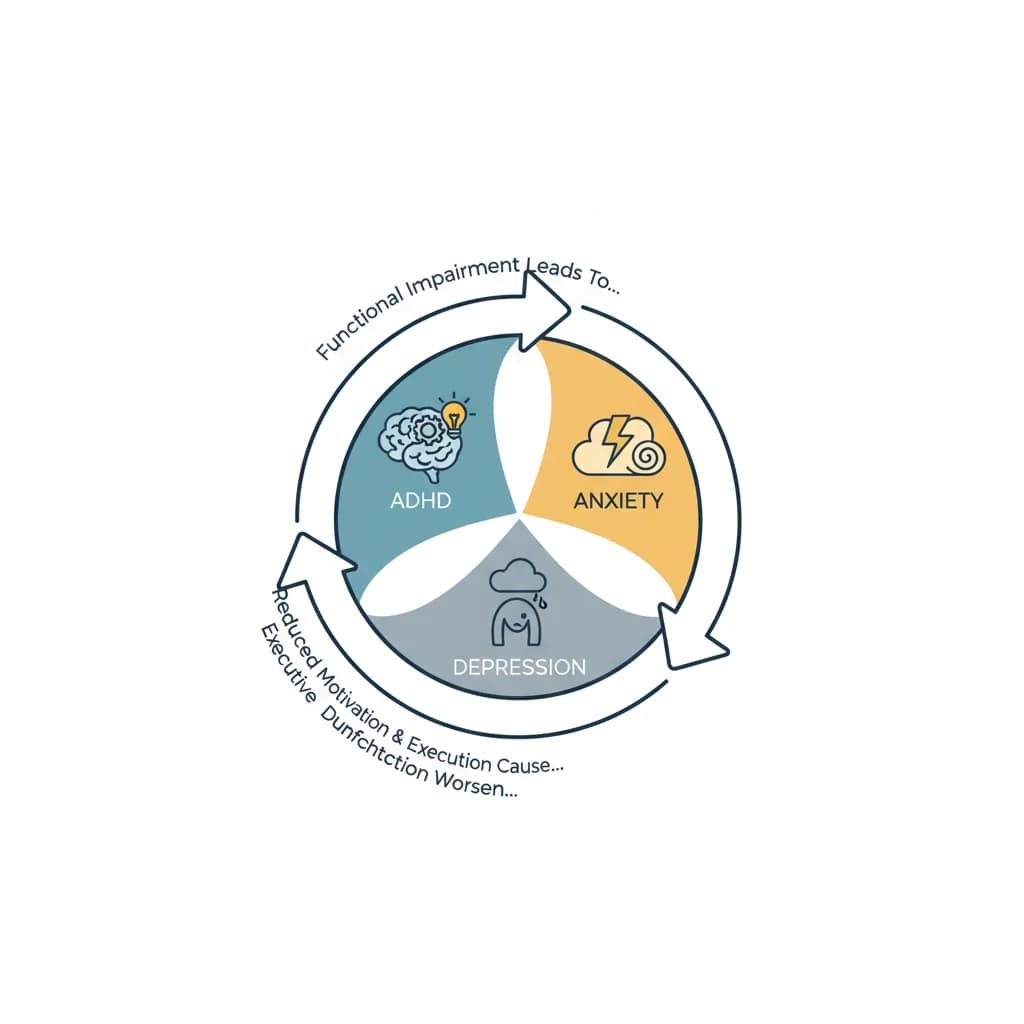
ADHD Comorbidity with Anxiety and Depression Cycles
Understanding the Complex Interplay Between ADHD and Recurring Mental Health Patterns
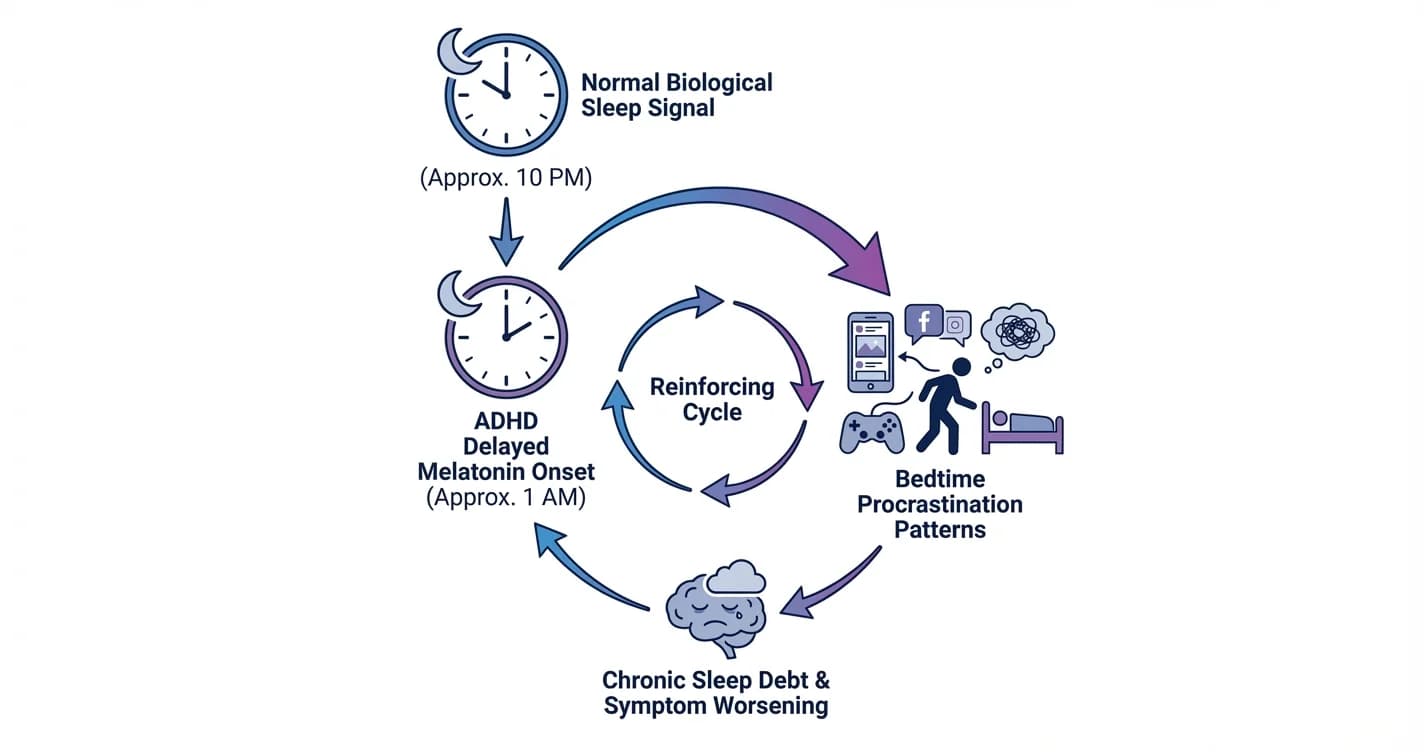
ADHD Sleep Cycle Disruption: Melatonin Delay and Bedtime Procrastination Patterns
Understanding how attention regulation difficulties interfere with natural sleep timing and the nightly wind-down process
Disclaimer: This article is for informational purposes only and does not constitute medical advice, diagnosis, or treatment. Always seek the advice of your physician or other qualified health provider with any questions you may have regarding a medical condition. If you are in crisis or think you may have an emergency, call 988 (Suicide & Crisis Lifeline) or go to the nearest emergency room. Outside the US? Find a crisis line in your country.