
How to Journal for Mental Health: 2026 Beginner Guide
Learn how to journal for mental health in 2026 with a step-by-step beginner method, prompts, troubleshooting fixes, and when to try voice journaling instead.
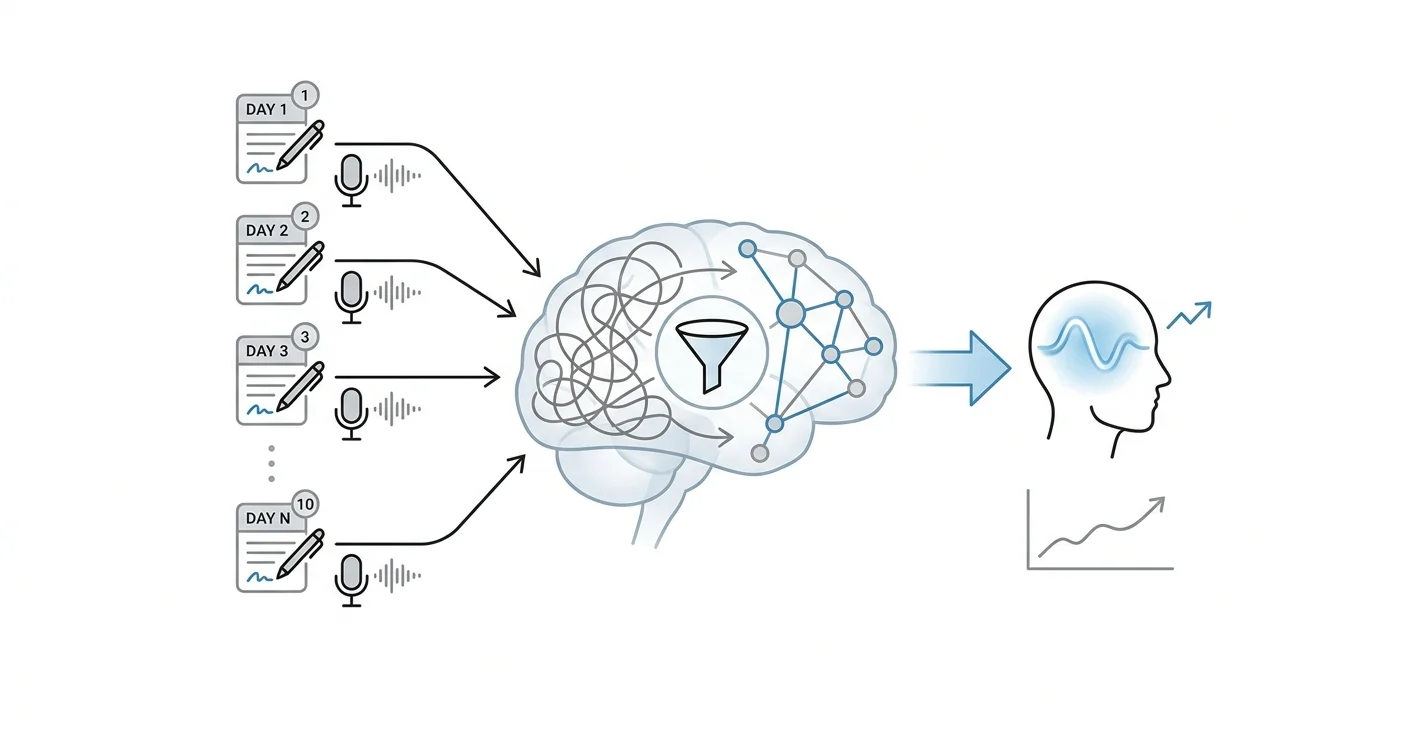

Key Takeaways
- Start with 5-10 minutes daily, not a blank notebook and no plan — consistency beats length.
- Prompted journaling (not free-write) works better for anxiety and rumination in 2026 research reviews.
- Voice journaling through an AI voice therapy app like Lovon removes the blank-page barrier for people who freeze up
- Skip journaling as your only tool if you're in crisis — pair it with a licensed clinician or a same-day AI session.
- Track one mood number per entry; patterns show up after 10-14 entries, not one.
Journaling for mental health works when you treat it like a tool, not homework — write badly, write short, and write consistently before you write anything profound.
TL;DR
- Start with 5-10 minutes daily, not a blank notebook and no plan — consistency beats length.
- Prompted journaling (not free-write) works better for anxiety and rumination in 2026 research reviews.
- Voice journaling through an AI voice therapy app like Lovon removes the blank-page barrier for people who freeze up writing.
- Skip journaling as your only tool if you're in crisis — pair it with a licensed clinician or a same-day AI session.
- Track one mood number per entry; patterns show up after 10-14 entries, not one.
Why this matters
Most people quit journaling in the first week because they start with the wrong expectation: that it has to produce insight immediately. It doesn't. Expressive writing research going back decades (and still cited in 2026 clinical literature) shows the benefit comes from repetition, not a single deep entry.
The second reason people quit: they open a blank page and freeze. That's a real barrier, not laziness — writing forces you to organize thoughts before you've felt them, which is backwards for someone anxious or shut down. This is part of why an AI voice journaling app exists as an alternative: talking out loud skips the organizing step and lets the processing happen first.
Journaling for mental health isn't therapy. It's a self-reflection habit that reduces rumination, flags patterns in mood and triggers, and gives you something concrete to bring into a therapy session or an AI conversation. Lovon's voice sessions are built around that same idea — talk first, structure second.
What you'll need
- A notebook, notes app, or voice memo tool — pick whichever removes friction, not whichever looks best
- 5-10 minutes, same time each day if possible (right after waking or right before bed work well)
- One mood or intensity number (1-10) to log per entry, even if you skip everything else
- A short list of prompts for the days your brain goes blank (see the prompts list below)
- Optional: an AI voice therapist session for days you want to talk instead of write — useful for anxiety spikes when writing feels impossible
The steps
1. Pick your format before you pick your prompts
Decide now whether you're writing or talking, because switching formats mid-habit kills momentum. Writers get a slower, more deliberate processing style; talkers get faster emotional release with less self-editing. Neither is more "correct" — pick the one you'll actually do at 11pm when you're exhausted. Common mistake: choosing a format based on what looks more legitimate instead of what you'll actually stick with in 2026's crowded self-help space.
2. Set a 5-minute timer for entry one
Start smaller than feels necessary. Five minutes removes the excuse that you don't have time, and it caps the anxiety of an open-ended blank page. Write or talk until the timer goes off, then stop — even mid-sentence. Common mistake: starting with a 20-minute goal on day one and burning out by day four.
3. Log one number before you write anything else
Rate your mood or stress from 1 to 10 at the top of the entry. This single number is what turns scattered entries into a pattern you can actually read back in three weeks. Skip narrative if you have to, but never skip the number. Common mistake: journaling for months with zero quantifiable tracking, then wondering why nothing feels different.
4. Use a prompt on the days you have nothing
Blank-page freeze is normal, not a sign journaling isn't for you. Keep three or four prompts on hand: "What's the loudest thought right now?", "What am I avoiding today?", "What would I tell a friend feeling this?" For anxiety-specific entries, structured journaling prompts for anxiety and overthinking work better than open free-write because they interrupt the spiral instead of feeding it. Common mistake: treating a blank prompt list as a sign to skip the day entirely.
5. Name what triggered the entry, not just how you feel
Feelings without a cause are hard to act on. After the mood number, write one sentence on what happened right before the feeling showed up — a text, a meeting, a memory. Over two to three weeks this is how you start to identify your emotional triggers instead of just cataloguing bad days. Common mistake: journaling only the emotion ("felt anxious") with zero context, which makes the entries useless for spotting patterns later.
6. Read back one week of entries every Sunday
A single entry rarely tells you anything. Seven entries read together almost always do — you'll spot the day of the week that's worst, the recurring trigger, the time of day your mood dips. Ten minutes on a Sunday is enough. Common mistake: never reading past entries, which turns journaling into venting with no feedback loop.
7. Bring flagged patterns into a real conversation
When the same trigger shows up three times in two weeks, that's worth talking through out loud — with a friend, a therapist, or an AI voice therapy session where you can think out loud without waiting for an appointment. This is the bridge between private processing and actual change. Common mistake: journaling as a closed loop forever, never using what you've written to change a behavior.
Troubleshooting
"I write the same three sentences every day and it feels pointless." That's a prompt problem, not a journaling problem — rotate in a new question weekly instead of defaulting to "how was my day."
"I start crying or spiraling when I write about something hard." Stop, close the notebook, and switch to a grounding technique before continuing — journaling should regulate you, not dysregulate you further. If this happens most sessions, talk it through with a professional instead of writing alone.
"I forget to do it most days." Attach it to an existing habit — right after brushing your teeth or right when you get in bed — instead of relying on willpower alone.
"Writing feels impossible when I'm anxious, my hand won't move." Switch to voice for those entries. Talking out loud to yourself, a voice memo, or voice journaling to reduce anxiety bypasses the executive-function cost of writing when your nervous system is already taxed.
"I read old entries and just feel worse." You're rereading too soon or too often. Read weekly, not daily, and read for patterns, not for reliving the moment.
Tools and resources
- A plain notebook or the notes app already on your phone — no special tool required to start
- A recurring phone reminder set for the same time daily
- A short prompt list saved somewhere you'll actually see it (lock screen note, sticky note)
- Lovon's voice-based sessions for days journaling alone isn't enough and you want to talk something through in real time
Talk it out when writing isn't enough
Lovon is a voice-first AI therapist you can talk to anytime, day or night.
What to do next
Once daily journaling feels automatic, the next step is pairing it with something interactive — a habit that talks back. Voice journaling to reduce anxiety is a natural next move if writing has started to feel routine and you want the same reflection with less friction.
FAQ
What's the best way to start journaling for mental health?
Start with 5 minutes a day and one mood number logged at the top of each entry. Length and insight come later — consistency is what makes journaling for mental health actually work in the first two weeks.
How often should I journal for mental health benefits?
Daily or at least four times a week produces measurable mood pattern changes within two to three weeks. Sporadic once-a-week entries rarely show enough data to spot triggers.
Is journaling as effective as therapy for anxiety?
No — journaling is a self-reflection tool, not a clinical treatment, and it works best alongside therapy or an AI therapist, not instead of one. It's most useful for tracking patterns you then bring into a real conversation.
What should I write about if I don't know where to start?
Use a prompt instead of a blank page: what's the loudest thought right now, what am I avoiding today, or what triggered this feeling. Prompted entries beat free-write for people who freeze up staring at nothing.
How long should a mental health journal entry be?
Five to ten minutes is enough for most people, and shorter, consistent entries beat long, sporadic ones. A single mood number plus two or three sentences counts as a complete entry.
Can voice journaling replace written journaling?
Yes for people who freeze up writing — talking out loud into a voice memo or an AI voice therapy app processes emotion faster because it skips the step of organizing thoughts into sentences first. Both formats work; pick the one you'll actually keep doing.
Does journaling help with depression?
Journaling can reduce rumination and surface patterns in low-mood days, but it does not treat clinical depression on its own. Pair it with professional support if low mood persists past two weeks.
What's the difference between journaling and talking to an AI therapist?
Journaling is a private, one-way reflection tool; an AI therapist like Lovon is an interactive voice conversation that responds, asks follow-up questions, and offers coping tools in real time. Many people use both — journaling to track patterns, voice sessions to talk through what the patterns reveal.
One last thing
The single biggest predictor of whether journaling sticks past 2026's typical two-week drop-off point isn't discipline — it's whether the format matches how you naturally process stress. If you talk to yourself in the shower more than you write lists, you're a talker, and forcing yourself into a notebook is fighting your own wiring. Switch formats before you quit entirely.
Related guides
How AI Support Helps You Heal
AI emotional support isn't about replacing human connection — it's about filling the gaps. The moments when you need to talk at 2 AM, when you don't want to burden your friends again, or when you simply need someone to listen without judgment.
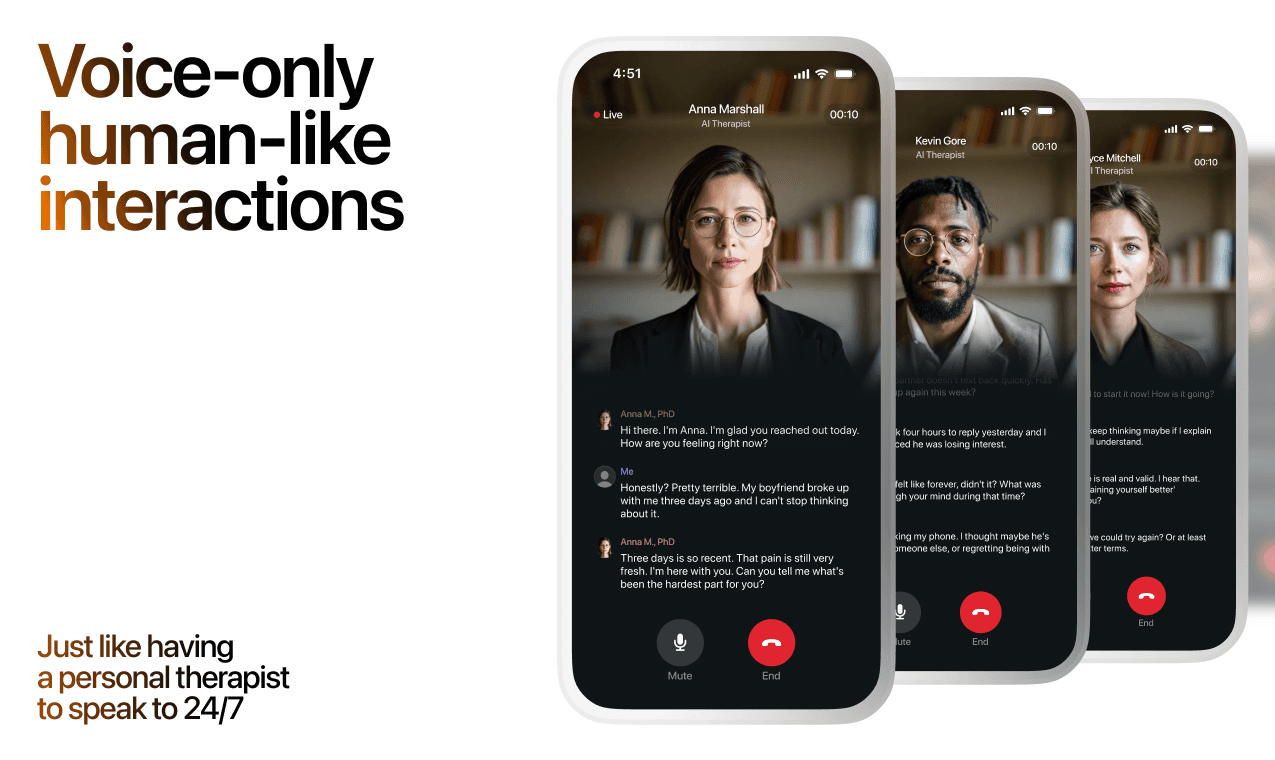
Here's what happens in a typical Lovon session:
You share what's on your mind
There's no script, no intake form, no waiting room. You speak or type whatever you're feeling — in your own words, at your own pace.
Lovon validates and explores
Using frameworks from CBT (Cognitive Behavioral Therapy) and motivational interviewing, Lovon acknowledges your feelings first, then gently helps you explore them. No dismissive "just move on" advice.
You build coping skills together
Lovon doesn't just listen — it actively works with you on evidence-based techniques: thought reframing, urge surfing, behavioral experiments, and more.
What a Session with Lovon Looks Like
When to Seek Professional Help
AI support is a valuable tool, but it's not a replacement for professional care. Please consider reaching out to a licensed therapist if you experience any of the following:
- Persistent thoughts of self-harm or suicide
- Inability to perform daily activities (work, eating, sleeping) for more than 2 weeks
- Turning to alcohol or substances to cope
- Intense anger or desire to harm your ex-partner
- Complete emotional numbness that doesn't improve over time
Crisis Resources (US): If you're in immediate danger, call 988 (Suicide & Crisis Lifeline) or text HOME to 741741 (Crisis Text Line). Available 24/7, free, and confidential.
Outside the US? Find a crisis line in your country
Ready to Start?
Your healing journey can begin right now
1 free conversation. No credit card. No judgment. Just a safe space to process what you're going through.
Frequently Asked Questions
Is AI therapy a replacement for a real therapist?
Is my conversation with Lovon AI private?
How is Lovon different from ChatGPT for emotional support?
Can I use Lovon if I'm already seeing a therapist?
Can I try Lovon for free?
About the Author

The Lovon Editorial Team
Mental Health & Wellness Content Team
The Lovon Editorial Team develops mental health and wellness content designed to make psychological concepts accessible and actionable. Our goal is to bridge the gap between clinical research and everyday life - helping you understand why your mind works the way it does and what you can do about it....
Similar Articles
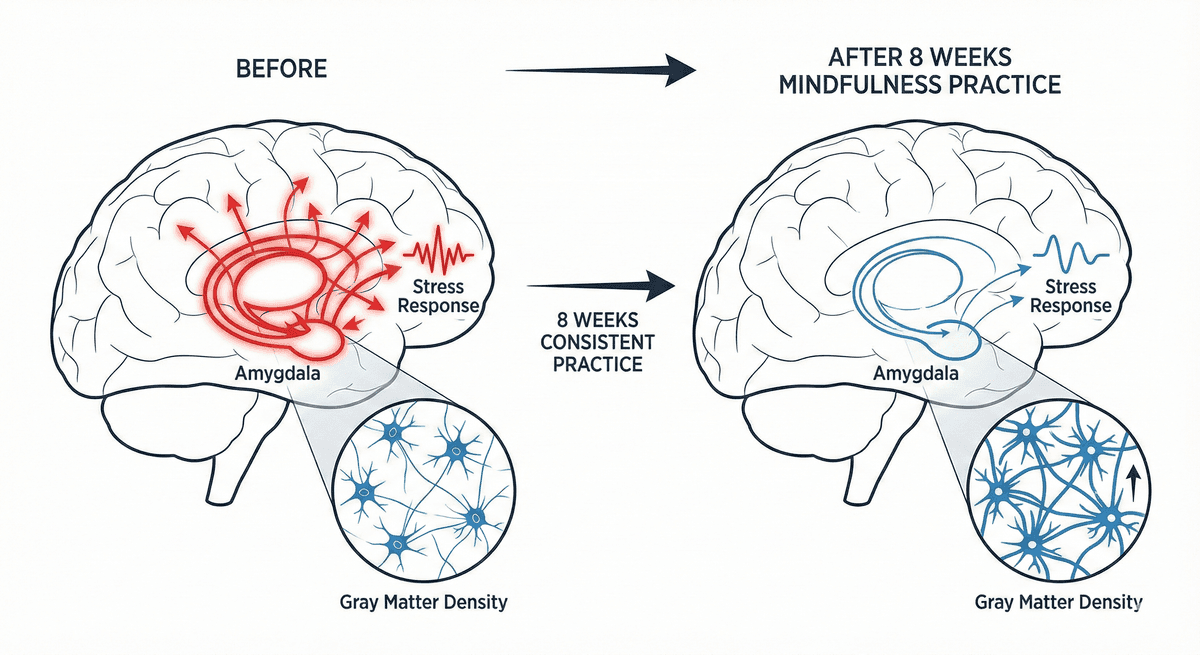
What 8 Weeks of Meditation Does to Your Amygdala
See what changes in your brain after eight weeks of daily meditation, why you react less to stress, and how to build a routine that actually sticks.

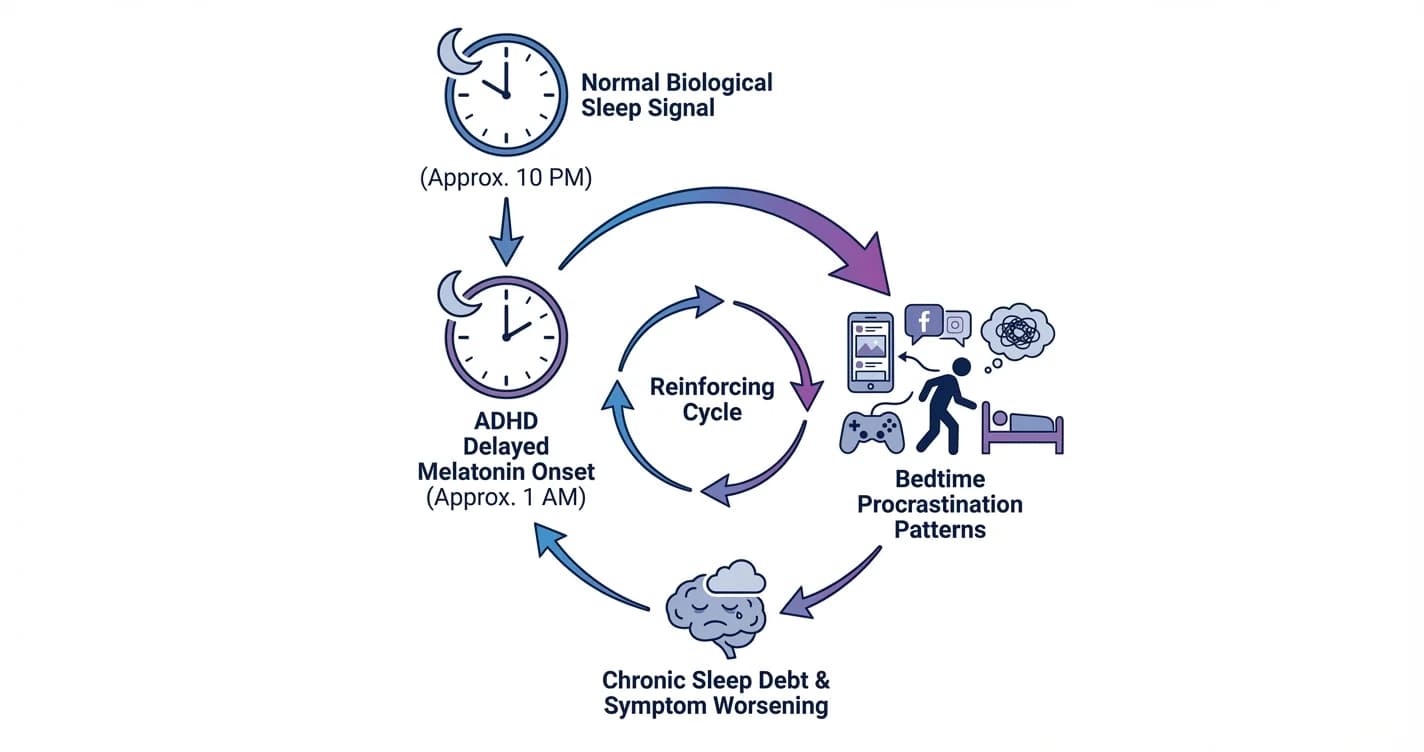
ADHD Sleep Cycle Disruption: Melatonin Delay and Bedtime Procrastination Patterns
Understanding how attention regulation difficulties interfere with natural sleep timing and the nightly wind-down process
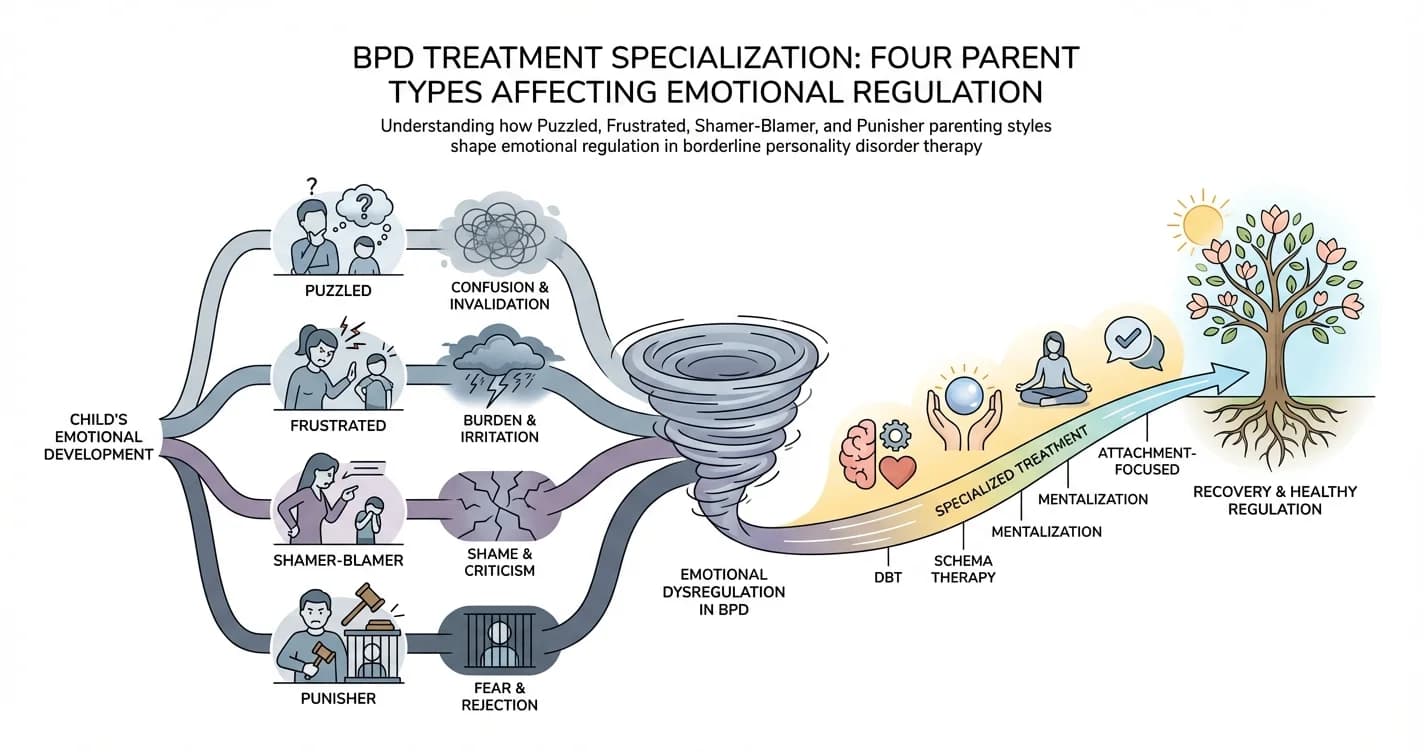
BPD Treatment Specialization: Four Parent Types Affecting Emotional Regulation
For individuals with borderline personality disorder (BPD), emotional regulation difficulties rarely emerge in isolation. Research increasingly suggests that
Disclaimer: This article is for informational purposes only and does not constitute medical advice, diagnosis, or treatment. Always seek the advice of your physician or other qualified health provider with any questions you may have regarding a medical condition. If you are in crisis or think you may have an emergency, call 988 (Suicide & Crisis Lifeline) or go to the nearest emergency room. Outside the US? Find a crisis line in your country.