
Alexithymia: What It Is and How to Work Through It (2026)
Alexithymia blocks emotional connection by making feelings hard to name. Get the six-step approach, common pitfalls, and 2026 tools that actually help.

Key Takeaways
- Alexithymia is a difficulty naming and describing emotions, not an absence of feeling — verdict: workable, not fixed
- The Toronto Alexithymia Scale (TAS-20) is the standard 20-item screening tool used in 2026 research and clinical
- Body-first tracking beats forcing a word — start with physical sensation, then guess at the emotion.
- Alexithymia shows up heavily in relationships as flatness, shutdown, or delayed reactions partners read as indifference.
- An AI voice therapy session can help you practice naming feelings out loud between appointments in 2026.
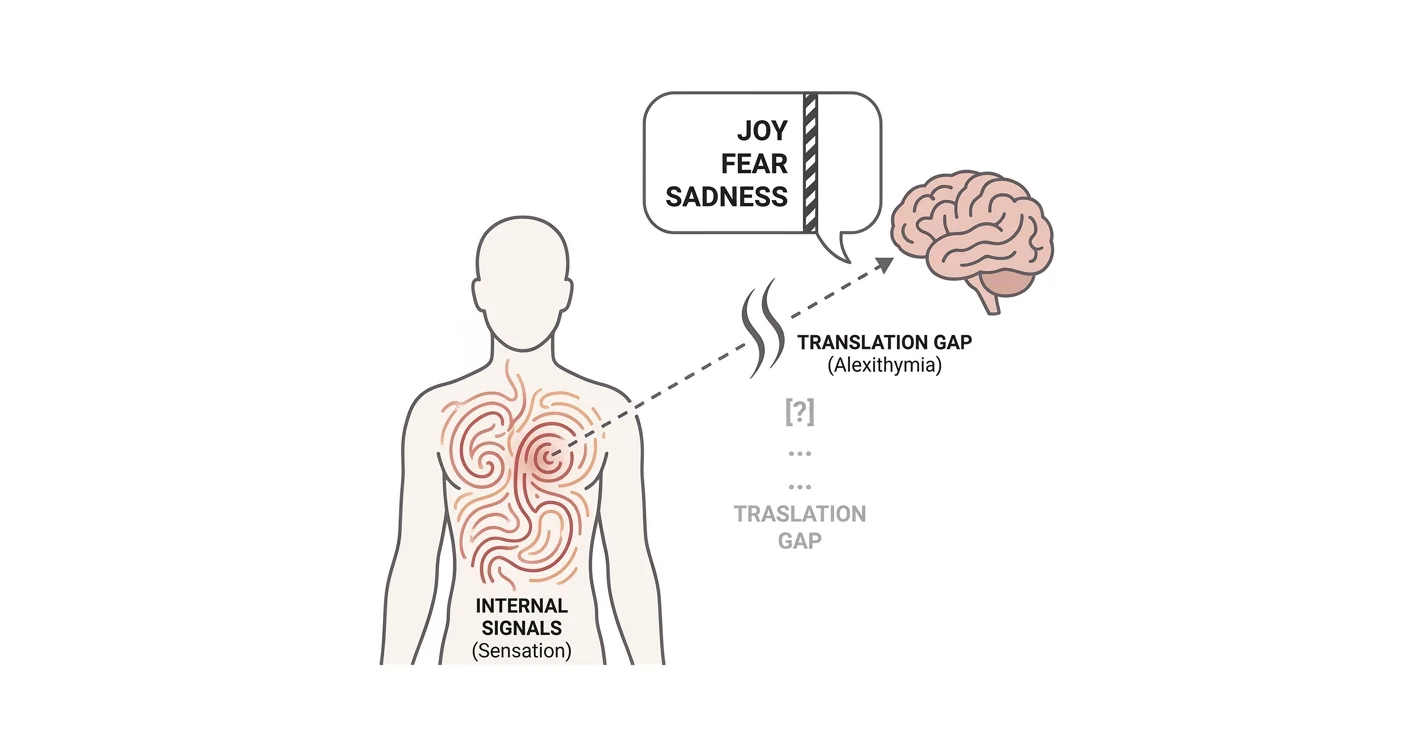
Alexithymia means having a hard time identifying, naming, and describing your own emotions — not because you don't feel things, but because the signal never gets translated into words. It's the reason "I don't know how I feel" can be a true statement, not a dodge, and it quietly blocks the kind of emotional connection relationships run on.
TL;DR
- Alexithymia is a difficulty naming and describing emotions, not an absence of feeling — verdict: workable, not fixed labeling.
- The Toronto Alexithymia Scale (TAS-20) is the standard 20-item screening tool used in 2026 research and clinical settings.
- Body-first tracking beats forcing a word — start with physical sensation, then guess at the emotion.
- Alexithymia shows up heavily in relationships as flatness, shutdown, or delayed reactions partners read as indifference.
- An AI voice therapy session can help you practice naming feelings out loud between appointments in 2026.
Why this matters
Alexithymia isn't a diagnosis on its own — it's a trait that sits alongside conditions like autism, ADHD, PTSD, and depression, and it also shows up in people with none of those. What it does, regardless of cause, is break the loop between feeling something and being able to say what it is. That loop is exactly what a partner, friend, or therapist needs to connect with you.
When you can't name what's happening internally, you can't ask for what you need. That's the mechanism behind a lot of relationship friction people misread as coldness or disinterest. If you've ever tracked patterns in how you identify your emotional triggers, alexithymia is often the missing link between noticing a trigger and knowing what it made you feel.
The good news: this is a skill gap, not a character flaw, and skill gaps close with repetition. The steps below are the same sequence therapists use to build emotional vocabulary in 2026, adapted for daily practice on your own.
What you'll need
- 5-10 minutes a day, ideally at a consistent time
- A notes app, voice memo, or small notebook — something faster than a journal
- A short list of emotion words (fear, shame, relief, resentment, longing — 10-15 to start)
- Willingness to guess wrong out loud, at least at first
- A second perspective — a therapist, partner, or an AI voice conversation you can talk through out loud
The steps
1. Notice the blank instead of forcing a label
Most people with alexithymia skip straight to "fine" because that's the fastest exit from an uncomfortable blank. Stop there instead. Say out loud, even just in your head, "something is happening and I don't know what it is yet." Naming the blank is itself progress — it moves you from autopilot to attention. The common mistake here is rushing past the blank to avoid the discomfort of not knowing.
2. Scan the body before the mind
Emotions show up physically before they show up as words — a tight chest, a clenched jaw, heat in your face. Alexithymia often blocks the word but not the sensation, so start there. Run a 60-second scan from head to feet and note where you feel tension, heaviness, or heat. This connects to how a dysregulated body reads any internal signal as threat; if you notice your body running hot even when nothing's objectively wrong, that overlaps with nervous system dysregulation, which makes emotional labeling even harder until the body settles.
3. Build a small feelings vocabulary
Most people default to three words — fine, mad, stressed — because that's the vocabulary they were handed growing up. Keep a list of 15-20 emotion words somewhere you'll actually see it: your phone lock screen, a sticky note, a notes app pin. When you hit the blank from step one, scan the list and pick the closest match, even if it's not exact. Precision comes later; a rough guess beats no guess.
4. Practice naming out loud, even if it's wrong
Saying "I think I'm feeling something like anger, maybe frustration" out loud, to yourself or someone else, builds the pathway between sensation and language. It feels awkward at first — that's expected, not a sign you're doing it wrong. The mistake to avoid: staying silent until you're sure you have the exact right word. You'll wait forever. Wrong-but-spoken beats accurate-but-silent every time you're building this skill.
5. Loop in an outside perspective
Alexithymia is hard to self-correct because you're the one with the blind spot. A therapist, a trusted partner, or a structured AI voice conversation can reflect back what they're observing — "you sound tense when you talk about work" — which gives you an external data point to check against your internal guess. This is a big part of what makes voice-based practice different from journaling alone; saying it out loud and hearing a response closes the loop faster than writing it down and moving on.
6. Track patterns over weeks, not days
One good guessing session doesn't rewire twenty years of "I'm fine." Log your guesses for two to three weeks and look for repeats — do you always land on "tired" when it's actually "overwhelmed"? Patterns show up around week two or three, not day one. The common mistake is quitting after a few days because nothing feels different yet.
Practice naming feelings out loud
Talk through what you're noticing in a live voice session, any time in 2026.
Troubleshooting
Problem: every guess feels like "fine" or "stressed." You're likely defaulting to whatever word required the least searching. Force a second guess every time — after "stressed," ask "stressed how, exactly — pressured, resentful, scared?" The second guess is usually more accurate than the first.
Problem: you know something's wrong but can't connect it to a cause. Skip the cause hunt for now. Alexithymia often separates feeling from context before it separates feeling from words. Name the sensation and the rough emotion first; the "why" can come later or not at all — it isn't required to move forward.
Problem: a partner says you seem distant, but you don't feel distant. This is a common mismatch — internal experience and outward expression run on separate tracks when alexithymia is involved, and one lagging doesn't mean the other is absent. This overlaps heavily with broader emotional dysregulation in adults, where the outward signal doesn't match the internal state. Tell your partner directly: "I might not look like I'm feeling this, but I am — give me a beat to find the words."
Problem: naming emotions out loud feels embarrassing or fake. That discomfort is expected in the first two to three weeks and it fades with repetition, the same way any new physical skill feels clumsy before it feels natural. Do it privately first — voice memo, mirror, alone in the car — before doing it in front of someone else.
Problem: you can't tell if this is alexithymia or just being a private person. Privacy is a choice about sharing; alexithymia is a limit on accessing the information in the first place. If you genuinely don't know what you feel even when alone and safe, that points toward alexithymia rather than privacy.
Tools and resources
- Toronto Alexithymia Scale (TAS-20) — the standard 20-item self-report screening tool referenced in most 2026 clinical literature; useful as a starting conversation with a professional, not a self-diagnosis
- A running emotion-word list, kept visible and updated monthly
- A body-scan habit, paired with step 2 above
- AI voice therapy sessions, useful specifically because speaking a guess out loud and getting a response reinforces the skill faster than silent journaling
- A licensed therapist, if alexithymia is tied to trauma, autism, or a mood disorder — voice practice supports that work, it doesn't replace it
What to do next
Once naming emotions gets even slightly easier, the next skill is using that vocabulary inside a relationship — telling a partner what you're noticing before the gap turns into distance. That's a separate muscle from private self-tracking, and it's usually where alexithymia does the most relational damage in 2026, because partners read silence as absence rather than delay.
FAQ
What is alexithymia in simple terms?
Alexithymia is difficulty identifying and describing your own emotions, even though you're still having them. It's a naming gap, not an emotional absence, and it affects how clearly you can communicate what you're feeling to someone else.
Is alexithymia the same as being emotionally unavailable?
No — emotional unavailability is often a choice or a defense pattern, while alexithymia is a limit on accessing the feeling-to-word pathway in the first place. The two can look similar from the outside but need different responses.
Can alexithymia be treated or does it stay the same?
Alexithymia responds to practice, especially body-awareness work and structured naming exercises done over weeks, not days. It rarely disappears completely, but the gap between feeling and naming can shrink significantly with consistent practice.
Does alexithymia mean someone doesn't care about their partner?
No — caring and naming are separate skills, and alexithymia only blocks the second one. Someone can care deeply and still struggle to say what they're feeling in the moment.
How common is alexithymia?
Alexithymia is studied as a trait that exists on a spectrum rather than a fixed diagnosis, and it appears more frequently alongside autism, ADHD, PTSD, and depression than in the general population. Exact prevalence varies by study population and screening method.
What's the difference between alexithymia and being introverted?
Introversion is a preference for less external stimulation and more solitary time; alexithymia is a limit on identifying internal emotional states regardless of how social someone is. An introvert usually knows what they feel — they just don't always want to discuss it.
Can an AI voice conversation help with alexithymia?
Speaking a guess out loud and getting a reflective response can reinforce the feeling-to-word pathway faster than silent journaling, which is the main reason voice-based practice helps between therapy sessions. It supports the skill-building work covered in the steps above; it isn't a diagnosis or a replacement for licensed care.
When should someone with alexithymia see a therapist?
See a licensed therapist if the naming difficulty is tied to trauma, a mood disorder, or significant relationship strain, or if self-practice over several weeks isn't shifting anything. A professional can screen using tools like the TAS-20 and build a plan specific to the underlying cause.
One last thing
The detail most people miss: alexithymia doesn't block feeling, it blocks translation. That distinction changes the whole approach — instead of trying to "feel more," the actual work in 2026 is building a faster, better-stocked vocabulary for what's already there. Start with the body scan in step two before you try to name anything; the sensation almost always arrives before the word does.
Related guides
How AI Support Helps You Heal
AI emotional support isn't about replacing human connection — it's about filling the gaps. The moments when you need to talk at 2 AM, when you don't want to burden your friends again, or when you simply need someone to listen without judgment.
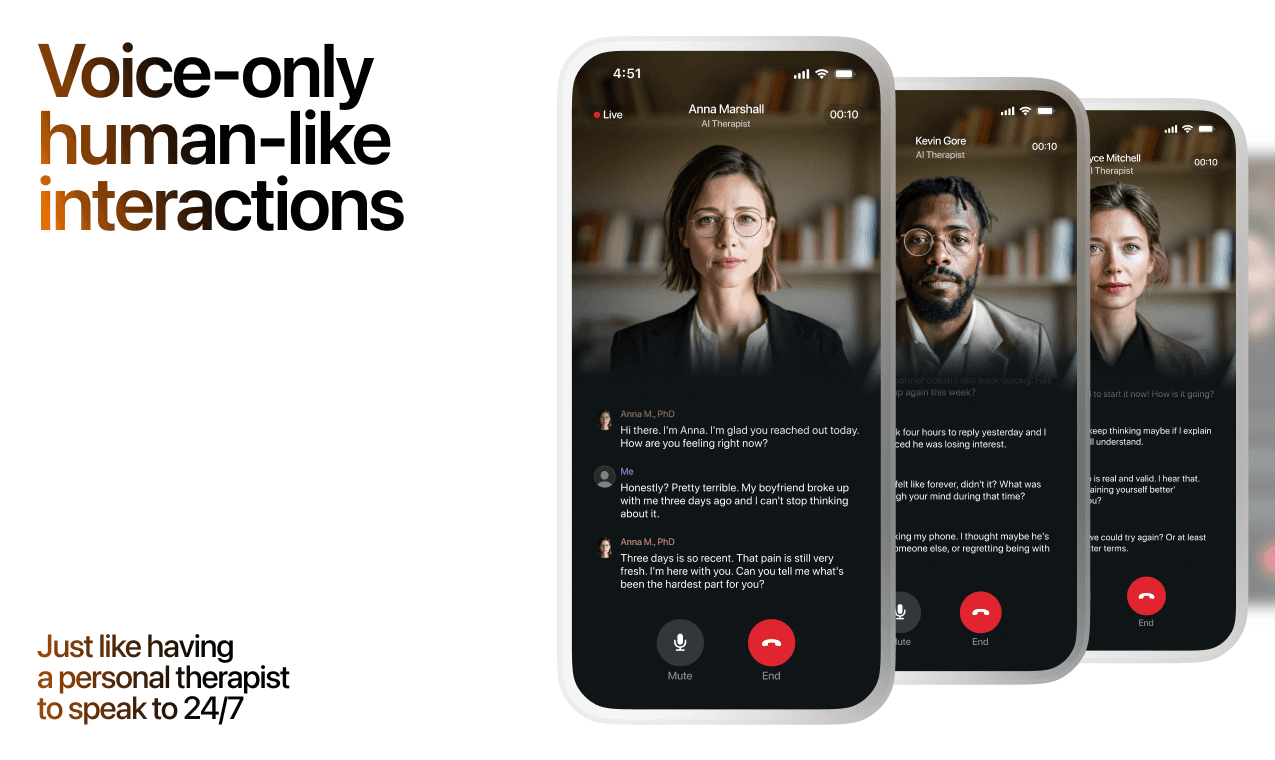
Here's what happens in a typical Lovon session:
You share what's on your mind
There's no script, no intake form, no waiting room. You speak or type whatever you're feeling — in your own words, at your own pace.
Lovon validates and explores
Using frameworks from CBT (Cognitive Behavioral Therapy) and motivational interviewing, Lovon acknowledges your feelings first, then gently helps you explore them. No dismissive "just move on" advice.
You build coping skills together
Lovon doesn't just listen — it actively works with you on evidence-based techniques: thought reframing, urge surfing, behavioral experiments, and more.
What a Session with Lovon Looks Like
When to Seek Professional Help
AI support is a valuable tool, but it's not a replacement for professional care. Please consider reaching out to a licensed therapist if you experience any of the following:
- Persistent thoughts of self-harm or suicide
- Inability to perform daily activities (work, eating, sleeping) for more than 2 weeks
- Turning to alcohol or substances to cope
- Intense anger or desire to harm your ex-partner
- Complete emotional numbness that doesn't improve over time
Crisis Resources (US): If you're in immediate danger, call 988 (Suicide & Crisis Lifeline) or text HOME to 741741 (Crisis Text Line). Available 24/7, free, and confidential.
Outside the US? Find a crisis line in your country
Ready to Start?
Your healing journey can begin right now
1 free conversation. No credit card. No judgment. Just a safe space to process what you're going through.
Frequently Asked Questions
Is AI therapy a replacement for a real therapist?
Is my conversation with Lovon AI private?
How is Lovon different from ChatGPT for emotional support?
Can I use Lovon if I'm already seeing a therapist?
Can I try Lovon for free?
About the Author
The Lovon Editorial Team
Mental Health & Wellness Content Team
The Lovon Editorial Team develops mental health and wellness content designed to make psychological concepts accessible and actionable. Our goal is to bridge the gap between clinical research and everyday life - helping you understand why your mind works the way it does and what you can do about it....
Similar Articles
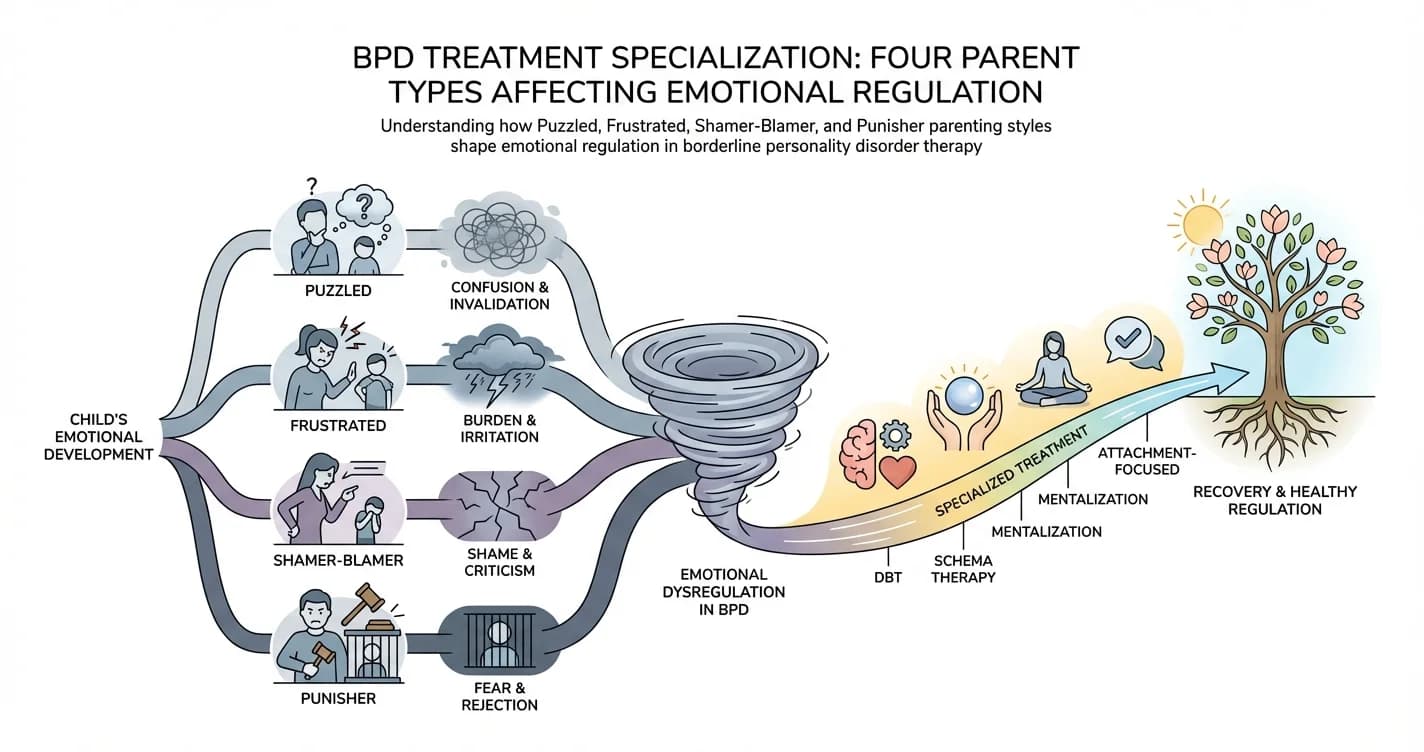
BPD Treatment Specialization: Four Parent Types Affecting Emotional Regulation
For individuals with borderline personality disorder (BPD), emotional regulation difficulties rarely emerge in isolation. Research increasingly suggests that

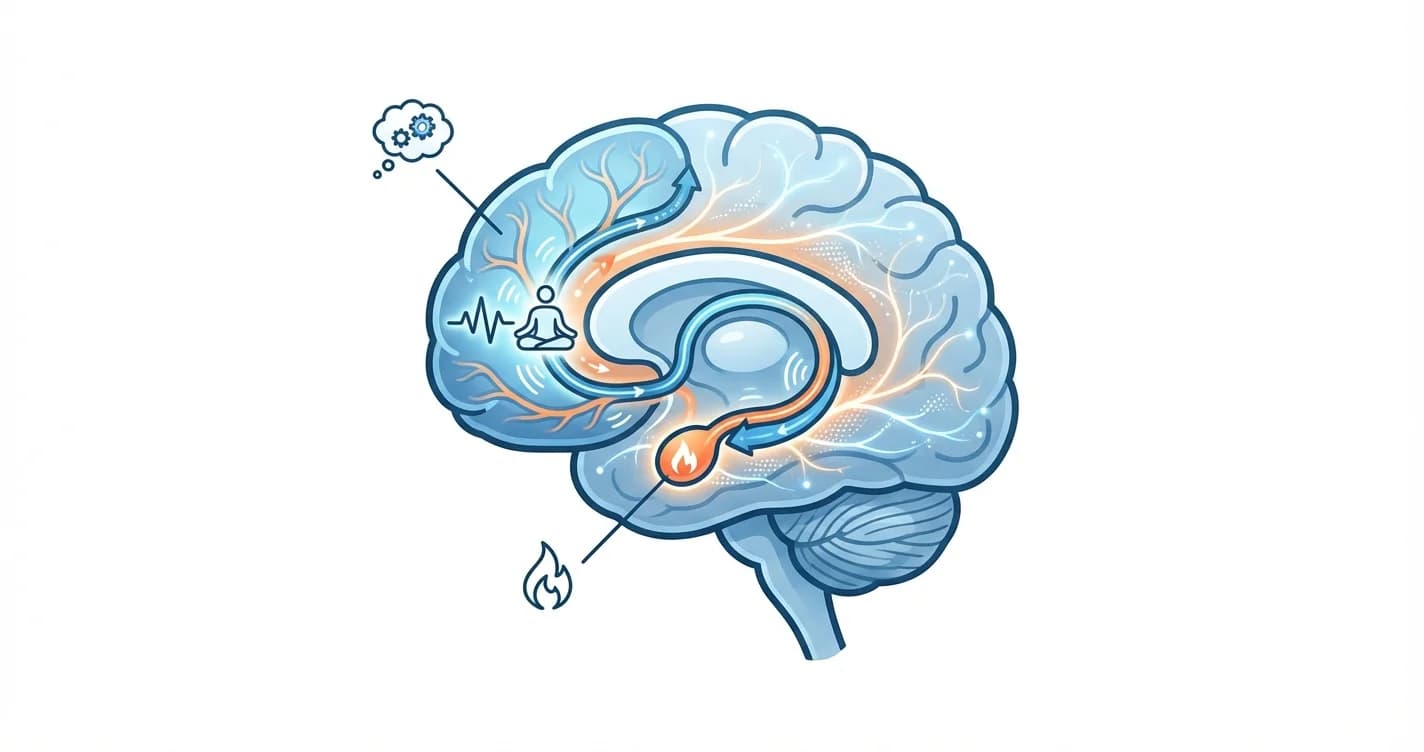
Amygdala and Prefrontal Cortex Connection: Training Emotional Regulation Through Mindfulness
How mindfulness practices reshape neural pathways to strengthen emotional control and reduce reactivity
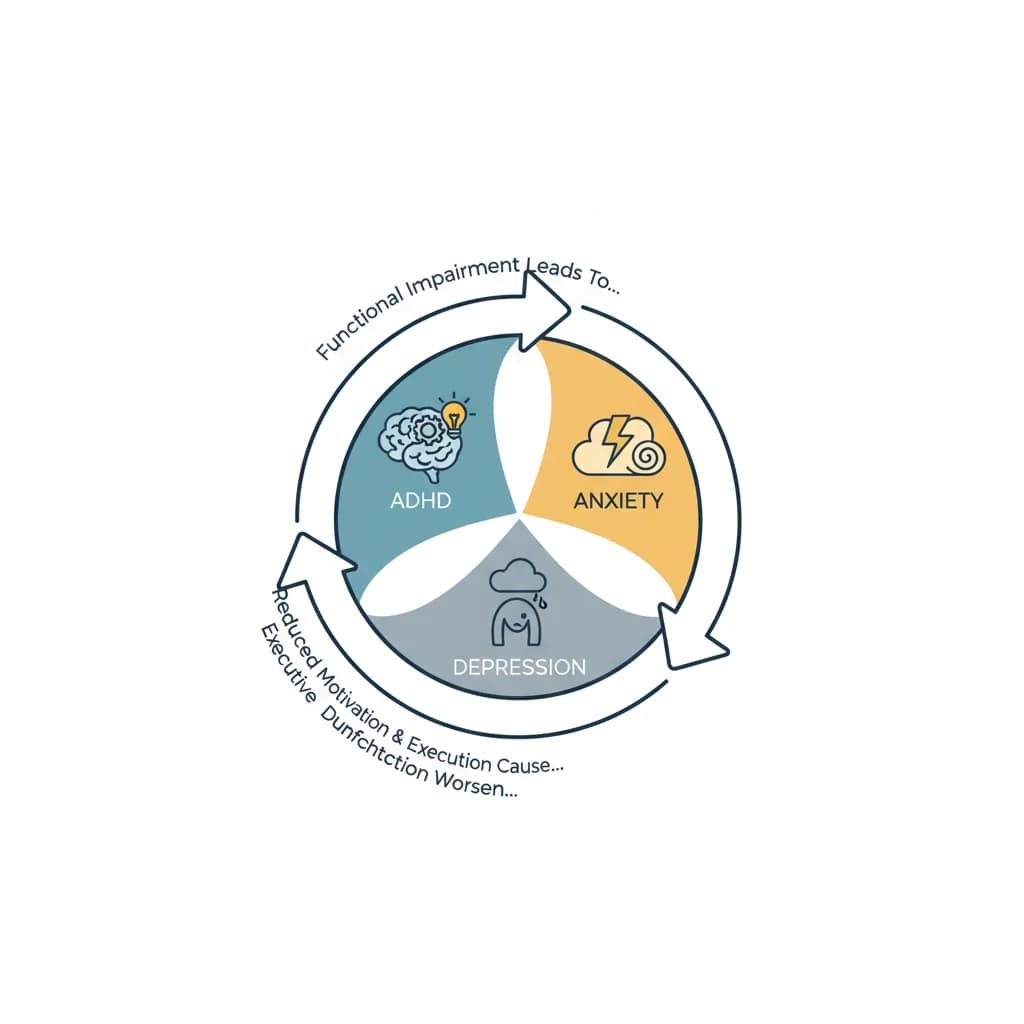
ADHD Comorbidity with Anxiety and Depression Cycles
Understanding the Complex Interplay Between ADHD and Recurring Mental Health Patterns
Disclaimer: This article is for informational purposes only and does not constitute medical advice, diagnosis, or treatment. Always seek the advice of your physician or other qualified health provider with any questions you may have regarding a medical condition. If you are in crisis or think you may have an emergency, call 988 (Suicide & Crisis Lifeline) or go to the nearest emergency room. Outside the US? Find a crisis line in your country.