
AI Therapy for BPD: What Helps in 2026 (Honest Guide)
AI therapy for BPD works as backup, not treatment. See what to look for, 3 real use cases, and what to skip before you try it in 2026.

Key Takeaways
- AI therapy for BPD works as an emotional regulation tool between sessions, not a DBT substitute — treat it as
- Lovon's AI voice therapy handles 3am spirals and abandonment fear in real time, which text-only chatbots often miss.
- Look for tools built on nervous system regulation and validation, not generic advice — skip anything promising to
- DSM-5 lists 9 BPD criteria and requires 5 for diagnosis; AI support fills gaps between appointments, licensed
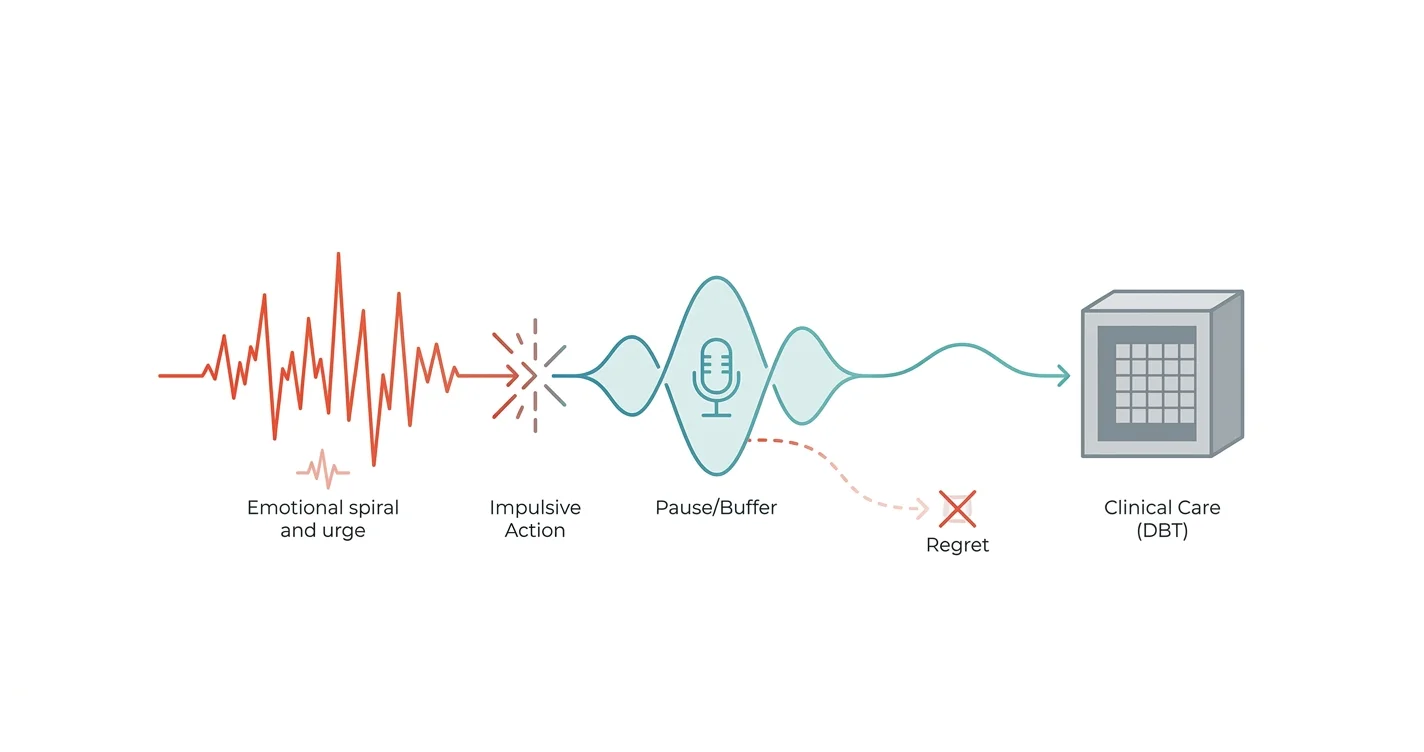
AI therapy for BPD works best as a between-sessions companion, not a replacement for the DBT or clinical care that actually treats the disorder. This guide covers what an AI voice therapist can realistically do at 2 a.m. when the spiral starts, what to look for, and where a tool like Lovon fits next to real treatment in 2026.
TL;DR
- AI therapy for BPD works as an emotional regulation tool between sessions, not a DBT substitute — treat it as backup, never a cure.
- Lovon's AI voice therapy handles 3am spirals and abandonment fear in real time, which text-only chatbots often miss.
- Look for tools built on nervous system regulation and validation, not generic advice — skip anything promising to fix BPD.
- DSM-5 lists 9 BPD criteria and requires 5 for diagnosis; AI support fills gaps between appointments, licensed clinicians still lead treatment.
Why this matters
Weekly therapy covers maybe one hour out of 168. BPD doesn't run on that schedule — the fear of abandonment, the splitting, the urge to send a text you'll regret, all of it shows up in the other 167 hours. That's the gap an AI voice therapist is built to sit in, not replace clinical treatment, just be present when the BPD attachment patterns that drive the push-pull cycle start pulling hard.
Lovon is built with input from PhD psychologists and is explicit about its limits: it is not a licensed clinician and it is not a crisis service. For BPD specifically, that honesty matters more than usual, because the disorder carries real safety stakes and no app should blur that line.
Who this is for
This is for adults living with a BPD diagnosis, or strong traits of it, who are already in or starting DBT or therapy and want somewhere to talk through the moment between sessions. It's for the person who feels the wave building — the anger, the fear their partner is pulling away, the shame spiral after a fight — and needs an outlet before it turns into a text they can't take back. It is not for anyone in active crisis; that calls for 988 or an emergency room, every single time, in 2026 same as any other year.
What to look for in AI therapy for BPD
It's available exactly when the spiral hits
BPD symptoms don't wait for office hours. A tool that's only useful Monday through Friday, 9 to 5, misses the exact moments — Sunday night, 11pm, right after a fight — when the intensity peaks. Round-the-clock access is the baseline requirement here, not a bonus feature.
It validates without feeding the split
Splitting turns people into all-good or all-bad in a matter of minutes. An AI that just agrees with whatever emotional extreme you're in reinforces that pattern instead of softening it. Look for a tone that validates the feeling — "that hurt makes sense" — without confirming the catastrophic story attached to it.
It works with your nervous system, not against it
Telling someone mid-flood to "just calm down" almost never works, because the dysregulation is physiological, not just cognitive. Tools grounded in nervous system regulation — pacing your breath, naming body sensations, slowing the physiological alarm — do more in the first two minutes than any logic-based reframe.
It knows where its job ends
Any AI therapy tool worth using for BPD should say, clearly and repeatedly, that it isn't equipped for imminent risk and should point to 988 or emergency services when needed. If a tool never mentions its own limits, that's a red flag, not a feature.
It talks, it doesn't just read text back
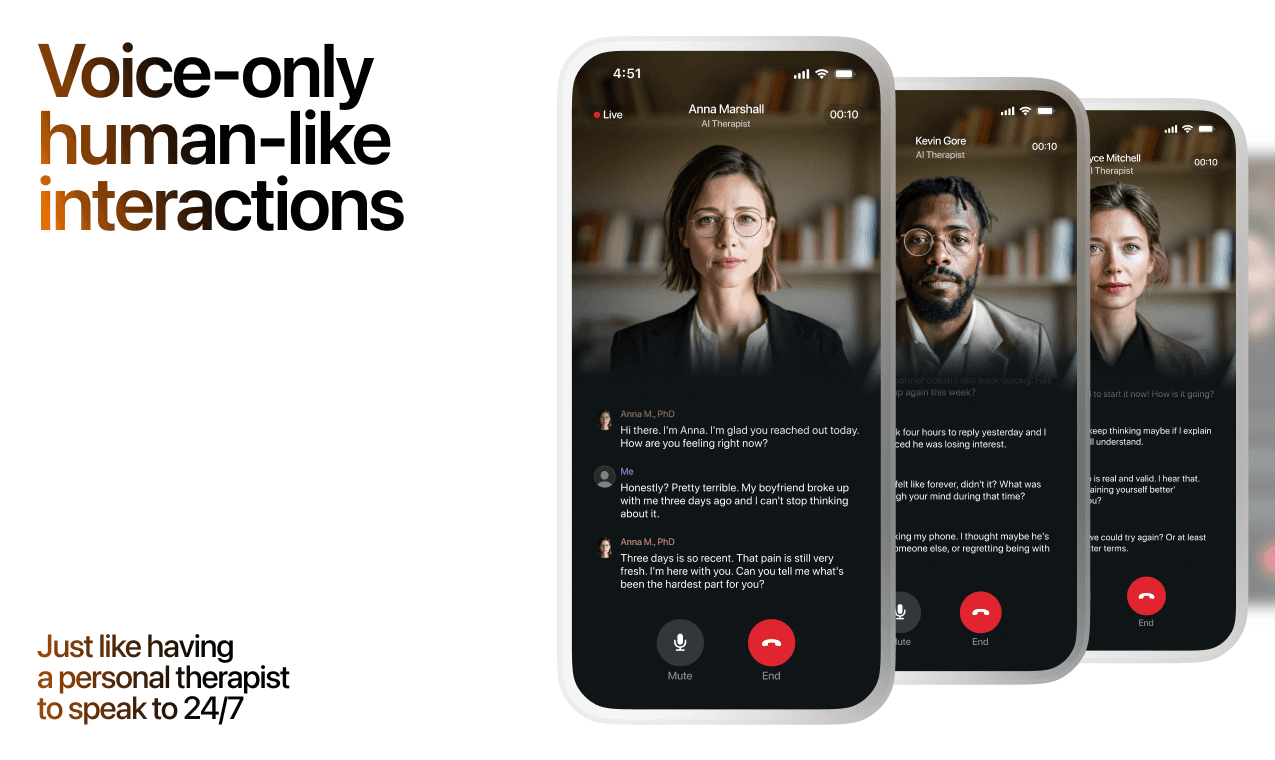
Voice carries tone, pace, and urgency in a way text can't. When you're mid-spiral at midnight, typing a paragraph to a chatbot takes effort you don't have; talking out loud doesn't. AI voice therapy differs from text-based apps exactly here — the immediacy of speaking is often what makes the difference between reaching for the app and reaching for your phone to text someone you shouldn't.
Talk it through right now
Start a voice conversation with Lovon before the spiral turns into a text you regret.
Where AI voice therapy actually helps with BPD
Pick 1 — the pattern-breaker. Widening your window of tolerance is the single most useful skill for BPD outside of a DBT room, and it's something you can practice in a 5-minute voice conversation instead of waiting for Tuesday's session. The window of tolerance framework gives you a concrete target: notice when you've left it, then use the conversation to get back inside it before you act on the urge. Buy — this is the highest-value use of the tool for BPD support in 2026.
Pick 2 — the between-session brain dump. DBT works because it's consistent, and consistency breaks down in the six days between sessions when nobody's tracking what triggered what. Voice journaling through Lovon captures the pattern in the moment — what happened, what you felt, what you almost did — so your next session starts with data instead of a foggy memory. AI voice journaling turns a 3am spiral into something your therapist can actually use on Thursday. Buy for anyone actively in DBT.
Pick 3 — the post-rupture reset. After a fight, a perceived slight, or a rejection — real or not — the nervous system stays activated long after the argument ends. A short voice conversation focused on grounding and physiological calm-down can shorten that tail. This one works, but it's not a substitute for processing the rupture itself with a therapist later. Consider — useful in the moment, not a full fix.
What to avoid
- Anything that promises to "cure" or "fix" BPD. No app does this, and any tool claiming it is overselling. Skip.
- Text-only chatbots during a crisis moment. The lag between typing and reading loses the urgency that voice captures, and BPD moments move fast. Skip for anything real-time.
- AI marketed as a DBT replacement. Skills groups, individual therapy, and medication management (where prescribed) stay the backbone of BPD treatment — AI voice therapy sits next to that, not instead of it. Skip any framing that says otherwise.
Verdict comparison
| Approach | Best for | Available 24/7 | Voice-based | Verdict |
|---|---|---|---|---|
| Widening your window of tolerance | Catching the spiral early | Yes | Yes | Buy |
| Voice journaling between sessions | DBT continuity | Yes | Yes | Buy |
| Post-rupture nervous system reset | Calming down after a fight | Yes | Yes | Consider |
FAQ
What's the best AI therapy option for BPD in 2026?
There's no single best option, but the strongest tools combine 24/7 voice access with validation-focused, nervous-system-informed responses rather than generic advice. Lovon fits that model as a between-sessions companion, not a diagnostic or crisis tool.
Is AI therapy safe for someone with borderline personality disorder?
AI therapy is generally safe as a support tool between real sessions, but it isn't built for crisis moments or diagnosis. Anyone with active safety concerns should contact 988 or emergency services, not an app.
Can an AI voice therapist replace DBT for BPD?
No. DBT skills groups, individual therapy, and any prescribed medication remain the core treatment for BPD. AI voice therapy works alongside that as an on-demand outlet, never a substitute for it.
Does AI therapy help with BPD abandonment fears specifically?
Yes, in the moment — a voice conversation can slow down the urge to act on abandonment fear before it becomes a text or call you regret. It doesn't resolve the underlying attachment pattern, which is work for a therapist over time.
How is AI voice therapy different from a text-based chatbot for BPD?
Voice captures tone, pace, and urgency that typing strips out, which matters when emotions are moving fast. Text apps also introduce a lag between the feeling and the response that voice conversations avoid.
What should I do if I'm in crisis while using an AI app?
Stop using the app and contact 988 (Suicide and Crisis Lifeline) or go to an emergency room. No AI therapy tool, Lovon included, is built or licensed to handle imminent risk.
Can AI therapy diagnose BPD?
No AI tool can diagnose BPD; diagnosis requires meeting 5 of the 9 DSM-5 criteria as assessed by a licensed clinician. AI voice therapy can help you track patterns to bring to that assessment, not replace it.
Is AI therapy for BPD covered by insurance?
AI therapy apps typically operate outside insurance billing, unlike licensed DBT or individual therapy sessions. Check current details directly with the app and separately confirm your therapist's coverage with your insurer.
One last thing
The window of tolerance for someone with BPD can narrow to seconds during a rupture — the gap between feeling triggered and acting on it is often smaller than people think. The single most useful habit isn't a script or a technique, it's building a 2-minute pause before you act, and a voice conversation is one of the few tools fast enough to fit inside that gap in 2026.
Related guides
How AI Support Helps You Heal
AI emotional support isn't about replacing human connection — it's about filling the gaps. The moments when you need to talk at 2 AM, when you don't want to burden your friends again, or when you simply need someone to listen without judgment.
Here's what happens in a typical Lovon session:
You share what's on your mind
There's no script, no intake form, no waiting room. You speak or type whatever you're feeling — in your own words, at your own pace.
Lovon validates and explores
Using frameworks from CBT (Cognitive Behavioral Therapy) and motivational interviewing, Lovon acknowledges your feelings first, then gently helps you explore them. No dismissive "just move on" advice.
You build coping skills together
Lovon doesn't just listen — it actively works with you on evidence-based techniques: thought reframing, urge surfing, behavioral experiments, and more.
What a Session with Lovon Looks Like
When to Seek Professional Help
AI support is a valuable tool, but it's not a replacement for professional care. Please consider reaching out to a licensed therapist if you experience any of the following:
- Persistent thoughts of self-harm or suicide
- Inability to perform daily activities (work, eating, sleeping) for more than 2 weeks
- Turning to alcohol or substances to cope
- Intense anger or desire to harm your ex-partner
- Complete emotional numbness that doesn't improve over time
Crisis Resources (US): If you're in immediate danger, call 988 (Suicide & Crisis Lifeline) or text HOME to 741741 (Crisis Text Line). Available 24/7, free, and confidential.
Outside the US? Find a crisis line in your country
Ready to Start?
Your healing journey can begin right now
1 free conversation. No credit card. No judgment. Just a safe space to process what you're going through.
Frequently Asked Questions
Is AI therapy a replacement for a real therapist?
Is my conversation with Lovon AI private?
How is Lovon different from ChatGPT for emotional support?
Can I use Lovon if I'm already seeing a therapist?
Can I try Lovon for free?
About the Author

The Lovon Editorial Team
Mental Health & Wellness Content Team
The Lovon Editorial Team develops mental health and wellness content designed to make psychological concepts accessible and actionable. Our goal is to bridge the gap between clinical research and everyday life - helping you understand why your mind works the way it does and what you can do about it....
Similar Articles
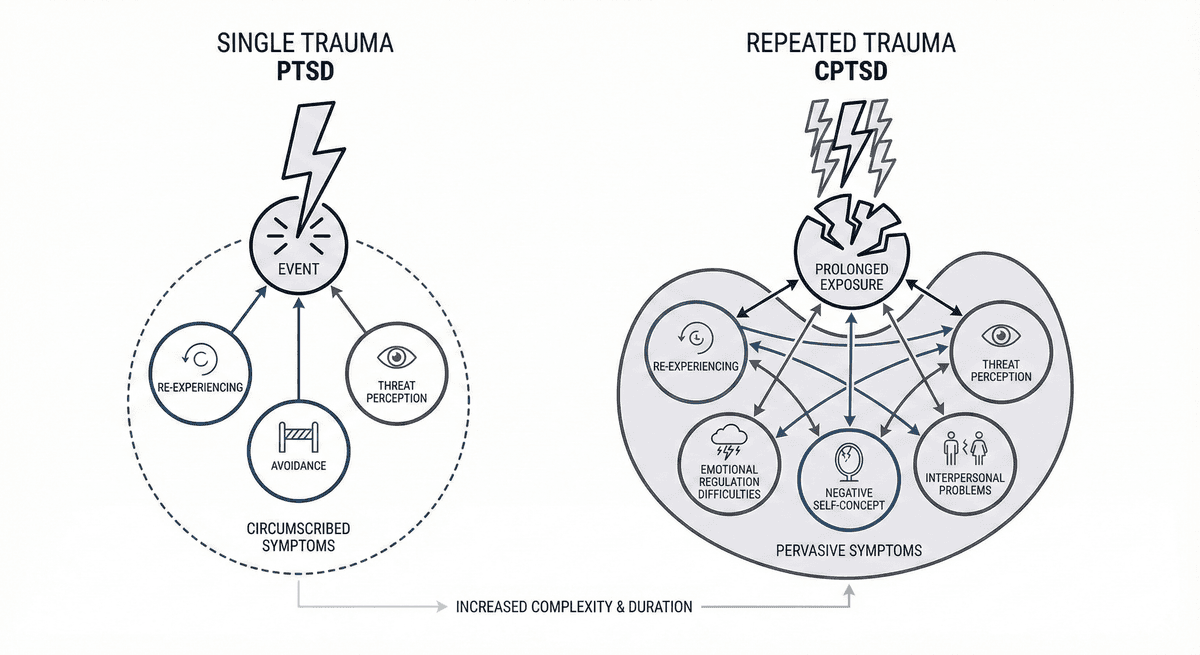
PTSD vs CPTSD: Single Trauma vs Repeated Trauma Symptom Differences
Learn how PTSD from a single traumatic event differs from CPTSD shaped by repeated trauma, including symptom patterns and treatment approaches.

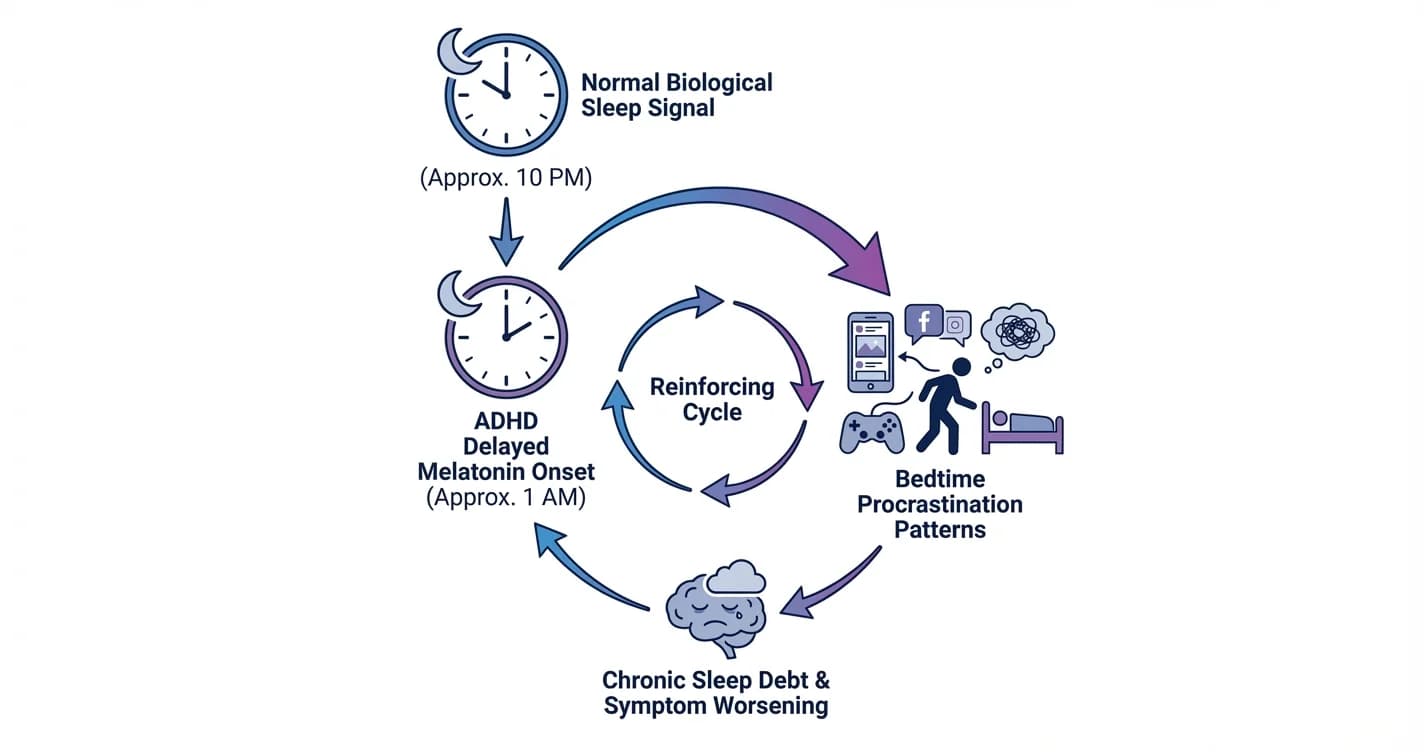
ADHD Sleep Cycle Disruption: Melatonin Delay and Bedtime Procrastination Patterns
Understanding how attention regulation difficulties interfere with natural sleep timing and the nightly wind-down process
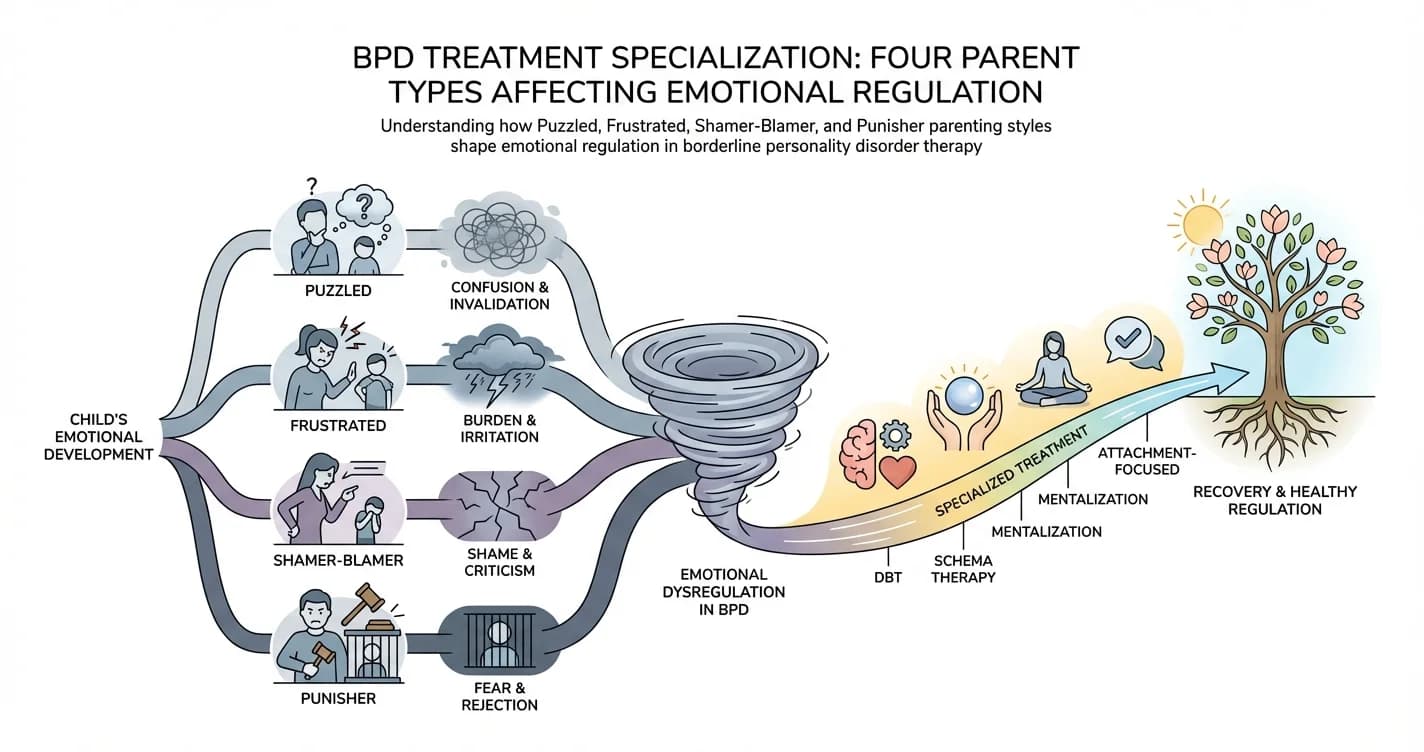
BPD Treatment Specialization: Four Parent Types Affecting Emotional Regulation
For individuals with borderline personality disorder (BPD), emotional regulation difficulties rarely emerge in isolation. Research increasingly suggests that
Disclaimer: This article is for informational purposes only and does not constitute medical advice, diagnosis, or treatment. Always seek the advice of your physician or other qualified health provider with any questions you may have regarding a medical condition. If you are in crisis or think you may have an emergency, call 988 (Suicide & Crisis Lifeline) or go to the nearest emergency room. Outside the US? Find a crisis line in your country.