
Partner Shuts Down During Conflict? Fix It in 2026
When a partner shuts down during conflict, it's usually a freeze response, not indifference. Get the 2026 step-by-step fix and what to avoid.

Key Takeaways
- A partner shuts down during conflict when their nervous system flags the fight as unsafe, not because they've
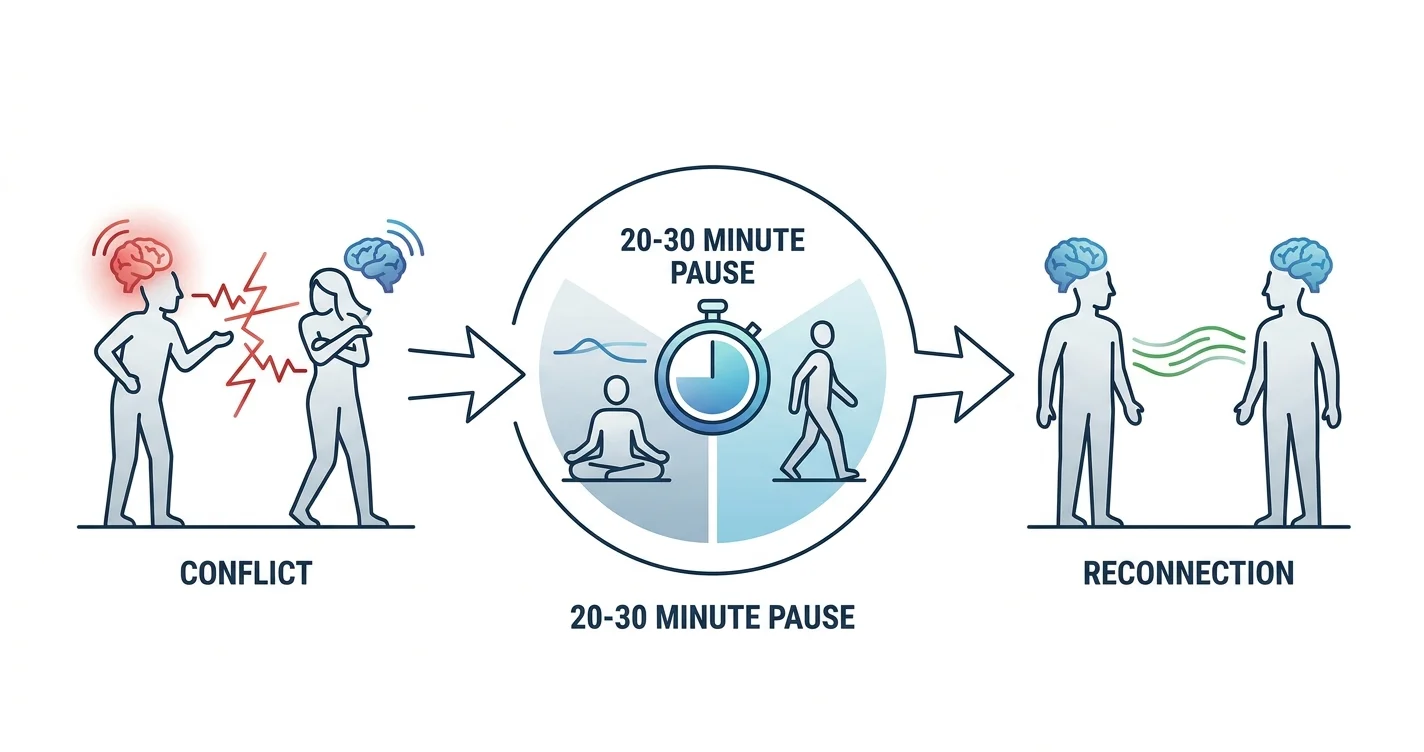
- A 20-30 minute pause before returning to the topic works better than pushing through in the moment.
- Naming the pattern out loud, without blame, reopens more conversations than winning the argument does.
- Shutdown with zero repair afterward, repeated over months, is a boundary conversation worth having in 2026, not
Your partner goes quiet mid-fight, arms crossed, eyes somewhere else, and the conversation you needed to have just evaporates. When a partner shuts down during conflict, it rarely means they don't care — it usually means their nervous system hit a wall faster than yours did. This guide gives you the concrete steps to work with that shutdown instead of fighting it.
TL;DR
- A partner shuts down during conflict when their nervous system flags the fight as unsafe, not because they've stopped caring.
- A 20-30 minute pause before returning to the topic works better than pushing through in the moment.
- Naming the pattern out loud, without blame, reopens more conversations than winning the argument does.
- Shutdown with zero repair afterward, repeated over months, is a boundary conversation worth having in 2026, not something to wait out.
Why this matters
What looks like stonewalling on the surface is often a freeze response underneath — the same nervous system reflex that makes someone go still when they feel cornered. Dr. John Gottman's research on couples pegged stonewalling as one of four communication patterns most predictive of relationship breakdown, and it shows up in an estimated 85% of cases along gendered lines, more often from men. That statistic gets cited constantly in 2026 relationship content, but the number matters less than what it tells you: shutdown is common, it's patterned, and it's workable.
The mistake most people make is treating the silence as a power move. Raising your voice, repeating the question, or accusing them of not caring pushes their heart rate higher, not lower — the opposite of what gets them back to the table. Understanding what is stonewalling and why partners do it changes how you respond in the next fight, because you stop reading silence as rejection and start reading it as data.
What you'll need
- A cool-down plan you both agree to before the next argument starts, not during it
- A phrase or signal that means "I need a pause" that either of you can use without it turning into a new fight
- 20 to 30 minutes of actual separation — different rooms, a walk, anything that lowers physical arousal
- A specific time to return to the conversation, stated out loud ("in 30 minutes" beats "later")
- Willingness to name the pattern outside of conflict, when nobody's activated
- Optional: a private space to process your own reaction first — voice journaling or a quick session with an AI therapist like Lovon can help you show up less reactive when you circle back
The steps
1. Notice the shutdown before it's total
Shutdown usually has a warm-up: shorter answers, flat tone, eyes dropping, arms folding. Catching it at the warm-up stage gives you room to slow down before your partner goes fully silent.
Once someone is fully checked out, their prefrontal cortex is offline and words won't land no matter how reasonable they are. Watch for the first three signs, not the last one.
Common mistake: waiting until they've gone completely silent to change your approach — by then the window has already closed.
2. Call a real pause, not a walkout
Say it plainly: "I can see this is too much right now. Let's stop and come back to it in 30 minutes." A stated pause is different from one partner storming off — the difference is the explicit return time.
Without a stated return time, a pause reads as abandonment to an anxious partner and as relief to an avoidant one, which widens the gap instead of closing it. Thirty minutes is a reasonable default; some nervous systems need longer.
Common mistake: using the pause as a way to avoid the topic entirely and never actually returning to it.
3. Lower your own volume during the wait
The pause only works if you actually calm down during it, not just physically leave the room while replaying the argument in your head. Pacing your breathing, stepping outside, or talking it through with someone neutral brings your own heart rate down so you're not walking back in activated.
If your own anxiety is what escalates these fights in the first place, working through it with a tool built for on-demand support — AI coping tools for anxiety — can shorten how long it takes you to reset.
Common mistake: spending the pause rehearsing your next point instead of actually calming down.
4. Return on time, with a smaller ask
When you come back together, don't restart the original fight at full volume. Open with one narrow question: "Can we talk about what happened with the bills, just that part?" A narrower ask is easier for a nervous system still on alert to engage with than the full argument.
Verdict: a narrow re-entry works — reopening the whole fight at once usually re-triggers the shutdown within minutes.
Common mistake: treating the return as a chance to relitigate everything that built up during the pause.
5. Name the pattern when nobody's upset
Outside of conflict — over coffee, on a walk, not mid-fight — say what you've noticed: "I've noticed you go quiet when we argue, and I go quiet too. Can we talk about what that's about?" This isn't an accusation, it's an observation, and observations land differently than accusations do.
Couples who name the pursuer-withdrawer pattern explicitly, rather than just living inside it, break the cycle faster than couples who try to out-argue it. The pursuer-withdrawer pattern shows up in most relationships where one partner chases resolution and the other retreats from it.
Common mistake: bringing this up mid-argument, which turns an observation into another accusation.
6. Build a repair ritual for after the fight
Agree on something small you both do after a disagreement resolves — a check-in text, a hand on the shoulder, a specific phrase. Repair rituals matter more than avoiding conflict altogether; couples who repair consistently report higher satisfaction than couples who simply fight less.
Common mistake: assuming the fight is "over" just because the silence ended, without any actual repair step.
Troubleshooting
Problem: they agree to a pause but never come back to the topic. Set the return time out loud and put it on a phone timer if needed — an unstated pause quietly becomes an indefinite one.
Problem: you push through the silence because waiting feels unbearable. Name your own urgency instead of acting on it: "I know I want to keep talking right now, but I'm going to wait like we agreed." Saying it out loud makes it easier to actually hold the pause.
Problem: every fight ends in shutdown, with no exceptions. This is a sign the pattern is chronic rather than situational, and it's worth reading about what triggers avoidant attachment shutdown — attachment style often explains why the same trigger produces the same freeze every time.
Problem: they shut down and then act like nothing happened. Bring it up later, specifically: "Yesterday when we were talking about the trip, you went quiet and we never came back to it. Can we finish that?" Letting it drop teaches both of you that shutdown ends the conversation permanently.
Problem: you're the one shutting down, not them. The steps above work the same in reverse — tell your partner what you need before you go quiet, rather than after.
Problem: shutdown shows up with contempt, criticism, or stonewalling that feels punishing rather than protective. That combination is a different, harder problem than a nervous nervous system freeze, and it's worth an honest look at is my relationship toxic before assuming a communication fix will solve it.
Process the fight before you bring it back up
Talk it through with Lovon's AI voice therapist before your next conversation with your partner.
Tools and resources
- A stated pause phrase you both agree to ahead of time
- A repair ritual for after the argument resolves
- Voice journaling or a quiet 10-minute session to process your own reaction before returning to the conversation
- Reading on the freeze response itself, since understanding the biology behind the silence makes it easier not to take personally
- An AI voice therapist for the nights the fight replays in your head and there's nobody else to talk it through with
What to do next
Once the immediate fight is handled, the pattern underneath it is worth understanding on its own terms. Most shutdown in relationships traces back to a specific nervous system reflex rather than a character trait, and the clearest explanation of it is in freeze response: why you shut down under stress — read it together if your partner is open to it, or read it alone first if they're not.
FAQ
What does it mean when a partner shuts down during conflict?
It usually means their nervous system has moved into a freeze response, not that they've stopped caring about the fight. The body reads the conflict as unsafe and pulls back from speech and eye contact as a protective reflex, the same way it might in any perceived threat.
Is shutting down during an argument the same as stonewalling?
They overlap but aren't identical. Stonewalling is the behavior — going silent, refusing to engage — while shutdown describes the internal state driving it, often a freeze response triggered by feeling overwhelmed rather than a deliberate choice to punish.
How long should you wait when a partner shuts down?
Give it 20 to 30 minutes as a starting point, with a stated time to return to the conversation. Some nervous systems need longer, and forcing a return before someone's ready usually restarts the shutdown from scratch.
Should you keep talking when your partner goes silent?
No. Continuing to talk while someone is in freeze mode raises their physiological arousal instead of lowering it, which delays the conversation further. Naming the pause and stepping back works better than pushing through it.
Is a partner who shuts down during conflict emotionally unavailable?
Not necessarily. Some people shut down due to attachment style, past experiences with conflict, or simple nervous system wiring, and it can improve with consistent repair. Chronic shutdown with no attempt to repair afterward is a separate concern worth naming directly.
Can therapy help with a partner who shuts down during conflict?
Yes, both individual and couples-focused support can help identify the specific trigger and build a repair pattern. On-demand tools, including AI voice therapy apps, give either partner a way to process reactions between arguments rather than only in session.
Does shutdown during conflict get worse over time?
It can, especially if the pattern goes unaddressed and one partner keeps pursuing while the other keeps withdrawing. Naming the cycle directly and building a stated pause routine tends to shorten shutdown episodes rather than lengthen them.
What's the difference between a healthy pause and stonewalling?
A healthy pause is stated out loud with a specific return time and both partners agree to it. Stonewalling has no stated time, no clear intent to return, and often continues even when the other partner tries to re-engage.
One last thing
The couples who handle this well aren't the ones who never freeze up — they're the ones who've agreed on what happens after the freeze. The stated pause and return time matter more than any single sentence you say during the fight itself, because the fight isn't actually happening in the words, it's happening in two nervous systems trying to find their way back to feeling safe with each other, sometime around 2026 or any other year this pattern shows up.
Related guides
How AI Support Helps You Heal
AI emotional support isn't about replacing human connection — it's about filling the gaps. The moments when you need to talk at 2 AM, when you don't want to burden your friends again, or when you simply need someone to listen without judgment.
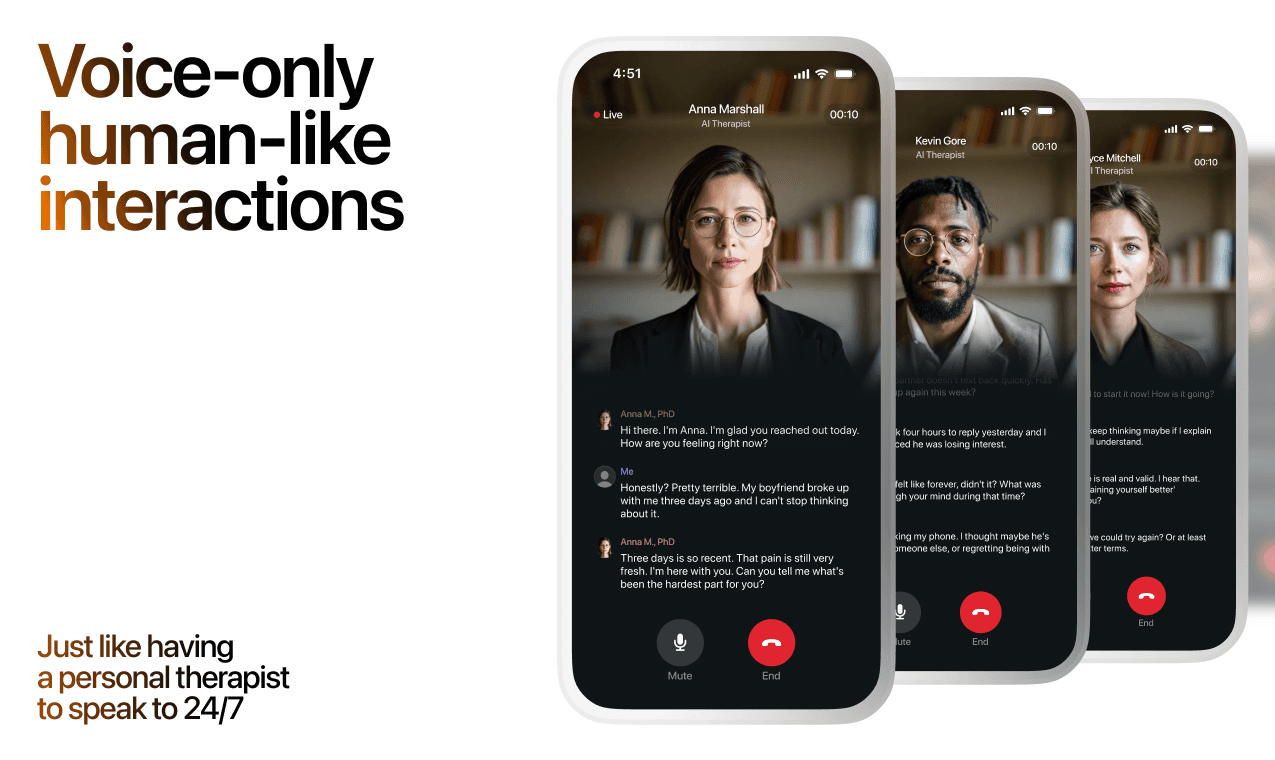
Here's what happens in a typical Lovon session:
You share what's on your mind
There's no script, no intake form, no waiting room. You speak or type whatever you're feeling — in your own words, at your own pace.
Lovon validates and explores
Using frameworks from CBT (Cognitive Behavioral Therapy) and motivational interviewing, Lovon acknowledges your feelings first, then gently helps you explore them. No dismissive "just move on" advice.
You build coping skills together
Lovon doesn't just listen — it actively works with you on evidence-based techniques: thought reframing, urge surfing, behavioral experiments, and more.
What a Session with Lovon Looks Like
When to Seek Professional Help
AI support is a valuable tool, but it's not a replacement for professional care. Please consider reaching out to a licensed therapist if you experience any of the following:
- Persistent thoughts of self-harm or suicide
- Inability to perform daily activities (work, eating, sleeping) for more than 2 weeks
- Turning to alcohol or substances to cope
- Intense anger or desire to harm your ex-partner
- Complete emotional numbness that doesn't improve over time
Crisis Resources (US): If you're in immediate danger, call 988 (Suicide & Crisis Lifeline) or text HOME to 741741 (Crisis Text Line). Available 24/7, free, and confidential.
Outside the US? Find a crisis line in your country
Ready to Start?
Your healing journey can begin right now
1 free conversation. No credit card. No judgment. Just a safe space to process what you're going through.
Frequently Asked Questions
Is AI therapy a replacement for a real therapist?
Is my conversation with Lovon AI private?
How is Lovon different from ChatGPT for emotional support?
Can I use Lovon if I'm already seeing a therapist?
Can I try Lovon for free?
About the Author

The Lovon Editorial Team
Mental Health & Wellness Content Team
The Lovon Editorial Team develops mental health and wellness content designed to make psychological concepts accessible and actionable. Our goal is to bridge the gap between clinical research and everyday life - helping you understand why your mind works the way it does and what you can do about it....
Similar Articles
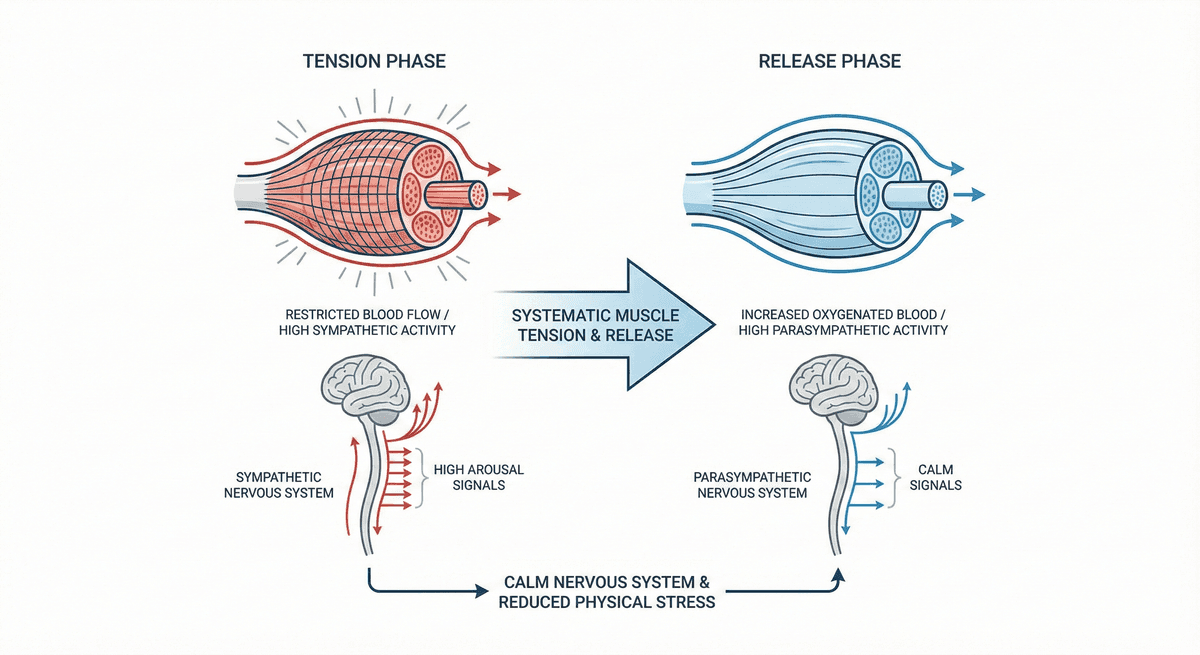
Progressive Muscle Relaxation for Stress Reduction
A systematic muscle group tension and release technique that calms the nervous system and reduces physical stress.

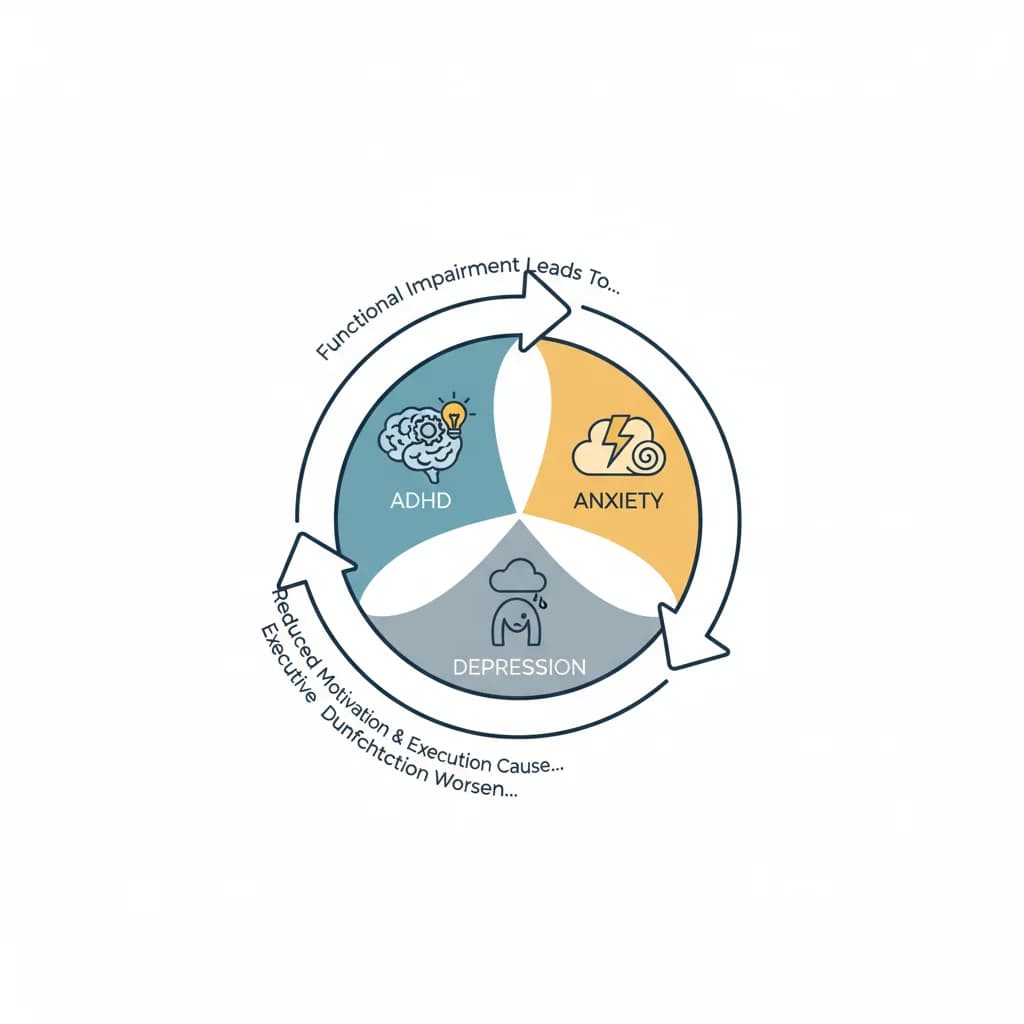
ADHD Comorbidity with Anxiety and Depression Cycles
Understanding the Complex Interplay Between ADHD and Recurring Mental Health Patterns
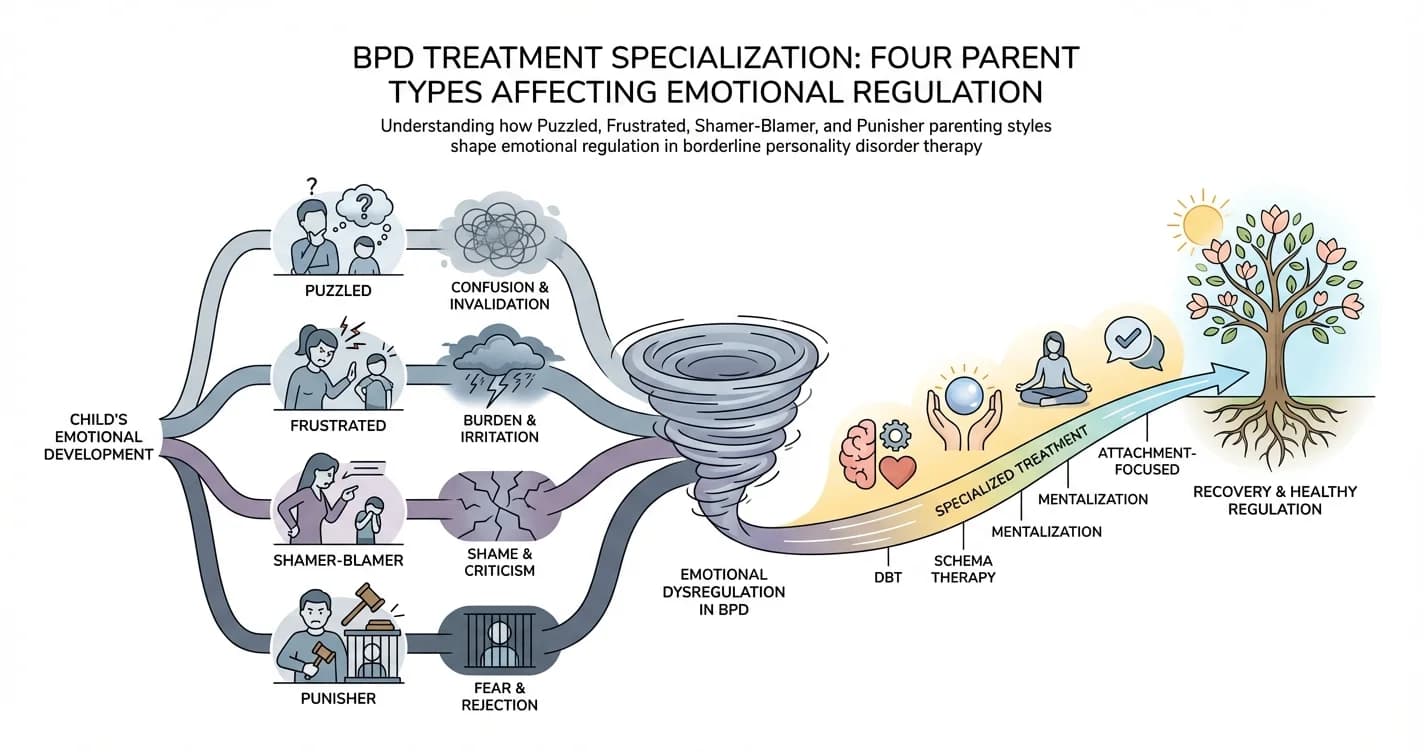
BPD Treatment Specialization: Four Parent Types Affecting Emotional Regulation
For individuals with borderline personality disorder (BPD), emotional regulation difficulties rarely emerge in isolation. Research increasingly suggests that
Disclaimer: This article is for informational purposes only and does not constitute medical advice, diagnosis, or treatment. Always seek the advice of your physician or other qualified health provider with any questions you may have regarding a medical condition. If you are in crisis or think you may have an emergency, call 988 (Suicide & Crisis Lifeline) or go to the nearest emergency room. Outside the US? Find a crisis line in your country.