
Intergenerational Trauma & Mental Health: 2026 Guide
Intergenerational trauma mental health effects explained: how patterns pass down, 6 steps to break the cycle, and what actually helps in 2026.

Key Takeaways
- Intergenerational trauma mental health effects show up as inherited hypervigilance, rigid parenting patterns, and
- The CDC-Kaiser ACE Study followed more than 17,000 adults starting in 1998 and linked childhood adversity to adult
- Naming the pattern instead of just naming the parent is the first real step toward breaking a family trauma cycle in
- Support that does not require re-explaining your childhood every session helps you practice new responses in real
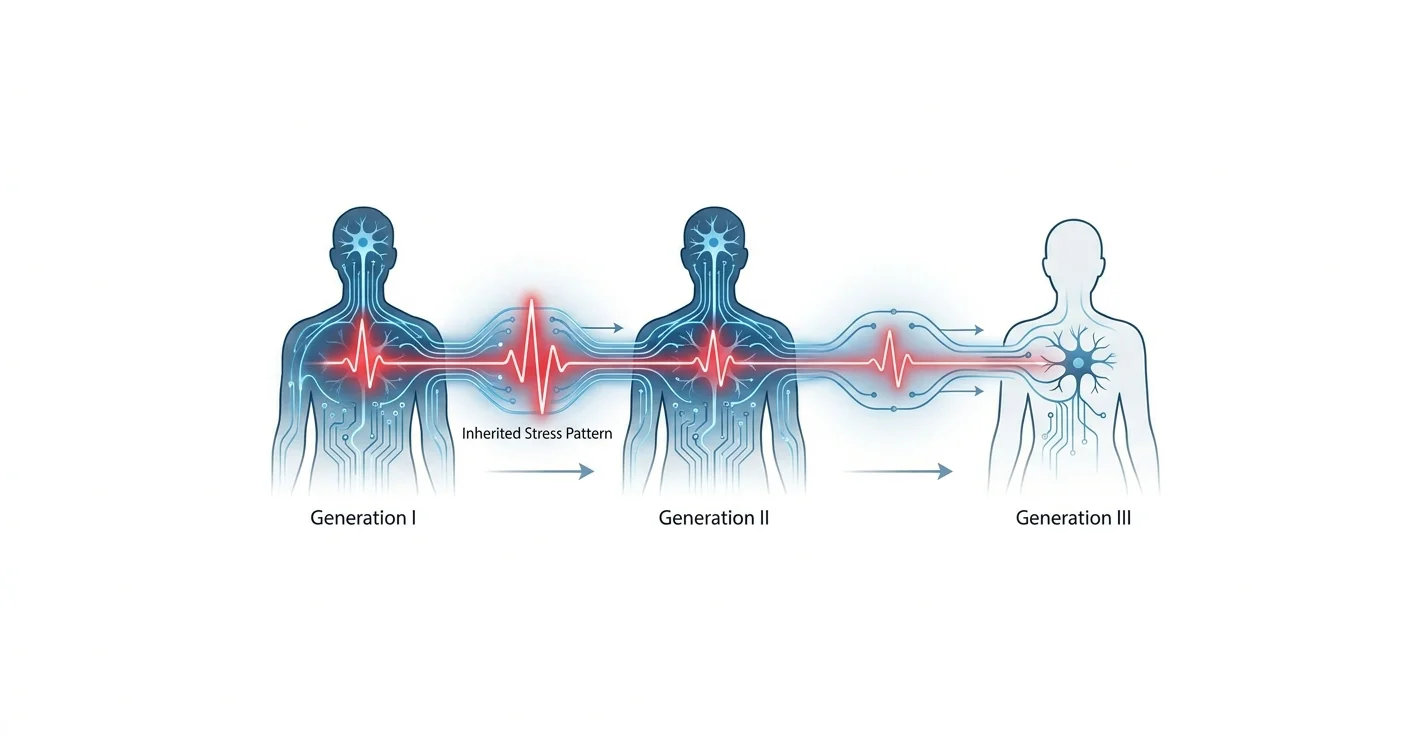
Intergenerational trauma is the transfer of unresolved pain, survival patterns, and nervous system wiring from one generation to the next, and it shapes anxiety, attachment style, and stress reactions long before you ever choose a coping strategy of your own.
TL;DR
- Intergenerational trauma mental health effects show up as inherited hypervigilance, rigid parenting patterns, and anxiety passed down without a single word spoken.
- The CDC-Kaiser ACE Study followed more than 17,000 adults starting in 1998 and linked childhood adversity to adult depression and heart disease.
- Naming the pattern instead of just naming the parent is the first real step toward breaking a family trauma cycle in 2026.
- Support that does not require re-explaining your childhood every session helps you practice new responses in real time — Lovon's AI voice sessions are one option to Consider between therapy visits.
Why this matters
You don't inherit trauma the way you inherit eye color, but the effect can feel just as automatic. A parent who grew up in scarcity teaches hoarding without meaning to. A grandparent who survived violence teaches hypervigilance as a survival skill, and it gets passed down as "just being careful." Researchers at Mount Sinai, publishing in Biological Psychiatry, found measurable differences in stress-hormone regulation in children of Holocaust survivors compared to peers without that family history — evidence that trauma leaves a biological trace that outlasts the original event.
The CDC-Kaiser ACE Study, which followed more than 17,000 adults starting in 1998, remains the largest dataset connecting childhood adversity to adult mental and physical health outcomes. Intergenerational trauma mental health research builds on that foundation: it's not about blame, it's about pattern recognition. Once you see where a reaction started, you get to decide whether to keep carrying it into 2026 and beyond.
What you'll need before you start
- A quiet 20-30 minutes where you won't be interrupted
- A notebook or notes app for mapping family patterns (not a formal genogram, just honest observations)
- Willingness to separate "what my parent did" from "what my parent survived"
- A support option for the moments this gets heavy — a therapist, a trusted friend, or an AI voice tool like Lovon for between-session processing
- Patience for a process that takes months, not one sitting
The steps to work through intergenerational trauma
1. Name the pattern, not just the person
Blaming a parent keeps you stuck; naming the pattern gives you something to actually change. Write down one recurring reaction you have — say, shutting down during conflict, or needing constant reassurance — and ask where you first saw that exact behavior modeled. Most people find it within one or two generations back. Common mistake: stopping at "my mom did this to me" instead of asking what her environment demanded of her.
2. Map where the pattern started
Trauma patterns usually trace back to a specific survival need: war, poverty, addiction, sudden loss, or rigid cultural expectations. Spend 15 minutes writing what you know about your parents' and grandparents' early lives, even in fragments. If a pattern shows up as parentification — a child taking on adult emotional labor — trace whether that same dynamic existed a generation earlier. Expected outcome: you'll usually find the pattern wasn't invented with you, it was inherited and repeated.
3. Track your own body's response
Intergenerational trauma lives in the nervous system as much as in the mind, so notice physical signals: tight chest before a hard conversation, jaw clenching around a certain family member, an urge to over-apologize. Research popularized by neuroscientist Jill Bolte Taylor suggests the physiological wave of an emotion typically moves through the body in about 90 seconds if you don't feed it with a story. Track this for one week. Common mistake: treating the sensation as the whole problem instead of a signal to sit with.
4. Practice one new response in real time
Pick a single trigger and script a different reaction before it happens — for example, pausing five seconds before responding to criticism instead of immediately defending yourself. Practice this in low-stakes moments first, not in the middle of a family blowup. If your family patterns look like CPTSD from childhood, expect the old response to feel more "natural" than the new one for weeks — that discomfort is the change working, not a sign it's failing.
5. Rebuild the story you tell about your family
The story you repeat about your childhood shapes what you expect from every close relationship after it. Rewrite one family memory in a single paragraph, focusing on facts rather than the emotional conclusion you've always attached to it. This isn't about excusing harm; it's about loosening the grip a fixed narrative has on your present-day reactions. People stuck in toxic parent patterns often find this step exposes where they've been protecting a parent's image at their own expense.
6. Get support that doesn't require explaining your whole childhood every time
Breaking a multi-generational pattern usually takes outside support, and consistency matters more than intensity. A weekly therapy session covers deep work; something available daily covers the moments a pattern gets triggered in real time — a tense phone call with a parent, a flashback of guilt, a spike of anxiety before a holiday visit. This is where an always-available option earns its place alongside, not instead of, clinical care.
Talk Through Family Patterns Anytime
Process inherited stress patterns with Lovon's AI voice sessions between therapy visits.
Troubleshooting common roadblocks
- "I can't remember enough about my parents' childhood." Work with fragments — even one detail (a move, a loss, a job change) is enough to start mapping a pattern; you don't need a full history.
- "Naming the pattern makes me feel disloyal." Separate the acts of observation and accusation — noticing a pattern isn't the same as condemning the person who passed it to you.
- "I keep reverting to the old reaction under stress." That's expected in 2026 practice cycles as much as any other year — new responses take repeated exposure under real pressure, not just calm reflection.
- "My sibling doesn't see the pattern the same way." Two people in the same house can experience different roles in the family system — a parentified older child and a shielded younger one won't describe the same childhood.
- "I feel worse after digging into this." That's a signal to slow the pace and add outside support, not to stop entirely — space this work out over weeks rather than doing it in one sitting.
Tools and resources
- A running journal of triggers and body sensations (paper or app-based)
- One trusted person who knew your family and can confirm or add context to your memories
- A licensed therapist for the deeper excavation work this guide can't replace
- Toxic parent patterns as a reference for spotting specific family dynamics by name
- An on-demand voice tool for the in-between moments, since patterns rarely wait for your next scheduled appointment
What to do next
Once you can name the pattern and trace where it started, the next skill is separating your reactions from your inherited defaults on a daily basis. Start with the inner child healing guide for a structured, step-by-step way to work with the younger version of you that built these coping strategies in the first place.
FAQ
What is intergenerational trauma in mental health terms?
Intergenerational trauma mental health effects are the emotional patterns, coping strategies, and stress responses passed from one generation to the next through parenting, family environment, and in some cases biology. It shows up as inherited anxiety, hypervigilance, or rigid relationship patterns rather than a single diagnosable event.
Can trauma actually be passed down biologically?
Research from Mount Sinai, published in Biological Psychiatry, found measurable stress-hormone regulation differences in children of Holocaust survivors. The findings suggest trauma can leave biological traces that influence descendants' stress responses, alongside the behavioral patterns passed down through upbringing.
How do I know if I'm carrying intergenerational trauma?
Recurring reactions that feel disproportionate to the current situation — sudden shutdown during conflict, chronic guilt, or an inability to rest — often trace back further than your own life experience. Mapping when you first saw a reaction modeled by a parent or grandparent is the fastest way to check.
Is intergenerational trauma the same as childhood trauma?
No. Childhood trauma refers to adverse events you personally experienced growing up, while intergenerational trauma refers to patterns and stress responses inherited from parents or grandparents, sometimes without a matching adverse event in your own childhood.
How much does therapy for family trauma cost in 2026?
Therapy without insurance typically runs from $100 to $250 per session in 2026, depending on location and specialty, with trauma-focused therapists often at the higher end. Sliding-scale clinics and on-demand tools can supplement between paid sessions.
Can you heal intergenerational trauma without confronting your parents?
Yes. Healing the pattern in yourself doesn't require a confrontation or even a conversation with the parent who passed it down — most of the work happens in how you recognize and respond differently to the pattern in your own life.
Does intergenerational trauma affect parenting style?
Yes, it's one of the most common ways the pattern gets passed forward. Parents who grew up with emotional neglect or parentification often repeat those exact dynamics with their own children unless they actively identify and interrupt the pattern.
What's the first step to breaking a trauma cycle?
Naming the specific pattern — not the person — and tracing where it started is the first practical step. From there, tracking your body's response to triggers and practicing one new reaction at a time builds the change over months, not days.
One last thing
The pattern that feels most "just who I am" is usually the oldest one in the family line — the reaction so automatic you've never questioned it is often the one your grandparent needed to survive something you never had to. That's not a life sentence. It's a starting point for the one thing every generation before you didn't have: the option to notice it happening and choose differently, starting in 2026.
Related guides
How AI Support Helps You Heal
AI emotional support isn't about replacing human connection — it's about filling the gaps. The moments when you need to talk at 2 AM, when you don't want to burden your friends again, or when you simply need someone to listen without judgment.
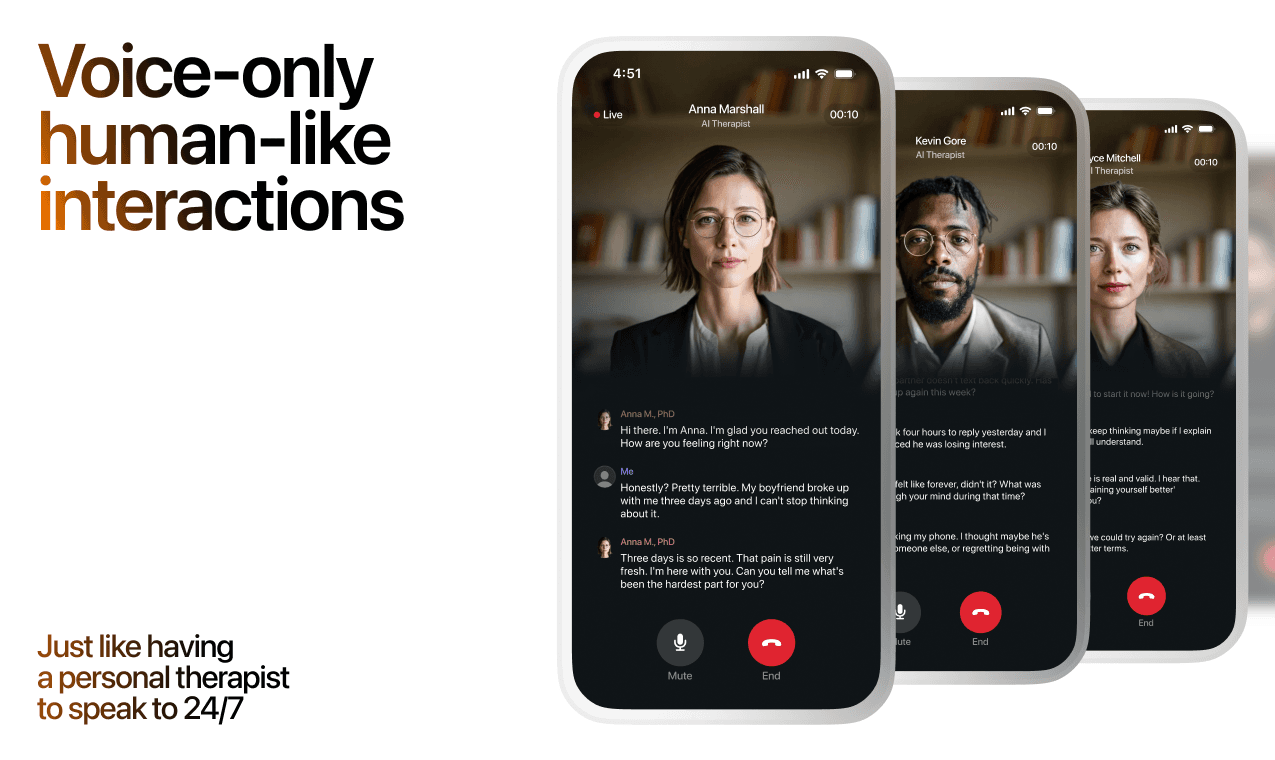
Here's what happens in a typical Lovon session:
You share what's on your mind
There's no script, no intake form, no waiting room. You speak or type whatever you're feeling — in your own words, at your own pace.
Lovon validates and explores
Using frameworks from CBT (Cognitive Behavioral Therapy) and motivational interviewing, Lovon acknowledges your feelings first, then gently helps you explore them. No dismissive "just move on" advice.
You build coping skills together
Lovon doesn't just listen — it actively works with you on evidence-based techniques: thought reframing, urge surfing, behavioral experiments, and more.
What a Session with Lovon Looks Like
When to Seek Professional Help
AI support is a valuable tool, but it's not a replacement for professional care. Please consider reaching out to a licensed therapist if you experience any of the following:
- Persistent thoughts of self-harm or suicide
- Inability to perform daily activities (work, eating, sleeping) for more than 2 weeks
- Turning to alcohol or substances to cope
- Intense anger or desire to harm your ex-partner
- Complete emotional numbness that doesn't improve over time
Crisis Resources (US): If you're in immediate danger, call 988 (Suicide & Crisis Lifeline) or text HOME to 741741 (Crisis Text Line). Available 24/7, free, and confidential.
Outside the US? Find a crisis line in your country
Ready to Start?
Your healing journey can begin right now
1 free conversation. No credit card. No judgment. Just a safe space to process what you're going through.
Frequently Asked Questions
Is AI therapy a replacement for a real therapist?
Is my conversation with Lovon AI private?
How is Lovon different from ChatGPT for emotional support?
Can I use Lovon if I'm already seeing a therapist?
Can I try Lovon for free?
About the Author

The Lovon Editorial Team
Mental Health & Wellness Content Team
The Lovon Editorial Team develops mental health and wellness content designed to make psychological concepts accessible and actionable. Our goal is to bridge the gap between clinical research and everyday life - helping you understand why your mind works the way it does and what you can do about it....
Similar Articles
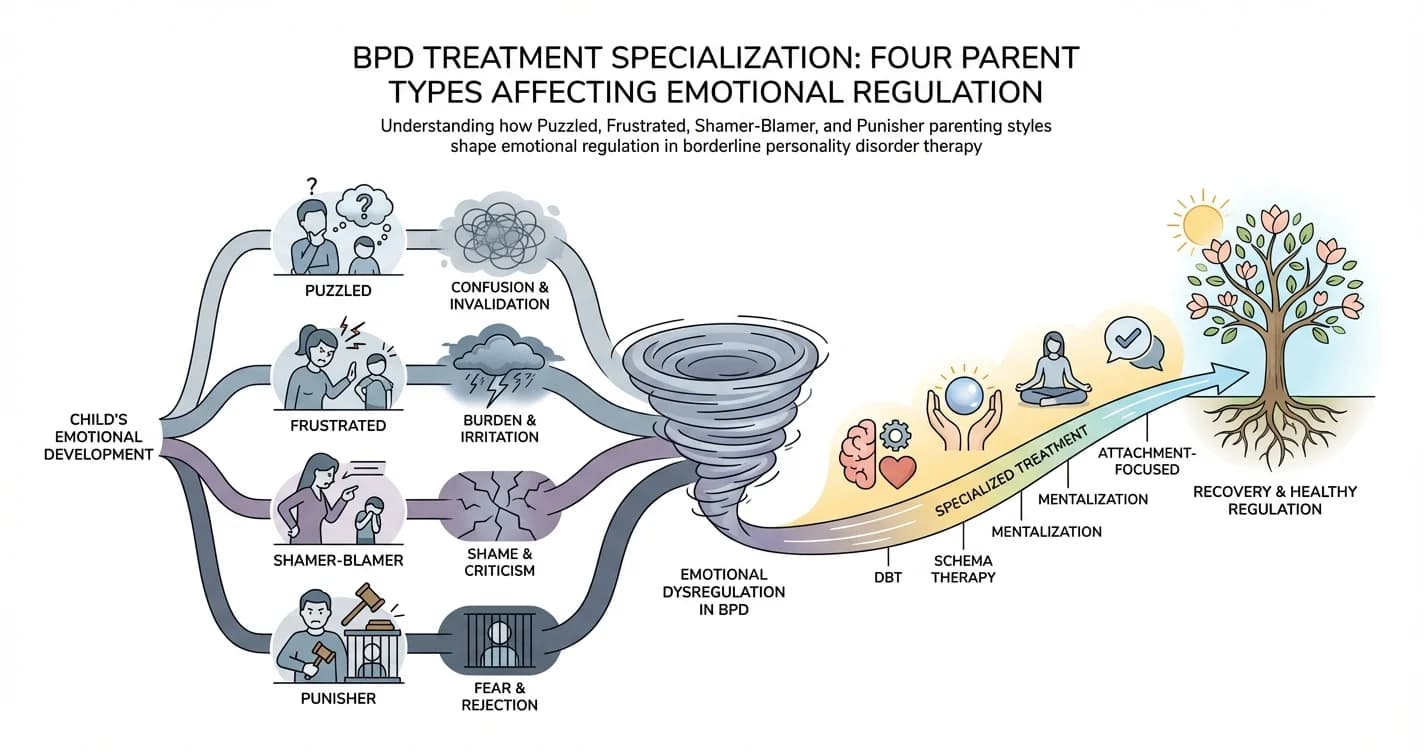
BPD Treatment Specialization: Four Parent Types Affecting Emotional Regulation
For individuals with borderline personality disorder (BPD), emotional regulation difficulties rarely emerge in isolation. Research increasingly suggests that

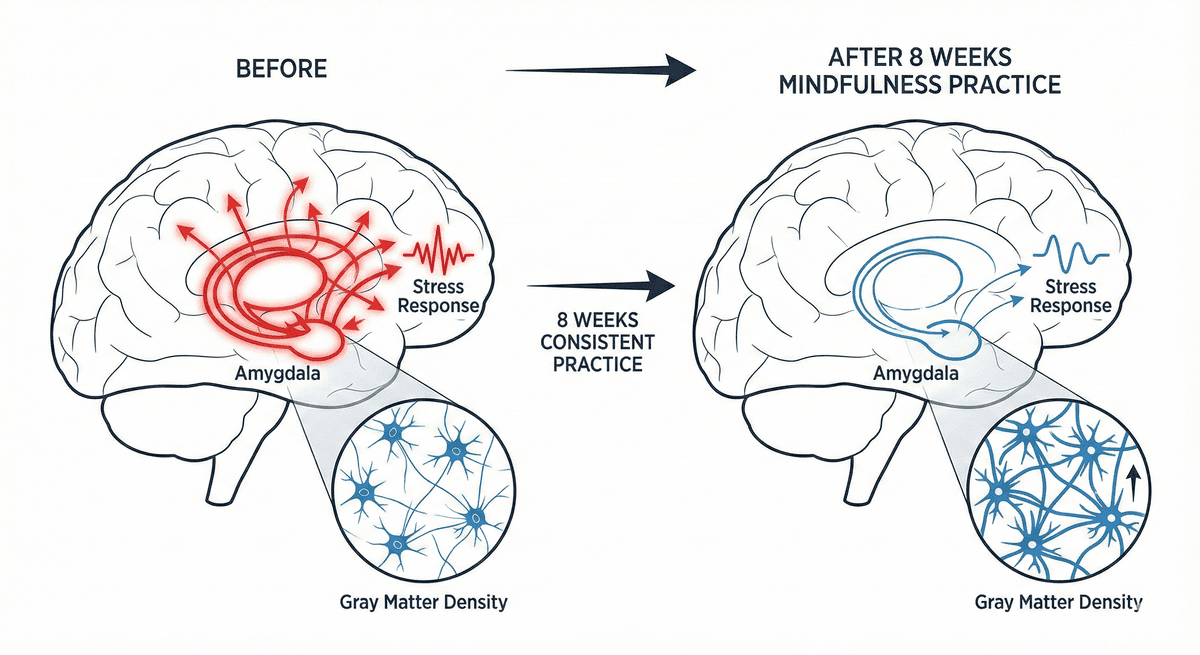
What 8 Weeks of Meditation Does to Your Amygdala
See what changes in your brain after eight weeks of daily meditation, why you react less to stress, and how to build a routine that actually sticks.
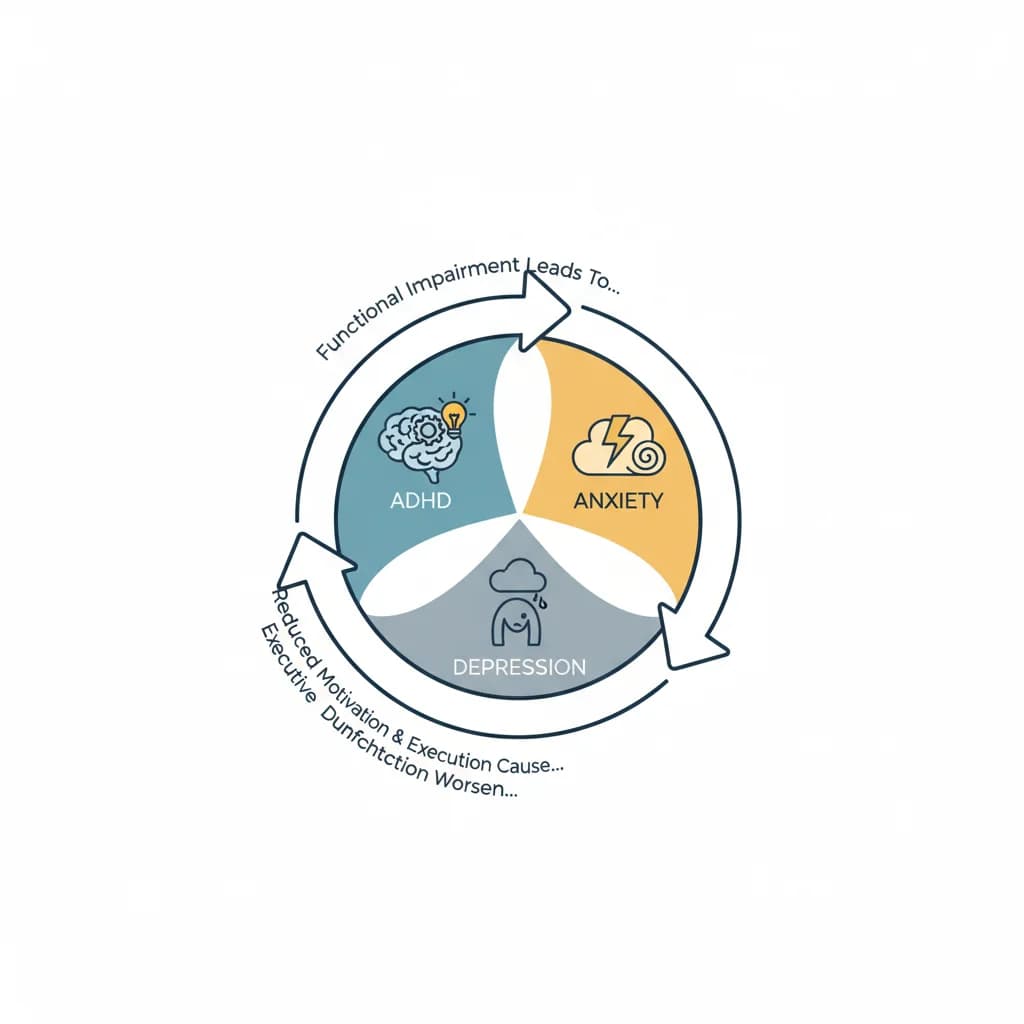
ADHD Comorbidity with Anxiety and Depression Cycles
Understanding the Complex Interplay Between ADHD and Recurring Mental Health Patterns
Disclaimer: This article is for informational purposes only and does not constitute medical advice, diagnosis, or treatment. Always seek the advice of your physician or other qualified health provider with any questions you may have regarding a medical condition. If you are in crisis or think you may have an emergency, call 988 (Suicide & Crisis Lifeline) or go to the nearest emergency room. Outside the US? Find a crisis line in your country.