
How to Reduce Stress: 7 Steps That Work Today
How to reduce stress now and for good: calm your body in two minutes, find what drives it, cut one demand, and build a weekly routine that holds.

Key Takeaways
- Stress relief works on two levels: calming the body in the moment and lowering the load that keeps setting it off.
- A slow breath with a long exhale is the quickest reliable way to settle a stress spike, and it works anywhere.
- Lasting change usually comes from one real cut to your load plus protected recovery time, not from adding more self-care to a full week.
To reduce stress, work on two levels at once: calm your body in the moment, then lower the load that keeps setting it off. A slow breath with a long exhale settles a stress spike within minutes. Lasting relief comes from naming what drives your stress, cutting or sharing one demand, protecting sleep, moving every day and talking to someone you trust.
- Breathe out longer than you breathe in for two minutes.
- Write down everything that is stressing you, then mark what you can control.
- Pick one demand to drop, delay, hand off or shrink this week.
- Keep the same wake-up time every day to protect your sleep.
- Walk or move for at least 10 minutes a day, outside if you can.
- Tell one person what is going on.
- Check your stress level once a week so you can see what helps.
How do you reduce stress right now?
When stress spikes, your body is ready for a fight that is not coming: faster heart, shallow breathing, tight shoulders. The quickest way back down is through the body, because you cannot think your way out of a racing heart.
Lengthen the exhale. Breathe in through your nose for four counts and out through your mouth for six to eight. Keep going for two minutes. A systematic review of slow-breathing studies found that slow breathing is linked with more relaxation, less arousal and changes in heart rhythm that go with a calmer state.[1] If counting helps, use the paced box breathing timer or 4-7-8 breathing, which has an especially long out-breath.
Release your muscles. Stress sits in the jaw, shoulders and hands. Tense one area hard for five seconds, then let it go and notice the difference. The guided progressive muscle relaxation session walks you through your whole body in about ten minutes.
Come back to the room. If your thoughts are spinning, name five things you can see, four you can hear, three you can touch. The 5-4-3-2-1 grounding exercise takes you through it step by step.
Move. A brisk ten-minute walk burns off some of the stress chemistry and gives your mind something else to do. Even climbing a few flights of stairs helps.
None of these fix the cause. They lower the temperature so you can think clearly enough to deal with it. For more fast techniques, see how to calm down fast.
What is actually causing your stress?
Most people under stress can name one big thing and miss the ten small ones underneath it. You cannot reduce what you have not named.
Take ten minutes and write down everything on your mind: deadlines, money, a tense conversation you are avoiding, the dentist appointment you keep forgetting, the friend who has not texted back. The brain dump tool lets you empty your head and then sort each item into do, schedule or let go.
Then go through the list and mark each item:
- C if you can control it, even partly
- I if you can influence it, for example by asking someone
- N if you cannot change it at all
You will usually find more C and I items than you expected. The N items need a different approach, covered below.
If you want a number to start from, the stress level test shows how stressed you have been lately and which areas are driving it. The energy audit maps what drains you and what charges you across a normal week, which often surfaces a drain you had stopped noticing.
How do you reduce stress you cannot avoid?
Some stress is not optional: a sick parent, a job you need, a move. You can still change how much of it lands on you.
For each C and I item from your list, ask four questions:
- Can I drop it? Some tasks only exist because nobody questioned them.
- Can I delay it? Not everything has to happen this week.
- Can I hand it off? Ask for help, split it, or pay for it if that is an option.
- Can I shrink it? A good-enough version is often fine.
Pick one item and change it this week. One real cut usually does more than five new relaxation habits added to an already full week.
Words help here. Try:
- At work: "I can get the report to you by Friday or the slides by Wednesday. Which matters more?"
- At home: "I can't do the school run and the groceries this week. Can you take one?"
- With family: "I'd love to help, but I can't take that on right now."
For the N items, the aim is to stop them running all day. Give worry a set time, 10 to 15 minutes in the late afternoon, and write down what you are worried about and the one thing you could do. When the worry comes back outside that time, tell yourself "not now, at 5 pm." It feels odd at first and gets easier with practice.
How do you manage stress over the long run?
Long-term stress relief is less about special techniques and more about protecting the basics that stress erodes first.
Sleep. Stress makes sleep worse and poor sleep makes stress worse. A fixed wake-up time, even on weekends, is the single most useful anchor. If falling asleep is the problem, see how to fall asleep faster.
Movement. Most days, do something that raises your heart rate a little: a walk, a bike ride, dancing in the kitchen. Consistency matters more than intensity.
People. Stress shrinks your world. Talking to someone, even briefly, reminds your body you are not on your own.
Switching off. Research on recovery from work identifies four experiences that help people unwind: mentally detaching from work, relaxing, doing something absorbing that is not work, and having control over your own time.[3] If your evenings have none of these, that is a clear place to start. The guide on how to rest goes into each one.
Mindfulness. A meta-analysis of mindfulness-based stress reduction in healthy adults found it reduced stress, with smaller benefits for anxiety and low mood.[2] You do not need a course to start. Five minutes a day of noticing your breath and bringing your attention back when it wanders is the core skill.
How do you relieve stress at work?
Work is the biggest source of stress for many people, and the fixes are often small and specific.
- Take short breaks. Step away from the screen for five to ten minutes every couple of hours. Look at something far away, stretch, get water.
- Batch messages. Check email and chat at set times rather than all day. Constant switching is tiring in itself.
- Close the day on purpose. Before you stop, write down the three things you will do first tomorrow. Then close the laptop and say, out loud if it helps, "done for today." This helps your brain stop rehearsing work all evening.
- Ask for clarity. A lot of work stress comes from not knowing what matters most. "Of these four things, which two should I focus on this week?" is a fair question to ask any manager.
If work stress has gone on for months and you feel exhausted, cynical or detached, it may be burnout rather than stress. The signs of burnout can help you tell the difference.
How do you reduce stress in a relationship?
Stress travels. A bad day at work turns into a short temper at home, and your partner feels it even if they did not cause it.
Say what is going on before it leaks out: "I'm stressed about work and I'm short on patience tonight. It's not about you." That one sentence prevents a lot of fights.
If you are both stretched, look at how the load is shared. The mental load test shows who carries the invisible planning at home, which is a common hidden source of stress for one partner. A short weekly couples check-in gives you a regular place to talk about it before it becomes an argument.
What is the most common mistake when trying to reduce stress?
Reaching for something that numbs stress instead of lowering it. Scrolling, an extra drink, more coffee, or staying busy all feel like relief, but they usually leave you more tired and the cause untouched.
The second most common mistake is trying to fix everything at once. A new morning routine, a meditation app, a diet and a gym plan, all starting Monday, become one more source of pressure. Pick one change and keep it for two weeks before adding another.
If you are not sure how you tend to react under pressure, the coping style quiz shows your default pattern and how to make it work better for you.
When is stress too much to handle on your own?
See a doctor or a licensed mental health professional if:
- you have felt stressed or on edge most days for several weeks
- you are sleeping badly most nights
- stress is affecting your work, relationships or health
- you are relying on alcohol or other substances to cope
- you have physical symptoms that keep coming back
Ongoing stress can overlap with anxiety and depression, which respond well to treatment. Getting help early is easier than waiting until things are worse.
How do you know if your stress is going down?
Stress drops slowly enough that you can miss it. Track it so you can see what works.
Retake the stress level test every week or two. Log a quick daily score with the 60-second mental health check-in, and look for which days are lighter and what you did differently. If you wear a fitness tracker, the stress score checker explains what your watch's number means and what it cannot tell you.
Sometimes the hardest part is saying it all out loud in one place and working out where to start. Lovon, an AI coach you talk to by voice, can help you sort what is on your plate and plan the one change to make this week.
How AI Support Helps You Heal
AI emotional support isn't about replacing human connection — it's about filling the gaps. The moments when you need to talk at 2 AM, when you don't want to burden your friends again, or when you simply need someone to listen without judgment.
Here's what happens in a typical Lovon session:
You share what's on your mind
There's no script, no intake form, no waiting room. You speak or type whatever you're feeling — in your own words, at your own pace.
Lovon validates and explores
Using frameworks from CBT (Cognitive Behavioral Therapy) and motivational interviewing, Lovon acknowledges your feelings first, then gently helps you explore them. No dismissive "just move on" advice.
You build coping skills together
Lovon doesn't just listen — it actively works with you on evidence-based techniques: thought reframing, urge surfing, behavioral experiments, and more.
What a Session with Lovon Looks Like
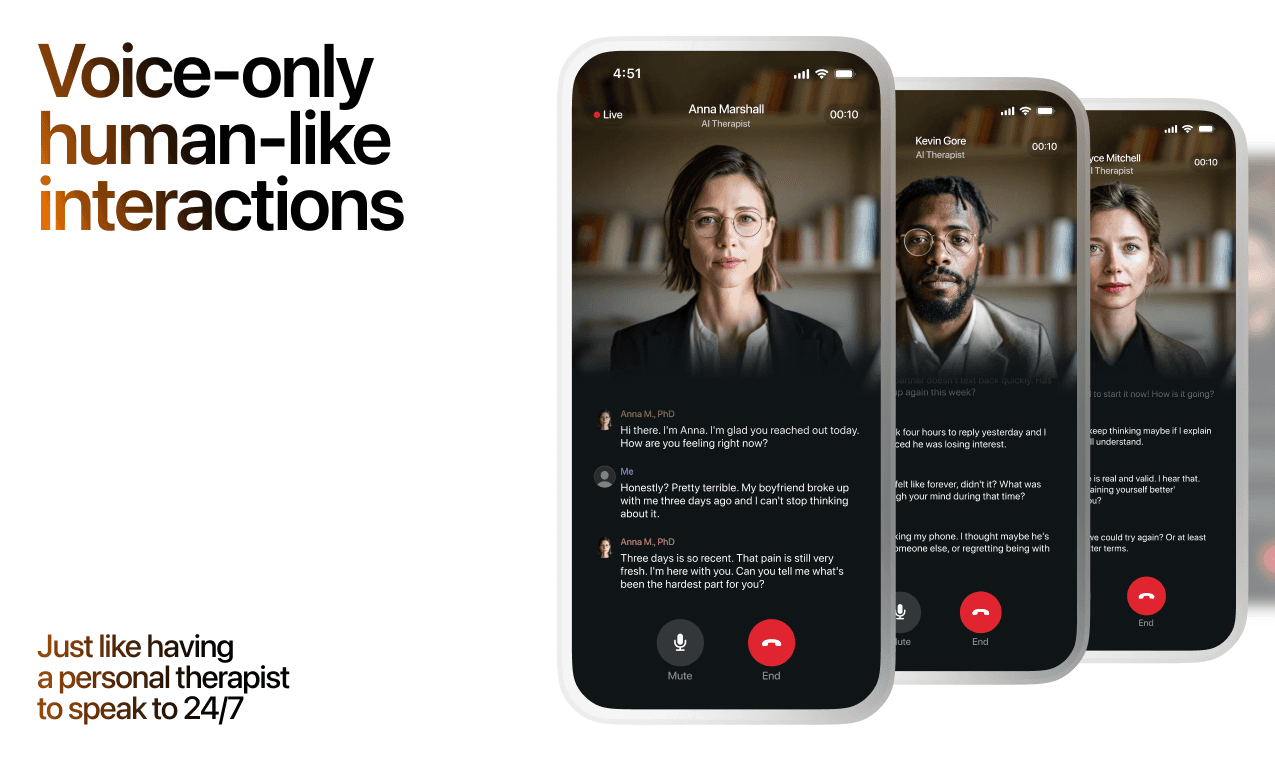
Lovon is AI support, not a replacement for professional care. If things have been hard to get through for weeks, or you are thinking about harming yourself, talk to a doctor or a licensed therapist.
Ready to Start?
Your healing journey can begin right now
A 3-day trial. No judgment. Just a safe space to process what you're going through.
Frequently Asked Questions
What is the fastest way to reduce stress?
How can I reduce stress naturally?
What are 5 ways to manage stress?
How do I stop stressing about things I cannot control?
Why am I so stressed for no reason?
Can stress make you physically sick?
How long does it take to reduce stress?
Sources
About the Author
The Lovon Editorial Team
Mental Health & Wellness Content Team
The Lovon Editorial Team develops mental health and wellness content designed to make psychological concepts accessible and actionable. Our goal is to bridge the gap between clinical research and everyday life - helping you understand why your mind works the way it does and what you can do about it....
Related articles
- How much sleep do you need to lower anxiety?
How much sleep do you need to lower anxiety? Most adults should aim for 7–9 hours in 2026. Learn why sleep quality…
- Caregiver Burnout: Signs, Causes and How to Get Relief
Caregiver burnout explained: the warning signs, why caring for someone wears you down, how to ask for help with exact…
- How to Improve HRV: What Works and How Long It Takes
How to improve HRV with habits that have evidence behind them: steady sleep, less evening alcohol, slow breathing…
- Best AI App for Anxiety: On-Demand Support in 2026
Looking for an AI app for anxiety? See how Lovon and top alternatives offer 24/7 coping tools and voice support between…
See also
Quizzes
- Shame Test: Do You Read Mistakes as Verdicts?
See which exit your shame takes, in 3 minutes.
- Digital Stress Test: Texting, Likes and Read Receipts
See which part of being online wears on you, in 3 minutes.
Free tools
- AI Mental Health Coach
This is a free AI mental health coach for ordinary hard stretches: stress, low days, worry that will not switch off, a…
- Journal Prompts
Pick how you feel, what you want to write about, or both, and get three prompts with room to write right under them…
From the wiki
- What to do if you have no friends?
Pick one activity that repeats weekly with the same people, and go for six to eight weeks straight. Repetition, not…
Disclaimer: This article is for informational purposes only and does not constitute medical advice, diagnosis, or treatment. Always seek the advice of your physician or other qualified health provider with any questions you may have regarding a medical condition. If you are in crisis or think you may have an emergency, call 988 (Suicide & Crisis Lifeline) or go to the nearest emergency room. Outside the US? Find a crisis line in your country.