
How much sleep do you need to lower anxiety?
How much sleep do you need to lower anxiety? Most adults should aim for 7–9 hours in 2026. Learn why sleep quality matters and what to do when worry keeps you awake.

Key Takeaways
- How much sleep do you need to lower anxiety? Most adults should aim for 7–9 hours nightly.
- Sleep quality matters alongside duration; enough time in bed does not guarantee restorative sleep.
- A steady wake time and a quieter evening can make the sleep target easier to reach.
- Lovon is best for adults seeking voice-based emotional support when worry makes it hard to settle.
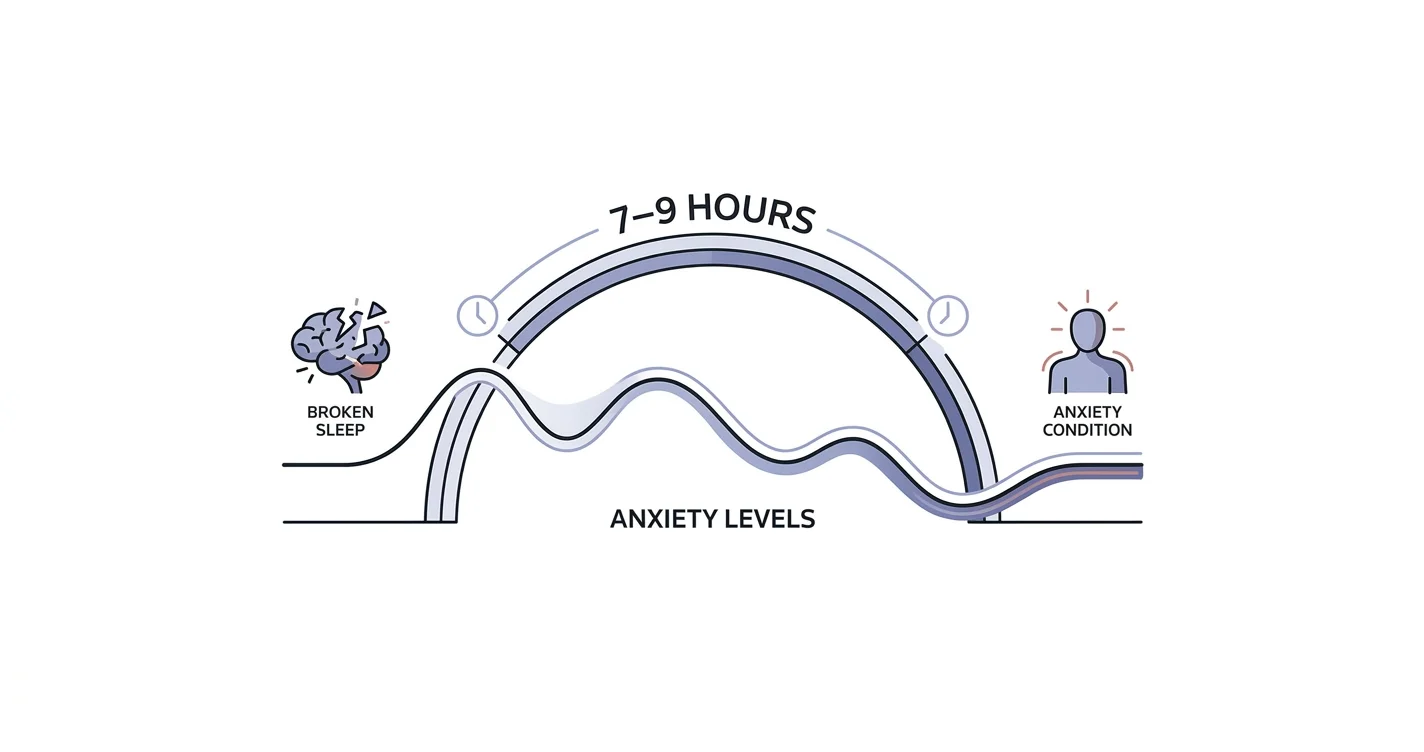
Most adults should aim for 7–9 hours of sleep per night to support lower anxiety in 2026. That target does not guarantee relief: broken sleep, an anxiety condition, or a sleep disorder can still leave you feeling on edge after enough time in bed. If anxiety keeps you awake, address the sleep disruption as well as the worry.
TL;DR
- How much sleep do you need to lower anxiety? Most adults should aim for 7–9 hours nightly.
- Sleep quality matters alongside duration; enough time in bed does not guarantee restorative sleep.
- A steady wake time and a quieter evening can make the sleep target easier to reach.
- Lovon is best for adults seeking voice-based emotional support when worry makes it hard to settle.
Why this matters
Anxiety can make sleep harder, and a poor night can make the next day feel harder to manage. If you lie awake replaying a conversation, the answer is not simply to spend more time under the covers. You need enough opportunity to sleep and a way to respond to the thoughts keeping you alert.
In 2026, the practical question is whether you regularly get the sleep you need and feel rested enough to function. Start with the hours, then look at interruptions and how you feel during the day. If bedtime itself has become stressful, the guide to calming anxiety at night when you cannot sleep covers that part of the problem.
A single rough night does not mean you have failed. Repeated nights of short or disrupted sleep deserve attention, especially when worry starts shaping your evenings, mornings, or plans for the next day.
How much sleep do you need to lower anxiety in 2026?
For most adults, 7–9 hours per night is the target. The National Institutes of Health gives 7–9 hours as a general adult recommendation. The CDC's U.S. sleep recommendations add age-specific guidance: adults ages 18–60 need at least 7 hours, adults ages 61–64 need 7–9 hours, and adults ages 65 and older need 7–8 hours. Teenagers ages 13–17 need 8–10 hours.
| Age group | Recommended sleep per night | What the number tells you |
|---|---|---|
| Teens, 13–17 | 8–10 hours | An adult sleep target is too short for this group. |
| Adults, 18–60 | At least 7 hours | Use 7–9 hours as a practical target, not a promise of anxiety relief. |
| Adults, 61–64 | 7–9 hours | Check sleep quality as well as time asleep. |
| Adults, 65 and older | 7–8 hours | Frequent waking still matters, even when total hours look adequate. |
These are sleep recommendations, not prescribed amounts for treating anxiety. There is no separate, proven nightly hour count that switches anxiety off. If you sleep within the recommended range and remain anxious, do not treat the number as evidence that your symptoms are unimportant.
Time in bed also differs from time asleep. Getting into bed early gives you an opportunity to sleep; it does not tell you how long you actually slept. Notice whether you take a long time to drift off, wake often, or wake earlier than you intended. Those details explain more than a bedtime alone.
Does more sleep always mean less anxiety?
No. Getting enough sleep supports emotional health, but extra hours are not a direct treatment for every source of anxiety. Relationship stress, ongoing pressure, an anxiety disorder, and disrupted sleep can each need a different response. If you already meet your age group's sleep recommendation, adding more time in bed is not automatically the next step.
Ask a narrower question: What happens after a typical night? You might get 8 hours and still wake repeatedly. You might sleep 7 hours without interruption and feel rested. Neither observation diagnoses a condition, but each gives you a better starting point than assuming that more hours will solve the problem.
Use the recommended range as a baseline, then judge the pattern by sleep quality and daytime functioning. If you keep struggling despite allowing enough time for sleep, speak with a healthcare professional rather than trying to fix the problem by extending bedtime indefinitely.
Why the amount you need can vary
The 2026 sleep target is a starting point, not a personal test you can pass or fail. These factors change what the number means for you:
- Age. CDC recommendations differ for teenagers, younger adults, and older adults. A teen needs 8–10 hours; the adult recommendations begin at 7 hours.
- Sleep continuity. Frequent waking can leave you unrested even when the clock suggests enough time passed between bedtime and morning.
- Your usual schedule. A steady wake time makes it easier to see your normal sleep pattern. A schedule that shifts from day to day makes that pattern harder to read.
- Caffeine and other evening habits. Caffeine late in the day or an alerting bedtime routine can interfere with falling asleep. Look at what happens before bed, not just the time you turn out the light.
- Other sleep problems. Persistent insomnia symptoms or signs such as loud snoring and gasping during sleep call for an assessment. More time in bed does not identify or treat their cause.
- What is driving the anxiety. Sleep can support coping, but it does not remove an ongoing stressor or replace care for an anxiety condition.
You do not need to solve every factor at once. Pick the one you can observe most clearly. If your sleep time varies, start with your schedule. If you spend long stretches awake, focus on what happens before bed and during night waking.
How to make room for 7–9 hours of sleep
Treat this as a gentle routine, not another task to get exactly right. The goal is to make enough sleep possible and to stop turning bedtime into a test of whether you can calm down.
- Wake time: Choose a wake time you can keep reasonably consistent. Count backward to allow an adult sleep window of 7–9 hours, while remembering that time in bed is not the same as time asleep. If your current schedule makes that window impossible, change the schedule where you can rather than blaming yourself for lying awake.
- Sleep window: Give yourself a regular chance to sleep. Notice whether work, caregiving, or late activities keep cutting that chance short. You cannot judge whether 7–9 hours helps if you rarely have room for it.
- Quiet evening: Reduce activities that leave you keyed up as bedtime approaches. If a thought needs attention tomorrow, write down the task and the next action. You are not trying to force your mind blank; you are giving it somewhere to put the unfinished thought.
- Night waking: If you wake and feel alert, avoid turning the clock into a countdown. Return to a low-key activity until you feel sleepy, then go back to bed. Trying to win an argument with your thoughts often keeps your attention fixed on being awake.
- Track patterns: Briefly note when you went to bed, when you woke, whether you woke during the night, and how you felt the next day. Look for a pattern across ordinary nights rather than judging yourself on one difficult morning.
This sequence gives you something more useful than a perfect bedtime rule: a way to tell whether you lack sleep opportunity, struggle to fall asleep, or wake repeatedly. Each problem points to a different conversation with a healthcare professional if it persists.
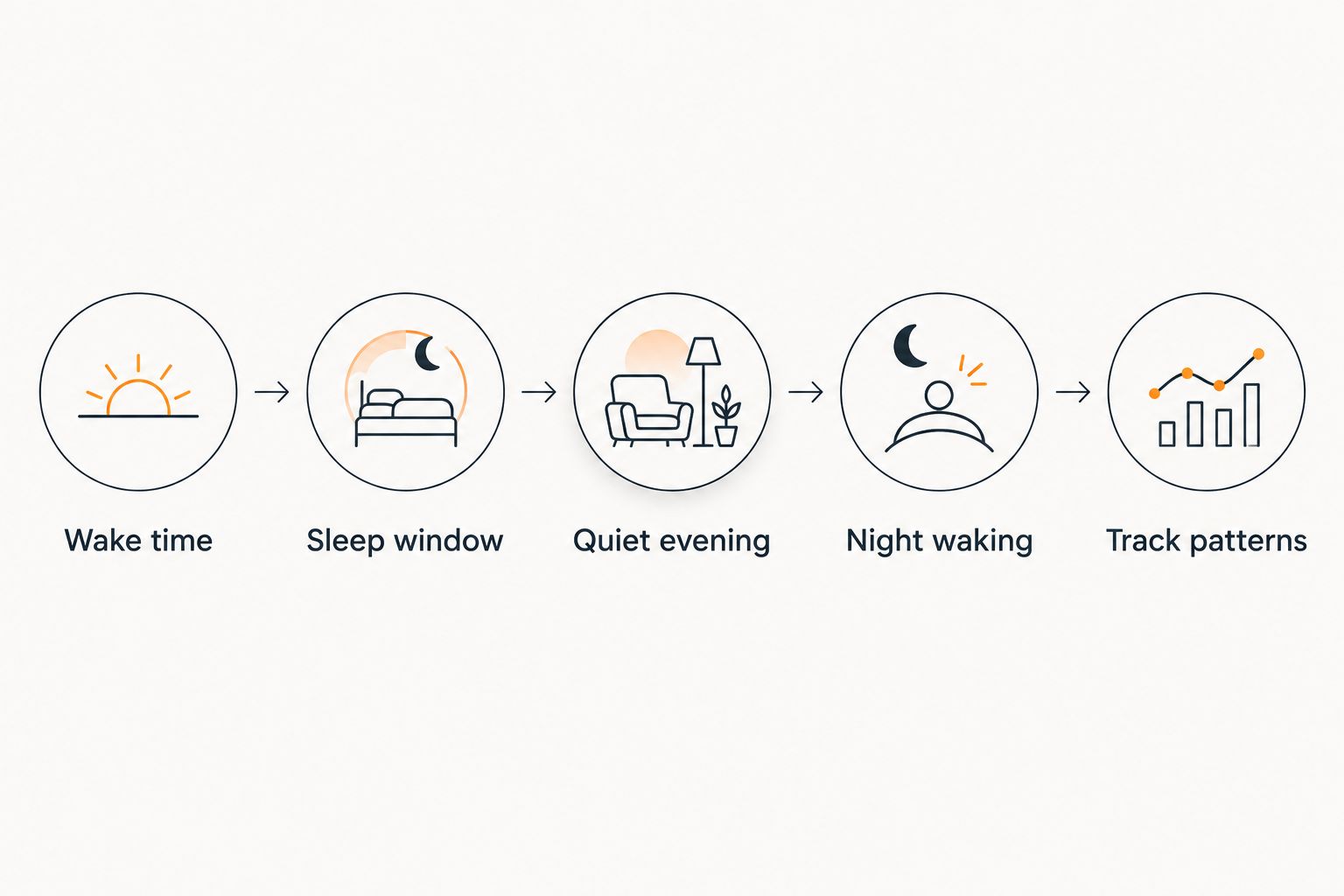 Five steps from setting a wake time to tracking sleep patterns
Start with a consistent schedule, then notice what happens during the night.
If your mind gets busy when the day goes quiet, a brief exercise can help you shift attention without demanding that you fall asleep immediately. Keep the exercise gentle. It is support for the moment, not a substitute for the sleep you need.
What if anxiety is the reason you cannot sleep?
Work on the anxiety and the sleep problem together. A nightly target cannot help much if worry repeatedly keeps you from sleeping. Begin by naming what is happening: are you anticipating tomorrow, replaying something that happened, or feeling physically tense? A specific concern is easier to respond to than a general command to relax.
If a task is keeping you awake, write down its next step for tomorrow. If your body feels tense, try a quiet relaxation exercise without checking whether it is working every minute. If you keep waking with the same fear, note the pattern to discuss with a clinician. You do not have to settle a relationship, a job concern, or your entire future before you can rest tonight.
Lovon is best for adults who want on-demand voice-based emotional support for everyday anxiety, not diagnosis or treatment of a sleep disorder. The Lovon voice support app offers conversations, coping tools, and self-reflection guidance when you want to talk through a worry. Lovon is not a licensed clinician or a replacement for clinical care. An app cannot tell you whether disrupted sleep comes from insomnia, sleep apnea, or another health issue.
In 2026, the next move is straightforward: use support to manage the worry you can name, and seek professional care when poor sleep or anxiety keeps affecting your life. Do not wait for a sleep tracker to give you a perfect number before asking for help.
When should you talk to a healthcare professional?
Talk to a healthcare professional if trouble falling asleep, staying asleep, or feeling rested keeps recurring. Do the same if anxiety is interfering with work, relationships, or daily activities. You deserve help with the problem itself, not another rule about what time to go to bed.
Mention loud snoring, gasping during sleep, or persistent daytime sleepiness if those apply. Those signs change the conversation from sleep habits to possible sleep-disorder assessment. A clinician can also help you decide whether anxiety treatment, sleep-focused care, or both fit your situation.
Bring your observations, not a polished report. Tell them when you usually sleep, what wakes you, and how you feel during the day. If you have tried changing your schedule or evening habits, say what changed and what did not. That is enough to start a useful conversation.
Will 7 hours of sleep lower my anxiety?
Seven hours meets the CDC's minimum recommendation for adults ages 18–60, but it does not guarantee lower anxiety. Some adults do better with more sleep within the 7–9-hour range. If anxiety remains high or sleep is broken, look beyond the total hours.
Can I catch up on sleep after an anxious night?
One longer night does not erase the reason anxiety interrupted your sleep. Return to a workable schedule and pay attention to whether the difficulty repeats. If it does, address both the worry and the sleep disruption rather than relying on occasional recovery nights.
Do I need 8 hours exactly to feel less anxious?
No: 8 hours is not a required anxiety threshold. For most adults, 7–9 hours is the practical sleep target. How you sleep and how you function the next day matter more than hitting one exact figure.
FAQ
How much sleep do you need to lower anxiety in 2026?
Most adults should aim for 7–9 hours of sleep per night in 2026. No specific number guarantees lower anxiety; sleep quality and the cause of the anxiety matter too.
Is 6 hours of sleep enough if I have anxiety?
Six hours is below the CDC recommendation of at least 7 hours for adults ages 18–60. Make room for more sleep, and seek care if anxiety or sleep problems keep recurring.
Can sleeping 9 hours cure anxiety?
No, 9 hours of sleep does not cure anxiety. Enough sleep supports emotional health, but persistent anxiety deserves attention even when you sleep within the recommended range.
Why am I anxious after a full night of sleep?
A full night does not remove every cause of anxiety. Interrupted sleep, ongoing stress, or an anxiety condition can still affect how you feel; discuss persistent symptoms with a healthcare professional.
Should I stay in bed when anxiety keeps me awake?
Do not turn bed into a place where you struggle to force sleep. If you feel alert, a quiet activity until you feel sleepy again is a more useful response than watching the clock.
How much sleep do teenagers need when they feel anxious?
Teenagers ages 13–17 need 8–10 hours of sleep per night under CDC recommendations. Sleep is one part of support, not a replacement for help with persistent anxiety.
Can Lovon treat insomnia or an anxiety disorder?
No. Lovon offers voice-based emotional support and coping tools, but it is not a licensed clinician and cannot diagnose or treat a sleep disorder or an anxiety disorder. Seek professional care for persistent symptoms.
One last thing
The most useful question tomorrow morning is not whether you slept exactly 8 hours. Ask whether you had enough opportunity to sleep, whether your sleep was interrupted, and whether anxiety is becoming a regular part of the night. In 2026, 7–9 hours remains the adult target; the pattern tells you what to address next.
Related guides
How AI Support Helps You Heal
AI emotional support isn't about replacing human connection — it's about filling the gaps. The moments when you need to talk at 2 AM, when you don't want to burden your friends again, or when you simply need someone to listen without judgment.
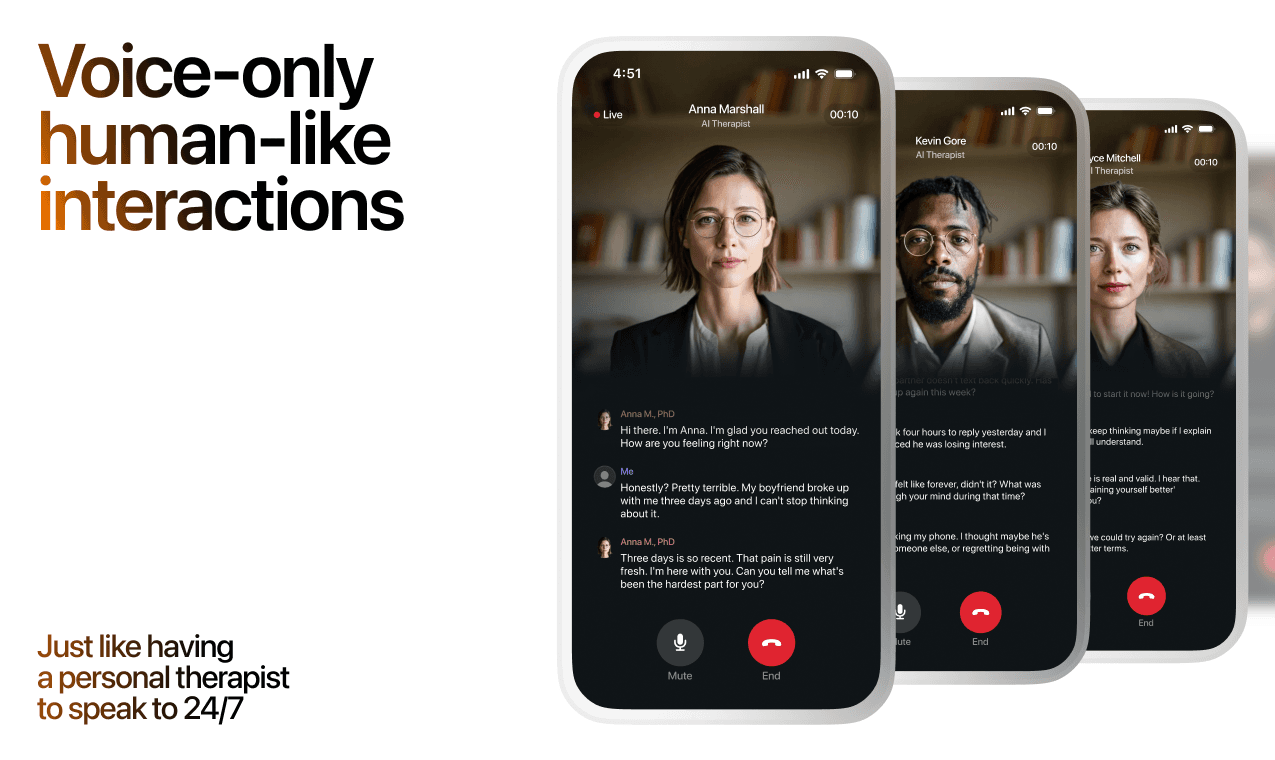
Here's what happens in a typical Lovon session:
You share what's on your mind
There's no script, no intake form, no waiting room. You speak or type whatever you're feeling — in your own words, at your own pace.
Lovon validates and explores
Using frameworks from CBT (Cognitive Behavioral Therapy) and motivational interviewing, Lovon acknowledges your feelings first, then gently helps you explore them. No dismissive "just move on" advice.
You build coping skills together
Lovon doesn't just listen — it actively works with you on evidence-based techniques: thought reframing, urge surfing, behavioral experiments, and more.
What a Session with Lovon Looks Like
When to Seek Professional Help
AI support is a valuable tool, but it's not a replacement for professional care. Please consider reaching out to a licensed therapist if you experience any of the following:
- Persistent thoughts of self-harm or suicide
- Inability to perform daily activities (work, eating, sleeping) for more than 2 weeks
- Turning to alcohol or substances to cope
- Intense anger or desire to harm your ex-partner
- Complete emotional numbness that doesn't improve over time
Crisis Resources (US): If you're in immediate danger, call 988 (Suicide & Crisis Lifeline) or text HOME to 741741 (Crisis Text Line). Available 24/7, free, and confidential.
Outside the US? Find a crisis line in your country
Ready to Start?
Your healing journey can begin right now
A 7-day trial. No judgment. Just a safe space to process what you're going through.
Frequently Asked Questions
Is Lovon a replacement for a real therapist?
Is my conversation with Lovon AI private?
How is Lovon different from ChatGPT for emotional support?
Can I use Lovon if I'm already seeing a therapist?
Can I try Lovon before subscribing?
About the Author
The Lovon Editorial Team
Mental Health & Wellness Content Team
The Lovon Editorial Team develops mental health and wellness content designed to make psychological concepts accessible and actionable. Our goal is to bridge the gap between clinical research and everyday life - helping you understand why your mind works the way it does and what you can do about it....
Related articles
- Why Am I Exhausted All the Time? Real Causes in 2026
Why am I exhausted all the time even after sleep? 2026 guide breaks down burnout, depression, and cortisol causes sleep…
- How to Manage Stress as a Shift Worker (2026 Guide)
Learn how to manage stress as a shift worker in 2026 with sleep timing, light exposure, and coping tools plus 24/7 AI…
- Best Mental Health App for Anxiety in 2026
The best mental health app for anxiety in 2026 ranked: Lovon for voice AI support, Headspace for habits, BetterHelp for…
- ADHD and Anxiety: How the Two Conditions Overlap (2026)
ADHD and anxiety share symptoms but have different causes. Learn how they feed each other and what daily strategies…
See also
Quizzes
- Insecurity Test: What Are You Bracing Against?
See what your insecurity actually runs on, in 3 minutes.
- Toxic Masculinity Test: Which Rules Are You Running?
See which learned rules cost you most, in 3 minutes.
Free tools
- Write a Letter to Someone You Lost
Tell it who they were to you and what you never got to say, and it writes the letter back in your words. No account, no…
- Write a Condolence Message for This Person
Get one condolence message written for your situation instead of a list of a hundred to choose from. Tell it who died…
From the wiki
- Why do I keep dreaming about my ex?
Recurring dreams about an ex usually mean your brain is still consolidating a relationship that took up years of memory…
Disclaimer: This article is for informational purposes only and does not constitute medical advice, diagnosis, or treatment. Always seek the advice of your physician or other qualified health provider with any questions you may have regarding a medical condition. If you are in crisis or think you may have an emergency, call 988 (Suicide & Crisis Lifeline) or go to the nearest emergency room. Outside the US? Find a crisis line in your country.