
Autistic Burnout: Signs, Causes and How to Recover
Autistic burnout explained with research and autistic voices: the signs, how it differs from job burnout and depression, its causes and what helps.

Key Takeaways
- Autistic burnout is long-lasting exhaustion, loss of skills and lower tolerance for sensory input that autistic people describe after long periods of stress and masking without enough support.
- In the first study to define it, run with autistic people as research partners, it typically lasted three months or more and was distinct from job burnout and from clinical depression.
- Autistic adults link recovery to reduced demands and time off, acceptance and support, and being able to do things in an autistic way, including unmasking where it is safe.
Autistic burnout is a state of long-lasting exhaustion, loss of skills and lower tolerance for sensory input that autistic people describe after long periods of stress and masking without enough support. In the first study to define it, it typically lasted three months or more. It is different from job burnout and from depression, and recovery usually needs fewer demands and more acceptance, not more effort.
What autistic adults describe during autistic burnout:
- Exhaustion that goes deeper than tiredness and does not lift with sleep or a weekend
- Losing skills you normally have, such as speaking easily, cooking, keeping up with hygiene or managing a routine
- Lights, sounds, smells, textures and crowds becoming much harder to tolerate
- More meltdowns or shutdowns, and less warning before them
- Executive function falling apart: planning, starting and switching tasks feel impossible
- A strong need to withdraw from people, including people you love
- Less capacity to mask, so autistic traits show more than usual
- Feeling like you have lost yourself, or that you are being asked to be someone you cannot be anymore
Recovery starts with seeing where your energy is going. The energy audit lets you rate the people, tasks, places and habits in your week, including sensory-heavy ones like an open-plan office or a loud commute, and shows them on one battery map, so you can pick the drains to cut first and the things that restore you to protect.
What research says about autistic burnout
For years, autistic people discussed autistic burnout online while it was almost absent from academic and clinical writing. That began to change in 2020, when a community-academic research partnership that includes autistic people as partners interviewed 19 autistic adults and analyzed 19 public online sources. They defined autistic burnout as a syndrome resulting from chronic life stress and a mismatch between expectations and abilities without adequate supports, marked by pervasive, long-term exhaustion, loss of function and reduced tolerance to stimulus, typically lasting three months or more.[1] The authors were open that this was a small, exploratory study.
A 2021 study used a Delphi method, in which 23 autistic adults with lived experience of burnout worked toward a shared definition. They described autistic burnout as a highly debilitating condition marked by exhaustion, withdrawal, problems with executive function, generally reduced functioning and increased expression of autistic traits, distinct from depression and from non-autistic burnout.[2]
A 2022 analysis of more than 1,100 public posts by autistic people found that autistic burnout was often chronic or recurring, and that a pervasive lack of awareness and stigma about autism sat underneath it. One theme the researchers drew from the posts was that masking feels like "damned if you do, damned if you don't."[3]
Autistic burnout vs job burnout vs depression
| Autistic burnout | Job burnout | Depression | |
|---|---|---|---|
| Where it comes from | Cumulative load of life in a non-autistic world, plus missing support | Chronic workplace stress that has not been managed well | Many causes, including biology and life events |
| Core features | Exhaustion, loss of skills, lower sensory tolerance | Exhaustion, mental distance from work, reduced effectiveness | Low mood, loss of interest, hopelessness |
| What tends to help | Fewer demands, unmasking where safe, acceptance, sensory rest | Changes to the job, rest, support | Professional care, which may include therapy or medication |
The World Health Organization uses burnout only for the workplace, and says the term should not be applied to other areas of life.[4] Autistic burnout borrows the word, but researchers and autistic adults describe it as its own experience. The two can overlap for autistic people in demanding jobs, so the signs of job burnout may be part of the picture, and depression can happen alongside either. The 2021 study also cautioned that psychological treatments designed for depression could potentially make autistic burnout worse.[2] That is one reason an autism-informed clinician matters. Burnout vs depression covers the difference from job burnout in more detail.
What causes autistic burnout?
In the 2020 study, autistic adults described burnout building from life stressors that piled onto their cumulative load, together with barriers that kept them from getting relief.[1] Common contributors:
- Masking. Suppressing stims, scripting conversations, forcing eye contact and copying other people's behavior take constant effort.
- Sensory load. Bright lights, noise, crowds, scratchy clothes and busy spaces add up over a day, a week, a year.
- Social demands. Meetings, small talk, phone calls and unwritten rules that need conscious decoding.
- Change and transitions. A new job, a move, starting college, becoming a parent, losing a routine.
- Executive function demands. Paperwork, scheduling and household admin without supports that fit how you work.
- Not being believed. In the 2020 study, one of the most prominent barriers was dismissal: asking for help and being told the struggle was normal or your own fault.
Many autistic people are also ADHD, and some find ADHD burnout describes part of their experience too.
How to recover from autistic burnout
The things autistic adults most often link to recovery are acceptance and social support, time off or reduced expectations, and doing things in an autistic way, including unmasking.[1] In practice:
Cut demands as far as you can
Take time off if that is possible, or reduce hours, commitments and social plans. Postpone anything that can wait. This is the part that matters most, and it is also the part people feel most guilty about. Recovery is not laziness.
Unmask where it is safe
Stim freely at home, skip eye contact, script less, wear the comfortable clothes, eat the same safe foods. Find the people and places where you do not have to perform, and spend more time there.
Protect sensory recovery time
Build in time each day with as little sensory input as possible: a dark, quiet room, noise-canceling headphones, a weighted blanket, whatever works for you. The quiz what kind of rest do I need can help you notice when sensory rest is the kind you are missing. Coping tools for sensory overload has more ideas.
Lean on routines and interests
Predictable routines lower the number of decisions you have to make. Time with your special interests is often one of the most restoring things there is, not a distraction from recovery.
Ask for accommodations
At work or school, specific requests tend to work best: remote days, written instructions, fewer meetings, a quieter desk, flexible start times. You do not have to explain everything about autism to ask for one change.
Find people who get it
Autistic adults in research describe acceptance as central to recovery. Autistic-led communities, online or in person, can be one of the few places where you do not have to explain yourself.
Skills you lost during burnout often come back as energy returns, though people describe it as slow and uneven.
How to support someone in autistic burnout
If your partner, child or friend is autistic and in burnout, what helps most is usually less, not more:
- Take demands off their plate without making them ask, such as meals, errands, phone calls and paperwork.
- Do not push them to socialize or "get back to normal." Pressure to perform is part of what caused the burnout.
- Make home a place where they do not have to mask. Accept stimming, quiet, routines and repeated safe foods without comment.
- Ask how they prefer to communicate right now. Some people find texting easier than talking during burnout.
- Believe them. Dismissal, being told that everyone feels this way, is one of the barriers autistic adults describe as keeping them stuck.
If you are worried about their safety or they are struggling to eat, sleep or look after themselves, help them reach a doctor who understands autism.
Track it: learn your early warning signs
Autistic burnout often builds over months, which makes the early signs easy to miss until you are deep in it. Tracking helps you see the slope.
- Do the energy audit monthly. Note which drains are sensory, social or about change, because each needs a different fix.
- Use the social battery after busy days to log the people and situations you spent time with and whether each drained or charged you.
- Log daily with the 60-second mental health check-in. Five sliders take less than a minute, and the week view shows whether energy is falling while demands stay the same.
- Write down your personal early signs once you are through it, such as losing words, more shutdowns or dropping self-care, so you can act sooner next time.
Some autistic people also use energy accounting, giving tasks and situations a cost and a top-up value, to plan days. The energy audit is a simple version of the same idea.
When to get help
Talk to a doctor or a licensed therapist with experience supporting autistic adults if burnout has lasted more than a few weeks, if you are losing the ability to look after yourself, or if you feel low most of the time. Ask directly whether they are familiar with autistic burnout. In the 2020 study, some autistic adults described burnout leading to suicidal thoughts and behavior.[1]
For more on masking and support, see apps for autism masking burnout and our other autism articles.
Some autistic people find talking easier than writing when they are depleted, and some find the opposite. If speaking works for you, tell Lovon, an AI coach you talk to by voice, what has been draining you, at your own pace and without having to mask, and work out which demand to drop first.
How AI Support Helps You Heal
AI emotional support isn't about replacing human connection — it's about filling the gaps. The moments when you need to talk at 2 AM, when you don't want to burden your friends again, or when you simply need someone to listen without judgment.
Here's what happens in a typical Lovon session:
You share what's on your mind
There's no script, no intake form, no waiting room. You speak or type whatever you're feeling — in your own words, at your own pace.
Lovon validates and explores
Using frameworks from CBT (Cognitive Behavioral Therapy) and motivational interviewing, Lovon acknowledges your feelings first, then gently helps you explore them. No dismissive "just move on" advice.
You build coping skills together
Lovon doesn't just listen — it actively works with you on evidence-based techniques: thought reframing, urge surfing, behavioral experiments, and more.
What a Session with Lovon Looks Like
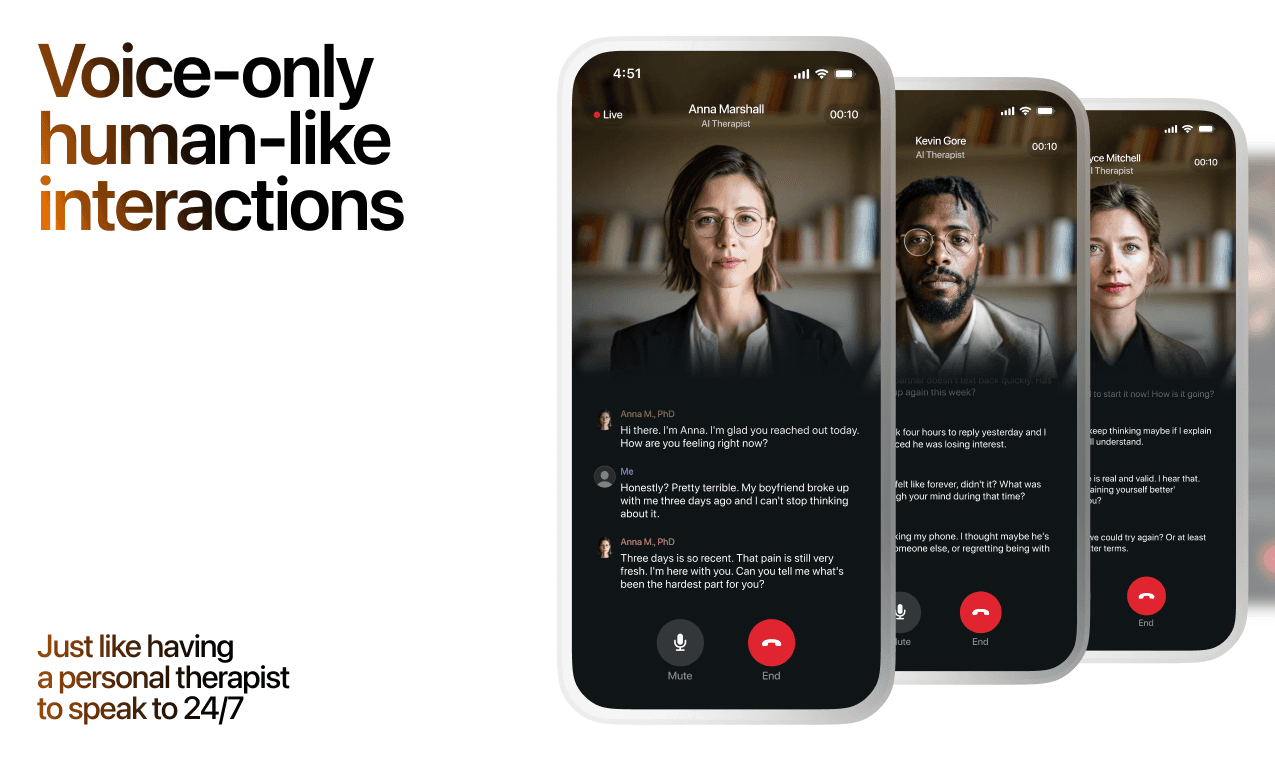
Lovon is AI support, not a replacement for professional care. If things have been hard to get through for weeks, or you are thinking about harming yourself, talk to a doctor or a licensed therapist.
Ready to Start?
Your healing journey can begin right now
A 3-day trial. No judgment. Just a safe space to process what you're going through.
Frequently Asked Questions
What does autistic burnout feel like?
How long does autistic burnout last?
Is autistic burnout the same as regular burnout?
Is autistic burnout the same as depression?
What causes autistic burnout?
How do you recover from autistic burnout?
Can you prevent autistic burnout?
Sources
About the Author
The Lovon Editorial Team
Mental Health & Wellness Content Team
The Lovon Editorial Team develops mental health and wellness content designed to make psychological concepts accessible and actionable. Our goal is to bridge the gap between clinical research and everyday life - helping you understand why your mind works the way it does and what you can do about it....
Related articles
- Does taking a mental health day actually help?
Does a mental health day actually help? Yes, for short-term relief. Learn how to rest, plan your return, and recognize…
- Why Am I Exhausted All the Time? Real Causes in 2026
Why am I exhausted all the time even after sleep? 2026 guide breaks down burnout, depression, and cortisol causes sleep…
- Winter Blues: Signs, Causes and What Actually Helps
Winter blues or seasonal depression? The signs, why short days hit mood, what helps (light, routine, movement) and when…
- Best AI apps for caregiver burnout in 2026
Compare the best AI apps for caregiver burnout. Choose Lovon for voice support, or a writing assistant for practical…
See also
Quizzes
- Self-Control Test: Where Does Your Willpower Slip?
See where your willpower slips, in 3 minutes.
- Self-Acceptance Test: What Are You Still Arguing With?
See where you are still fighting yourself, in 3 minutes.
Free tools
- 4-7-8 Breathing
Breathe in for four, hold for seven, breathe out for eight. The long out-breath is the point. Follow the circle; no…
- Dopamine Menu
A menu of things that lift you, built on a good day so a flat day only needs an order. Pick from 128 ideas or add your…
From the wiki
- Why do I feel lonely all of a sudden?
Sudden loneliness usually traces back to something that quietly ended in the last few months: a routine, a shared class…
Disclaimer: This article is for informational purposes only and does not constitute medical advice, diagnosis, or treatment. Always seek the advice of your physician or other qualified health provider with any questions you may have regarding a medical condition. If you are in crisis or think you may have an emergency, call 988 (Suicide & Crisis Lifeline) or go to the nearest emergency room. Outside the US? Find a crisis line in your country.