
Cope With a Breakup When You Still Love Them (2026)
How to cope with a breakup when you still love them in 2026: set no-contact, process urges out loud, and rebuild routines. Steps that actually work.
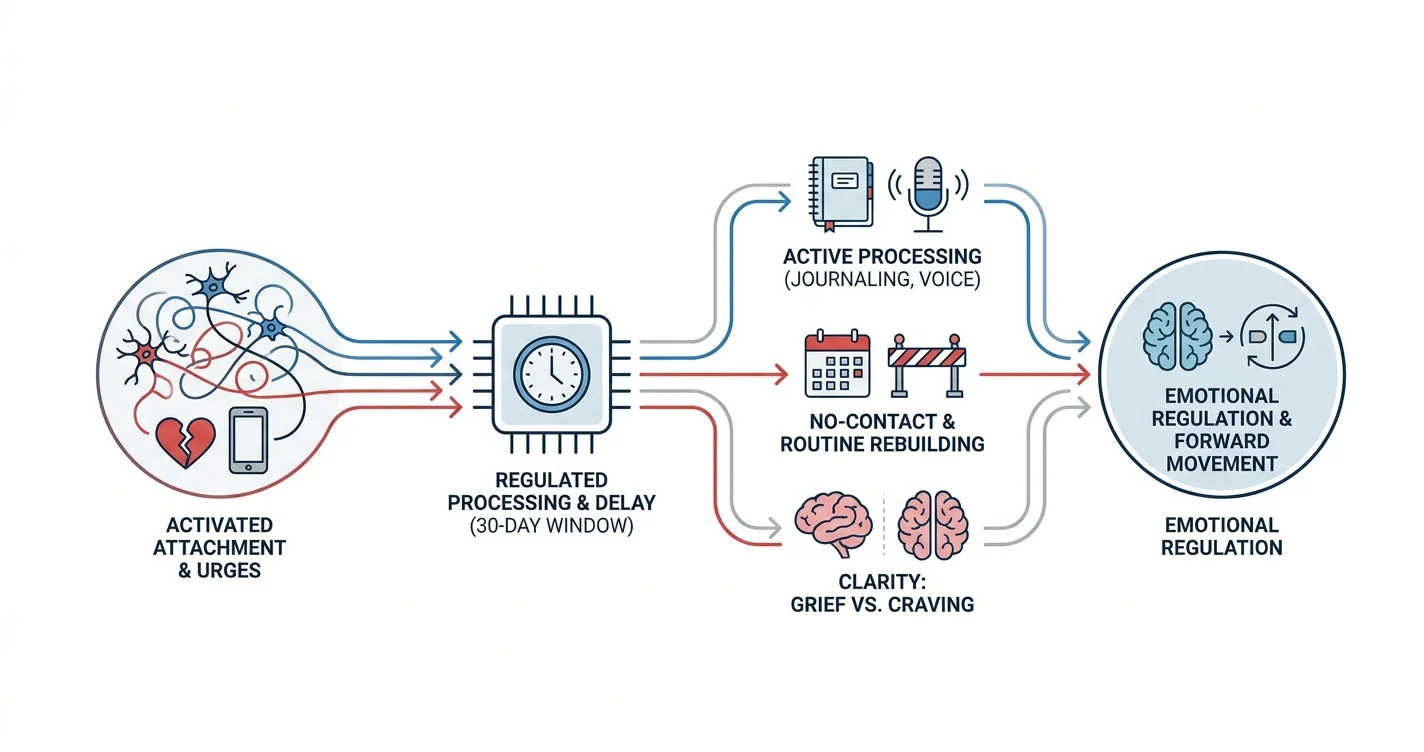

Key Takeaways
- Learning how to cope with a breakup when you still love them starts with regulating your body, not arguing yourself
- A 30-day no-contact window gives your nervous system time to reset before you make any reconciliation decision.
- Journaling and voice processing beat rumination alone in your head at 2 a.m.
- Lovon's AI voice therapy gives you a place to talk through the urge to text at 11 p.m. instead of acting on it.
- Grief timelines vary, but expect the sharpest pain to soften within 8 to 12 weeks if you actively process it.
Loving someone after the relationship ends is not a character flaw. It means the attachment was real, and the work now is regulating your nervous system while the feelings catch up to the facts.
TL;DR
- Learning how to cope with a breakup when you still love them starts with regulating your body, not arguing yourself out of the feeling.
- It helps to know what you are actually missing: the do I miss my ex or am I just lonely quiz separates missing the person from missing the routine, the version of you that existed then, or simply having someone.
- A 30-day no-contact window gives your nervous system time to reset before you make any reconciliation decision.
- Journaling and voice processing beat rumination alone in your head at 2 a.m.
- Lovon's AI voice therapy gives you a place to talk through the urge to text at 11 p.m. instead of acting on it.
- Grief timelines vary, but expect the sharpest pain to soften within 8 to 12 weeks if you actively process it.
Why this matters
Still loving an ex after a breakup is one of the most common reasons people search for help at 1 a.m., and it is also one of the most misunderstood. Willpower does not turn off attachment. Your brain built neural pathways around this person over months or years, and those pathways do not dissolve because the relationship status changed.
The goal is not to stop loving them by force. It is to build enough emotional regulation that the love does not run your decisions. That distinction changes everything about how you handle the next 2026 weeks.
If the pull to check their social media or reread old texts feels constant, that is a nervous system stuck in an activated state, not proof you made a mistake. Working through evidence-based steps to get over someone gives you a structured path instead of white-knuckling it.
What you'll need
- A no-contact plan, even a loose one, for at least 30 days
- A journal or voice-note app for tracking urges and triggers
- One person you trust to check in with weekly
- A list of the specific things you miss versus the specific things that hurt
- 10 to 15 minutes a day set aside for processing, not distraction
- Access to an AI voice therapy tool like Lovon for the moments when no one else is awake
The steps
1. Name what you're grieving, specifically
Generic grief ("I miss them") keeps you stuck. Specific grief moves. Write down three things you miss (their laugh, Sunday mornings, feeling known) and three things that were actually hard (the silent treatment, the broken plans, the way conflict got avoided). This split matters because the brain conflates comfort with compatibility. Skipping this step is the single most common mistake — people romanticize the whole relationship instead of the parts that worked.
2. Set a no-contact window and put a number on it
Pick 30 days. Not "a while," not "until I feel better" — a number you can track. During this window, block or mute their accounts rather than relying on willpower to not check. The expected outcome by day 30 in 2026 timelines most therapists describe: the acute craving phase (similar to withdrawal) has usually eased, even if love hasn't disappeared. Missing this step and staying in low-grade contact (liking posts, checking stories) is why breakups drag on for months instead of weeks.
3. Give the urge a 10-minute delay, every time
When the urge to text, call, or check up on them hits, set a 10-minute timer before you act. Use the ai coping tools for anxiety style of breathing or grounding during that window. Most urges lose intensity within 5 to 10 minutes once you stop feeding them with imagined conversations. The common mistake here is rehearsing what you'd say — that rehearsal keeps the attachment loop firing.
4. Process out loud, not just in your head
Rumination in silence tends to loop; speaking it out loud interrupts the loop because it forces linear thought. This is where talking through the day's triggers with a voice-based outlet helps more than typing. Lovon is built for exactly this moment — a voice conversation with an AI therapist when it's midnight and calling a friend isn't an option. If you're unsure how the format works, how to talk to an ai therapist for the first time walks through what a first session looks like.
5. Separate love from readiness
Still loving someone does not mean the relationship should resume. Take the honest am I over my ex quiz to check whether what you're feeling is genuine readiness to reconnect or a craving for the comfort of the familiar. The expected outcome: clarity on whether you're grieving the person or the routine. Confusing the two is what pulls people back into relationships that already failed once.
6. Rebuild one routine a week
Pick one shared routine — Sunday calls, gym time, a specific meal — and replace it deliberately rather than leaving the slot empty. An empty slot in your calendar becomes an open invitation for grief to fill it. Filling it with something concrete, even something small like a 20-minute walk at the same time you used to talk, gives your brain a new anchor point.
7. Watch for obsessive loop patterns
If you notice yourself checking their location, rereading old messages more than once a day, or building scenarios of them with someone else, that's obsessive looping, not longing. The guide on stop obsessing over someone covers the specific interrupt techniques for this pattern. Left unaddressed, this loop can extend the pain well past the normal 8-to-12-week window.
Talk it through tonight
Have a voice conversation with an AI therapist when the urge to text hits at 2 a.m.
Troubleshooting
Problem: You keep breaking no-contact. Fix: shorten the window to 7 days at a time and rebuild trust with yourself in smaller increments rather than resetting a 30-day clock repeatedly.
Problem: You dream about them constantly. Fix: this is common in the first few weeks post-breakup and usually fades as waking-hours processing improves; journal the dream content in the morning instead of analyzing it all day.
Problem: You feel worse after talking to mutual friends. Fix: ask friends directly not to relay updates about your ex for 30 days — this is a boundary, not a favor.
Problem: You can't tell if you're grieving or just lonely. Fix: sit with the feeling for 10 minutes without your phone. Loneliness spikes in the evening regardless of who left; grief has specific memory triggers attached to it.
Problem: Anger keeps flaring up out of nowhere. Fix: anger is a normal stage, not a setback. Naming it ("I'm angry about the last three months, not just today") reduces its grip.
Tools and resources
- Lovon — voice conversations with an AI therapist for the 2 a.m. moments talk therapy schedules can't cover
- AI relationship coach for breakup recovery — daily structure for the weeks right after a split
- A dedicated notebook or voice-note app for tracking urges by date
- A trusted friend or family member for weekly check-ins, not daily venting
What to do next
Once the acute phase eases, usually somewhere past the 30-day no-contact mark, shift from survival mode into rebuilding. That means new routines, renewed friendships, and honest reflection on what you want differently next time. The work of loving someone and the work of moving forward can run at the same time — they are not contradictory in 2026, and they weren't before either.
FAQ
How do you cope with a breakup when you still love them?
Set a no-contact window of at least 30 days, process feelings out loud through journaling or talking rather than ruminating silently, and separate genuine love from a craving for familiar comfort. Grief eases fastest when it's actively worked through rather than avoided.
Is it normal to still love your ex months after a breakup?
Yes. Attachment doesn't switch off on a timeline, and many people still feel love 3 to 6 months out even when the relationship was unhealthy. What matters is whether the love is driving your decisions or just present in the background.
How long does it take to stop loving an ex?
There's no fixed number, but the sharpest pain typically softens within 8 to 12 weeks for people who actively process it through talking, journaling, or support. Passive waiting tends to stretch the timeline out much longer.
Should you stay friends with an ex you still love?
Not in the first 30 to 90 days. Staying close while feelings are still raw usually keeps the attachment loop active and delays the grief process rather than shortening it.
What's the difference between missing someone and still loving them?
Missing someone often points to a routine or comfort you lost, while love points to genuine care for who they are as a person. Writing out specific memories, not general feelings, helps separate the two.
Can an AI therapist help you get over a breakup?
An AI voice therapy tool like Lovon gives you a place to process urges and triggers in real time, especially outside normal therapy hours, though it doesn't replace licensed clinical care for deeper trauma.
Why do I keep dreaming about my ex after a breakup?
Dreaming about an ex is common in the first few weeks as your brain processes unresolved emotional material during sleep. It usually decreases as your waking-hours processing improves.
Is it healthy to love someone after a breakup?
Yes, residual love after a breakup is a normal and healthy sign that the connection was real. The goal isn't to force the feeling away but to keep it from dictating actions like breaking no-contact.
One last thing
The part almost nobody says out loud: you don't have to stop loving them to heal. You just have to stop organizing your day around them. That shift — from love-as-compass to love-as-memory — is the actual finish line, not the disappearance of feeling.
Related guides
How AI Support Helps You Heal
AI emotional support isn't about replacing human connection — it's about filling the gaps. The moments when you need to talk at 2 AM, when you don't want to burden your friends again, or when you simply need someone to listen without judgment.
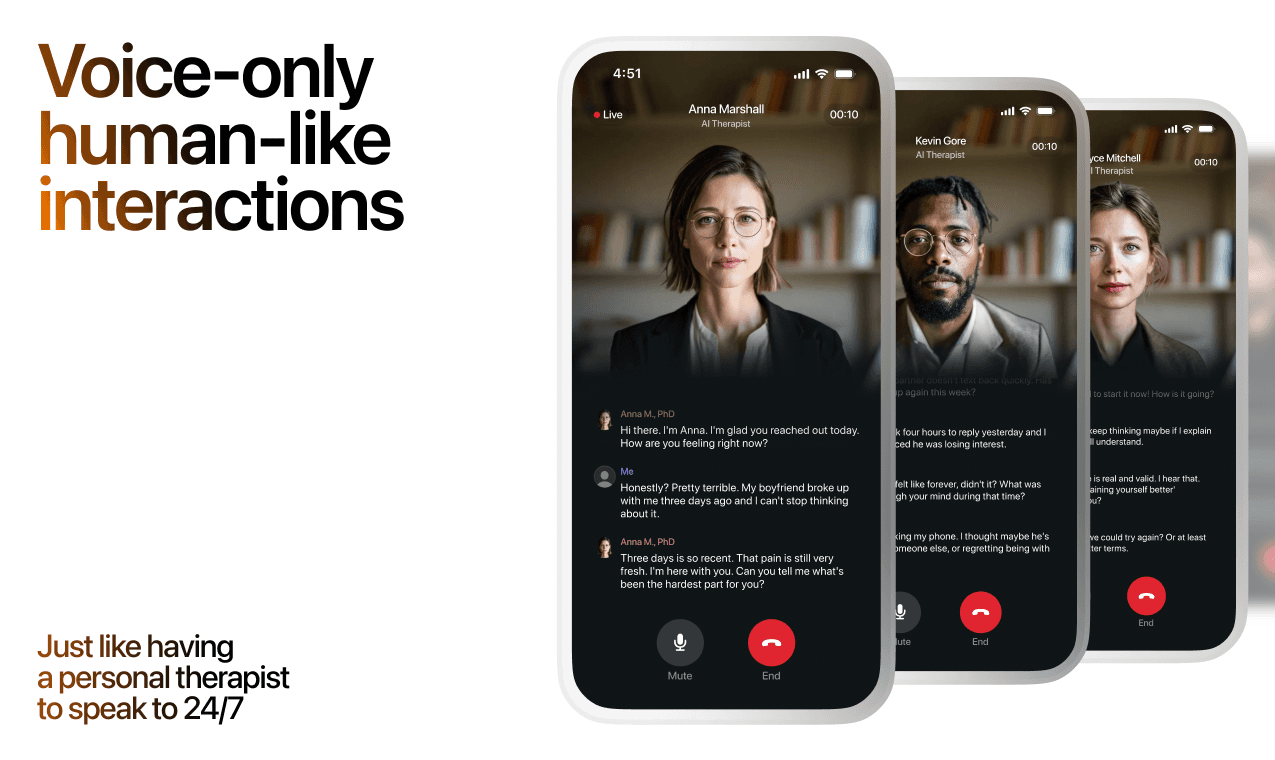
Here's what happens in a typical Lovon session:
You share what's on your mind
There's no script, no intake form, no waiting room. You speak or type whatever you're feeling — in your own words, at your own pace.
Lovon validates and explores
Using frameworks from CBT (Cognitive Behavioral Therapy) and motivational interviewing, Lovon acknowledges your feelings first, then gently helps you explore them. No dismissive "just move on" advice.
You build coping skills together
Lovon doesn't just listen — it actively works with you on evidence-based techniques: thought reframing, urge surfing, behavioral experiments, and more.
What a Session with Lovon Looks Like
When to Seek Professional Help
AI support is a valuable tool, but it's not a replacement for professional care. Please consider reaching out to a licensed therapist if you experience any of the following:
- Persistent thoughts of self-harm or suicide
- Inability to perform daily activities (work, eating, sleeping) for more than 2 weeks
- Turning to alcohol or substances to cope
- Intense anger or desire to harm your ex-partner
- Complete emotional numbness that doesn't improve over time
Crisis Resources (US): If you're in immediate danger, call 988 (Suicide & Crisis Lifeline) or text HOME to 741741 (Crisis Text Line). Available 24/7, free, and confidential.
Outside the US? Find a crisis line in your country
Ready to Start?
Your healing journey can begin right now
1 free conversation. No credit card. No judgment. Just a safe space to process what you're going through.
Frequently Asked Questions
Is AI therapy a replacement for a real therapist?
Is my conversation with Lovon AI private?
How is Lovon different from ChatGPT for emotional support?
Can I use Lovon if I'm already seeing a therapist?
Can I try Lovon for free?
About the Author
The Lovon Editorial Team
Mental Health & Wellness Content Team
The Lovon Editorial Team develops mental health and wellness content designed to make psychological concepts accessible and actionable. Our goal is to bridge the gap between clinical research and everyday life - helping you understand why your mind works the way it does and what you can do about it....
Similar Articles
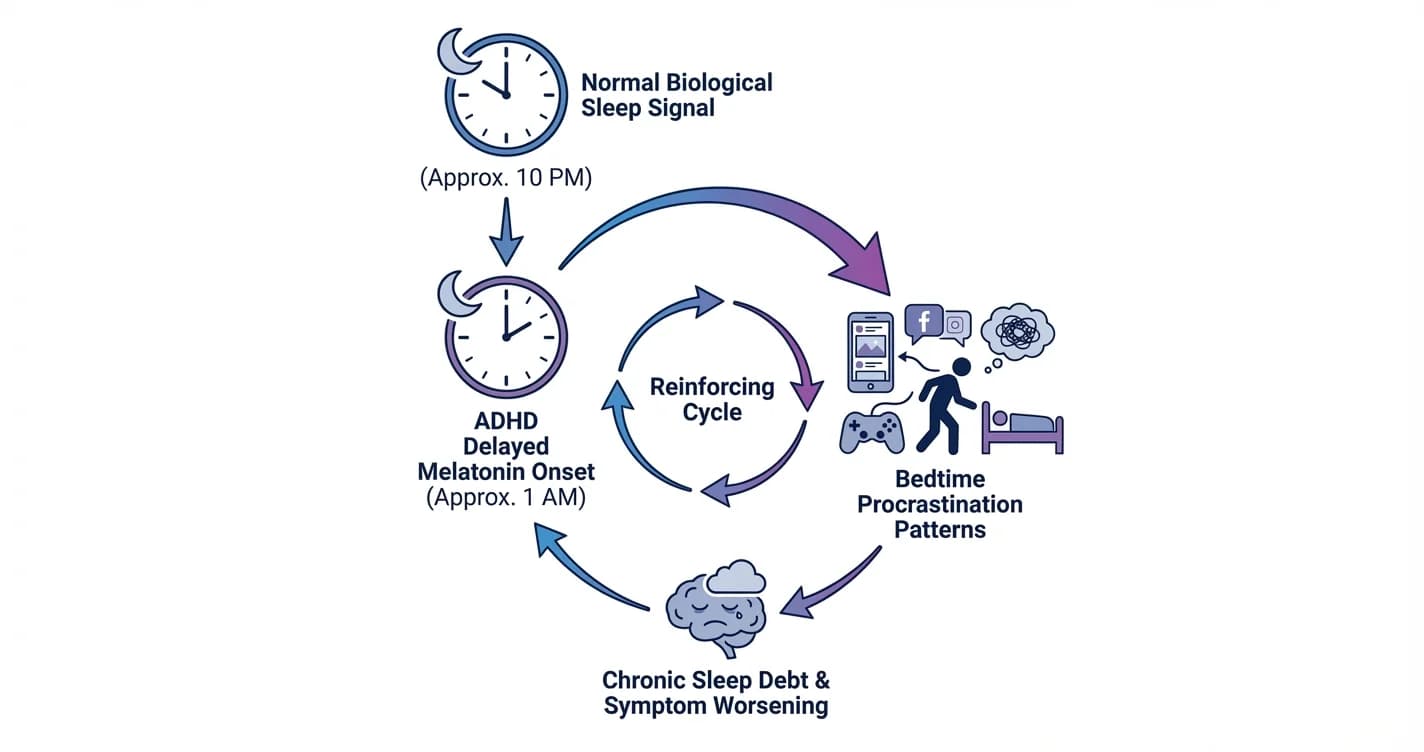
ADHD Sleep Cycle Disruption: Melatonin Delay and Bedtime Procrastination Patterns
Understanding how attention regulation difficulties interfere with natural sleep timing and the nightly wind-down process

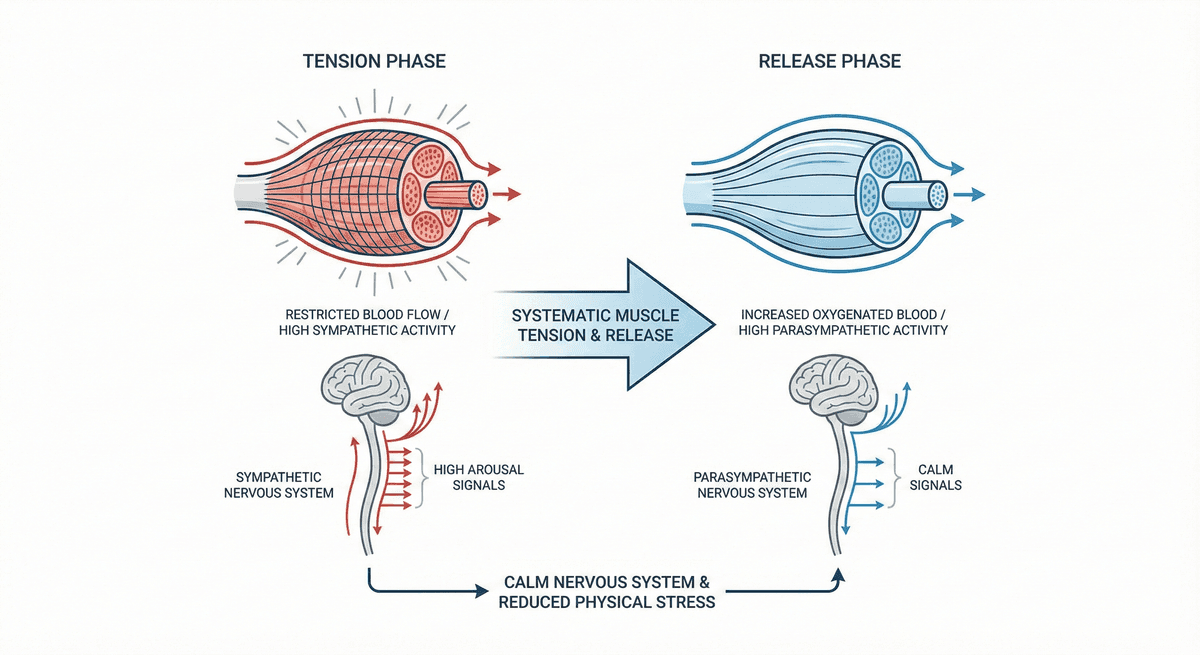
Progressive Muscle Relaxation for Stress Reduction
A systematic muscle group tension and release technique that calms the nervous system and reduces physical stress.
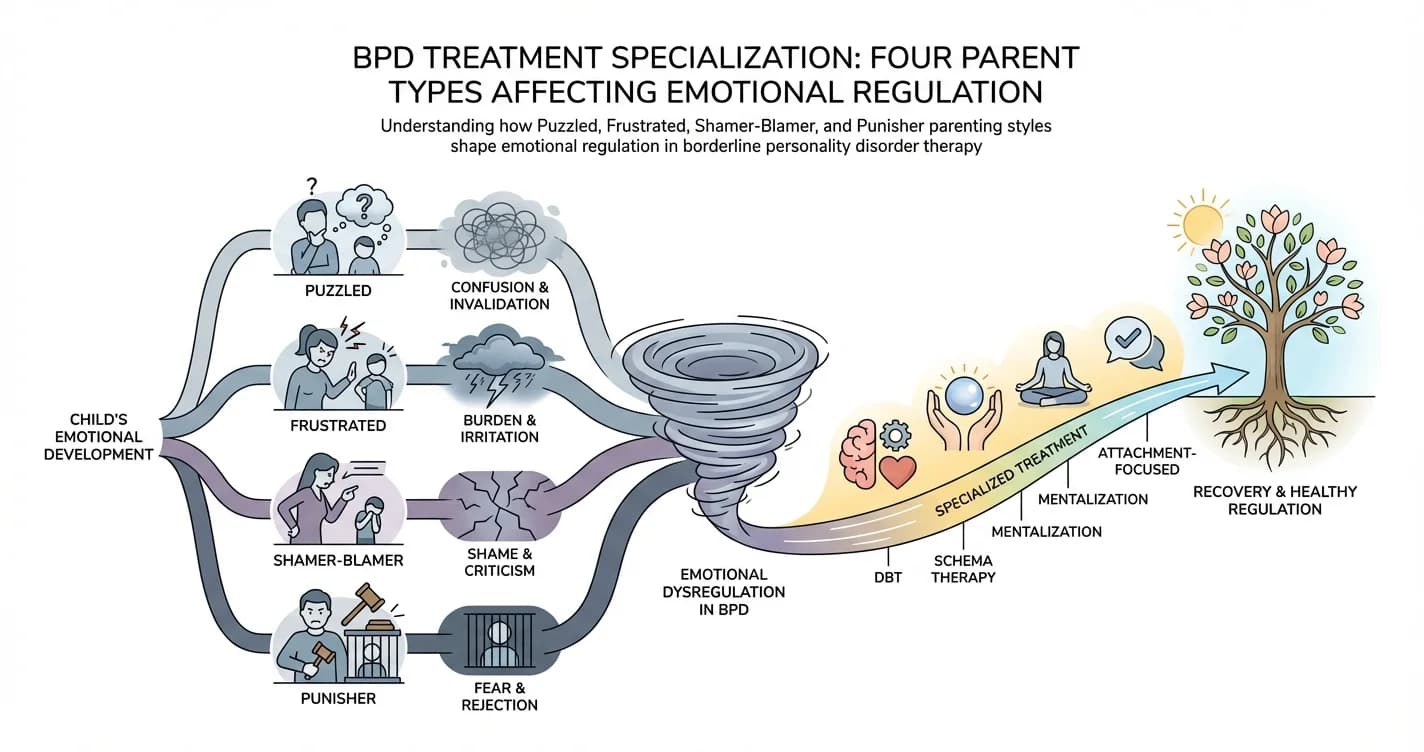
BPD Treatment Specialization: Four Parent Types Affecting Emotional Regulation
For individuals with borderline personality disorder (BPD), emotional regulation difficulties rarely emerge in isolation. Research increasingly suggests that
Disclaimer: This article is for informational purposes only and does not constitute medical advice, diagnosis, or treatment. Always seek the advice of your physician or other qualified health provider with any questions you may have regarding a medical condition. If you are in crisis or think you may have an emergency, call 988 (Suicide & Crisis Lifeline) or go to the nearest emergency room. Outside the US? Find a crisis line in your country.