
How to Recharge Your Social Battery: 7 Ways
How to recharge your social battery after people drain you: quiet recovery time, signs you are running low, what to say to others, and how long it takes.

Key Takeaways
- Social battery is an everyday phrase, not a diagnosis, for the way time with people can leave you tired even when you enjoyed it.
- In a 12-day study, sociable behavior was linked with a better mood at the time but more fatigue three hours later, and this held regardless of personality.
- Recharging works best when you plan quiet time before a draining event, not only after it, and when you spend more social time with people who are easy to be around.
To recharge your social battery, give yourself low-input time alone after social events: quiet, no obligations and something easy you enjoy, like a walk, a bath or a show you have seen before. Plan the recovery time before a draining event, not only after it, and spend more of your social time with people who leave you feeling better. Bigger drains take longer to refill.
- Block quiet time in your calendar after big social events, before you go.
- Spend your first hour home with low input: dim light, no messages.
- Do something easy and absorbing on your own.
- Get outside for a short walk, alone or with music.
- Say no to one optional plan this week.
- Swap one draining hangout for time with someone easy.
- Notice the early signs that your battery is getting low.
What is a social battery?
Social battery is an everyday phrase, not a clinical term, for the way being around people uses up energy. When your battery is full, conversation feels easy and fun. When it is low, even people you love can feel like too much, and you want to be alone.
The idea is not only for introverts. In a 12-day study that asked people about their behavior, mood and energy five times a day, acting in sociable, outgoing ways was linked with a better mood at the time but more fatigue about three hours later. This held regardless of whether people were introverts or extroverts by personality, and the more people someone had met, the more tired they became.[1] Socializing can feel good and still cost energy.
How quickly your battery drains depends on you and the situation. Large groups, new people, noisy places and events where you have to perform, like work functions or meeting a partner's family, tend to drain it fastest. A quiet evening with one close friend usually costs much less, and can even refill it.
How do you know your social battery is low?
The earlier you notice, the easier it is to recharge before you crash. Common signs:
- You dread a plan you were looking forward to last week.
- You find yourself zoning out of conversations.
- Small talk feels exhausting.
- You get irritable or short with people.
- You want to cancel everything and hide.
- Messages pile up because replying feels like work.
To get a quick read, the social battery check shows how full yours is today and suggests ways to recharge that fit how drained you are.
How do you recharge your social battery?
The key is low input. Your brain has been taking in faces, voices, expressions and social cues for hours. Recharging means giving it a break from all of that.
Get quiet. Turn off notifications for an hour or two. Dim the lights. Let the house be quiet, or put on calm music.
Do something easy and absorbing. A familiar show, a book, cooking, a puzzle, drawing, a long bath. Something that holds your attention without asking much of you.
Move gently. A walk on your own, especially outside, helps many people reset. A slow stretch or a few minutes of progressive muscle relaxation also works.
Be careful with your phone. Scrolling feels like alone time, but feeds are full of other people, opinions and comparisons. Many people find it keeps the battery low rather than charging it.
Sleep. A good night's sleep does a lot of the work after a big social day.
If you are not sure which kind of rest you need, the types of rest quiz can help. Social rest is one of the seven types it covers, and how to rest explains how to get each one.
How long does it take to recharge a social battery?
It varies a lot. After an ordinary day of work and a dinner out, an evening of quiet may be enough. After a wedding, a conference or a holiday with family, it can take a full day or two.
Recharging is faster when:
- the quiet time is genuinely quiet, without messages and scrolling
- you get a good night's sleep
- you are not also worrying about the next event
If you never seem to recharge, even after rest, it may be that the battery is being drained by something more constant, like a stressful job, a difficult relationship or a home where you never get time alone.
How do you recharge when you cannot be alone?
Not everyone can disappear for an evening. Parents, people with roommates, and people who live with family often have to recharge in smaller ways.
- Take micro-breaks. Five minutes in the car before you go in, a walk around the block, a bathroom break with the door locked.
- Use headphones. Even without music, they signal to others that you need some space.
- Ask directly. "I need 20 minutes to myself, then I'm all yours" works with partners and older kids.
- Trade time. "You take the kids for an hour on Saturday morning, I'll take Sunday afternoon."
- Pick easy company. Some people recharge best in the same room as someone who does not need anything from them, each doing your own thing.
How do introverts and extroverts recharge differently?
Introverts often recharge mainly through time alone. Extroverts often recharge partly through people, especially lively, familiar company, and can feel flat after too much time alone. Most people sit somewhere in between.
The introvert or extrovert quiz shows where you sit and what it means for your energy. Knowing this helps you plan: an introvert might schedule a quiet evening after every big social night, while an extrovert might plan a low-key meetup after a long week alone.
Either way, everyone needs some connection. Close relationships are strongly linked with better health. A large meta-analysis found that people with stronger social relationships had a 50% greater likelihood of survival over the study periods.[2] The goal is not to avoid people but to spend your energy on the people who matter.
What do you say when your social battery is low?
You do not need to give a long explanation. Keep it short, kind and clear about when you will be back.
- To a friend: "I loved seeing you this week, but my social battery is empty. Can we do something next weekend?"
- To a partner: "I'm not upset, I'm just peopled out. Can I have an hour on my own, then we'll have dinner?"
- At an event: "I'm going to head off now. I've had a great time."
- To family: "I'm going to take a walk on my own for a bit. I'll be back for dessert."
If saying no feels very hard, or you often say yes to plans you do not want, it may be worth taking the people pleaser quiz.
What is the most common mistake when recharging?
Cancelling everything. When your battery is low, it is tempting to withdraw completely. A few days of quiet is healthy. Weeks of avoiding everyone can slide into loneliness, which makes everything feel heavier.
The fix is not more socializing but different socializing. Swap a big group dinner for coffee with one friend. Replace a draining obligation with time with someone easy. Look at your week with the energy audit to see which people and plans charge you and which drain you.
When is it more than a low social battery?
Needing time alone is normal. But see a doctor or licensed therapist if:
- you avoid people because of strong fear of being judged or embarrassed
- you feel lonely and cut off most of the time, even when you want company
- you have lost interest in seeing anyone, along with low mood for two weeks or more
Loneliness is common and there are practical ways through it. How to cope with loneliness covers what research says helps, and how to make friends as an adult has first steps if your circle has shrunk. For a wider plan, see how to improve your mental health.
If people drain you but you are not sure who or what to cut back on, talking it through can make it clearer. Lovon, an AI coach you talk to by voice, can help you plan a week that leaves room to recharge.
How AI Support Helps You Heal
AI emotional support isn't about replacing human connection — it's about filling the gaps. The moments when you need to talk at 2 AM, when you don't want to burden your friends again, or when you simply need someone to listen without judgment.
Here's what happens in a typical Lovon session:
You share what's on your mind
There's no script, no intake form, no waiting room. You speak or type whatever you're feeling — in your own words, at your own pace.
Lovon validates and explores
Using frameworks from CBT (Cognitive Behavioral Therapy) and motivational interviewing, Lovon acknowledges your feelings first, then gently helps you explore them. No dismissive "just move on" advice.
You build coping skills together
Lovon doesn't just listen — it actively works with you on evidence-based techniques: thought reframing, urge surfing, behavioral experiments, and more.
What a Session with Lovon Looks Like
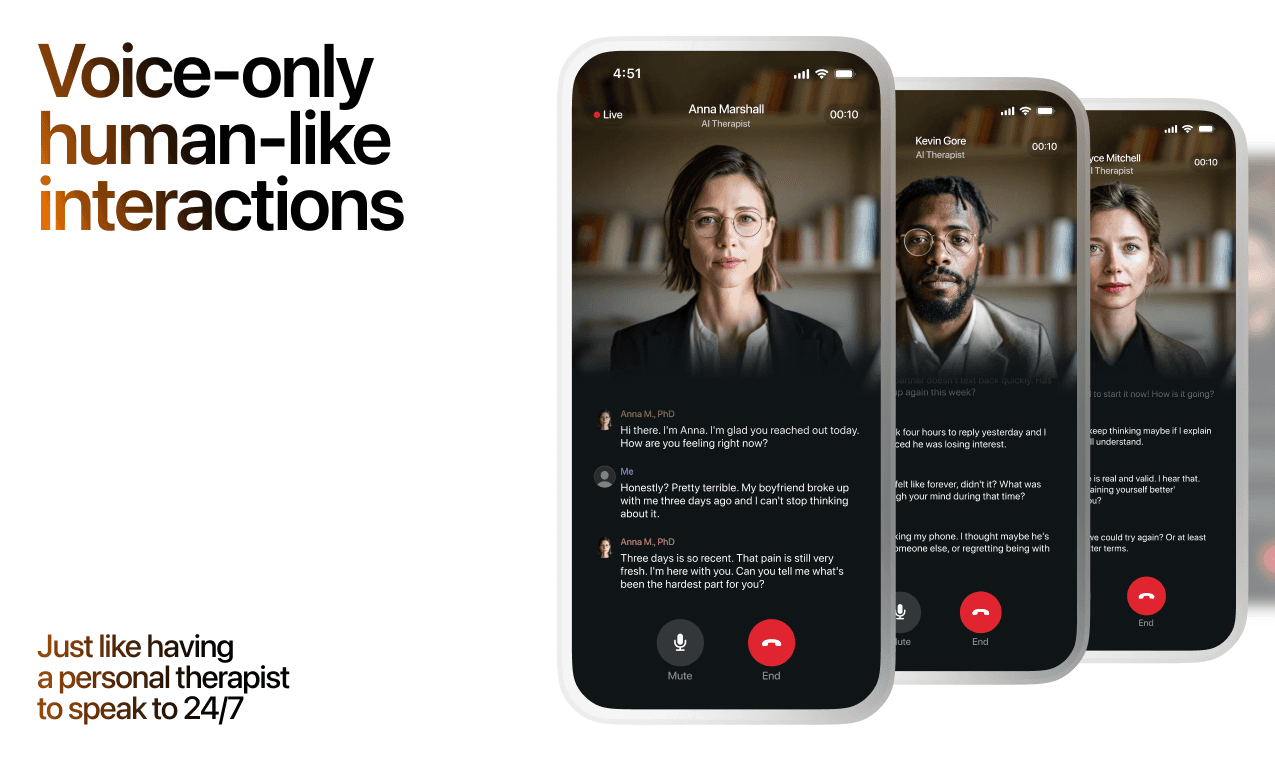
Lovon is AI support, not a replacement for professional care. If things have been hard to get through for weeks, or you are thinking about harming yourself, talk to a doctor or a licensed therapist.
Ready to Start?
Your healing journey can begin right now
A 3-day trial. No judgment. Just a safe space to process what you're going through.
Frequently Asked Questions
What does social battery mean?
How long does it take to recharge a social battery?
Do extroverts have a social battery?
What drains your social battery the fastest?
How do I tell someone my social battery is low?
Is it bad to need a lot of time alone?
Sources
About the Author

The Lovon Editorial Team
Mental Health & Wellness Content Team
The Lovon Editorial Team develops mental health and wellness content designed to make psychological concepts accessible and actionable. Our goal is to bridge the gap between clinical research and everyday life - helping you understand why your mind works the way it does and what you can do about it....
Related articles
- AI Coping Tools for Social Media Addiction: 2026 Guide
AI coping tools for social media addiction pair urge tracking with real-time voice support. See what cuts compulsive…
- Does taking a mental health day actually help?
Does a mental health day actually help? Yes, for short-term relief. Learn how to rest, plan your return, and recognize…
- Why Am I Exhausted All the Time? Real Causes in 2026
Why am I exhausted all the time even after sleep? 2026 guide breaks down burnout, depression, and cortisol causes sleep…
- Can lack of social interaction cause depression?
Can isolation cause depression? Yes, it can contribute. Learn how isolation and low mood connect, which signs need care…
See also
Quizzes
- Perfectionism Test: What Are Your Standards Costing?
See what your standards actually cost, in 3 minutes.
- Digital Stress Test: Texting, Likes and Read Receipts
See which part of being online wears on you, in 3 minutes.
Free tools
- Self-Love Meditation
Not loving every part of yourself at once, just being a little kinder than usual. Six minutes to notice how you talk to…
- Stress Score Checker
Enter the stress or recovery number from your watch or ring and see what the maker says it means. Then answer three…
From the wiki
- What is inhibited grief?
Inhibited grief is grief that never gets out. The loss happened, you kept functioning, and the feeling stayed sealed…
Disclaimer: This article is for informational purposes only and does not constitute medical advice, diagnosis, or treatment. Always seek the advice of your physician or other qualified health provider with any questions you may have regarding a medical condition. If you are in crisis or think you may have an emergency, call 988 (Suicide & Crisis Lifeline) or go to the nearest emergency room. Outside the US? Find a crisis line in your country.